
 Save
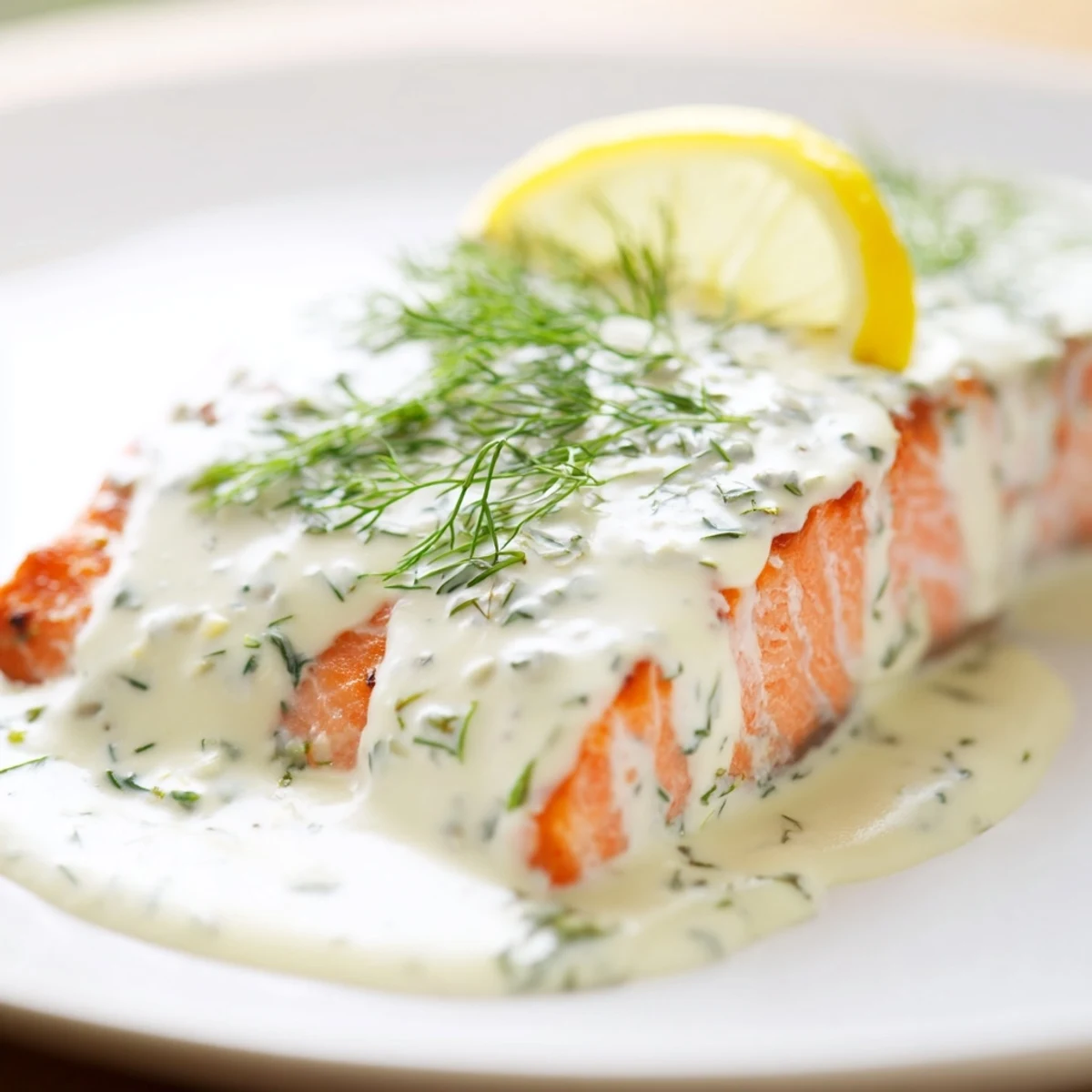
Save This dish features tender salmon fillets baked until flaky and juicy, then complemented by a creamy lemon dill sauce. The sauce blends sour cream or Greek yogurt with fresh dill, lemon juice, zest, and a hint of garlic for brightness. Simple to prepare, it comes together quickly, offering a fresh, flavorful main course ideal for casual dinners or special occasions alike. Pair with steamed vegetables or rice for a balanced meal.
There's a Tuesday evening that stays with me—my partner had just mentioned wanting something lighter for dinner, and I found myself staring at salmon fillets in the kitchen, wondering how to make them feel special without fuss. The lemon dill sauce came together almost by accident, a quick whisk of ingredients that somehow became the star of the plate, bright and tangy enough to make those flaky fillets sing.
I made this for a dinner party once where I was trying too hard, and honestly, the salmon's gentle simplicity grounded everything—guests kept asking about the sauce, leaning in to taste it again, which told me the dish had already won before we even sat down. That moment made me realize the best meals often need the least performance.
Ingredients
- Salmon fillets (6 oz each, 4 total): Look for firm, bright pink flesh with no gray undertones; this is your signal the salmon was handled well and will bake into tender, flaky perfection.
- Olive oil: Just a light coating brings out salmon's natural oils and prevents sticking without overshadowing the delicate flavor.
- Salt and black pepper: Freshly ground pepper makes all the difference—it blooms in the heat and won't taste stale or flat.
- Lemon slices: These sit directly on the fish while baking, gently infusing it with brightness from the inside out.
- Sour cream or Greek yogurt: Sour cream brings richness; Greek yogurt keeps things lighter without sacrificing creaminess.
- Mayonnaise: A small amount acts as an emulsifier, creating silkiness without any heavy or greasy finish.
- Fresh lemon juice and zest: Use fresh juice, never the bottled kind—it makes the sauce taste alive instead of generic.
- Fresh dill: Feathery and bright, it's non-negotiable if you can find it; dried dill will work but loses that grassy, fresh whisper.
- Garlic clove: Just one, minced fine, adds a whisper of savory depth without overpowering anything.
Instructions
- Get your oven ready and prep:
- Preheat to 400°F and line your baking sheet with parchment paper—this small step saves you from scrubbing and lets the salmon release cleanly when it's done.
- Arrange and dress the salmon:
- Place fillets on the sheet, drizzle lightly with oil, sprinkle salt and pepper generously, then crown each with a thin lemon slice. The citrus will steam into the fish as it bakes, flavoring it from within.
- Bake until just cooked through:
- Slide into the oven for 12–15 minutes; you're aiming for that moment when a fork flakes the flesh easily and the center reaches 145°F. Overcooked salmon turns dry, so watch it closely toward the end.
- Mix the sauce while salmon cooks:
- Whisk sour cream, mayo, fresh lemon juice, zest, dill, minced garlic, salt, and pepper in a small bowl until smooth and creamy. Taste it—it should taste bright and herbaceous, not heavy.
- Plate and finish:
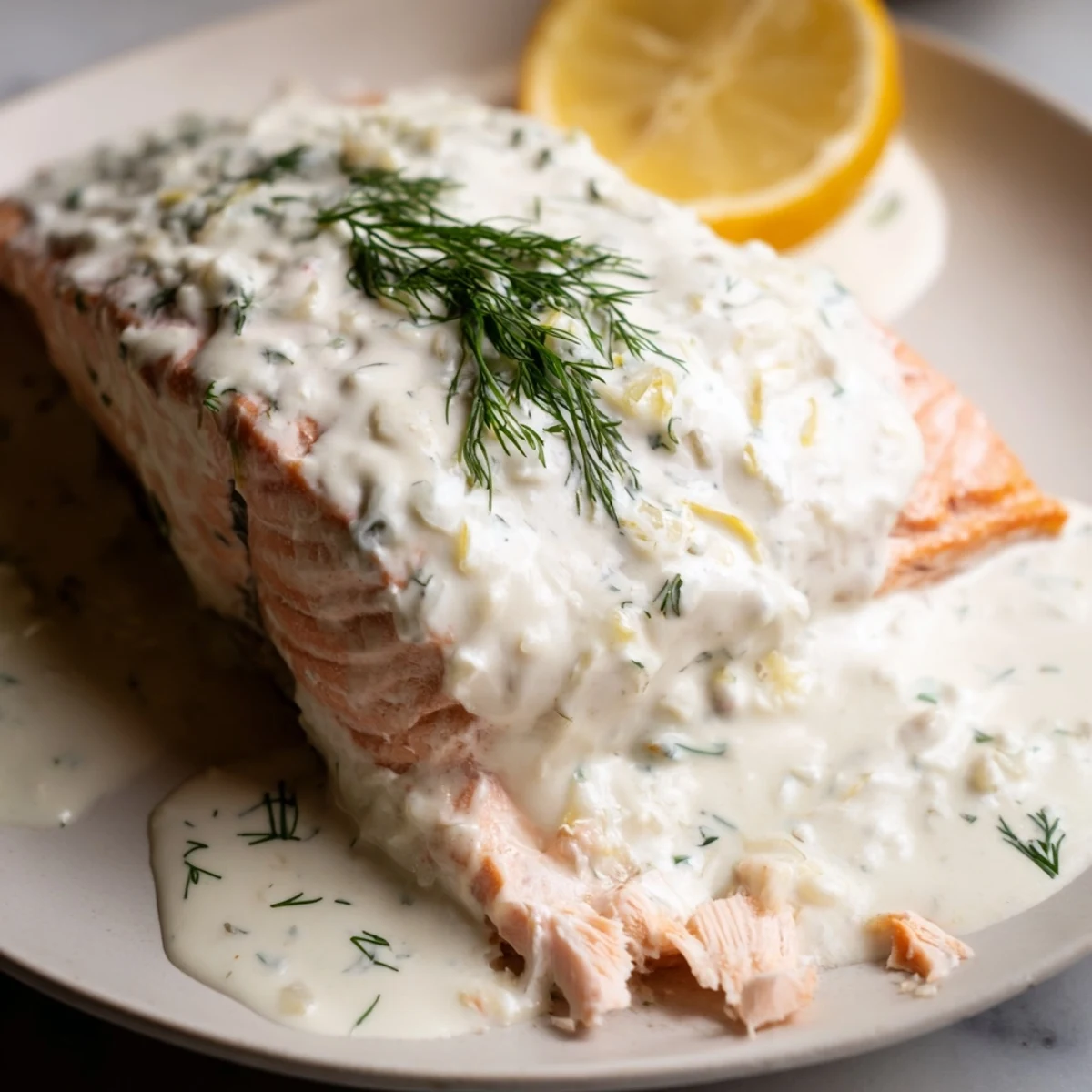
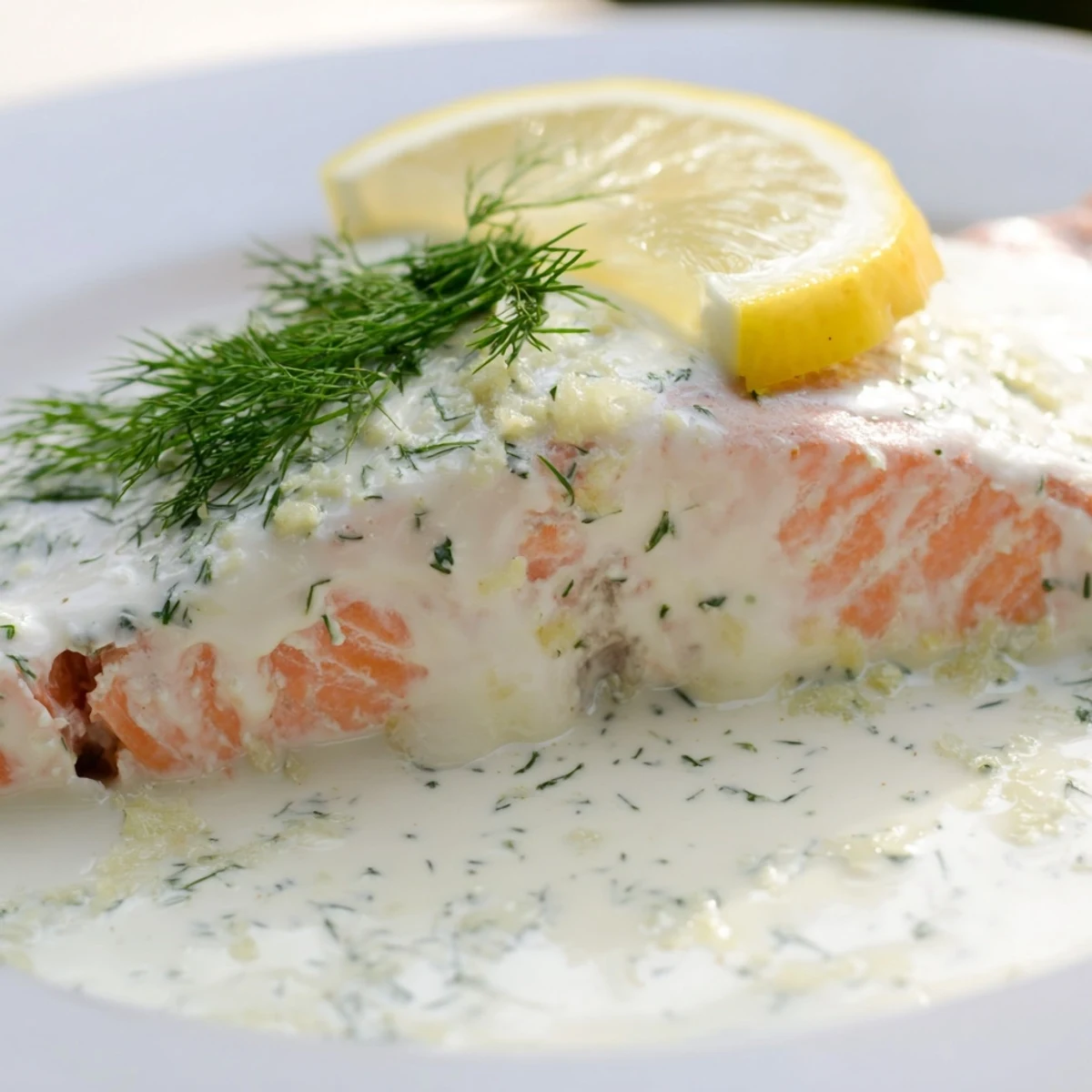
- Transfer warm salmon to plates, spoon the cool sauce over the top (or serve alongside for choice), and scatter fresh dill or lemon wedges if you have them. The contrast of warm fish and cool sauce is part of the magic.
 Save
Save My mother tasted this version and asked for the recipe immediately, which meant something—she's the kind of cook who knows when corners have been cut, and there are none here. That simple ask from her made me understand that good food doesn't announce itself; it just quietly becomes something people want to make again.
Why Fresh Dill Matters So Much
Dried dill tastes like a memory of what dill should be, while fresh dill tastes like dill itself—grassy, bright, almost citrusy. If you can find fresh dill at your market, buy it; it transforms the sauce from pleasant to something people linger over.
Making This Feel Special Without Effort
The beauty of this dish is that it looks more complicated than it actually is, which means you can serve it proudly without spending your evening stressed. A simple green salad and a glass of crisp white wine beside it, and suddenly you're not making weeknight dinner—you're creating an evening.
Adapting and Serving
This recipe loves flexibility in a way that feels generous rather than loose. Steamed asparagus, roasted broccoli, or fluffy rice all find their place beside it; you're really just looking for something that doesn't compete with the salmon's delicate voice.
- If someone at your table prefers lighter, swap in Greek yogurt for sour cream without losing any creaminess or brightness.
- Pair with Sauvignon Blanc or a minerally white wine that echoes the lemon and won't drown out the dill.
- Leftover salmon keeps beautifully in the fridge for two days and tastes almost better cold in a salad the next day.
 Save
Save This salmon has become the meal I return to when I want to feel like I'm taking care of people—including myself. It's proof that simplicity, when done thoughtfully, is its own kind of elegance.
Common Recipe Questions
- → What is the best way to bake salmon fillets evenly?
-
Place the salmon on a lined baking sheet with skin-side down if applicable and bake at 400°F (200°C) for 12–15 minutes until it flakes easily with a fork.
- → Can I use Greek yogurt instead of sour cream in the sauce?
-
Yes, Greek yogurt can be substituted for sour cream in the lemon dill sauce for a lighter texture and tangy flavor.
- → How do I store leftover baked salmon with lemon dill sauce?
-
Store salmon and sauce separately in airtight containers in the refrigerator for up to 2 days to maintain freshness.
- → What side dishes pair well with baked salmon and lemon dill sauce?
-
Roasted vegetables, steamed asparagus, or a simple side of rice complement the flavors and textures of this dish.
- → Is this dish suitable for a low-carb diet?
-
Yes, baked salmon paired with a lemon dill sauce contains minimal carbohydrates, fitting well into a low-carb eating plan.