
 Save
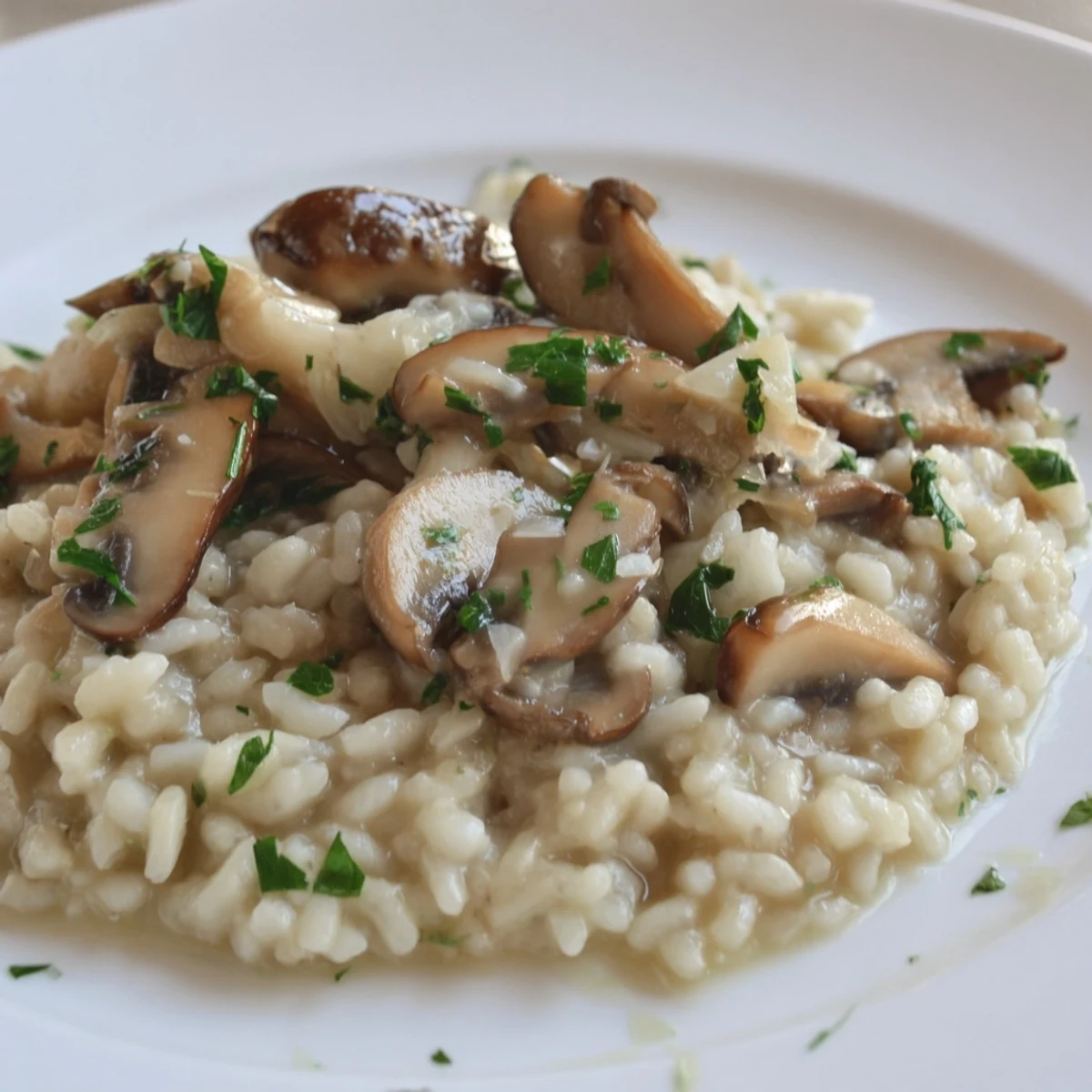
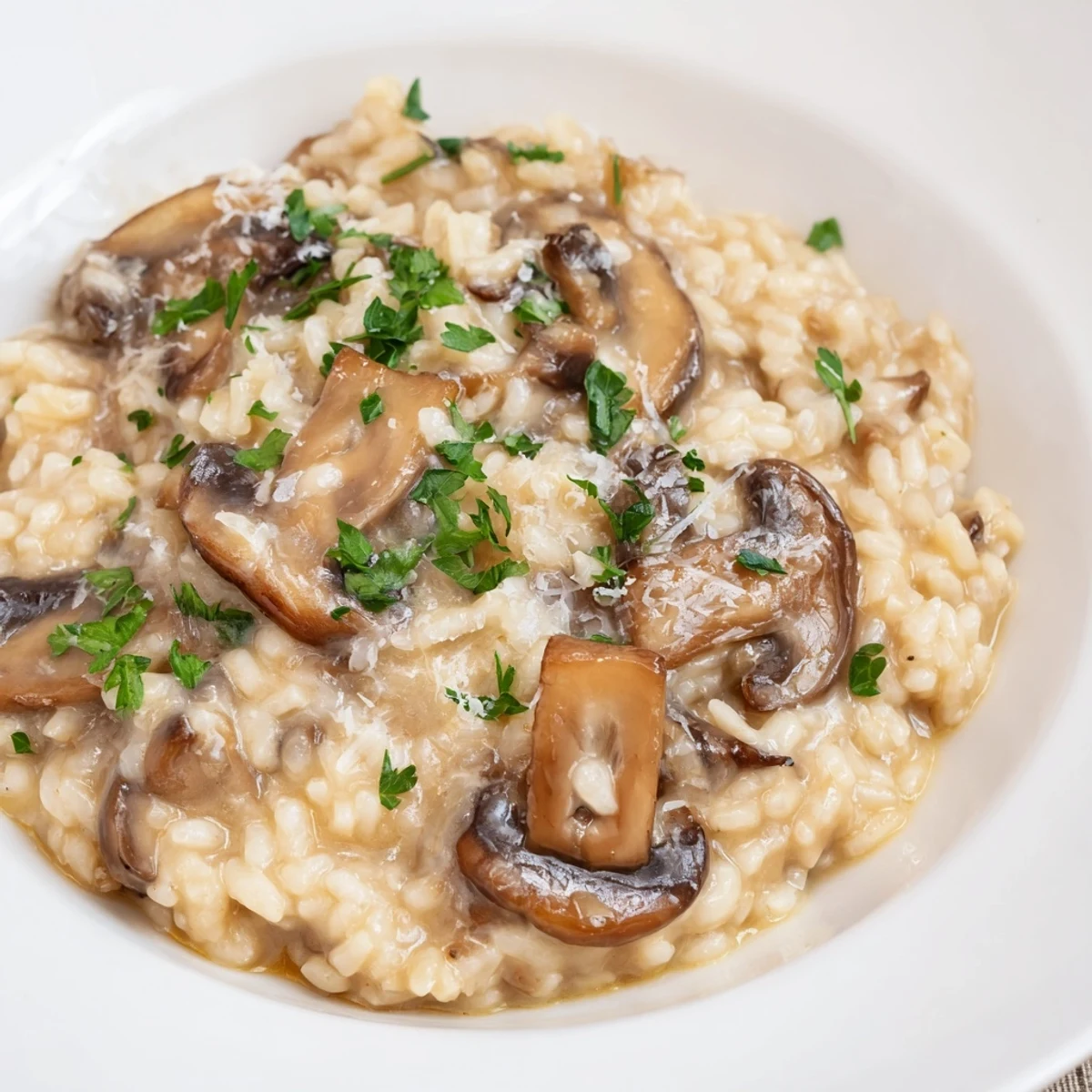
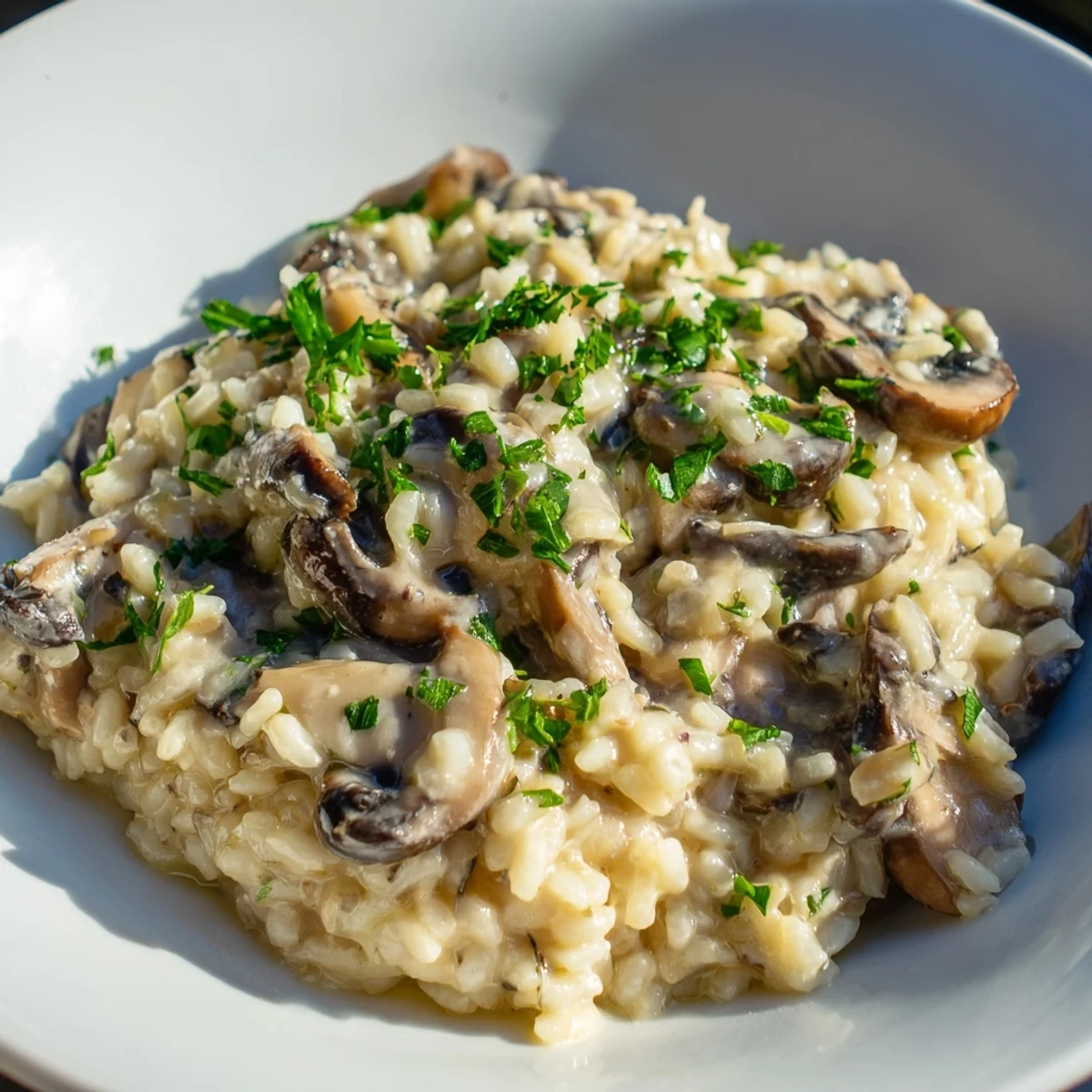
Save This Italian dish features Arborio rice slowly cooked with sautéed mushrooms and onions, stirred constantly with warm vegetable broth to achieve a luscious, creamy texture. White wine adds brightness, while Parmesan cheese, butter, and heavy cream enrich the flavor. Finished with fresh parsley, it delivers a comforting, velvety rice experience perfect for a hearty meal.
The preparation involves gentle sautéing, gradual liquid absorption, and careful stirring to ensure the grains remain tender yet slightly firm. This vegetarian-friendly dish provides a balanced combination of earthy mushrooms and creamy dairy elements, making it a satisfying centerpiece for any dining occasion.
There's a particular moment in cooking when you realize risotto isn't complicated—it just demands your attention. I learned this on a rainy Tuesday when my neighbor stopped by unexpectedly, and I had nothing but rice, mushrooms, and white wine in my kitchen. What emerged from that hour of gentle stirring was so silky and alive that she asked for the recipe before finishing her bowl. That's when I understood: risotto is less about technique and more about listening to what the rice needs as it cooks.
I made this for my partner during their birthday dinner, when I wanted something special but wasn't sure I could pull it off. The kitchen filled with the smell of garlic and sautéed mushrooms, and I remember thinking halfway through that the constant stirring was oddly meditative. When I finally plated it and watched them take that first bite, the quiet smile told me everything. That's when risotto stopped being a recipe and became something I made with intention.
Ingredients
- Arborio Rice (1½ cups): This short-grain rice releases starch as it cooks, which is what creates that signature creamy texture without any cream in the early stages. Don't skip this variety—regular rice will give you something mushy instead of luxurious.
- Cremini or Button Mushrooms (300 g): Slice them thick enough that they stay distinct through cooking, not paper-thin where they disappear into the rice.
- Olive Oil and Butter (for sautéing): The combination of both gives you flavor from the oil and richness from the butter, and they work together better than either alone.
- Onion and Garlic: These aromatics form the flavor foundation, but they need time to soften before the rice joins them—rushing this step means missing out on subtle sweetness.
- Dry White Wine (½ cup): This adds brightness and cuts through the richness; the alcohol burns off, leaving just the complexity behind.
- Warm Vegetable Broth (5 cups): Keep it warm on a separate burner so each ladle added continues the gentle cooking process rather than shocking the rice with cold liquid.
- Parmesan Cheese (½ cup) and Heavy Cream (¼ cup): These finish the dish with that velvety coating, but add them only at the very end to preserve their character.
- Fresh Parsley: A handful of bright green garnish makes the dish look alive and adds a clean finish after all that richness.
Instructions
- Build Your Flavor Base:
- Heat the olive oil and butter together over medium heat until the butter foams gently. Add the chopped onion and let it cook slowly until it turns translucent and soft, about 3 minutes—this isn't a race, and patience here means sweeter results.
- Sauté the Mushrooms:
- Toss in the minced garlic and sliced mushrooms, stirring occasionally until the mushrooms release their moisture and that liquid evaporates, which takes about 6 minutes. You'll hear them sizzling and smell that earthy aroma that signals they're ready for the rice.
- Toast the Rice:
- Stir the Arborio rice into the pan, coating each grain with the oil and butter. Keep stirring for a minute or two until you notice the grains becoming slightly translucent at the edges—this small step helps them absorb liquid evenly.
- Deglaze with Wine:
- Pour in the white wine while stirring constantly, and let the rice drink it up completely. The wine will sizzle and release that bright flavor, and you'll know you're ready to add broth once it's fully absorbed.
- Add Broth One Ladle at a Time:
- This is where patience becomes everything; ladle in a cup of warm broth and stir frequently, letting each addition absorb before adding the next. The rice grains will gradually soften and begin releasing starch, and the whole pot will start smelling like something you want to keep cooking. After about 20 minutes, the rice should be creamy and just tender, with a slight firmness when you bite a grain.
- Finish with Richness:
- Remove from heat and immediately stir in the Parmesan, remaining butter, and heavy cream until everything melds into a silky whole. Season with salt and pepper to taste, tasting as you go since the cheese adds saltiness.
- Rest and Serve:
- Cover the pan and let it sit for 2 minutes—this allows the flavors to settle. Spoon into bowls, top with fresh parsley, and serve right away while it's still creamy and warm.
 Save
Save I remember the first time I served this to someone who claimed they didn't like rice dishes, and watching them ask for more was unexpectedly moving. Risotto has this quiet power to change minds because it tastes nothing like the dry, separate grains people expect. It transforms into something that feels like a gift you made with your own hands.
The Magic of Stirring
Stirring risotto isn't busywork—it's conversation between you and the rice. Every movement releases starch from the grains, and you'll actually see the liquid become creamier and less watery as you go. Some people find this meditative, others find it a bit monotonous, but there's no shortcut without losing the texture. I've learned to use this time to set the table, pour a glass of wine, or just stand there and think while my arm moves in quiet circles.
Why Mushrooms Matter Here
Mushrooms aren't just an ingredient in risotto—they're the reason this dish feels substantial without meat. Their earthiness deepens as they cook, and when you sauté them first, they release a savory liquid that flavors everything that follows. I've tried this with different types: cremini are mild and tender, button mushrooms are delicate, and if you're feeling adventurous, a mix of mushrooms including porcini will make it sing with umami that stays with you long after dinner.
Variations and Seasonings
Once you master the basic technique, risotto becomes a canvas for whatever you have on hand or whatever season suggests. Spring calls for fresh peas and a whisper of lemon zest, while autumn begs for sage and butternut squash. The beauty is that the rice method stays exactly the same—you're just changing the supporting flavors.
- Fresh thyme or sage stirred in with the mushrooms adds a subtle herbal note that reminds you this is Italian cooking at heart.
- A squeeze of fresh lemon juice at the very end brightens everything and keeps it from feeling too heavy.
- If dairy isn't in your plans, unsweetened oat cream and nutritional yeast can stand in for cream and Parmesan, though the flavor will be different and honest about it.
 Save
Save There's something deeply satisfying about a dish that asks you to slow down and pay attention, and risotto is that friend. Once you've made it, you'll understand why people come back to it again and again.
Common Recipe Questions
- → What type of rice is best for this dish?
-
Arborio rice is ideal due to its high starch content, which helps create the creamy texture typical of this dish.
- → Can other mushrooms be used instead of cremini?
-
Yes, button mushrooms or shiitake also work well, offering different but complementary flavors.
- → Why is white wine added during cooking?
-
White wine adds acidity and depth, balancing the richness and enhancing the overall flavor profile.
- → How can I ensure the rice is cooked perfectly?
-
Gradually adding warm broth while stirring frequently helps the rice cook evenly and achieve a creamy yet al dente texture.
- → Is it necessary to use Parmesan cheese?
-
Parmesan adds savory umami notes and richness, but alternatives like vegan cheese can be used for dietary preferences.