
 Save
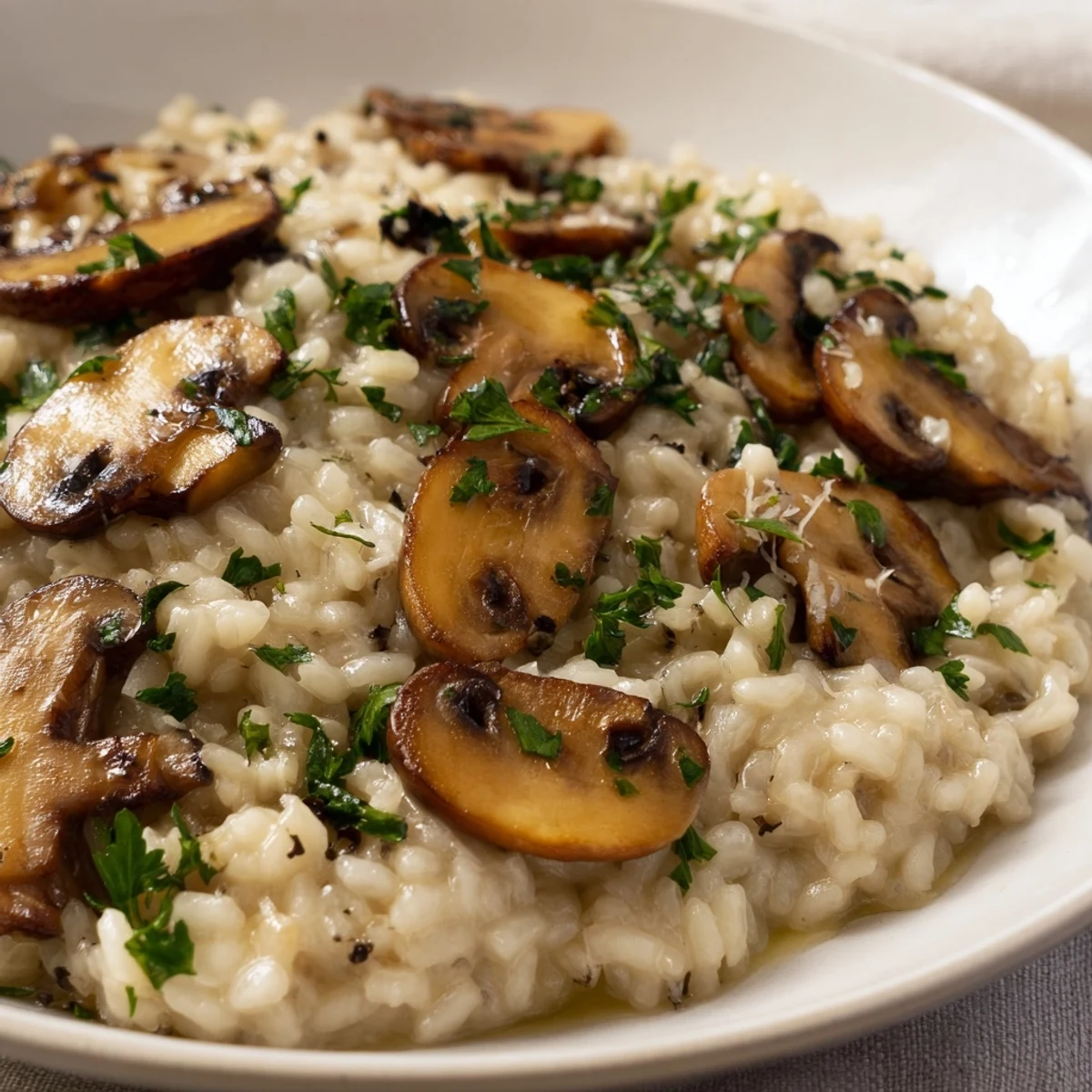
Save This dish features Arborio rice cooked with sautéed cremini mushrooms, garlic, and onions to create a luscious texture. White wine and warm vegetable broth are gradually incorporated, resulting in a creamy consistency. A finishing touch of Parmesan, heavy cream, and a drizzle of fragrant truffle oil elevates the flavors, garnished with fresh parsley and reserved mushrooms. Perfectly seasoned and rich, it offers a satisfying and elegant meal.
I didn't grow up eating risotto, but the first time I watched someone make it properly, I couldn't look away. The constant stirring, the slow rhythm of adding broth, the way the rice swelled into something silky and alive. When I finally tried making mushroom risotto at home, I burned the garlic twice before I learned to trust the heat.
I made this for my sister on a cold March evening when she needed comfort more than conversation. We sat at the table with bowls too full, scraping up every creamy bit, and she said it tasted like a hug. I've made it a dozen times since, and it still feels that way.
Ingredients
- Arborio rice: The short, starchy grains are what make risotto creamy without adding flour or thickeners, so don't swap it for long-grain rice.
- Vegetable broth: Keep it warm on a back burner so the rice doesn't seize up when you add cold liquid.
- Olive oil and unsalted butter: The combo gives you richness and a silky mouthfeel without feeling heavy.
- Yellow onion and garlic: Finely chop the onion so it melts into the rice, and don't let the garlic brown or it'll taste bitter.
- Cremini or mixed mushrooms: Slice them evenly so they cook at the same rate and get that deep caramelized edge.
- Dry white wine: It adds brightness and cuts through the cream, something like Pinot Grigio or Sauvignon Blanc works perfectly.
- Parmesan cheese: Freshly grated melts smoother and tastes sharper than the pre-shredded kind.
- Heavy cream: Just a splash makes the risotto glossy and ties everything together.
- Truffle oil: A little goes a long way, drizzle it at the end so the aroma doesn't cook off.
- Fresh parsley: It adds a pop of color and a hint of freshness that balances the richness.
Instructions
- Start with the aromatics:
- Heat the olive oil and 1 tablespoon butter in a large skillet over medium heat, then add the onions and let them soften for 3 to 4 minutes until they turn translucent and sweet. Stir in the garlic and cook for just 1 minute, you'll smell it before it starts to color.
- Cook the mushrooms:
- Add the sliced mushrooms with a pinch of salt and pepper, and let them cook without stirring too much so they get golden and caramelized, about 6 to 8 minutes. Transfer half of them to a bowl and set aside for garnish later.
- Toast the rice:
- Add the Arborio rice to the skillet and stir constantly for 1 to 2 minutes until the edges of the grains turn translucent and smell faintly nutty. This step helps the rice hold its shape and absorb the broth evenly.
- Deglaze with wine:
- Pour in the white wine and stir until it's completely absorbed, scraping up any browned bits from the bottom of the pan.
- Add the broth slowly:
- Ladle in the warm broth one scoop at a time, stirring often and waiting until each addition is absorbed before adding the next. Keep going for 18 to 22 minutes until the rice is creamy, tender, and just slightly firm in the center.
- Finish with richness:
- Stir in the remaining butter, Parmesan, heavy cream, and parsley, then taste and adjust the salt and pepper. The risotto should be loose enough to spread slightly on the plate.
- Drizzle and serve:
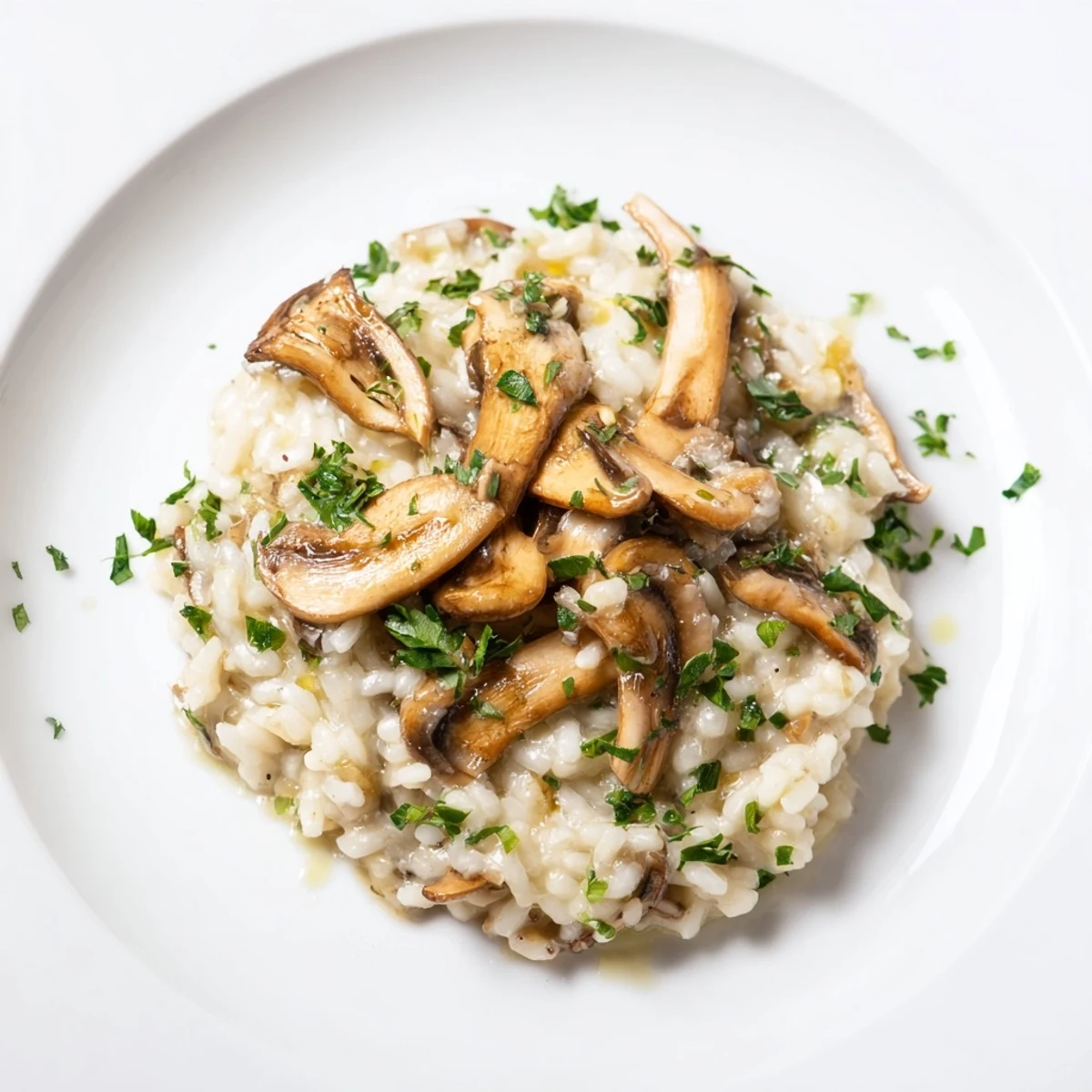
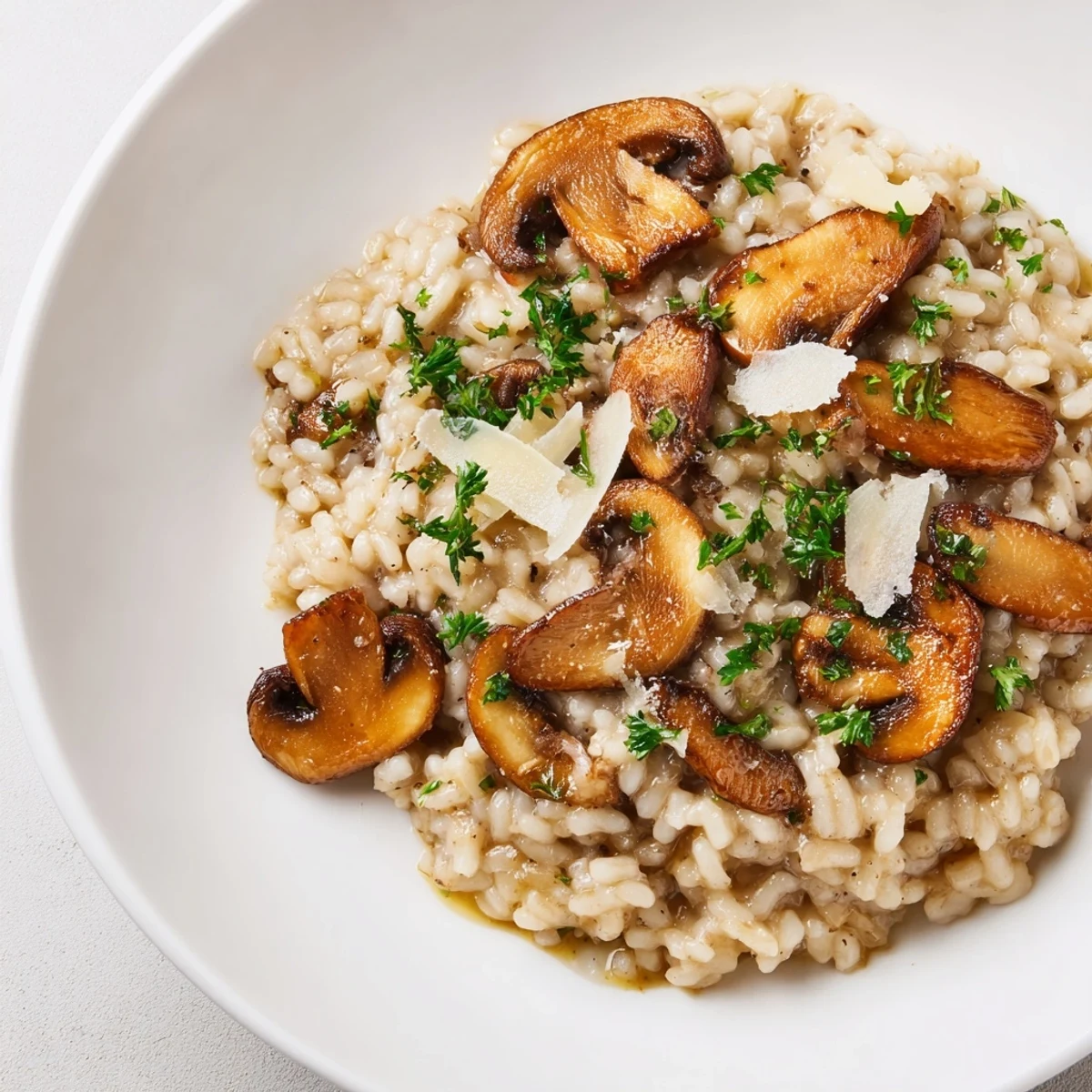
- Remove the pan from the heat, drizzle with truffle oil, and fold it in gently so the aroma stays bright. Serve immediately, topped with the reserved mushrooms, extra Parmesan, and a sprinkle of parsley.
 Save
Save The first time I nailed this, I stood over the stove with a glass of wine in one hand and a wooden spoon in the other, stirring in slow circles while the kitchen filled with the smell of garlic and mushrooms. My partner walked in, tasted a spoonful, and said we should make it every week. We don't, but every time we do, it feels like a small celebration.
How to Store and Reheat
Risotto is best eaten fresh, but leftovers can be stored in an airtight container in the fridge for up to 2 days. Reheat gently on the stovetop with a splash of broth or water, stirring constantly to bring back the creamy texture. Don't microwave it unless you're okay with it turning gummy and sad.
Variations You Can Try
Swap the mushrooms for roasted butternut squash and sage for a fall version, or stir in cooked shrimp and lemon zest for something brighter. I've also made this with leftover roasted chicken and peas when I needed to use up what was in the fridge. The method stays the same, the flavor just shifts with whatever you fold in at the end.
What to Serve It With
This risotto is rich enough to stand alone, but I like serving it with a simple arugula salad dressed in lemon and olive oil to cut through the creaminess. A crusty baguette on the side is perfect for soaking up any extra sauce left in the bowl.
- Pair with a crisp white wine like Pinot Grigio or Chardonnay.
- Serve alongside roasted asparagus or green beans for a full meal.
- Top with a fried egg for breakfast the next morning if you have leftovers.
 Save
Save This dish taught me that good food doesn't have to be complicated, it just has to be made with attention. I hope it fills your kitchen with warmth the way it does mine.
Common Recipe Questions
- → What type of rice is best for this dish?
-
Arborio rice is ideal due to its high starch content, which creates the creamy consistency essential for this style of cooking.
- → How do I achieve the perfect creamy texture?
-
Slowly adding warm broth one ladle at a time while stirring frequently allows the rice to release starch and cook evenly, resulting in a velvety texture.
- → Can I substitute the mushrooms used here?
-
Using a mix of wild mushrooms or cremini mushrooms works well, enhancing the earthy flavor profile of the dish.
- → What role does truffle oil play?
-
Truffle oil adds a fragrant and indulgent aroma that complements the earthiness of the mushrooms without overpowering other flavors.
- → Is it necessary to use white wine in the cooking process?
-
White wine adds acidity and depth to the dish; however, you may omit it or replace with an equal amount of broth if preferred.