
 Save
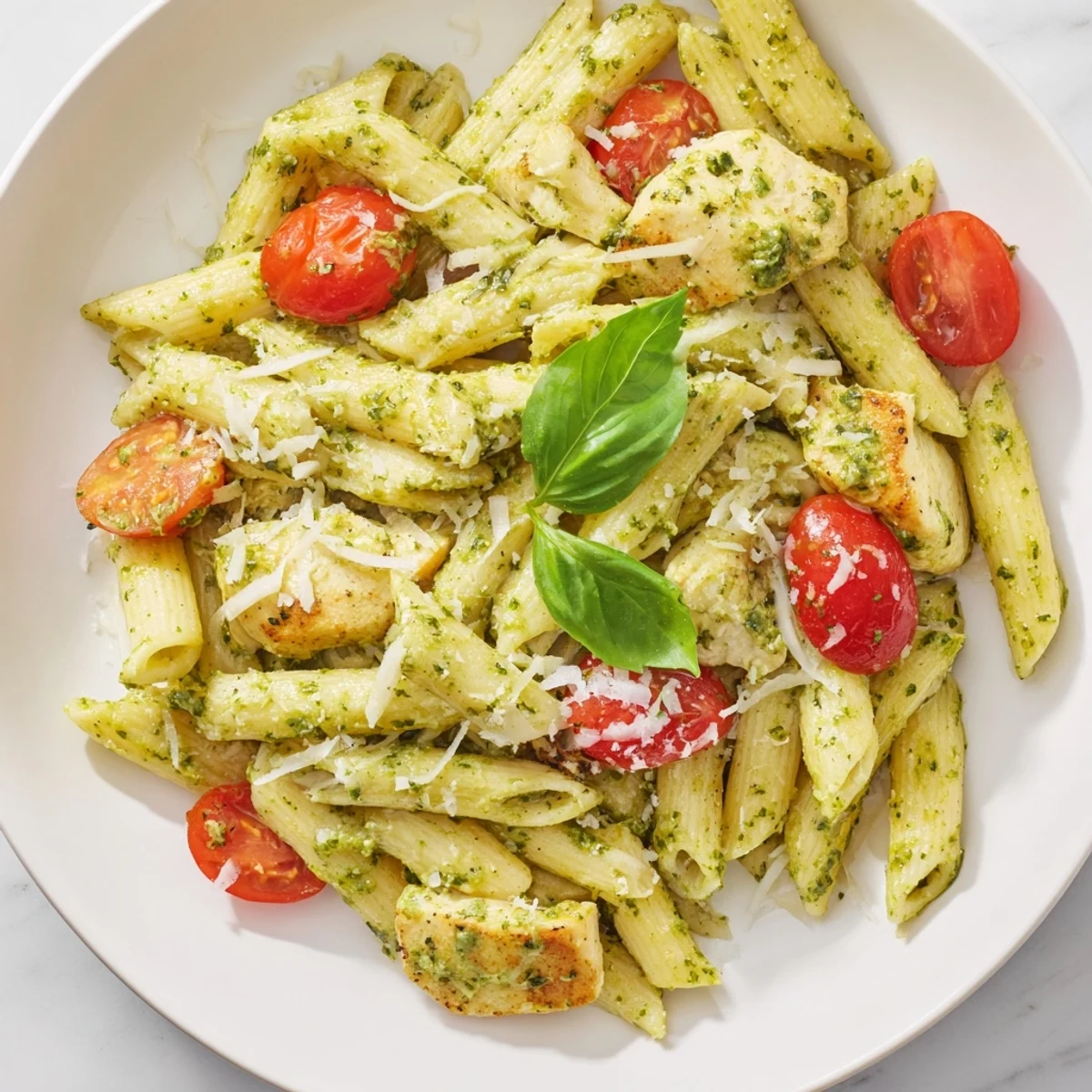
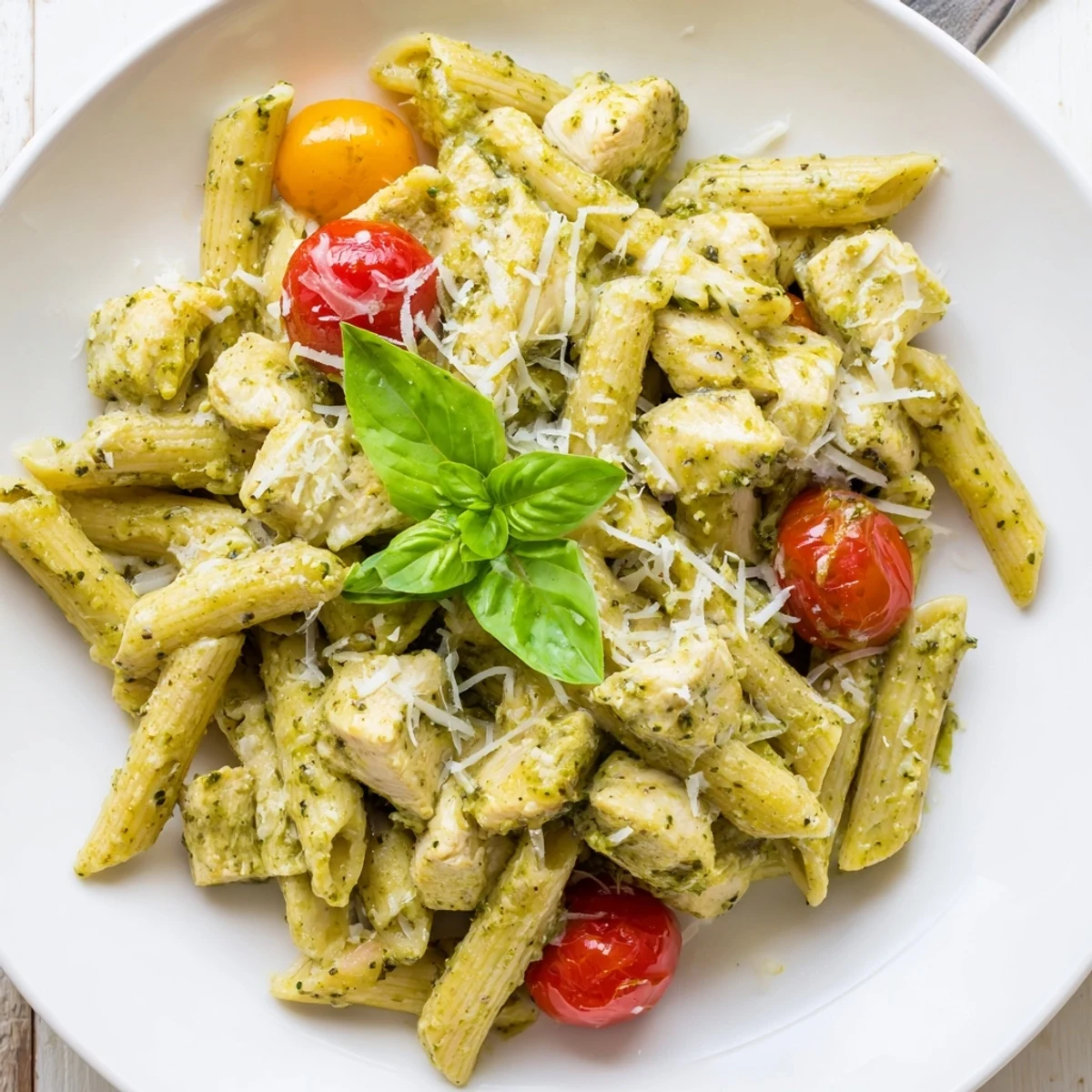
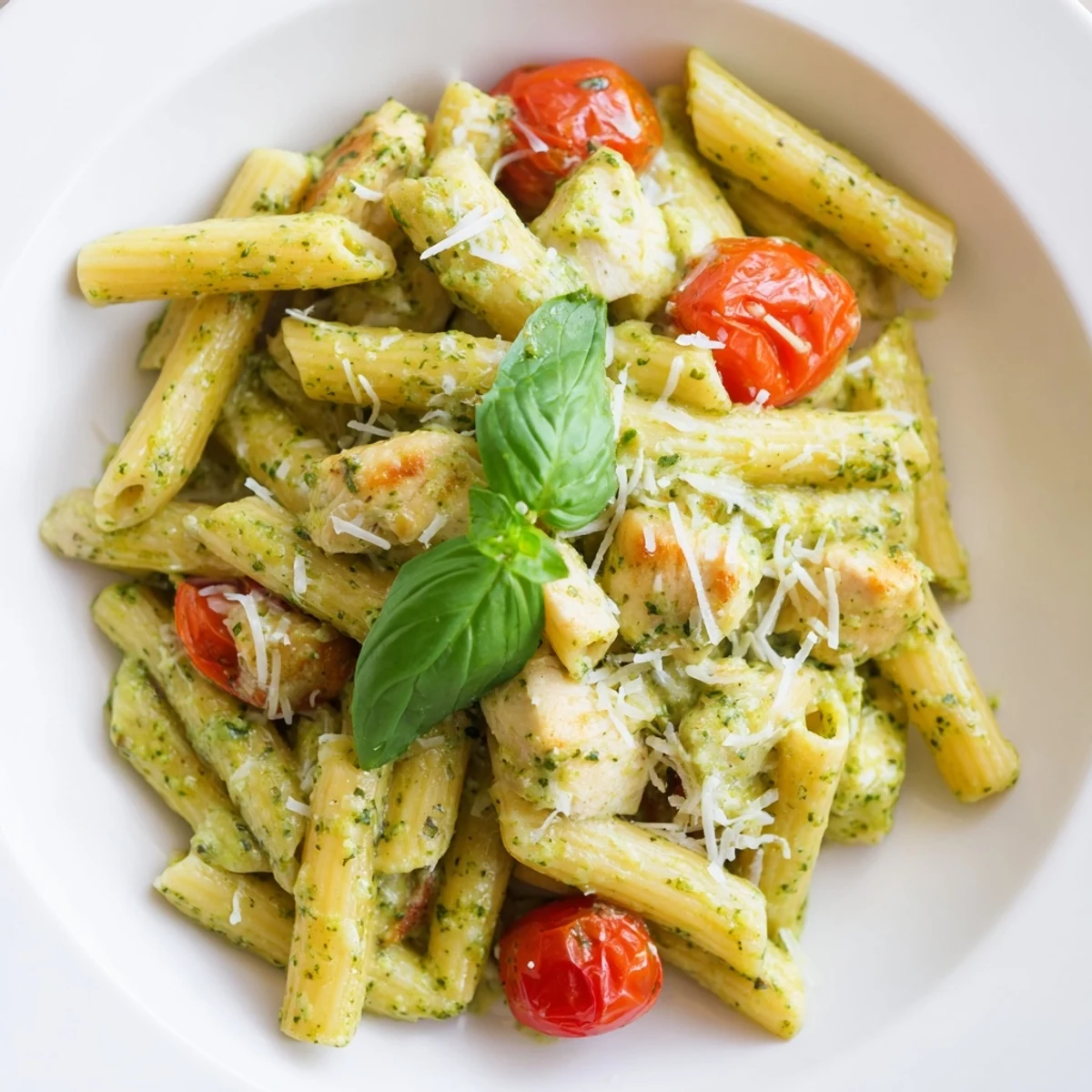
Save This creamy pesto chicken pasta combines tender bite-sized chicken pieces with perfectly cooked penne or fettuccine, all coated in a luxurious sauce made with heavy cream, basil pesto, and freshly grated Parmesan cheese. Ready in just 40 minutes, this comforting dish delivers restaurant-quality flavors with minimal effort. The garlic-infused cream sauce perfectly balances the herbal brightness of pesto, while optional cherry tomatoes add a burst of freshness. Serve immediately for a satisfying meal that pairs beautifully with crisp white wine.
The first time I made this on a Tuesday evening after a particularly brutal day at work, I wasn't expecting much. I stood in my tiny apartment kitchen, watching the cream sauce bubble and thinking comfort food should probably take longer than twenty minutes. But when I took that first bite, something clicked. This wasn't just dinner, it was the kind of creamy, herb-filled magic that makes you believe in easier days.
I served this to my skeptical brother who claimed he hated pesto anything. He took three helpings and asked for the recipe before even leaving the table. There is something deeply satisfying about watching someone change their mind about food, especially when the recipe is this unfussy to pull together on a random weeknight.
Ingredients
- 350 g penne or fettuccine pasta: The curves in penne catch the sauce perfectly, but fettuccine gives you those luxurious twirls. Whole wheat works too if you are watching your refined carb intake.
- 2 large chicken breasts: Cutting the chicken into bite sized pieces before cooking means it cooks faster and every mouthful gets some tender protein.
- 2 tbsp olive oil: This gives you a higher smoke point for searing the chicken properly, creating those golden edges that add so much flavor.
- 2 tbsp unsalted butter: The butter adds richness that you just cannot get from oil alone. Unsalted lets you control the seasoning exactly.
- 3 cloves garlic, minced: Fresh garlic is non negotiable here. The jarred stuff never quite melts into sauce the same way.
- 1 cup heavy cream: This creates the luxurious base for your pesto sauce. I have tried half and half and it just does not give you that restaurant quality velvety texture.
- 1/3 cup basil pesto: Homemade is fantastic, but a good store bought jar works perfectly. Just check the ingredients list and avoid anything with too many fillers.
- 1/3 cup freshly grated Parmesan cheese: The pre grated stuff has anti caking agents that prevent smooth melting. Fresh from the block makes all the difference in sauce texture.
- 1/2 cup cherry tomatoes, halved: These add little bursts of acidity that cut through all that rich cream. Completely optional if you want pure unadulterated comfort.
- Salt and freshly ground black pepper: Season each component as you go. The chicken needs salt before searing, the pasta water needs salt for flavor absorption, and the final dish needs that last adjustment.
- Fresh basil leaves: These add a pop of color and freshness that makes the whole dish look like you put way more effort into it than you actually did.
Instructions
- Cook the pasta:
- Drop your pasta into a large pot of generously salted boiling water and cook until it still has a slight bite to it. That al dente texture is crucial because the pasta will finish cooking in the sauce later. Reserve about half a cup of the starchy pasta water before draining.
- Sear the chicken:
- Heat olive oil in a large skillet over medium high heat until it shimmers. Add your seasoned chicken pieces in a single layer and let them develop a golden crust before flipping, about 6 to 8 minutes total. Transfer to a plate and resist the urge to crowd the pan.
- Build the aromatics:
- Drop the heat to medium and melt that butter in the same skillet. Toss in the minced garlic and stir for just one minute until it becomes fragrant. Do not let it brown or it will turn bitter on you.
- Create the sauce:
- Pour in the heavy cream and bring it to a gentle bubble. Stir in your pesto and Parmesan, letting the cheese melt completely until the sauce transforms into something smooth and glossy.
- Bring it together:
- Return the chicken to the skillet and add your drained pasta along with those cherry tomatoes if you are using them. Toss everything together until the sauce coats each piece. Add splashes of that reserved pasta water if the sauce looks too thick.
- Season and serve:
- Taste your creation and adjust with more salt and pepper as needed. Serve immediately while the cheese is still molten and the sauce is at its most luxurious.
 Save
Save This recipe has become my default for those nights when friends show up unexpectedly and I need to feed something that feels special without actually requiring any real effort. There is a quiet confidence in knowing you can pull something this delicious together in under forty minutes flat.
Making It Your Own
I have swapped chicken for shrimp and it works beautifully, just cook them for 2 to 3 minutes per side instead. The pesto cream sauce is versatile enough that you could even go completely vegetarian and nobody would notice the missing protein if you add some roasted vegetables.
The Perfect Pasta Water
Your pasta water should taste like a well seasoned soup, not just salted water. That salty, starchy liquid is what helps your sauce cling to every strand of pasta and gives homemade pasta dishes that professional finish you get in good restaurants.
Timing Is Everything
Start your water before you prep anything else. Having the pasta water ready to go means you can drop the pasta at the exact moment your sauce comes together, ensuring everything finishes cooking at the same time. Nothing worse than perfectly cooked pasta sitting in a colander while your sauce still needs work.
- Mince your garlic while waiting for the water to boil
- Cut your chicken into even sized pieces so they cook uniformly
- Have all ingredients measured and ready before you turn on the stove
 Save
Save Sometimes the simplest recipes are the ones that stick around the longest, and this creamy pesto pasta has earned its permanent place in my weeknight rotation. Good food does not need to be complicated, it just needs to be made with a little care.
Common Recipe Questions
- → Can I make this creamy pesto chicken pasta ahead of time?
-
Yes, you can prepare the components ahead. Cook the pasta and chicken separately, then store in airtight containers in the refrigerator for up to 2 days. Reheat gently with a splash of cream or pasta water to restore the sauce's creamy texture before serving.
- → What type of pasta works best for this dish?
-
Penne and fettuccine both work wonderfully. Penne's ridges catch the creamy sauce beautifully, while fettuccine's flat surface provides elegant coating. Other short pasta like rotini or farfalle also work well. Choose high-quality durum wheat pasta for the best texture.
- → Can I use store-bought pesto instead of homemade?
-
Absolutely. Store-bought basil pesto works perfectly and saves time. Look for brands with simple ingredients and vibrant green color. If you prefer homemade, blend fresh basil, pine nuts, garlic, Parmesan, and olive oil. Both options deliver delicious results in this creamy sauce.
- → How can I make this dish lighter?
-
Substitute half-and-half for heavy cream, or use whole milk with a tablespoon of cornstarch to maintain thickness. You can also reduce the amount of Parmesan cheese or use a lighter pesto version with more basil and fewer nuts. The dish remains satisfying with these modifications.
- → What proteins can I substitute for chicken?
-
Shrimp works beautifully and cooks even faster—sauté for 2-3 minutes until pink. For vegetarian options, use cannellini beans, chickpeas, or sautéed mushrooms. Crispy pancetta or prosciutto add savory depth. Each alternative maintains the dish's comforting character while offering variety.
- → Why is my sauce too thick or too thin?
-
If too thick, add reserved pasta water one tablespoon at a time until desired consistency. If too thin, simmer gently for 2-3 minutes to reduce. The sauce naturally thickens as it cools and the pasta absorbs liquid. Start with less pasta water and add gradually for best control.