
 Save
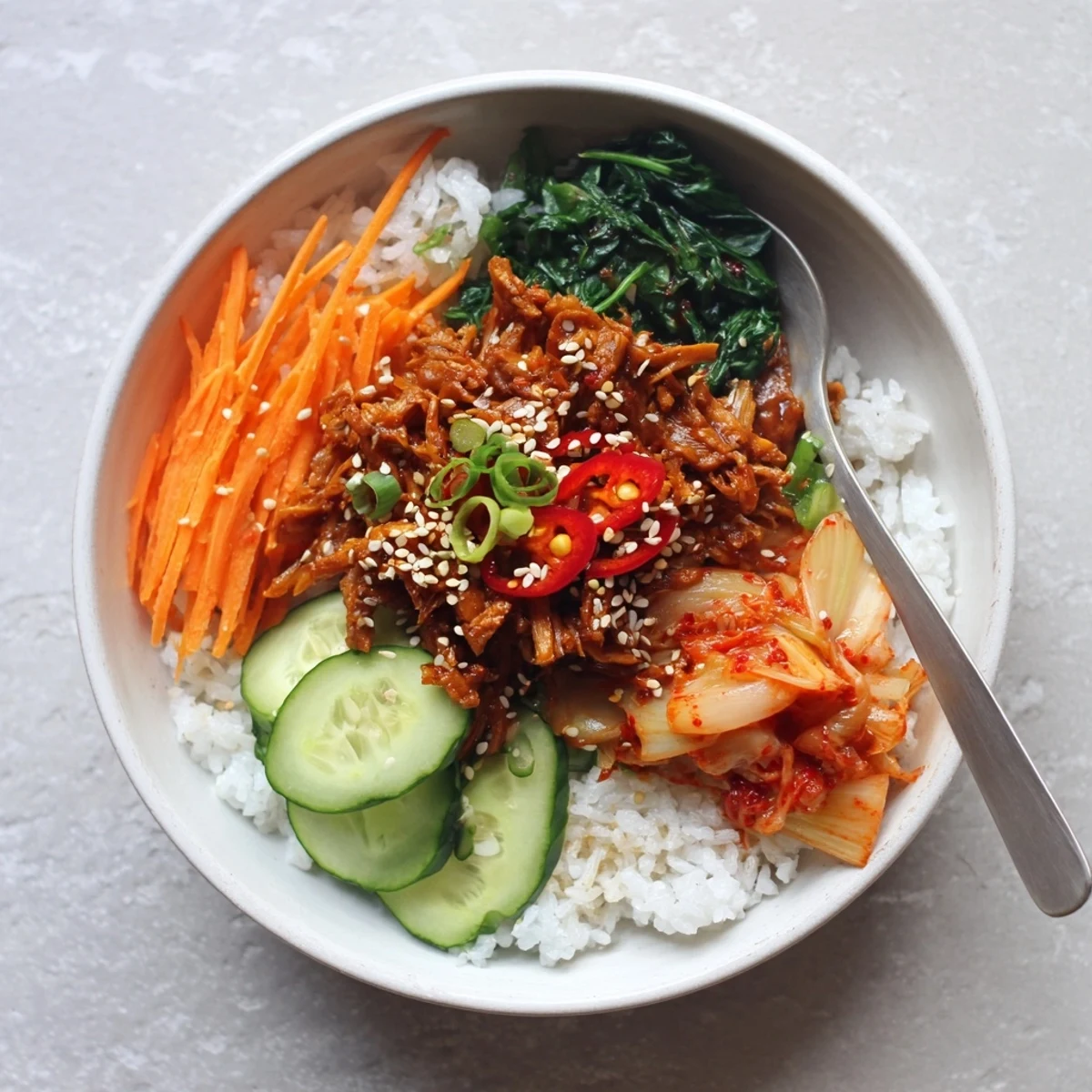
Save Crispy shredded tofu gets tossed in a rich, sweet-and-savory bulgogi sauce made with soy sauce, brown sugar, sesame oil, garlic, and ginger, then served over fluffy short-grain rice alongside julienned carrot, sliced cucumber, sautéed spinach, and optional kimchi. Ready in 40 minutes, this Korean-inspired bowl delivers deep umami flavor and satisfying crunch in every bite. Swap in brown rice or cauliflower rice, add sautéed mushrooms or avocado, and use tamari to keep it gluten-free.
The smell of gochujang hitting a hot skillet still makes my whole apartment feel like a tiny restaurant in Seoul, even though I have never actually been there. I stumbled on this combo one rainy Tuesday when I was too broke for takeout and had nothing but a block of tofu and a near-empty soy sauce bottle. Shredding the tofu instead of slicing it changed everything, giving it this wild texture that actually holds sauce the way pulled pork does.
I made this for my roommate who swore she hated tofu, and she went back for thirds without saying a word. That silence was louder than any compliment.
Ingredients
- Extra-firm tofu: Pressing it is nonnegotiable because wet tofu will steam instead of crisp no matter how hot your oven gets
- Cornstarch: This is what creates that shatteringly crunchy exterior that makes people forget they are eating soybeans
- Neutral oil: Sunflower or canola works best because it will not compete with the sesame and gochujang flavors
- Soy sauce: The salty backbone of the whole bowl, and tamari swaps in easily if gluten is a concern
- Brown sugar: Balances the salty soy and adds that caramelized edge that defines real bulgogi
- Mirin: Rice vinegar works in a pinch but mirin brings a subtle sweetness you can really taste
- Sesame oil: Just one tablespoon turns a basic sauce into something that smells like it came from a proper kitchen
- Gochujang: Optional for heat but honestly it rounds out the sauce in a way sriracha just cannot replicate
- Fresh ginger and garlic: Use the real stuff because jarred versions taste flat next to everything else happening here
- Short-grain white rice: Its stickiness is what holds the whole bowl together when you mix everything up
- Carrot and cucumber: They provide a cool crunch that cuts through the rich saucy tofu beautifully
- Sautéed spinach: A quick blanch with a drop of sesame oil makes it feel intentional rather than like an afterthought
- Kimchi: Even a small spoonful adds fermentation tang that wakes up every single bite
Instructions
- Get the tofu ready:
- Shred the pressed tofu with your hands or a fork into rough pulled pieces, then toss in cornstarch until every strand has a dusty coating.
- Crisp it up:
- Spread on a parchment-lined tray, drizzle with oil, and bake at 220°C for 25 to 30 minutes, tossing halfway until golden and crunchy all over.
- Whisk the bulgogi sauce:
- Combine soy sauce, brown sugar, mirin, sesame oil, minced garlic, grated ginger, gochujang, sesame seeds, and chopped green onion in a bowl until the sugar dissolves.
- Prep the veggies and rice:
- Blanch the spinach with a pinch of salt and sesame oil, julienne the carrot, slice the cucumber, and divide warm rice into bowls.
- Bring it all together:
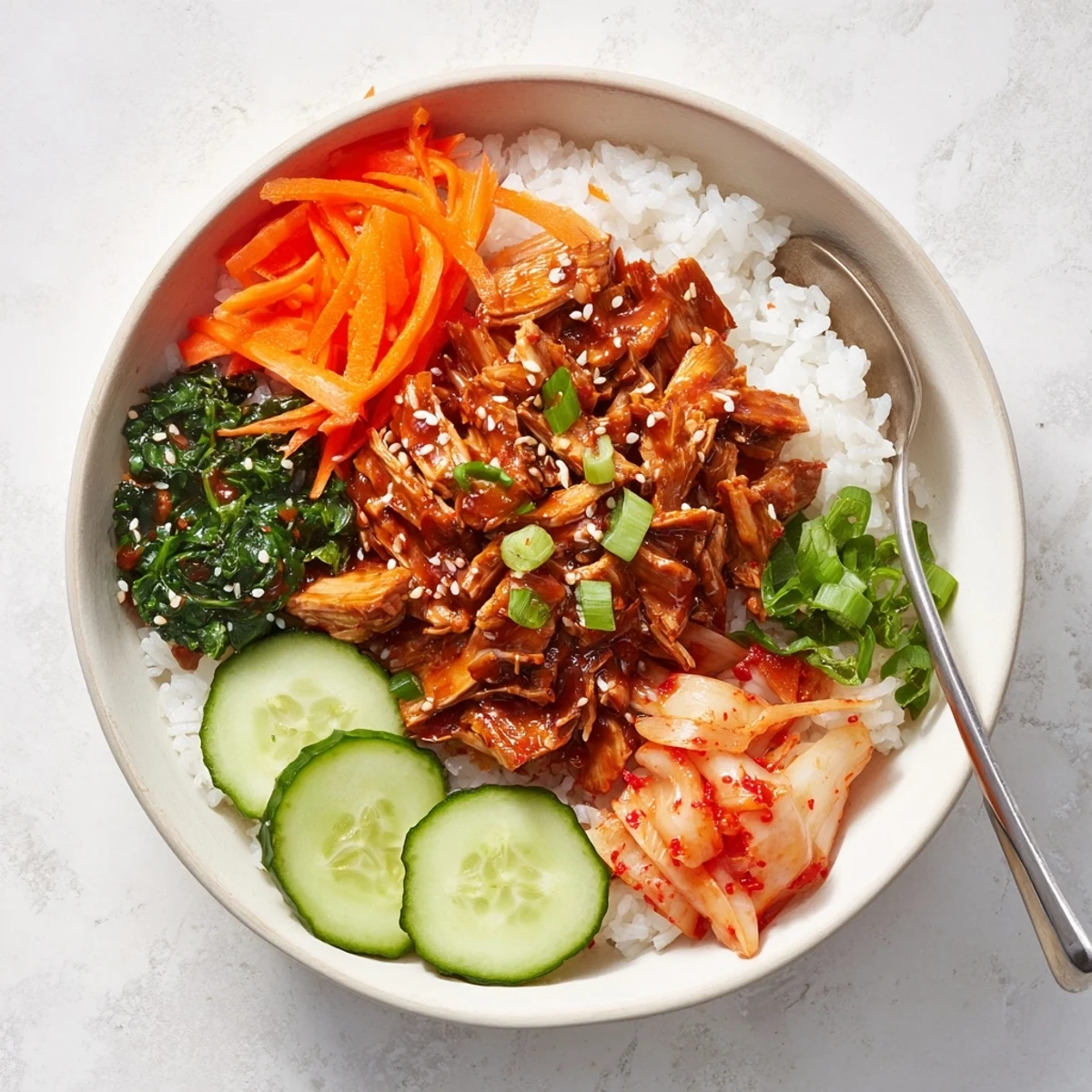
- Toss the hot crispy tofu directly into the bulgogi sauce, then pile it onto the rice with all your veggies and toppings.
 Save
Save My partner started requesting this every Monday night and now it has become this quiet ritual neither of us wants to break. Food becomes routine in the best way when it makes you feel that taken care of.
Making It Your Own
I have tried cauliflower rice and quinoa as bases and while they work fine, nothing matches the way short-grain rice soaks up that sauce at the bottom of the bowl. Brown rice adds nice chew if you want more fiber without losing the soul of the dish.
Getting That Perfect Crisp
Pan-frying in batches gives you more control over the color and crunch than the oven does, but you have to resist the urge to move the tofu around too much. Let it sit undisturbed for a couple minutes on each side and it will develop that deep golden crust that makes the texture sing.
Serving And Storing
This bowl does not sit well once assembled because the tofu softens as it waits, so serve it right away for the full experience. Leftover components keep separately in the fridge for a solid two days.
- Reheat tofu in a dry skillet to bring back some of the crunch
- Keep sauce in its own container so you can dress leftovers fresh
- A chilled glass of Korean barley tea alongside this feels almost mandatory
 Save
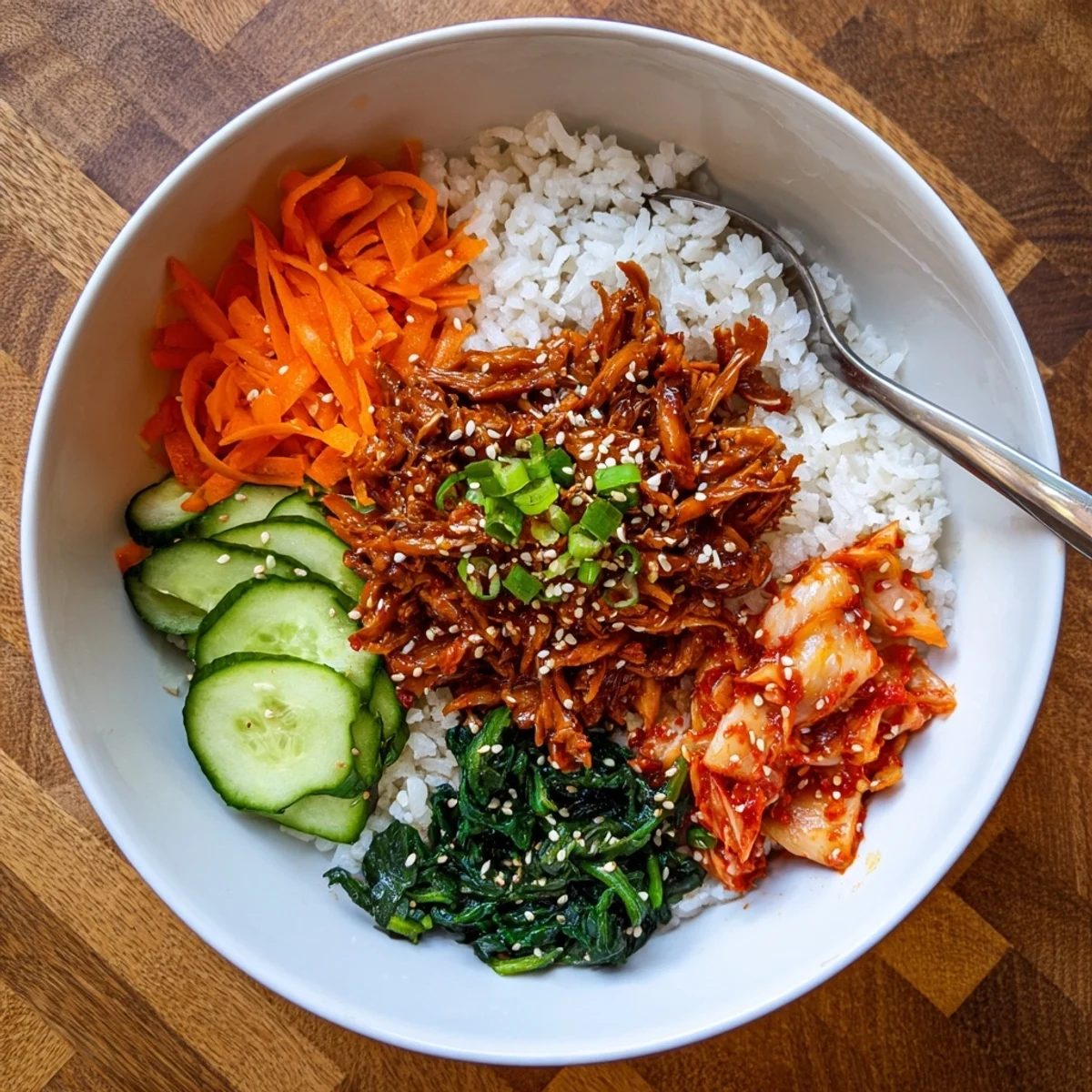
Save This bowl started as a broke-night improvisation and turned into the recipe I make for people I actually care about. Sometimes the best meals are the ones you never planned.
Common Recipe Questions
- → How do I get the tofu really crispy?
-
Press and drain the tofu thoroughly, shred it into small pieces, toss with cornstarch, and bake at 220°C (425°F) for 25–30 minutes, tossing halfway through. Pan-frying in batches in a hot skillet works too.
- → Can I make this bowl gluten-free?
-
Yes—swap soy sauce for gluten-free tamari and verify that your gochujang is gluten-free. Most other ingredients are naturally gluten-free.
- → What can I substitute for gochujang?
-
Sriracha or a mild chili paste works as a substitute. You'll lose some of the fermented depth gochujang brings, but the heat and color will still come through.
- → Can I prepare the bulgogi sauce ahead of time?
-
Absolutely. Whisk all sauce ingredients together and store in an airtight container in the fridge for up to 4 days. Toss with freshly crisped tofu when ready to serve.
- → What other toppings work well in this bowl?
-
Sautéed mushrooms, bean sprouts, avocado, pickled radish, or a soft fried egg (if not keeping it vegan) all complement the flavors nicely.
- → How should I store leftovers?
-
Keep tofu, rice, and veggies in separate airtight containers in the fridge for up to 3 days. Reheat tofu in a hot oven or air fryer to restore crispiness before assembling.