
 Save
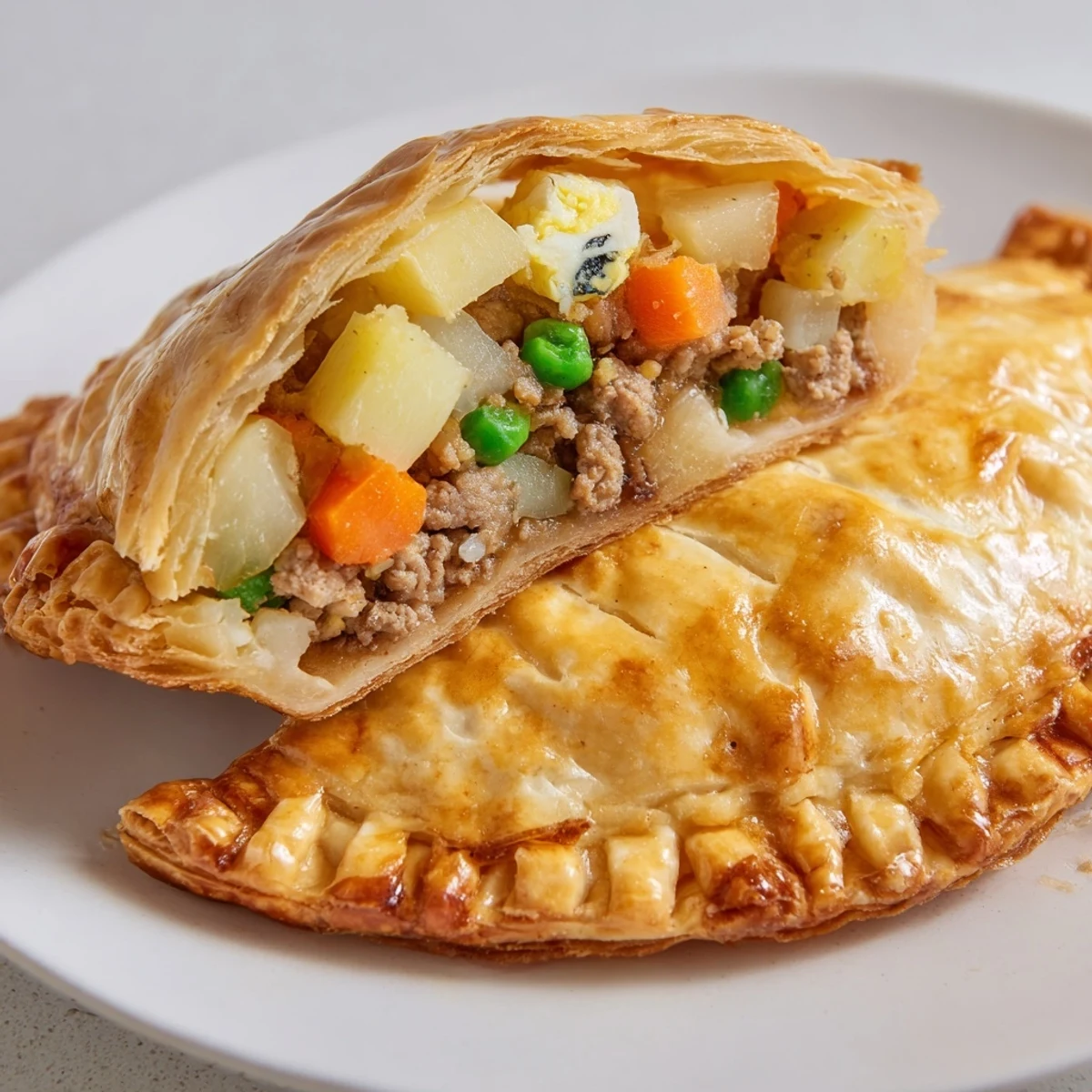
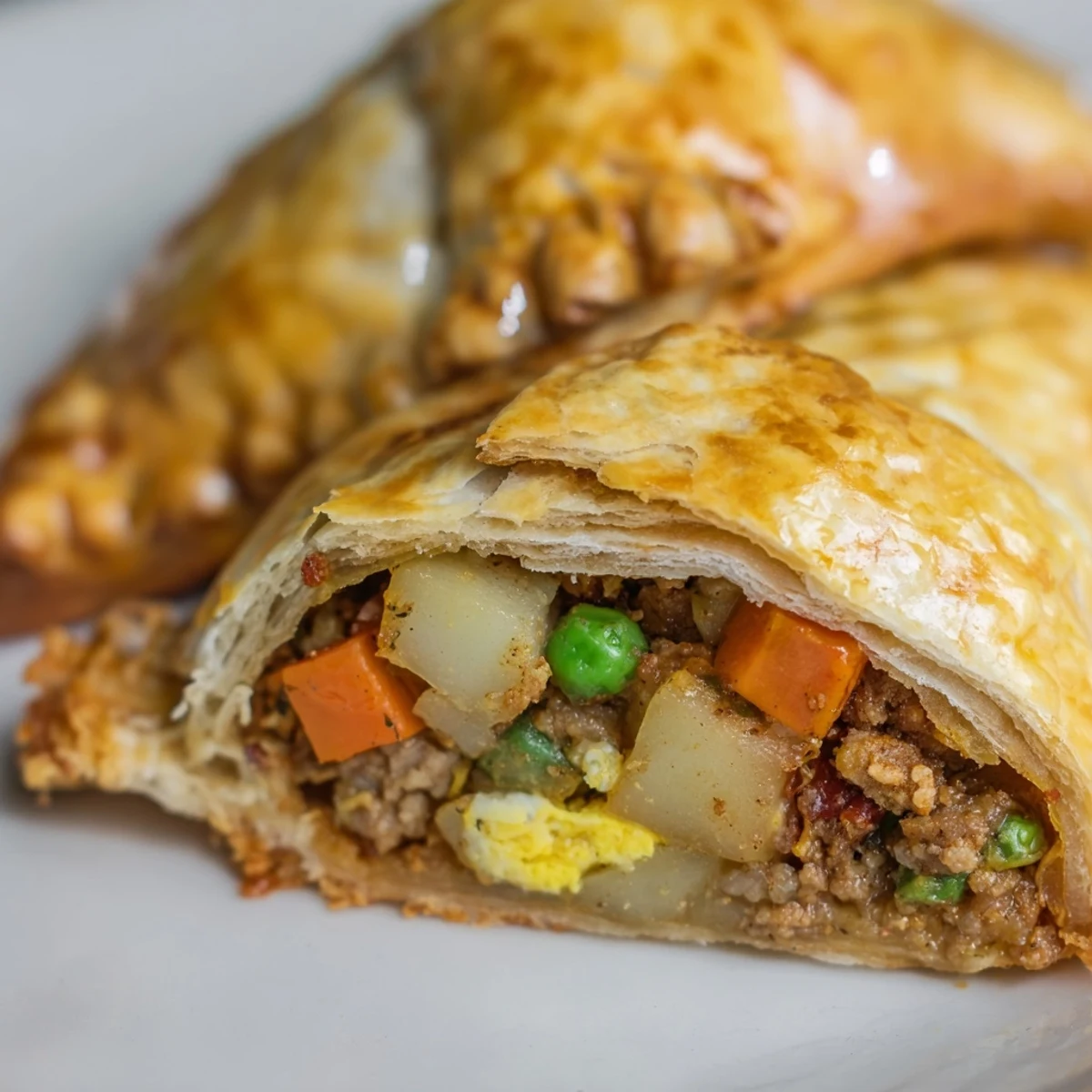
Save These Filipino-style stuffed pastries feature a flaky, buttery crust enveloping a hearty filling of seasoned ground meat, diced vegetables, and aromatic spices. Each golden pocket delivers a satisfying blend of textures—crisp exterior giving way to tender, flavorful interior. The filling combines ground pork or beef with potatoes, carrots, green peas, and raisins for a balance of savory and subtle sweetness. Traditional seasonings like soy sauce, oyster sauce, and garlic infuse the mixture with authentic Filipino flavors. Perfect for entertaining, lunchboxes, or as a crowd-pleasing appetizer at gatherings.
The rain was drumming against my kitchen window the afternoon I finally got the courage to try my lola's empanada recipe. I'd been watching her make these golden pockets since I was tall enough to reach the counter, but somehow the dough always seemed like magic in her hands. My first attempt was a disaster—shrunken, sad little things with filling leaking everywhere—but my family ate them anyway, laughing between bites. That's when I learned empanadas forgive almost anything if you fold them with love.
Last Christmas, I made sixty of these for our family gathering and my teenage cousin actually stopped playing on his phone to ask for the recipe. There's something about warm empanadas appearing from the kitchen that pulls everyone to the table like a dinner bell.
Ingredients
- All-purpose flour: The structure for everything—don't use cake flour or your dough will be too tender
- Cold unsalted butter: Cold is non-negotiable here, it creates those flaky layers everyone loves
- Ground pork or beef: Pork gives more richness but beef works beautifully if that's what you prefer
- Potatoes and carrots: These absorb all the flavorful juices and become little tender gems in every bite
- Raisins: I know some people skip these but they're traditional and add this gorgeous sweetness that balances the soy
- Hard-boiled eggs: They add creaminess and make the filling feel more substantial
Instructions
- Make your dough first:
- Combine flour salt and sugar in a large bowl then cut in cold butter until everything looks like coarse crumbs. Add the egg and cold water mixing until dough forms then knead briefly shape into a disc and wrap it up. This needs to chill for at least 30 minutes so plan ahead.
- Cook the filling:
- Heat oil in a skillet and sauté onion and garlic until you can smell them throughout the house. Brown your meat then stir in potato carrot peas and raisins cooking about 5 minutes. Add soy sauce oyster sauce pepper salt and paprika mixing until vegetables are tender. Remove from heat and fold in chopped hard-boiled eggs—this filling must cool before you start stuffing.
- Roll and fill:
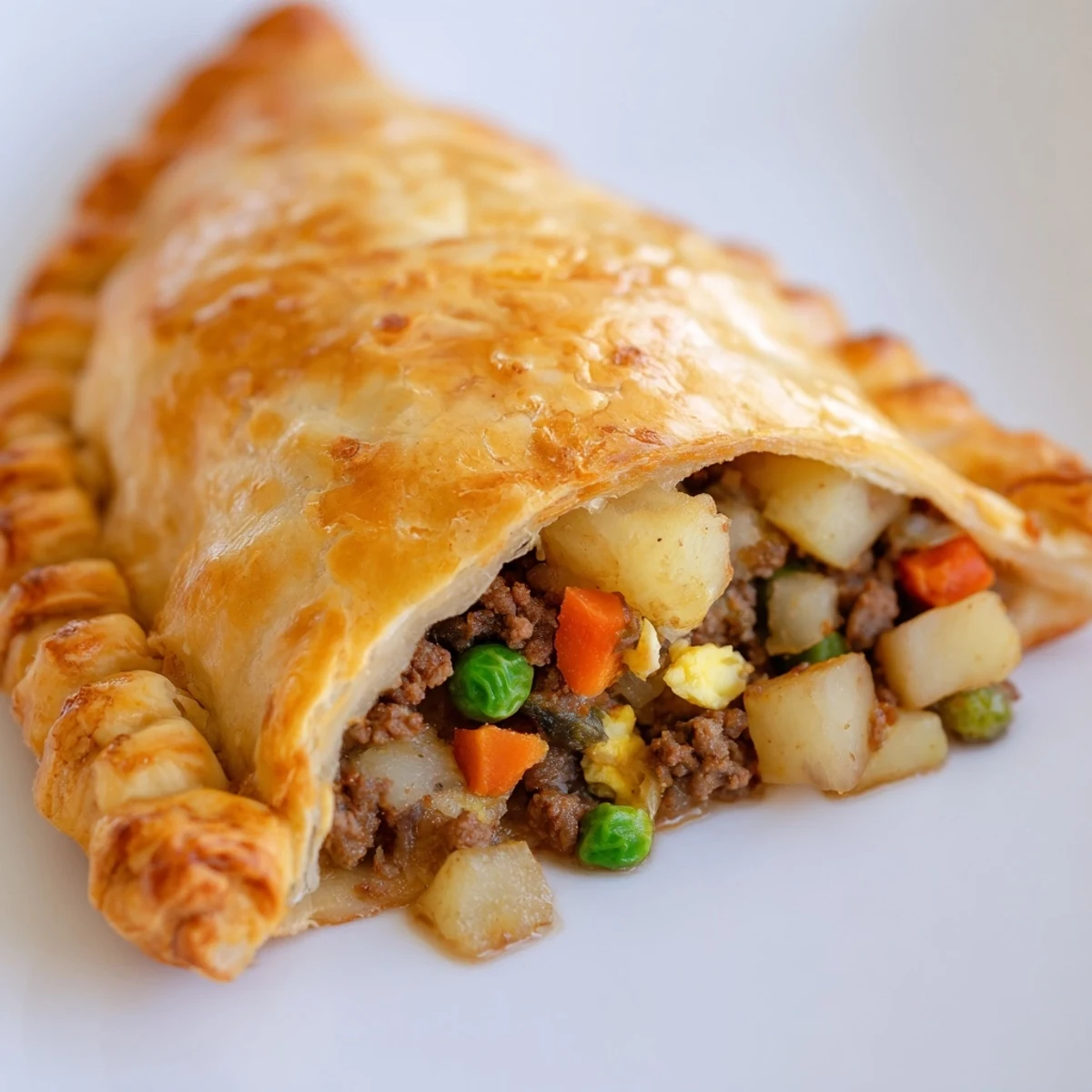
- Roll your chilled dough to about 1/8 inch thickness and cut into 5 inch rounds. Place about 2 tablespoons of filling on each round fold into a half moon and seal edges tight with a fork. If baking brush with beaten egg for that gorgeous golden finish.
- Cook them up:
- Bake at 375°F for 20 to 25 minutes until deeply golden or fry in oil at 350°F for 2 to 3 minutes per side. The baked ones are lighter while fried gives you that irresistible crunch.
 Save
Save My niece now requests these for every birthday and when I see her little face light up pulling that first steaming empanada from the serving plate I remember why I bothered learning to make dough from scratch.
Freezing Made Simple
I always double this recipe because empanadas freeze incredibly well. After assembling freeze them uncovered on a baking sheet until firm then transfer to a bag. They can go straight from freezer to oven just add a few minutes to the baking time.
Baking Versus Frying
After years of making both I've learned that baking produces a lighter more pastry-like result while frying gives that irresistible crunch. My lola always fried hers but I bake now for everyday and save frying for special occasions.
The Dipping Sauce Question
Spicy vinegar is traditional and cuts through the richness beautifully but I've also served these with banana ketchup garlic aioli and even sweet chili sauce depending on what's in the fridge.
- Mix cane vinegar with minced garlic and chilies letting it sit while empanadas cook
- Banana ketchup adds this sweet tangy element kids seem to love
- A simple sour cream and herb dip works if you want something cool and creamy
 Save
Save Whether it's rainy afternoon comfort or party food that disappears in minutes these empanadas have become my go-to for feeding people I love.
Common Recipe Questions
- → What makes these different from Latin American empanadas?
-
Filipino versions typically include raisins for subtle sweetness, use soy and oyster sauce for umami depth, and often feature chopped hard-boiled eggs in the filling. The seasoning profile leans more toward Asian-inspired flavors rather than Latin spices like cumin or paprika.
- → Can I make these ahead of time?
-
Absolutely. Prepare the filling up to 2 days in advance and refrigerate. The dough can be made a day ahead and kept chilled. You can also assemble and freeze uncooked pastries for up to 3 months—bake or fry straight from frozen, adding a few extra minutes to cooking time.
- → Which is better: baking or frying?
-
Both methods yield delicious results. Baking produces a lighter, flaky crust with less oil and is easier for large batches. Frying creates an ultra-crisp exterior with classic street-food texture. Choose baking for a lighter version, frying for authentic crunch.
- → What dipping sauces pair well?
-
Spiced vinegar (sukang sawsawan) with chilies and garlic is the traditional accompaniment. Banana ketchup offers sweet-tangy contrast. For fusion options, try garlic aioli, sweet chili sauce, or a simple mixture of soy sauce with calamansi or lemon juice.
- → Can I make these vegetarian?
-
Yes. Replace ground meat with plant-based crumbles, mashed tofu, or additional vegetables like mushrooms and bell peppers. Increase soy sauce and add mushroom seasoning or vegetarian fish sauce to maintain depth of flavor.
- → Why is my dough shrinking when I roll it out?
-
This typically happens when the dough is too cold or has been overworked. Let it sit at room temperature for 5-10 minutes before rolling. Use gentle, even pressure and avoid rolling back and forth repeatedly. If still problematic, let the dough rest longer during chilling.