
 Save
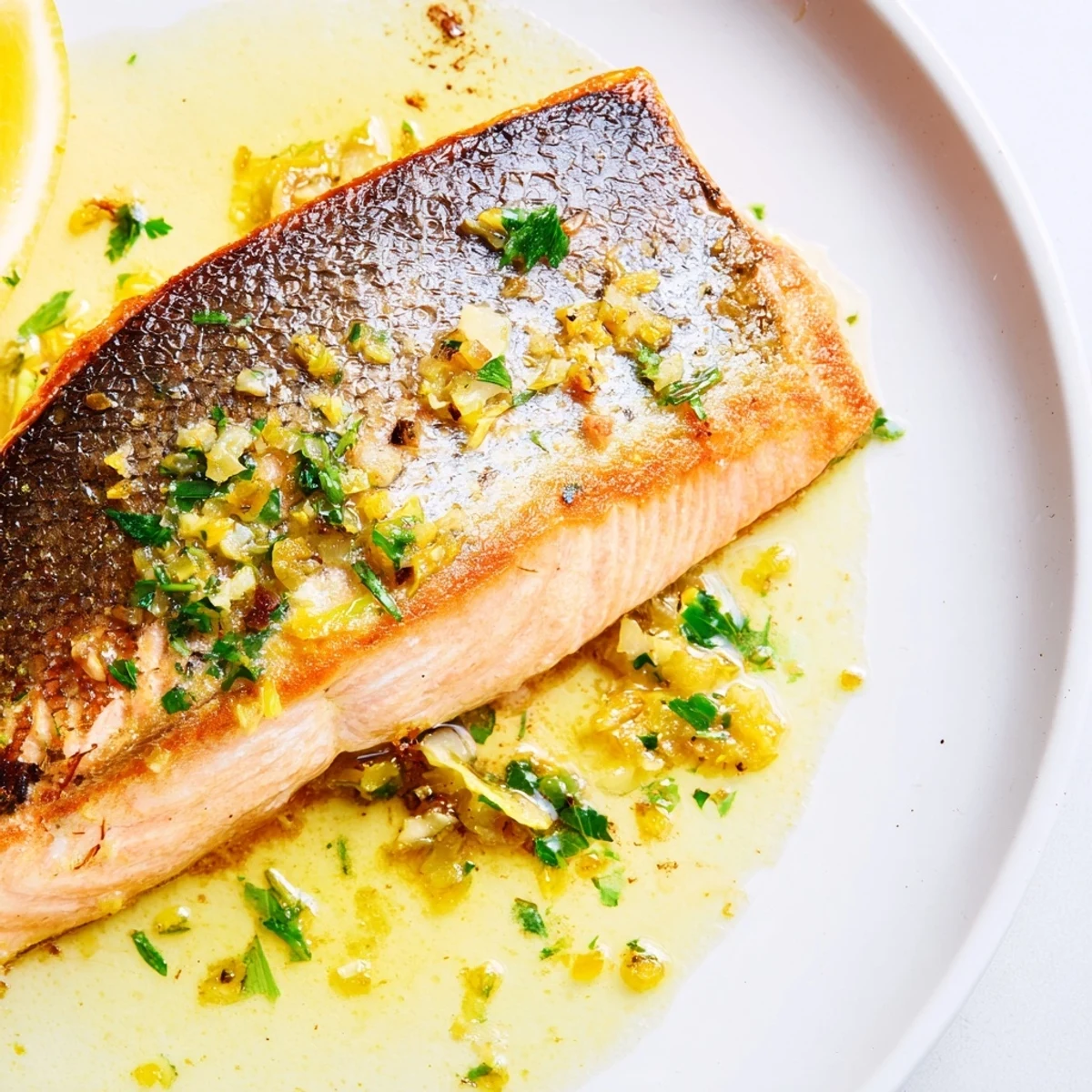
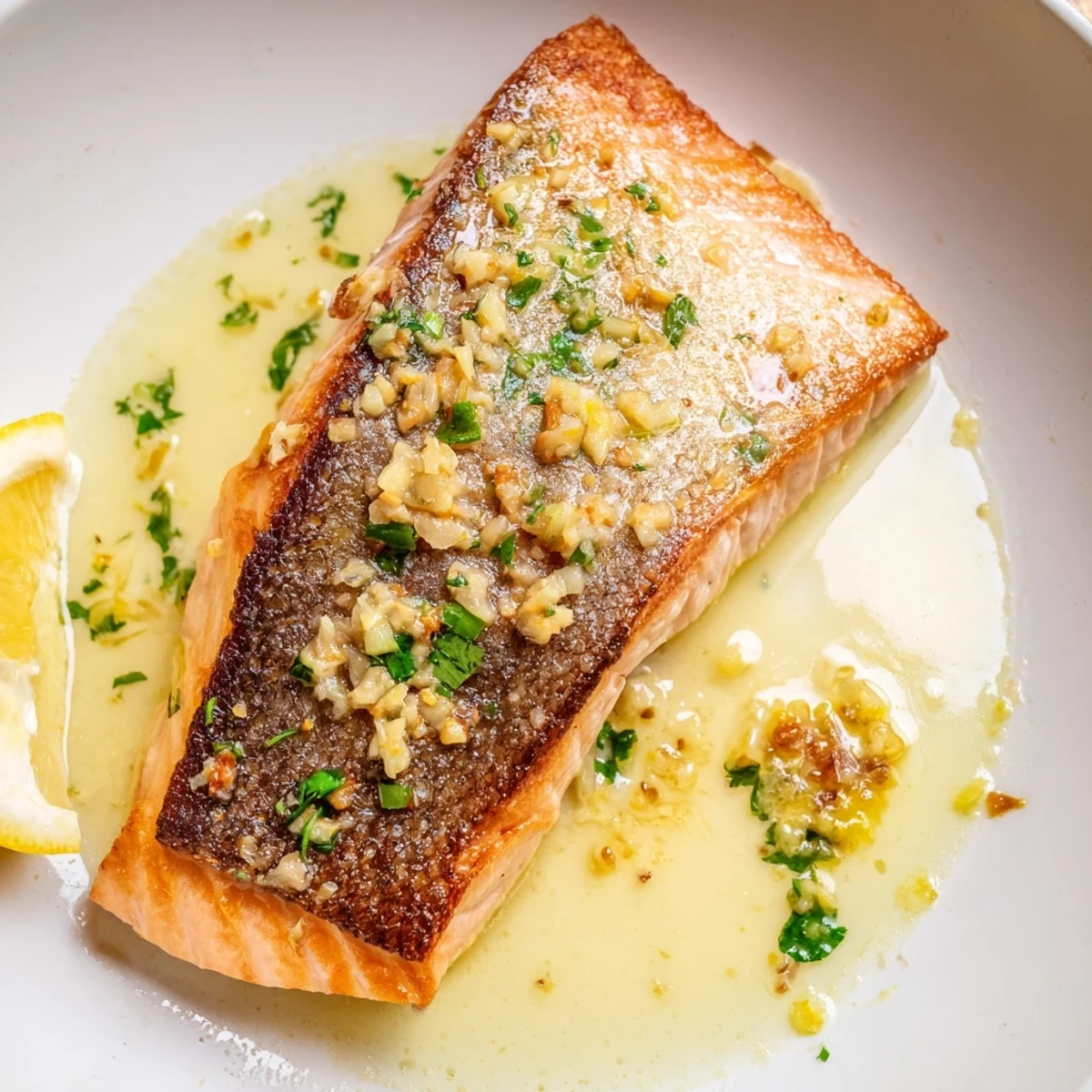
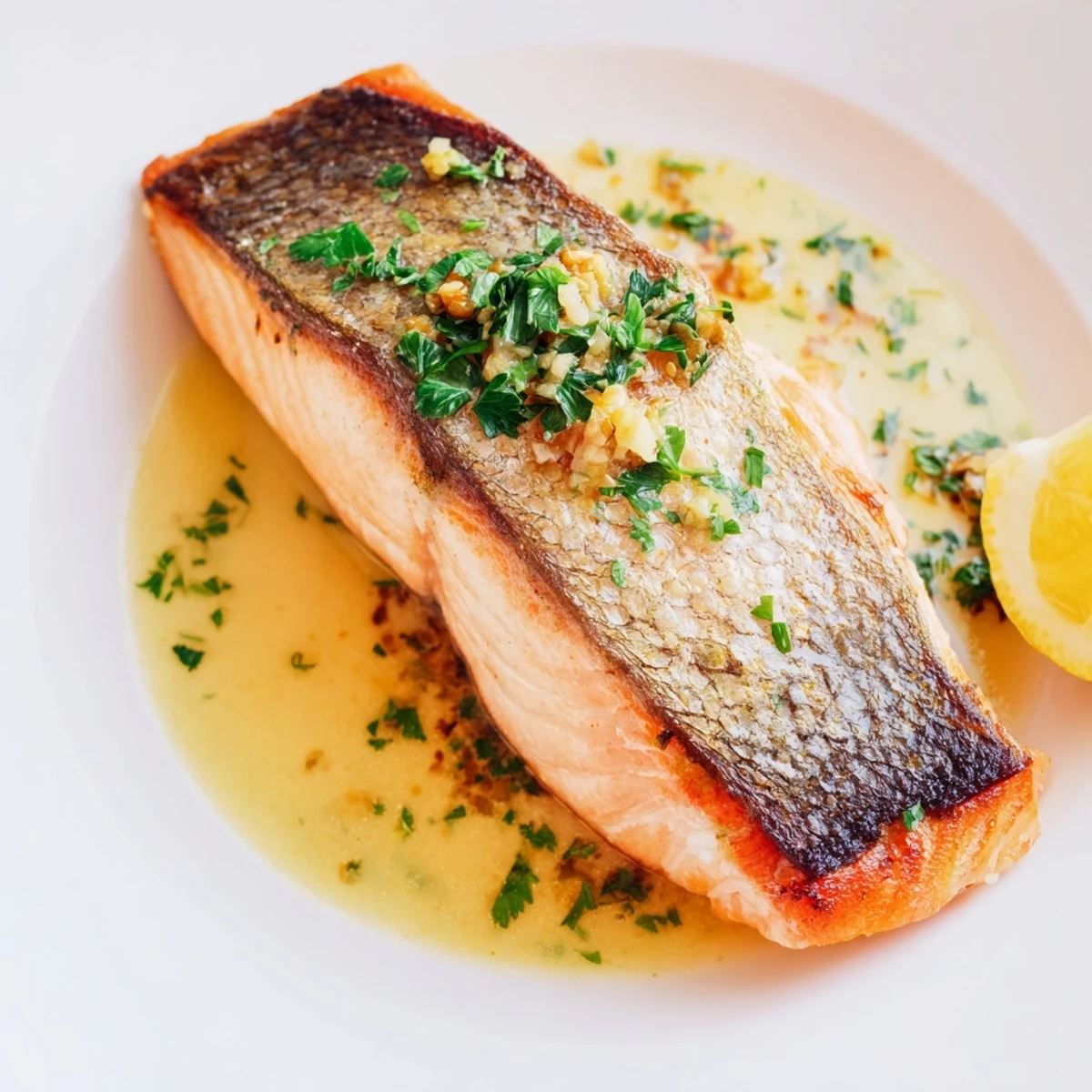
Save This garlic butter salmon delivers perfectly crispy-skinned fillets bathed in a rich, aromatic butter sauce infused with minced garlic, fresh lemon juice, and parsley.
Ready in just 25 minutes from start to finish, it strikes the ideal balance between weeknight convenience and special-occasion elegance. The technique is straightforward: sear the salmon skin-side down until golden and crisp, flip, then baste generously with melted garlic butter until the fish flakes beautifully.
Serve alongside steamed vegetables, fluffy rice, or roasted potatoes for a complete gluten-free meal that satisfies every time.
There is something almost meditative about standing at the stove, watching butter melt and foam while the smell of garlic slowly takes over the kitchen. My cast iron skillet has seen countless versions of this dish, each one slightly different depending on what herbs I had wilting in the crisper drawer. This garlic butter salmon recipe has become my weeknight anchor, the thing I reach for when the day has been long and I just need dinner to feel like a small victory. It takes barely twenty five minutes from fridge to plate, which still surprises people when I tell them.
I made this for my neighbor one January evening when her power went out and she wandered over looking for somewhere warm to sit. We ate standing at the counter, forkfuls of salmon straight from the skillet, and she laughed because she said it was better than the anniversary dinner she had paid for the week before.
Ingredients
- 4 salmon fillets, skin on, about 170 g each: The skin is essential here because it protects the delicate flesh during searing and crisps up beautifully if you leave it on.
- 4 tablespoons unsalted butter: Unsalted lets you control the seasoning, and the butter serves as both the cooking fat and the base of the sauce.
- 4 cloves garlic, minced: Fresh garlic only, and mince it finely so it melts into the butter without burning in the hot pan.
- 1 tablespoon freshly squeezed lemon juice: Acidity cuts through the richness of the butter and brightens every bite of the fish.
- 1 teaspoon lemon zest: The zest holds aromatic oils that juice alone cannot provide, adding a subtle floral citrus note.
- 2 tablespoons chopped fresh parsley: Parsley at the end adds freshness and a hit of green that makes the dish look finished.
- 1/2 teaspoon salt: Seasoning the butter sauce directly ensures even distribution across the fish.
- 1/4 teaspoon freshly ground black pepper: Freshly cracked pepper gives a gentle heat that pre ground simply cannot match.
- Lemon wedges and extra parsley for garnish: Entirely optional but a squeeze of lemon at the table changes the whole experience.
Instructions
- Dry and season the salmon:
- Pat each fillet thoroughly with paper towels until the surface feels almost tacky, then season both sides generously with salt and pepper so every edge is coated.
- Get the pan hot and start with butter:
- Set a large nonstick or cast iron skillet over medium high heat and drop in two tablespoons of butter, letting it melt until it shimmers and develops a slight foam across the surface.
- Sear skin side down:
- Lay the fillets in gently, skin side facing down, and do not move them for four to five minutes while the skin crackles and turns deeply golden and the flesh begins to lighten from the bottom up.
- Flip and build the garlic butter:
- Carefully flip each fillet, add the remaining butter and the minced garlic directly to the pan, and cook for two to three more minutes while continuously spooning the foaming garlic butter over the tops of the fish.
- Finish with lemon and herbs:
- Pour the lemon juice and scatter the zest into the skillet, give everything a gentle swirl so the sauce comes together, then pull it off the heat and shower with chopped parsley.
- Serve right away:
- Transfer the fillets to warm plates, spoon any remaining pan sauce over the top, and offer lemon wedges alongside for anyone who wants an extra squeeze.
 Save
Save That night with my neighbor turned into a standing Tuesday dinner arrangement that lasted through the entire winter.
What to Serve Alongside It
Steamed green beans or a pile of roasted potatoes with rosemary will soak up the extra garlic butter left on the plate, which is honestly half the reward of making this dish. A mound of plain white rice works too, especially if you drizzle the pan juices over the top like a sauce.
Herb Variations Worth Trying
I reach for dill instead of parsley when I want something that tastes a little more Scandinavian, and a handful of snipped chives adds an oniony sweetness that pairs surprisingly well with the lemon zest. Even a few torn basil leaves scattered over the top at the last second can push the whole dish in a Mediterranean direction without any other changes.
Tools That Make It Easier
A fish spatula with a thin flexible edge will change your flipping game entirely, especially if you use cast iron. Beyond that, keep a citrus zester and a sturdy cutting board within arm reach.
- Let the salmon sit at room temperature for ten minutes before cooking so it sears more evenly.
- A splash of white wine added with the lemon juice turns the butter into a proper pan sauce with almost no extra work.
- Check for pin bones by running your finger along the center of each fillet before you start.
 Save
Save Some recipes earn their place in your rotation through sheer reliability, and this is one of mine. It reminds me that good food does not need to be complicated, it just needs to be made with care and eaten with people you enjoy.
Common Recipe Questions
- → Should I cook salmon with the skin on or off?
-
Cooking salmon skin-side down creates a protective layer that keeps the fillet moist while rendering the skin irresistibly crispy. The skin also helps the fish hold together during flipping. If you prefer skinless fillets, simply peel the skin off after cooking.
- → How do I know when the salmon is fully cooked?
-
Salmon is done when it flakes easily with a fork and reaches an internal temperature of 63°C (145°F). The flesh should transition from translucent to opaque, with a slight pinkness at the center being perfectly acceptable and desirable for moist results.
- → Can I use frozen salmon fillets?
-
Yes, but thaw them completely in the refrigerator overnight for best results. Pat the fillets thoroughly dry with paper towels before searing to ensure proper browning and crispy skin. Avoid microwaving to thaw, as it partially cooks the fish unevenly.
- → What can I substitute for butter in this dish?
-
For a dairy-free version, use high-quality plant-based butter or extra virgin olive oil. Ghee is another excellent alternative that adds a nutty richness while being more tolerated by some dairy-sensitive individuals. Each option will slightly alter the flavor profile.
- → What side dishes pair well with garlic butter salmon?
-
Steamed asparagus, roasted broccoli, or sautéed green beans complement the richness beautifully. For starches, fluffy jasmine rice, garlic mashed potatoes, or crusty bread to soak up the butter sauce are all excellent choices. A simple mixed greens salad adds freshness.
- → How should I store and reheat leftover salmon?
-
Store leftover salmon in an airtight container in the refrigerator for up to 2 days. To reheat, warm gently in a skillet over low heat with a splash of water or additional butter. Avoid microwaving, which can dry out the fish and make it tough.