
 Save
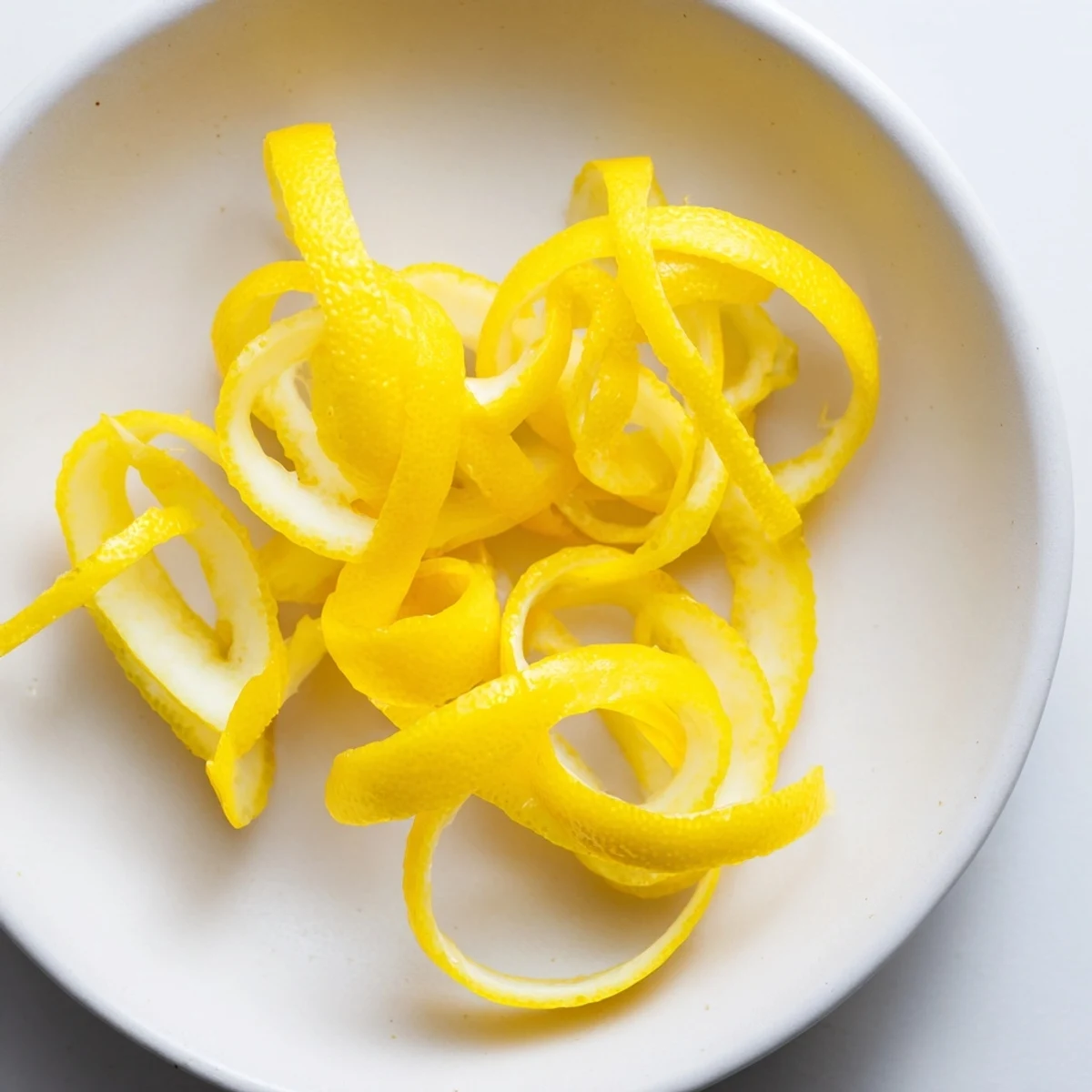
Save This bright lemon garnish is a versatile way to add a fresh, zesty touch to various dishes and drinks. Thin strips or wedges of lemon zest provide a pop of color and aroma that complements both savory and sweet flavors. Easily prepared in a few minutes using simple tools, lemon garnishes brighten plates and cocktails alike. Enhance presentation by twisting zest or pairing with herbs like mint for added fragrance. Store leftovers refrigerated for up to 24 hours to maintain freshness.
There's something almost magical about the way a thin curl of lemon zest can transform a plate. I learned this one quiet afternoon while prepping for a dinner party, when I sliced too thick and bitter white pith came with the skin—the whole gesture felt ruined until someone tasted it and said, "Actually, that's kind of interesting." But since then, I've discovered the delicate art of the thin strip, the perfect twist, and how something so simple can make people pause and actually *notice* what they're eating.
I remember making a batch of lemon twists for a friend's birthday cocktail hour, standing at my cutting board with the afternoon light streaming in, and watching people's faces light up when they saw them spiral around the rim of their glasses. That's when I realized garnishes aren't an afterthought—they're the first impression, the reason someone leans in closer and takes a deeper breath before tasting anything.
Ingredients
- Fresh lemon, washed and dried: The fresher, the better—look for ones that feel heavy and have smooth, unblemished skin, because that thin zest will be delicate and every imperfection shows.
Instructions
- Choose your blade:
- A sharp knife or vegetable peeler both work, but they give different results. The peeler creates thin, forgiving strips, while a knife lets you be more precise.
- Strip the zest:
- With a light hand, slice away just the bright yellow part, leaving behind that bitter white pith—it's the difference between a garnish people want to eat and one they push aside. Work slowly; there's no rush.
- Cut or shape:
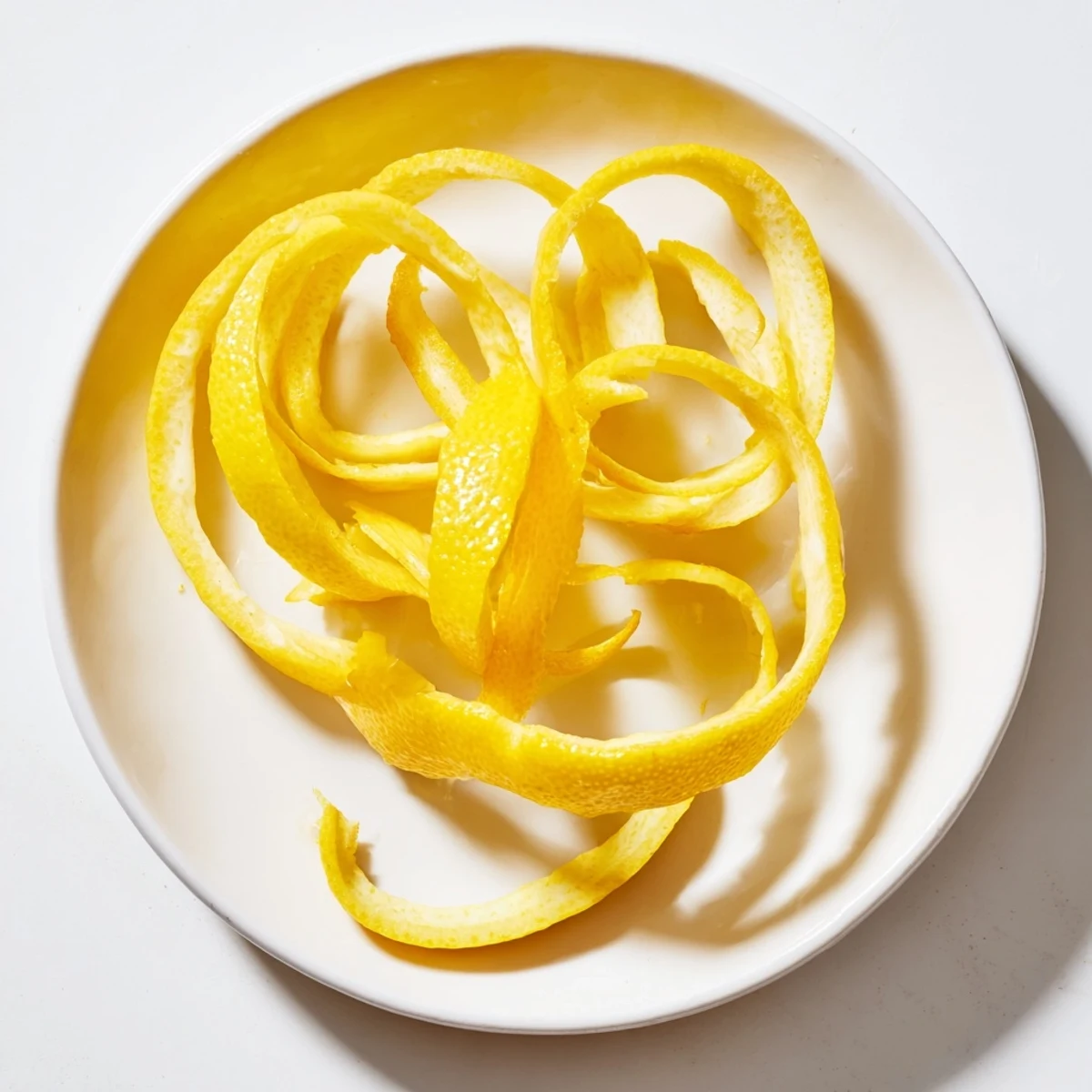
- Wheels, half-moons, wedges, or thin strips all have their moment. For twists, take a strip and gently coil it around your finger or a skewer until it holds a spiral shape.
- Garnish with intention:
- Place it just before serving—on the rim of a glass, nestled against seafood, or floating in a dessert—so it looks as fresh as it actually is.
 Save
Save One evening, I watched someone take a bite of a lemon-garnished dessert and then stop to actually *taste* the brightness in the air. That's when I understood that this tiny thing—a curl of citrus—isn't decoration. It's an invitation to pause and notice what's in front of you.
Finding the Right Lemon
Not all lemons are created equal, and this matters more than it seems. A lemon that's been sitting in your fridge for three weeks will have thinner, more fragile skin that tears instead of peeling. Room-temperature lemons with that bright, smooth finish are the ones that give you those perfect thin strips. I learned this by accident when a fresh market lemon worked beautifully while a grocery store one turned into a mess.
Beyond the Basic Strip
The moment you realize you can do more than just thin slices, garnishing becomes fun instead of a chore. A sugar-rimmed wheel transforms a berry tart from homemade to restaurant-worthy, while a twist around a cocktail glass handle becomes something people notice and comment on. I've even brushed lemon twists lightly with edible gold leaf for special dinners, which is ridiculous and wonderful in equal measure.
Storage and Making It Last
If you're prepping ahead—which, let's be honest, sometimes you have to—stripped zest and shaped garnishes can live in an airtight container in the fridge for about 24 hours. The color fades slightly and the oils dry out, so it's not ideal, but it works when timing is tight. Fresh is always better, but a slightly less vibrant lemon garnish is still infinitely better than no garnish at all.
- Store zest separately from finished shapes if you want the shapes to stay crisp and bright.
- A damp paper towel in the container helps everything stay fresher longer than you'd expect.
- When in doubt, make it fresh—five minutes is really all it takes, and it shows.
 Save
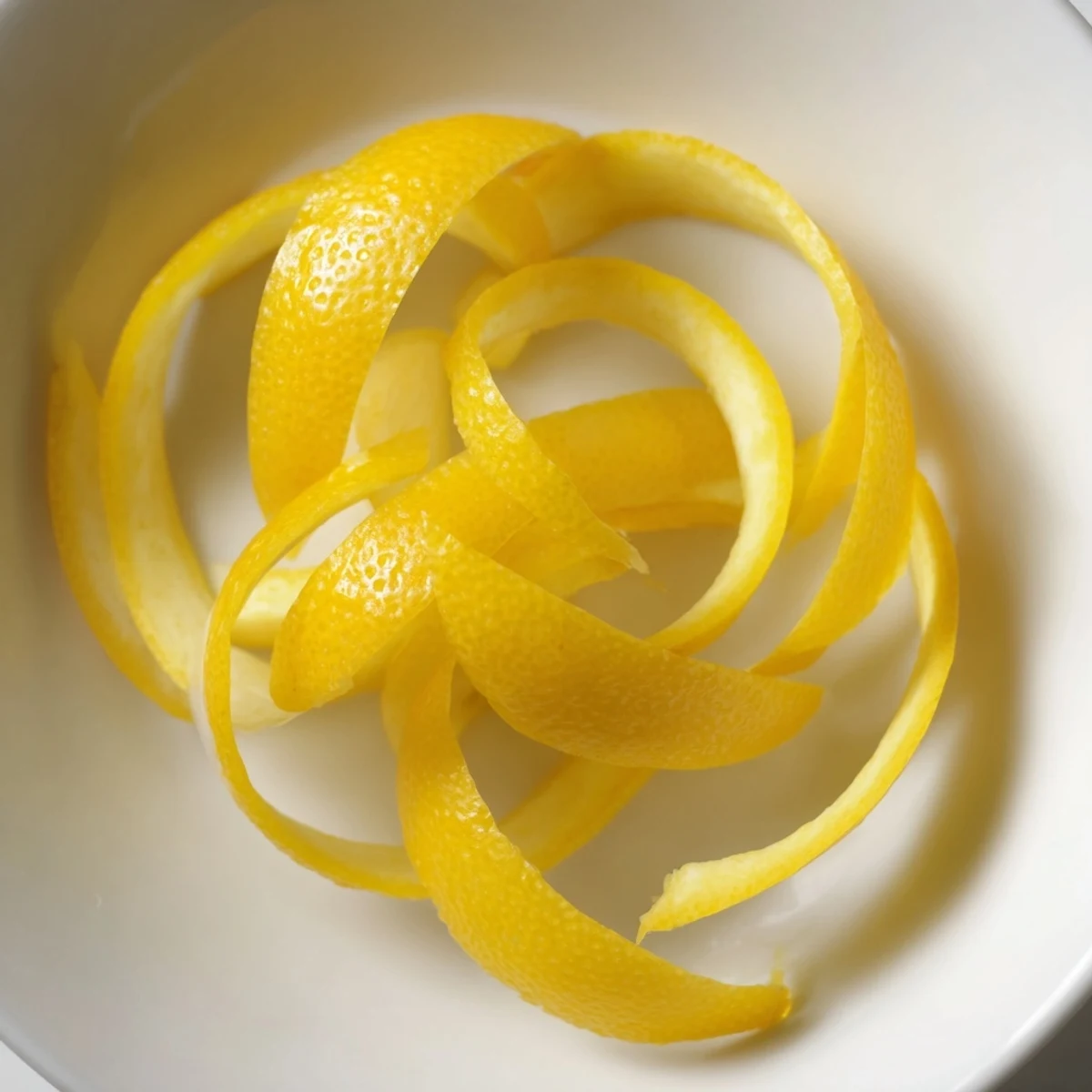
Save A lemon garnish is proof that the smallest details matter—that five minutes of attention can make someone feel cared for before they even taste a bite. It's one of those quiet kitchen skills that costs almost nothing but changes everything.
Common Recipe Questions
- → How do I prepare a lemon garnish?
-
Use a sharp knife or peeler to slice thin zest strips, avoiding the bitter white pith, or cut thin lemon wheels and twists for decoration.
- → What dishes work well with lemon garnish?
-
It pairs beautifully with seafood, salads, desserts, and cocktails, adding brightness and fresh aroma.
- → How can I store lemon garnishes to keep them fresh?
-
Store unused lemon strips or wheels in an airtight container in the refrigerator for up to 24 hours.
- → Can I enhance my lemon garnish presentation?
-
Yes, dipping lemon wheels or twists in sugar or combining with fresh herbs like mint or thyme adds flair and aroma.
- → Are any special tools needed to prepare lemon garnish?
-
A sharp knife or vegetable peeler is sufficient; optional tools include a zester or channel knife for intricate cuts.