
 Save
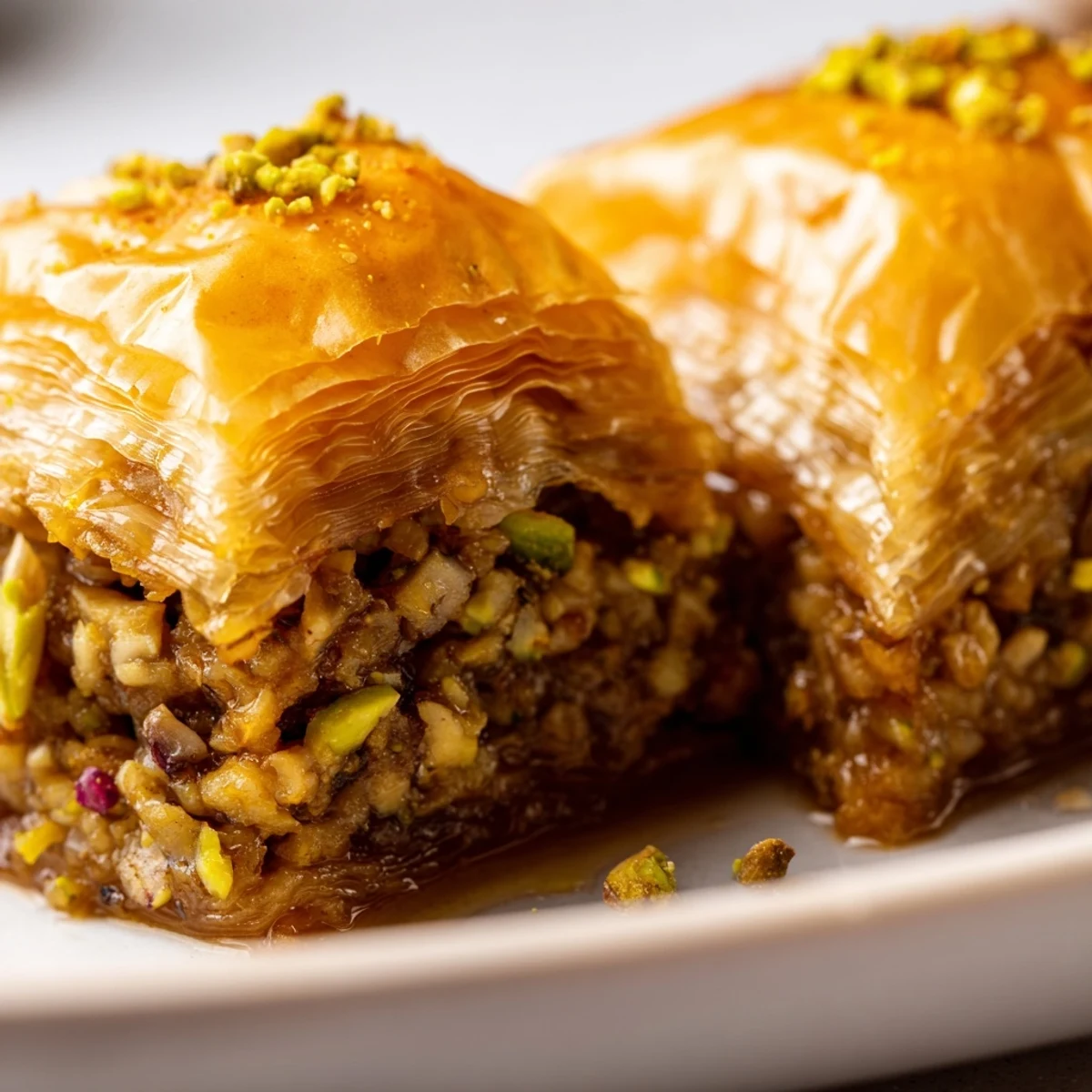
Save This traditional Greek sweet treat features delicate layers of phyllo pastry brushed with butter and layered with a mixture of walnuts, pistachios, and almonds spiced with cinnamon and cloves. After baking until golden, the pastry is soaked in a warm syrup made from honey, sugar, water, cinnamon, and lemon peel. The result is a perfectly balanced dessert with crisp, flaky layers and a sweet, fragrant syrup that seeps into every layer. Best served after allowing time to cool completely, letting the flavors meld together for an even more delicious experience the next day.
My yiayia used to make baklava on rainy Sunday afternoons when I was young, the whole house filling with that unmistakable combination of butter, cinnamon, and simmering honey. She worked at her small kitchen table with such patience, layering those delicate phyllo sheets while I watched, mesmerized by how something so intricate could feel so peaceful. Now whenever the scent of warming butter and walnuts hits my kitchen, I am immediately transported back to those cozy afternoons, learning that some traditions are worth keeping exactly as they are.
I brought this to a potluck last winter, still slightly warm from the syrup soak, and watched my friend Maria take her first bite. Her eyes went wide and she whispered that it tasted exactly like the baklava her grandmother in Thessaloniki used to make, something she had been trying to recreate for years without success. We ended up sitting together for an hour sharing stories about our grandmothers kitchens, connecting over layers of flaky pastry and the way food carries memory across generations.
Ingredients
- Walnuts: These provide the classic earthy backbone and their slight bitterness balances the honey sweetness beautifully
- Pistachios: They add a gorgeous green fleck throughout and a subtle fruity complexity that makes each layer interesting
- Almonds: The final nut in our trio contributes sweetness and a slightly softer texture that rounds out the filling
- Ground cinnamon: Two teaspoons might seem generous but this warming spice is essential to the traditional flavor profile
- Ground cloves: Just a quarter teaspoon adds a deep aromatic background note that makes everything taste richer
- Granulated sugar: A small amount in the filling helps the nuts toast slightly and balances their natural oils
- Phyllo dough: About twenty sheets will give you those signature shatteringly crisp layers we are after
- Unsalted butter: You need two hundred grams melted, and do not skimp on brushing between every single layer
- More granulated sugar: The syrup base needs this to achieve the right consistency and sweetness level
- Water: Two hundred milliliters creates the perfect syrup ratio to dissolve everything evenly
- Honey: This is what gives baklava its distinctive floral sweetness and glossy finish
- Cinnamon stick: Simmering a whole stick in the syrup infuses it with warmer, more complex flavor than ground cinnamon alone
- Lemon peel strips: These add a subtle brightness that cuts through all that sugar and keeps everything from feeling cloying
Instructions
- Get your oven ready:
- Preheat to 170°C and butter your 23x33 cm baking dish thoroughly, paying attention to the corners
- Mix the nut filling:
- Combine all three chopped nuts with the cinnamon, cloves, and two tablespoons sugar in a bowl until evenly distributed
- Prepare your workspace:
- Unroll the phyllo and keep it covered with a barely damp cloth so the sheets do not dry out and become impossible to work with
- Build the first layer:
- Lay down one phyllo sheet, brush it lightly with melted butter, and repeat until you have eight buttered sheets as your base
- Add the first nut layer:
- Sprinkle one third of your nut mixture evenly across the buttered phyllo, reaching all the way to the edges
- Continue layering:
- Add four more buttered phyllo sheets, another third of nuts, then four more buttered sheets and the remaining nuts
- Finish the top:
- Layer the final four phyllo sheets with butter between each, then give the top an extra generous butter coating
- Score the pastry:
- Use a sharp knife to cut diamonds or squares all the way through before baking, which helps the syrup penetrate later
- Bake until golden:
- Bake for forty five to fifty minutes until the top is deeply golden and you can see the nuts caramelizing slightly underneath
- Make the honey syrup:
- While the baklava bakes, simmer the sugar, water, honey, cinnamon stick, and lemon peels for ten minutes then cool slightly
- The moment of truth:
- Pour the warm syrup slowly over the hot baklava the moment it comes out of the oven, listening to that satisfying sizzle
- Patience pays off:
- Let it cool completely so the syrup can fully saturate every layer before you cut along your scored lines and serve
 Save
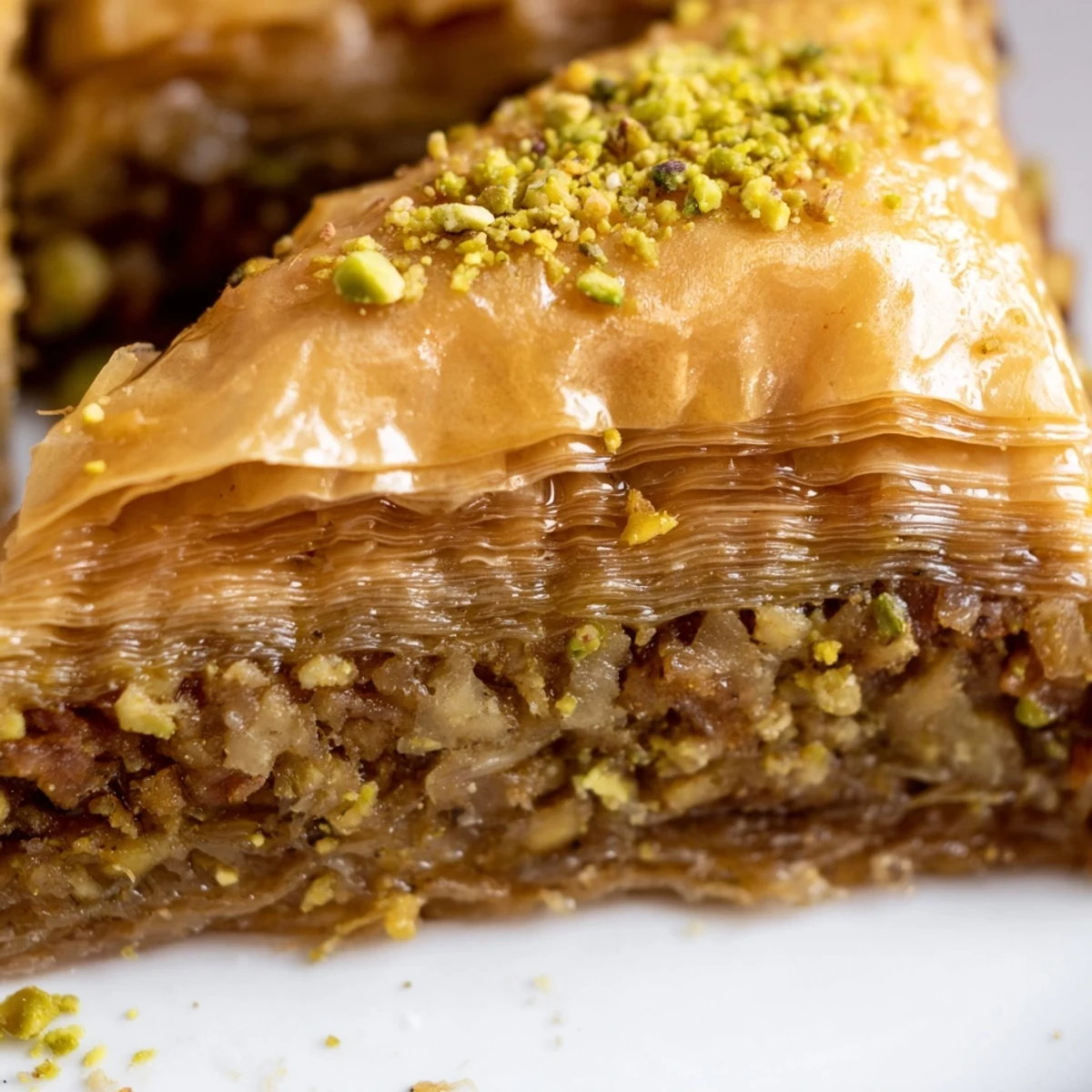
Save There is something deeply satisfying about serving baklava that has had time to rest, the syrup having completely transformed those separate layers into something unified and perfect. The first time I made it entirely on my own, I called my grandmother in a panic because the syrup seemed like too much, but she just laughed and told me to trust the process. She was right, of course, and that batch disappeared faster than anything I have ever made.
Working With Phyllo
The most important lesson I learned about phyllo is to keep moving once you start working with it. If you leave it uncovered for even a few minutes, the sheets dry out and become brittle, tearing at the slightest touch. I keep a damp cloth nearby and work methodically, buttering one sheet while the next one waits under cover, staying pliable and ready to become something beautiful.
The Syrup Timing
I once made the mistake of pouring boiling syrup over piping hot baklava and ended up with a soggy, disappointing mess despite all the effort. The temperature balance matters, hot pastry with warm syrup, creating that perfect crisp tender contrast that makes baklava so special. Now I always start the syrup about twenty minutes before the baklava finishes baking so both are ready at the right moment.
Serving And Storage
Baklava keeps beautifully at room temperature for up to five days, and I actually think it tastes better on day two or three once the flavors have had time to meld. Serve small pieces alongside strong Greek coffee or mint tea to cut through the sweetness. The presentation looks stunning arranged on a platter with a few extra pistachios scattered on top for color.
- A splash of orange blossom water in the syrup adds a lovely floral dimension
- Use the sharpest knife you own and clean it between cuts for the cleanest edges
- Let the baklava sit uncovered for an hour after syruping so the top stays crispy
 Save
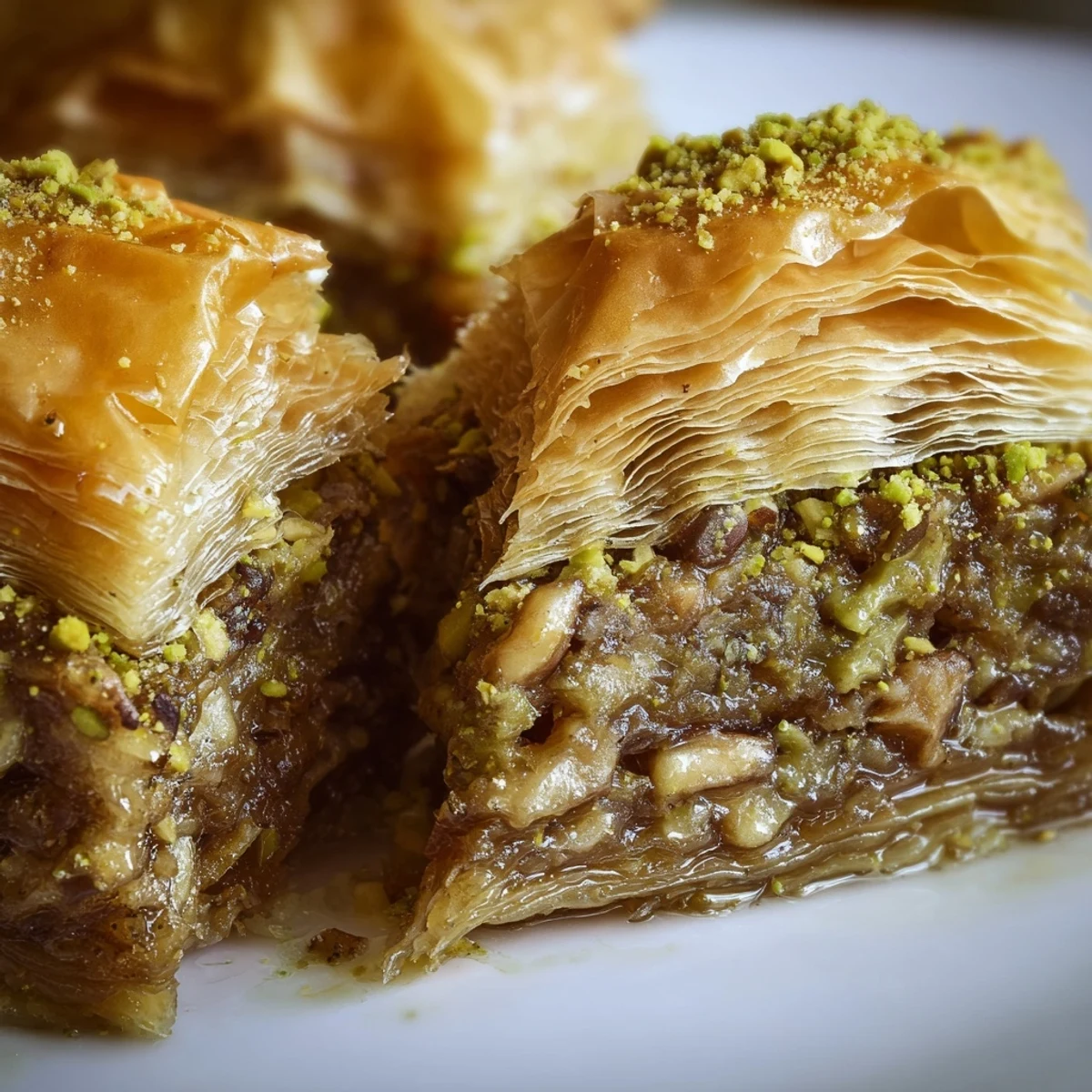
Save Every time I pull a golden pan of baklava from the oven, I am reminded of how some recipes are worth every bit of effort they demand. May your kitchen fill with the same warm, honeyed scent that filled my childhood, and may every bite bring you as much joy as sharing it with someone you love.
Common Recipe Questions
- → What makes baklava authentic?
-
Authentic baklava uses layers of thin phyllo pastry brushed generously with butter, filled with a mixture of chopped nuts including walnuts and pistachios, and finished with a honey-based syrup infused with cinnamon and citrus.
- → Why is the syrup added after baking?
-
Adding warm syrup to hot baklava immediately after baking ensures proper absorption into the crispy layers, creating the characteristic texture where the pastry remains crisp while becoming infused with sweet syrup.
- → How do I prevent phyllo from drying out?
-
Keep unused phyllo sheets covered with a lightly damp cloth while working. Work quickly but carefully, and always cover the remaining stack immediately after removing sheets to prevent them from becoming brittle.
- → Can I use different nuts in the filling?
-
While walnuts and pistachios are traditional, you can substitute with almonds, hazelnuts, or pecans. The key is maintaining the total nut quantity and chopping them finely for even distribution between layers.
- → How long should baklava cool before serving?
-
Allow baklava to cool completely at room temperature for at least 3-4 hours before serving. This gives the syrup time to fully absorb and the layers to set. Many find the flavor improves even more after resting overnight.
- → What's the best way to cut baklava?
-
Cut through all layers before baking using a sharp knife. Diamond shapes are traditional, creating beautiful triangular pieces. Cutting before baking ensures clean edges and prevents the flaky layers from shattering after soaking in syrup.