
 Save
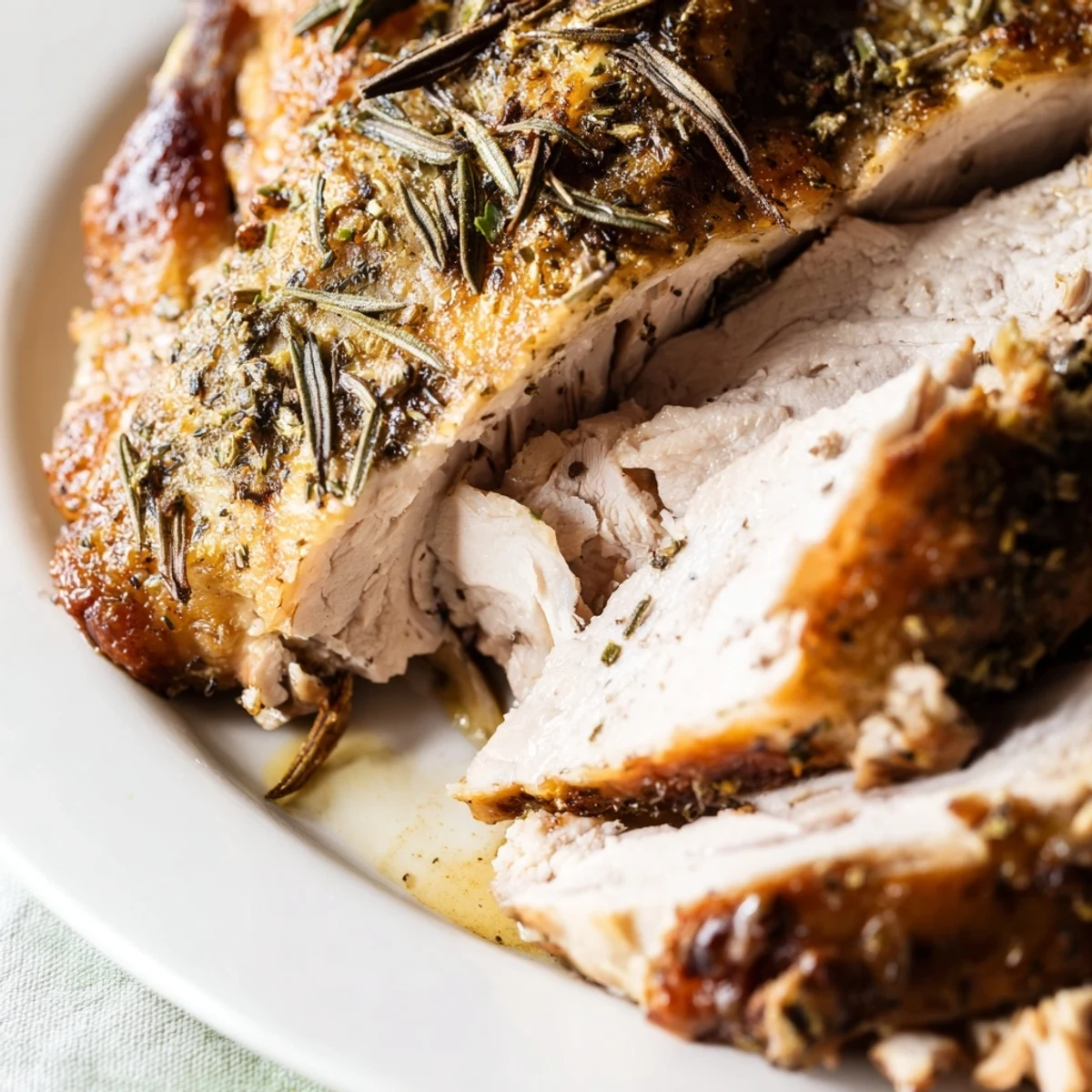
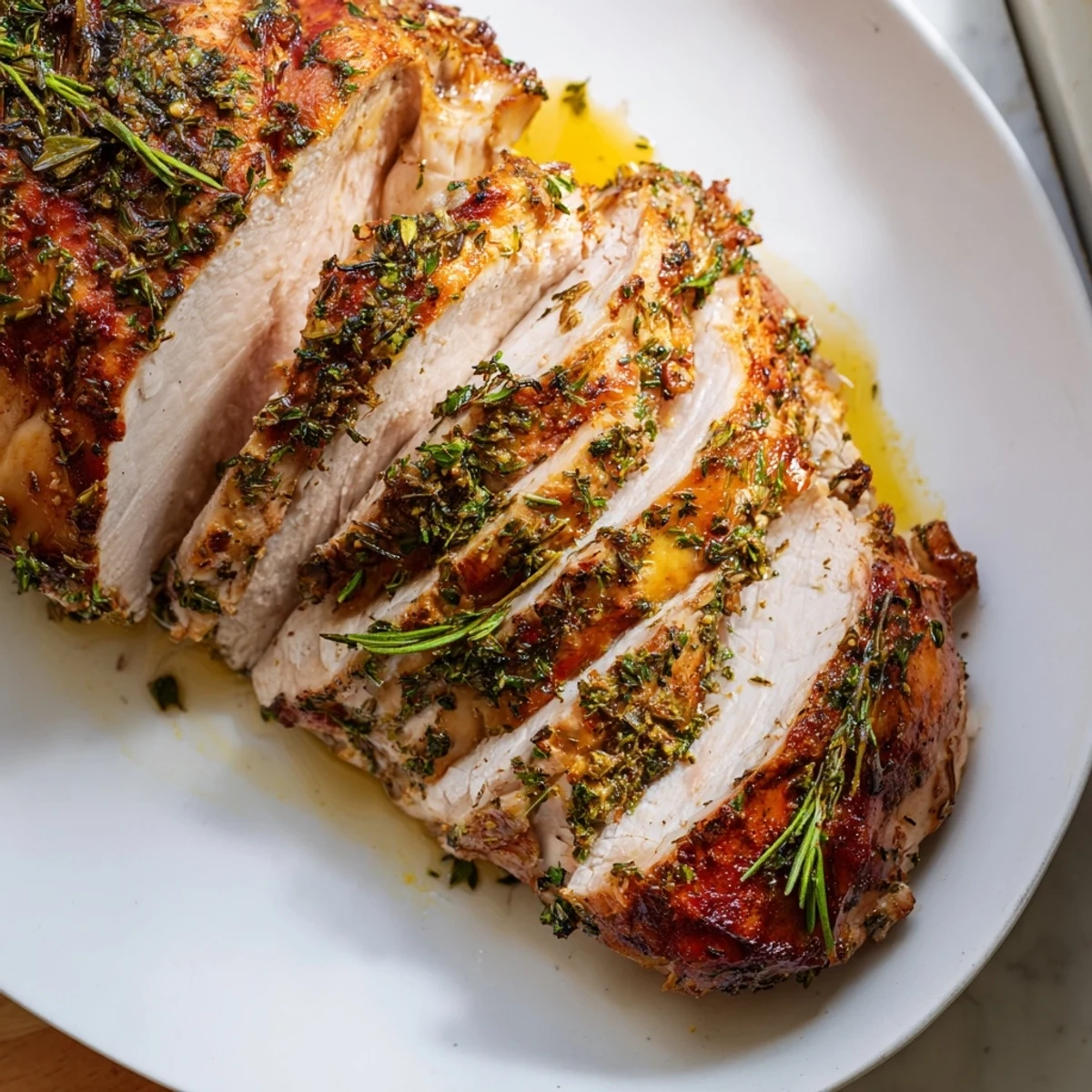
Save This dish features a whole chicken generously coated with a blend of fresh rosemary, thyme, parsley, sage, paprika, and garlic. The herb paste is applied under the skin and on the surface, while lemon and onion stuffed inside add fragrant depth. Roasting at 200°C for over an hour ensures crispy skin and tender meat. Resting before carving locks in juices for a flavorful and aromatic main course.
There's something almost ceremonial about pulling a golden roast chicken from the oven, especially when the kitchen fills with that unmistakable perfume of rosemary and thyme. I discovered this particular version on a gray November afternoon when I had friends coming over and exactly one chicken in the fridge. Rather than panic, I started layering herbs and garlic under the skin, and within an hour and change, I'd created something that made everyone pause mid-conversation to ask for the recipe. It wasn't complicated, but it felt like it mattered.
My neighbor once stopped by during testing, caught a single whiff from my kitchen door, and refused to leave until she tasted it. We sat at the counter eating skin-first like it was the only thing on our plates, and she told me it reminded her of Sunday dinners at her grandmother's house. Food has this strange power to unlock memories you didn't even know were sitting there.
Ingredients
- 1 whole chicken (about 1.5 kg / 3.3 lbs): Look for a bird with pale, unblemished skin and ask your butcher if they have any that weren't refrigerated for more than a day or two, as fresher birds crisp up better.
- Fresh rosemary (2 tbsp, finely chopped): Strip the leaves from the woody stems yourself rather than using pre-chopped; the oils are more active and the flavor punches through.
- Fresh thyme (2 tbsp, finely chopped): Thyme is delicate but essential, so don't skip it or substitute dried unless you halve the amount.
- Fresh parsley (2 tbsp, finely chopped): This quiets any heaviness and adds a bright, almost grassy note that keeps the dish from feeling one-dimensional.
- Fresh sage (1 tbsp, finely chopped): Sage can dominate if you're not careful, so measure it carefully and chop it fine so it distributes evenly.
- Smoked paprika (1 tsp): The smoke adds depth and a whisper of color; regular paprika works but won't give you that subtle, complex note.
- Ground black pepper (1 tsp): Grind it yourself if you can; pre-ground loses its volatility and can taste dusty.
- Coarse sea salt (1 tsp): Coarse salt dissolves into the paste more gracefully and doesn't make everything suddenly oversalted in patches.
- Garlic (4 cloves, minced): Don't use a garlic press here; mincing by knife lets you feel the texture and ensures even distribution in the paste.
- Lemon (1, halved): The halves go inside the cavity and perfume the bird from within; roll it on the counter first to release more juice.
- Onion (1 medium, quartered): Quartered pieces release their aromatic oils as the chicken roasts and create a light pan sauce if you deglaze later.
- Olive oil (3 tbsp): Use something you wouldn't be embarrassed to taste on its own; cheap oil can turn bitter during roasting.
- Unsalted butter (2 tbsp, softened): Softening it first (leave it out for 15 minutes) makes it blend into the paste instead of staying chunky.
Instructions
- Preheat and prepare:
- Set your oven to 200°C (400°F) and let it come fully to temperature; this ensures the skin starts crisping immediately. While it heats, pat your chicken completely dry with paper towels, which is the single most important step for crispy skin.
- Make the herb paste:
- In a small bowl, combine the softened butter, olive oil, all the chopped herbs, garlic, paprika, salt, and pepper. The paste should be thick but spreadable, almost like a chunky pesto; if it seems too thick, loosen it with a touch more oil.
- Season under the skin:
- This is where the magic happens. Gently slide your fingers under the skin over each chicken breast, creating a pocket without tearing; it takes patience but it's worth it. Spread half the herb paste under the skin, using your fingers to distribute it evenly across the meat. Rub the remaining paste all over the outside of the bird, paying extra attention to the legs.
- Stuff and tie:
- Stuff the cavity with the lemon halves and onion quarters, which will steam the inside of the bird and infuse it with flavor. Tie the legs together with kitchen twine to keep everything compact and ensure even cooking.
- Roast:
- Place the chicken in a roasting pan and slide it into the oven for 1 hour 15 minutes. You're looking for golden, crackling skin and juices that run clear when you pierce the thickest part of the thigh; a meat thermometer should read 75°C (165°F) at the thigh without touching bone.
- Rest and serve:
- Let the chicken rest for at least 10 minutes before carving; this keeps all those lovely juices inside instead of running onto your cutting board. Carve, scatter with fresh herbs if you have them, and serve while it's still warm.
 Save
Save One winter evening, I made this for my partner after a particularly long day, and watching him close his eyes after the first bite reminded me why I cook at all. Chicken is humble, but when you treat it with respect and attention, it becomes something worth the effort.
Herb Paste Strategy
The real innovation here isn't the herbs themselves but the paste delivery system. By working half the mixture under the skin, you're creating a barrier that keeps the breast meat tender while the paste under the surface seasons the meat directly. The other half on the outside creates that mahogany-colored crust that catches light and looks restaurant-quality. I've tried applying all the paste to the outside, and you lose something both visually and in terms of moisture retention.
Timing and Temperature
The 1 hour 15 minute window is reliable for a 1.5 kg bird, but size matters tremendously. A smaller chicken might be done in 55 minutes, while a larger one could need another 15. I learned this the hard way by cooking blind several times before understanding that a meat thermometer is genuinely your friend, not a crutch. The thermometer takes the guesswork out and means you'll never again cut into a bird wondering if it's done.
Variations and Serving
This recipe is beautifully flexible. If tarragon speaks to you, use it instead of sage. If you're cooking for someone who loves oregano, substitute it for half the thyme. The structure stays the same, and the personality shifts with whatever herbs you choose. Serving-wise, roasted root vegetables alongside this are non-negotiable, or a sharp green salad to cut through the richness.
- For extra depth, marinate the chicken with the herb paste for up to 12 hours before roasting, which lets the flavors migrate deeper into the meat.
- Leftover chicken shreds beautifully into salads, grain bowls, or simple sandwiches with a smear of mayo.
- Save the carcass for stock; it's already infused with herbs and makes an elegant, aromatic broth.
 Save
Save Roast chicken feels like a small act of care, a way of saying you're worth the time. Once you've made this once, you'll find yourself reaching for it again and again.
Common Recipe Questions
- → What herbs enhance the flavor best?
-
Fresh rosemary, thyme, parsley, and sage complement the chicken with earthy and aromatic notes.
- → How to achieve crispy skin?
-
Pat the chicken dry and apply the herb butter mixture under and over the skin before roasting at a high temperature.
- → Can I prepare the chicken ahead of time?
-
Yes, marinating the chicken with the herb paste for up to 12 hours intensifies the flavors.
- → What is the ideal internal temperature for doneness?
-
The chicken is perfectly cooked when the thigh reaches 75°C (165°F) and juices run clear.
- → What side dishes complement this roast well?
-
Roasted vegetables or a crisp green salad balance the rich flavors and textures.