
 Save
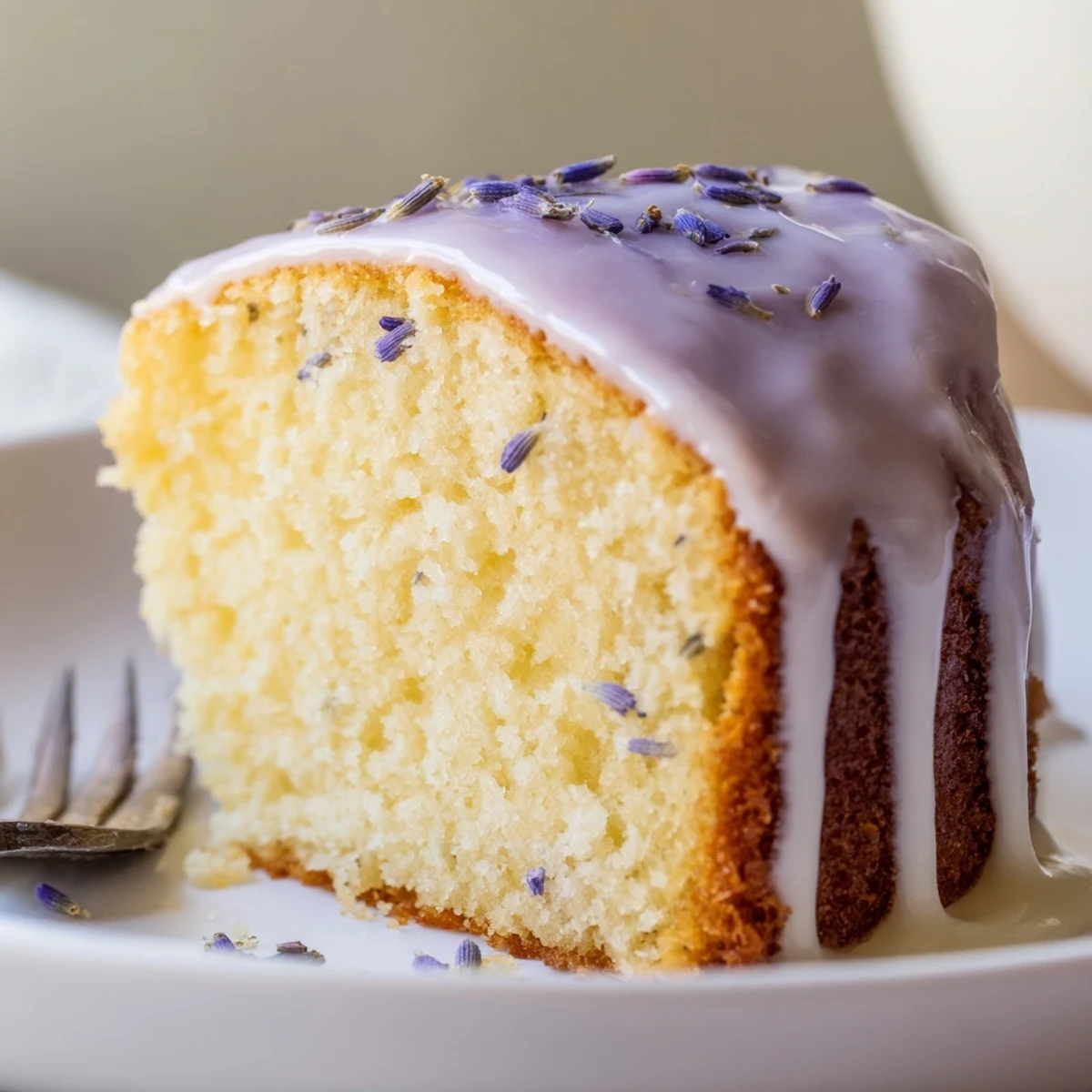
Save This elegant lavender cake brings together the subtle floral notes of culinary lavender with a bright lemon glaze for a dessert that's perfect for spring and summer entertaining.
The tender crumb comes from creaming butter and sugar properly, while the optional lavender syrup adds an extra layer of aromatic flavor.
Best served with Earl Grey tea, this European-style cake takes about 50 minutes from start to finish and serves 8.
The scent of lavender always transports me to my aunt's garden in Provence, where purple hills stretched endlessly under the afternoon sun. She taught me that culinary lavender belongs in more than just tea sachets. One rainy afternoon, we folded those tiny buds into a simple butter cake, and the kitchen filled with a fragrance that felt like comfort itself.
I served this at a baby shower last May, and three guests asked for the recipe before they even finished their slices. The gentle purple flecks throughout the crumb sparked a lovely conversation about edible flowers and herb gardens. Even my skeptical brother, who claims to dislike anything floral in his food, went back for seconds.
Ingredients
- All-purpose flour: Provides the sturdy foundation for this tender cake.
- Baking powder: Gives the cake its gentle lift and soft texture.
- Salt: Balances the sweetness and enhances the floral notes.
- Unsalted butter, softened: Creates richness and a velvety crumb when properly softened.
- Granulated sugar: Sweetens the cake and helps achieve that golden crust.
- Large eggs: Bind everything together and add structure.
- Culinary lavender buds: The star ingredient, but only use food grade lavender meant for cooking.
- Vanilla extract: Rounds out the floral flavor with warm undertones.
- Whole milk: Keeps the cake moist and tender.
- Fresh lemon juice: Adds brightness that makes the lavender sing in the glaze.
- Powdered sugar: Creates that perfect drizzle consistency for the glaze.
Instructions
- Prep your pan:
- Preheat the oven to 350°F and generously grease an 8-inch round cake pan with butter, then dust with flour.
- Whisk dry ingredients:
- In a medium bowl, combine the flour, baking powder, and salt with a quick whisk.
- Cream butter and sugar:
- Beat the softened butter and sugar together until the mixture looks pale and fluffy, about three minutes.
- Add eggs and flavor:
- Beat in eggs one at a time, then mix in the chopped lavender and vanilla until evenly distributed.
- Combine wet and dry:
- Alternate adding the flour mixture and milk to your butter mixture, starting and ending with flour, mixing just until combined.
- Bake the cake:
- Pour the batter into your prepared pan, smooth the top, and bake for 25 to 30 minutes until a toothpick comes out clean.
- Make the optional syrup:
- While the cake bakes, simmer water, sugar, and lavender in a small saucepan for three minutes, then strain.
- Cool and soak:
- Let the cake cool for ten minutes, then poke holes and brush with warm syrup if using.
- Glaze and serve:
- Whisk powdered sugar with lemon juice and lavender until smooth, then drizzle over the completely cooled cake.
 Save
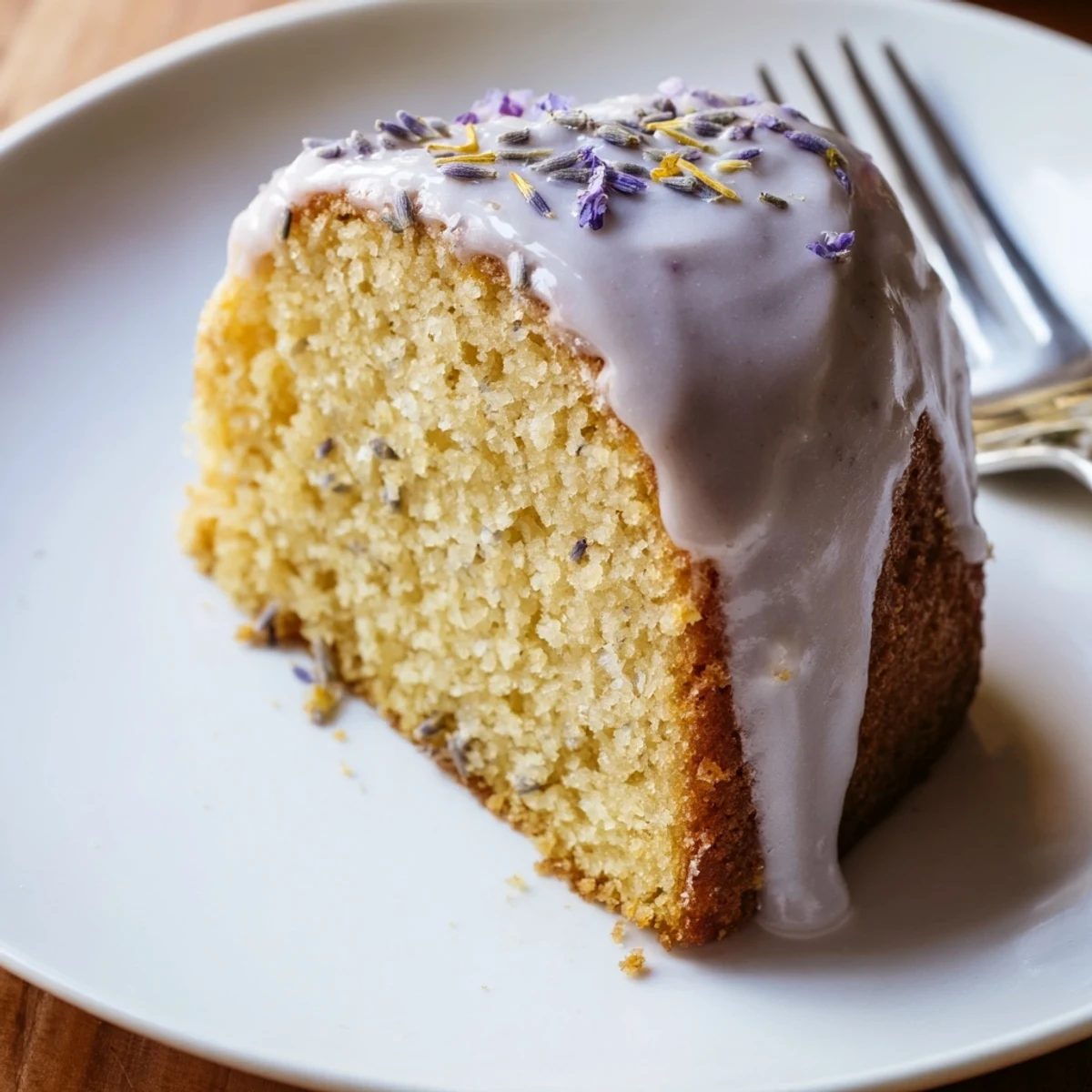
Save This cake became my go-to for saying thank you to neighbors and welcoming new friends to the street. There is something about presenting someone with a homemade cake flecked with purple that says you took time and care. The glaze dripping down the sides never fails to make it look bakery worthy.
Working with Lavender
Not all lavender is created equal, and I learned this the hard way after using ornamental lavender from a garden center once. Culinary lavender is specifically grown for eating and has a sweeter, more delicate flavor profile. If you cannot find it at your grocery store, check the tea aisle or order online from spice companies. Start with less if you are unsure, as the flavor intensifies as the cake sits.
Serving Suggestions
This cake shines brightest when served alongside a cup of Earl Grey tea, which naturally contains bergamot that complements the lavender beautifully. A glass of sparkling Prosecco also works wonderfully for brunch celebrations. For a more substantial dessert, add a dollop of lightly sweetened whipped cream or a scoop of vanilla bean ice cream on the side.
Storage and Make Ahead
The baked cake keeps well at room temperature for up to three days when stored under a cake dome or wrapped in plastic. You can bake the cake layer a day ahead and add the glaze just before serving for the prettiest presentation. The flavors actually deepen overnight, making it a great choice for entertaining.
- Freeze unglazed cake layers wrapped tightly in plastic for up to one month.
- Bring all ingredients to room temperature before mixing for best results.
- Avoid opening the oven door during the first 20 minutes of baking.
 Save
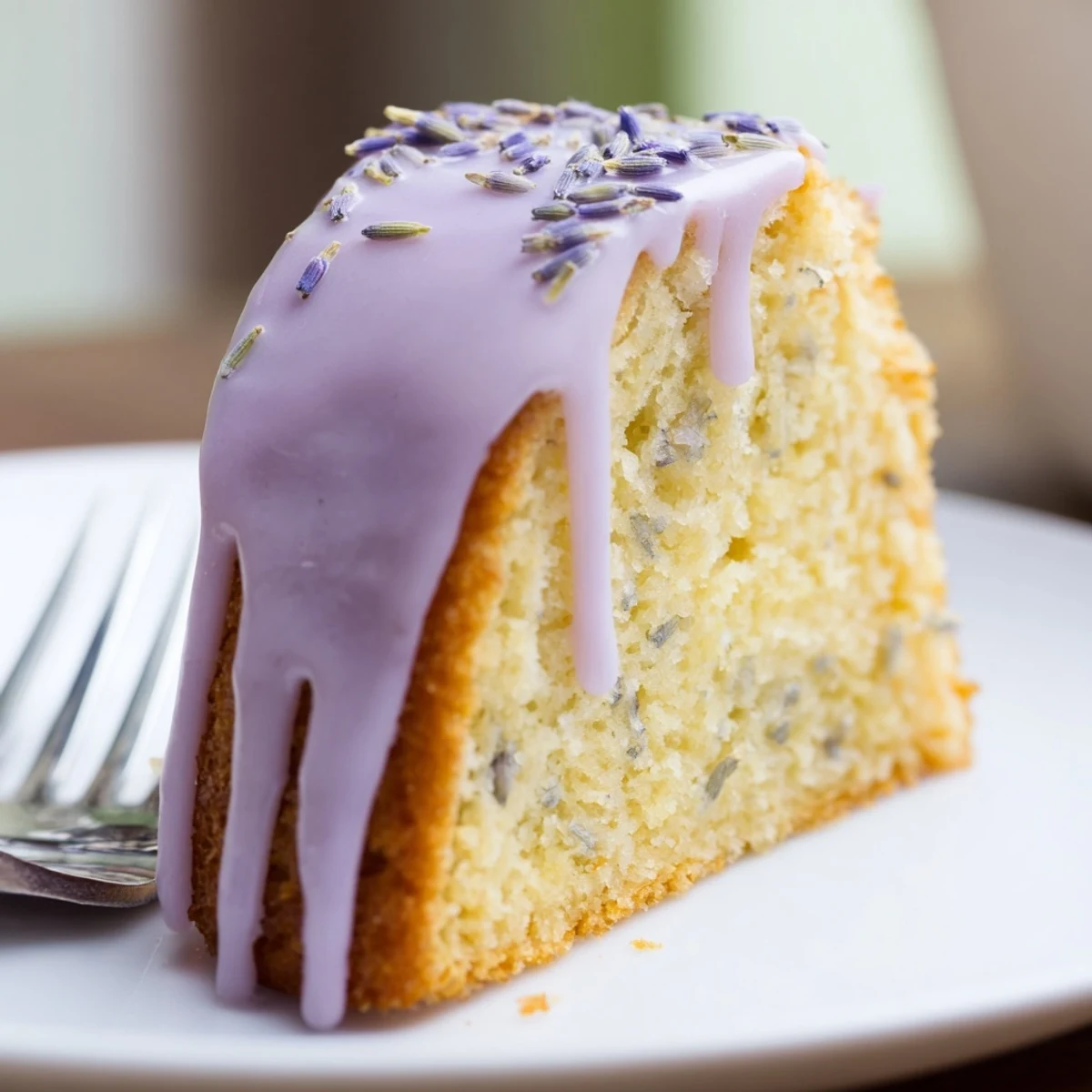
Save This lavender cake reminds me that the most memorable desserts do not need to be complicated. Sometimes a simple butter cake with a fragrant twist becomes the one everyone remembers.
Common Recipe Questions
- → What type of lavender should I use for baking?
-
Always use culinary-grade lavender buds specifically labeled for cooking. Regular garden lavender or ornamental varieties may contain pesticides or have an unpleasant soapy flavor when cooked.
- → Can I make this cake without the lavender syrup?
-
Yes, the lavender syrup is completely optional. The cake will still have lovely lavender flavor from the buds mixed into the batter. The syrup just adds an extra layer of moisture and floral taste.
- → How do I prevent the lavender from being too overpowering?
-
Finely chopping the lavender buds helps distribute the flavor evenly. For a more subtle taste, reduce the amount by half. Remember that lavender flavor intensifies as it sits.
- → Can I substitute the whole milk with a dairy-free alternative?
-
Yes, almond milk works well as a substitute. For a fully lactose-free version, also replace the butter with a lactose-free butter alternative or plant-based butter.
- → How should I store leftover lavender cake?
-
Store the cake in an airtight container at room temperature for up to 3 days. For longer storage, refrigerate for up to a week, though bring to room temperature before serving for best flavor.
- → Why did my cake turn out dense instead of fluffy?
-
Overmixing the batter after adding flour can develop gluten and create a dense texture. Mix only until ingredients are just combined, and ensure your butter and eggs are at room temperature for proper creaming.