
 Save
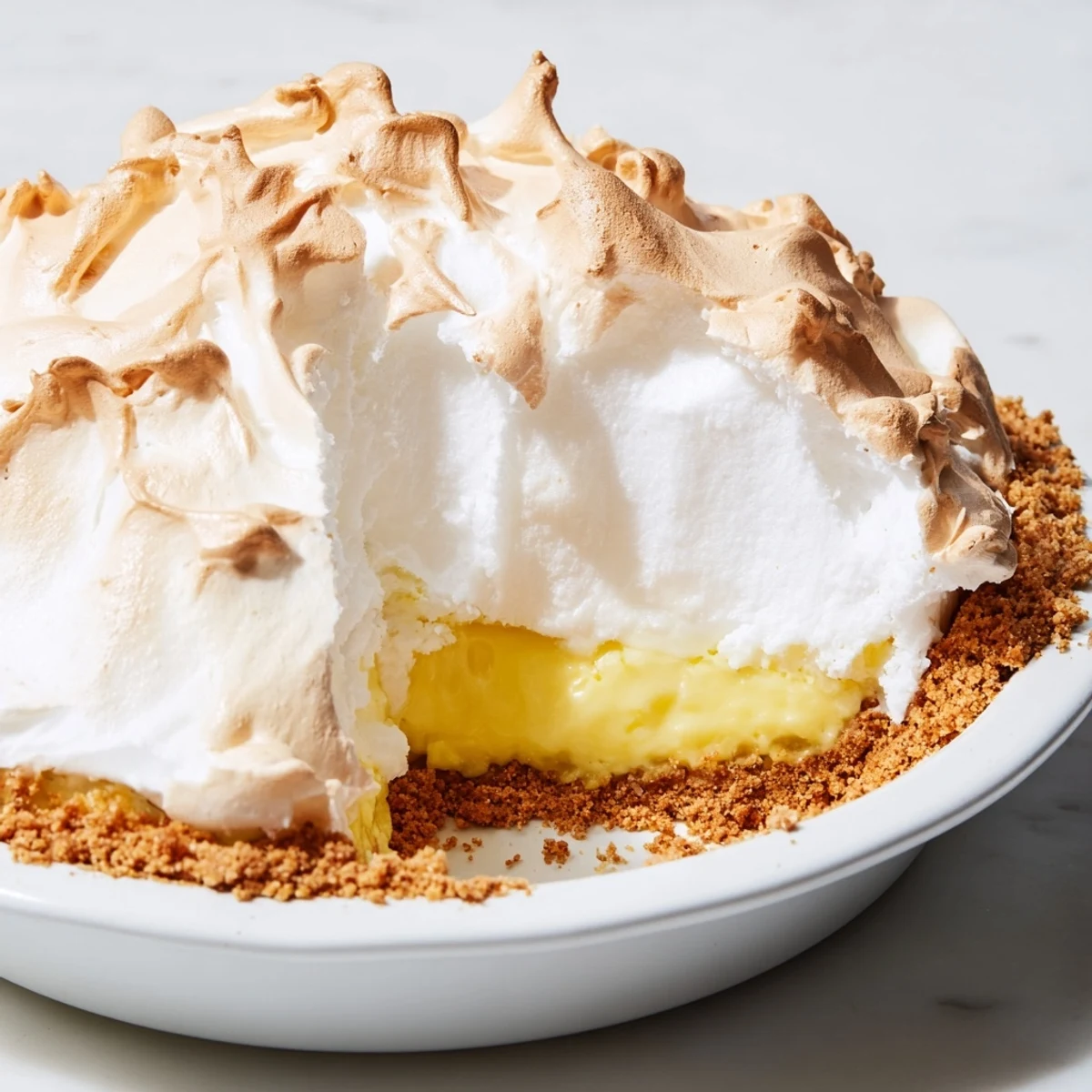
Save This dessert combines a crisp, buttery graham cracker crust with a vibrant lemon filling thickened to silky perfection. The topping features a fluffy, golden meringue created by whipping egg whites with cream of tartar and sugar, baked until lightly browned. Chill before serving for best texture. Ideal for a refreshing yet sweet conclusion to any meal.
There was a summer evening when my grandmother decided lemon meringue pie would be the perfect ending to a family dinner, and I watched in fascination as she transformed simple ingredients into clouds of glossy meringue. The kitchen filled with the sharp, bright scent of fresh lemons while she worked, and I remember being mesmerized by how the egg whites transformed from translucent liquid into towering white peaks. That first slice revealed the perfect contrast between tangy custard, sweet crunch, and airy meringue.
I once brought this pie to a potluck dinner and watched it disappear within minutes, with three different people asking for the recipe before they even finished their slices. The way the meringue catches golden brown spots in the oven makes it look like something from a bakery window, and theres something deeply satisfying about serving a dessert that looks this impressive.
Ingredients
- Graham cracker crumbs: These create the classic crunchy base that balances the soft filling above them. I have found that crushing them myself rather than buying pre-crumbled ones gives a fresher, more buttery result.
- Granulated sugar: This sweetens both the crust and the filling while helping the meringue achieve stable peaks. Using room temperature sugar helps it dissolve more quickly into the egg whites.
- Unsalted butter melted: Butter binds the crumbs together and adds richness. I always melt it gently so it does not separate or brown.
- Cornstarch: This thickens the lemon filling into a silky custard. Whisking it thoroughly with the sugar before adding any liquid prevents lumps from forming.
- Egg yolks: These create the rich creamy base for the lemon curd. I whisk them lightly before incorporating them into the hot mixture to prevent scrambling.
- Freshly squeezed lemon juice: Fresh lemons are absolutely essential here because bottled juice lacks the bright aromatic complexity. I roll the lemons firmly on the counter before juicing to maximize the yield.
- Lemon zest: The oils in the zest intensify the lemon flavor without adding more acid. I use a microplane to get the finest possible zest without any bitter white pith.
- Egg whites: These transform into the signature meringue topping. Bringing them to room temperature before beating helps them achieve greater volume.
- Cream of tartar: This stabilizes the egg whites helping them hold their shape and giving the meringue a soft marshmallow like texture. A tiny pinch goes a long way.
- Vanilla extract: This adds depth to the meringue and rounds out the sharp lemon notes. I use pure extract rather than imitation for the best flavor.
Instructions
- Preheat and prepare the crust:
- Start by heating your oven to 350°F (175°C) so it is ready when the crust mixture is prepared. While the oven heats combine the graham cracker crumbs sugar and melted butter in a medium bowl mixing until every crumb is coated and the mixture holds together when pressed.
- Press and bake the crust:
- Firmly press the crumb mixture into the bottom and up the sides of a 9-inch pie plate using the back of a spoon or the bottom of a measuring cup to create an even layer. Bake for just 8 minutes until lightly golden then set aside to cool while you make the filling.
- Start the lemon filling base:
- Whisk together the sugar cornstarch and salt in a medium saucepan making sure there are no cornstarch lumps remaining. Gradually whisk in the water until the mixture is completely smooth before placing the saucepan over medium heat.
- Cook until thickened:
- Cook the mixture over medium heat stirring constantly with a heatproof spatula or whisk. It will take about 5 to 7 minutes for the mixture to suddenly thicken and come to a gentle bubble which is your signal to move to the next step.
- Temper the egg yolks:
- Remove the saucepan from the heat and whisk about 1/2 cup of the hot mixture into the beaten egg yolks stirring constantly. This gradual warming prevents the eggs from scrambling. Then whisk this warm egg mixture back into the saucepan.
- Finish the filling:
- Return the saucepan to medium heat and cook for 2 more minutes whisking constantly to fully cook the egg yolks. Remove from heat and stir in the lemon juice zest and butter until the butter melts and the filling is perfectly smooth and glossy.
- Fill the crust:
- Pour the hot lemon filling into the cooled graham cracker crust spreading it evenly. It is important that the filling is hot when you add the meringue as this helps seal the two layers together.
- Beat the egg whites:
- Using an electric mixer beat the egg whites and cream of tartar at high speed until soft foamy peaks form. The mixture should look cloudy and hold its shape slightly when the beaters are lifted.
- Add sugar gradually:
- With the mixer running add the sugar 1 tablespoon at a time beating well after each addition. Continue beating until stiff glossy peaks form and the sugar has completely dissolved which takes several minutes.
- Add vanilla and spread:
- Beat in the vanilla extract then spread the meringue over the hot lemon filling. Use a spoon to create swirls and peaks if you like but most importantly make sure the meringue touches the crust all around the edge to prevent shrinking.
- Bake until golden:
- Bake the pie for 15 to 18 minutes until the meringue peaks are golden brown in spots. Watch closely during the last few minutes as meringue can go from golden to burnt quickly.
- Cool completely before serving:
- Let the pie cool at room temperature for 1 hour then refrigerate for at least 2 hours until completely set. This waiting period is essential for clean slices.
 Save
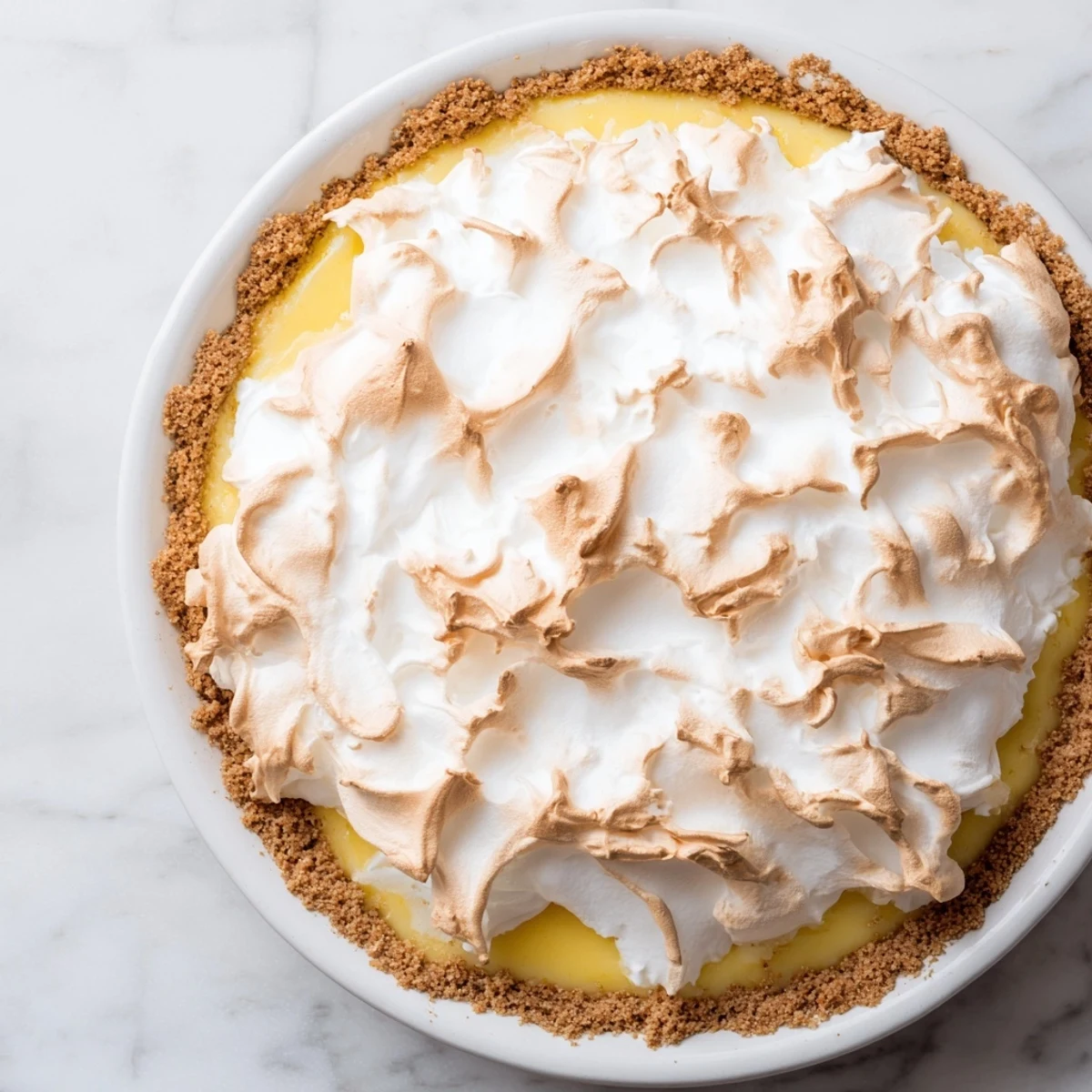
Save This pie became my go-to dessert for summer gatherings after I finally mastered the art of meringue. There is something magical about serving slices that show off those perfect layers of golden brown meringue bright yellow filling and buttery crust.
Making Ahead and Storage
I have learned that lemon meringue pie is best served the same day it is made because the meringue will eventually release moisture and become weepy. If you need to prepare components ahead you can make the crust and store it at room temperature wrapped tightly for up to a day.
Getting Perfect Meringue Every Time
The secret to meringue that does not weep is making absolutely sure your mixing bowl and beaters are completely clean and free from any grease. Even a tiny amount of fat can prevent the egg whites from reaching their full volume and stability.
Serving Suggestions
While this pie is absolutely perfect on its own I love serving it with a cup of Earl Grey tea which complements the bright lemon flavors beautifully. The pie is quite rich so smaller slices are usually satisfying especially when followed by good conversation.
- Use a sharp knife dipped in hot water to get clean slices that show off all the beautiful layers
- Let the pie sit at room temperature for 15 minutes before serving if it has been refrigerated for several hours
- Leftovers should be stored loosely covered in the refrigerator and enjoyed within 2 days
 Save
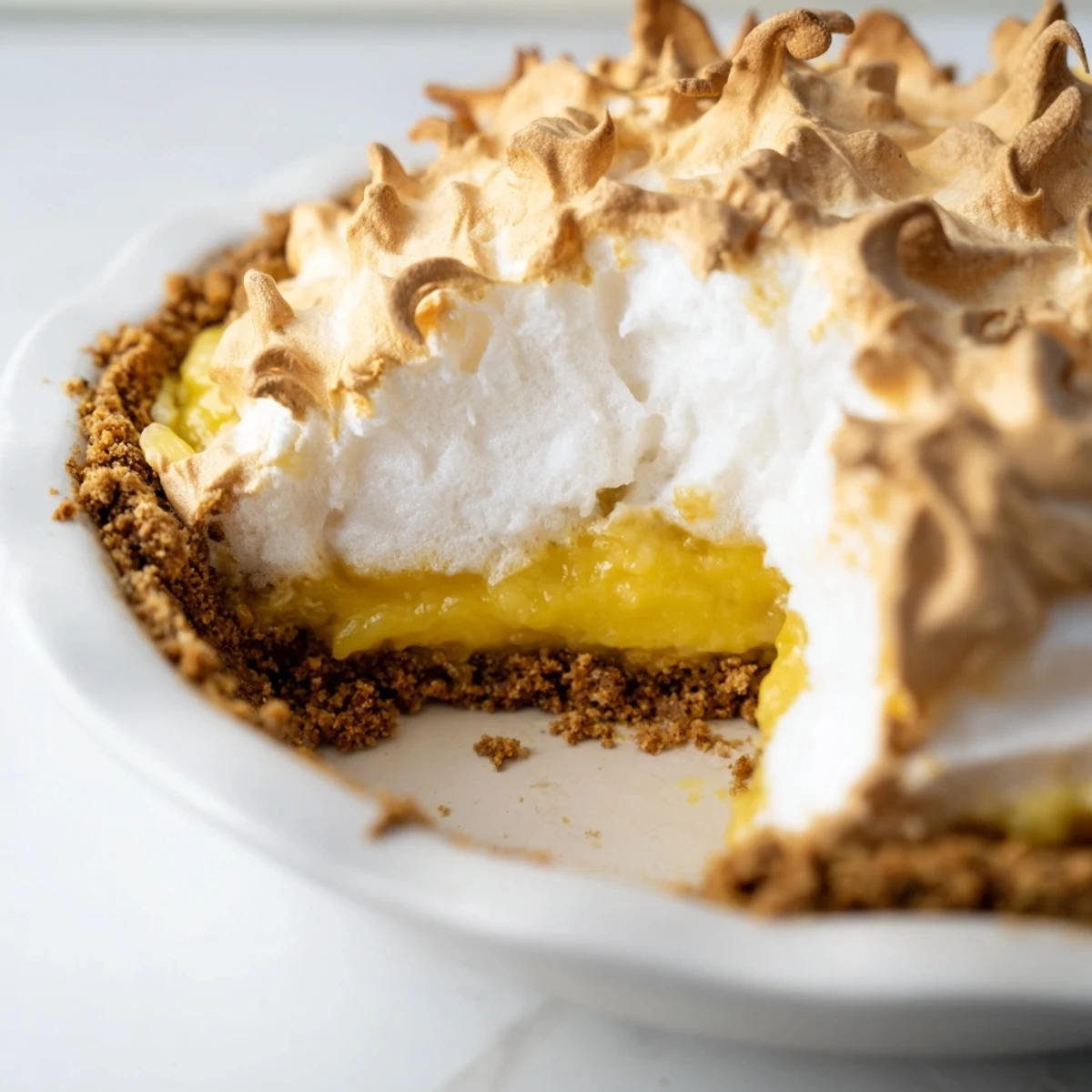
Save There is nothing quite like the first forkful of this pie when the cool tart filling meets the sweet ethereal meringue and the crunch of buttery crumbs beneath.
Common Recipe Questions
- → How do I prevent the meringue from shrinking?
-
Make sure to seal the meringue down to the edges of the crust immediately after spreading. This helps prevent shrinking during baking.
- → What can I use to substitute graham crackers for a gluten-free base?
-
Gluten-free graham cracker crumbs or crushed gluten-free cookies work well as alternative crust options.
- → How long should I chill the dessert before serving?
-
Chill the pie for at least 2 hours after cooling at room temperature to allow the filling to fully set and flavors to meld.
- → Can I add more lemon zest for extra flavor?
-
Yes, increasing lemon zest enhances the tartness and aromatic profile of the filling without altering texture.
- → Why is cream of tartar used in the meringue?
-
Cream of tartar stabilizes egg whites, helping them achieve stiff peaks and maintain their volume during baking.