
 Save
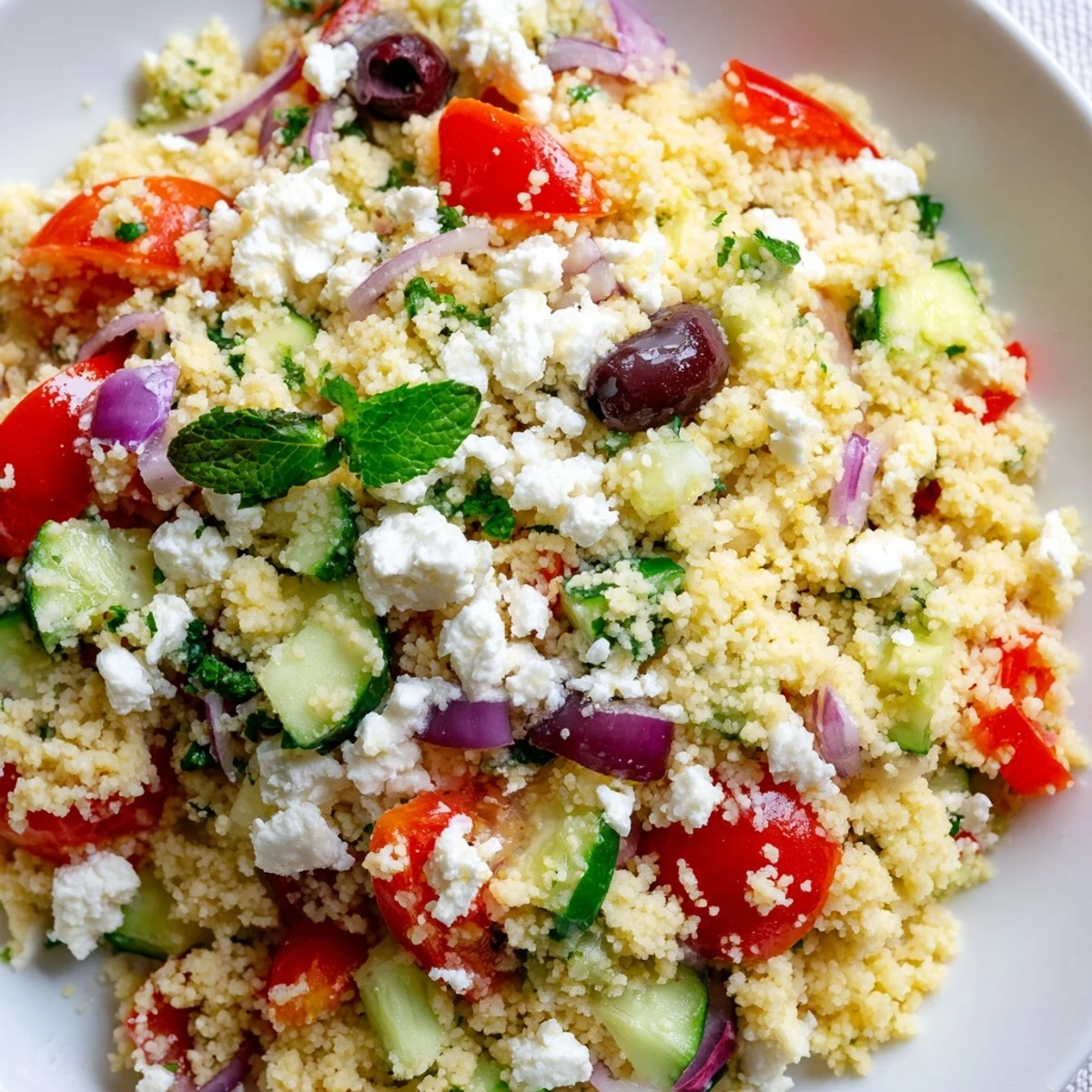
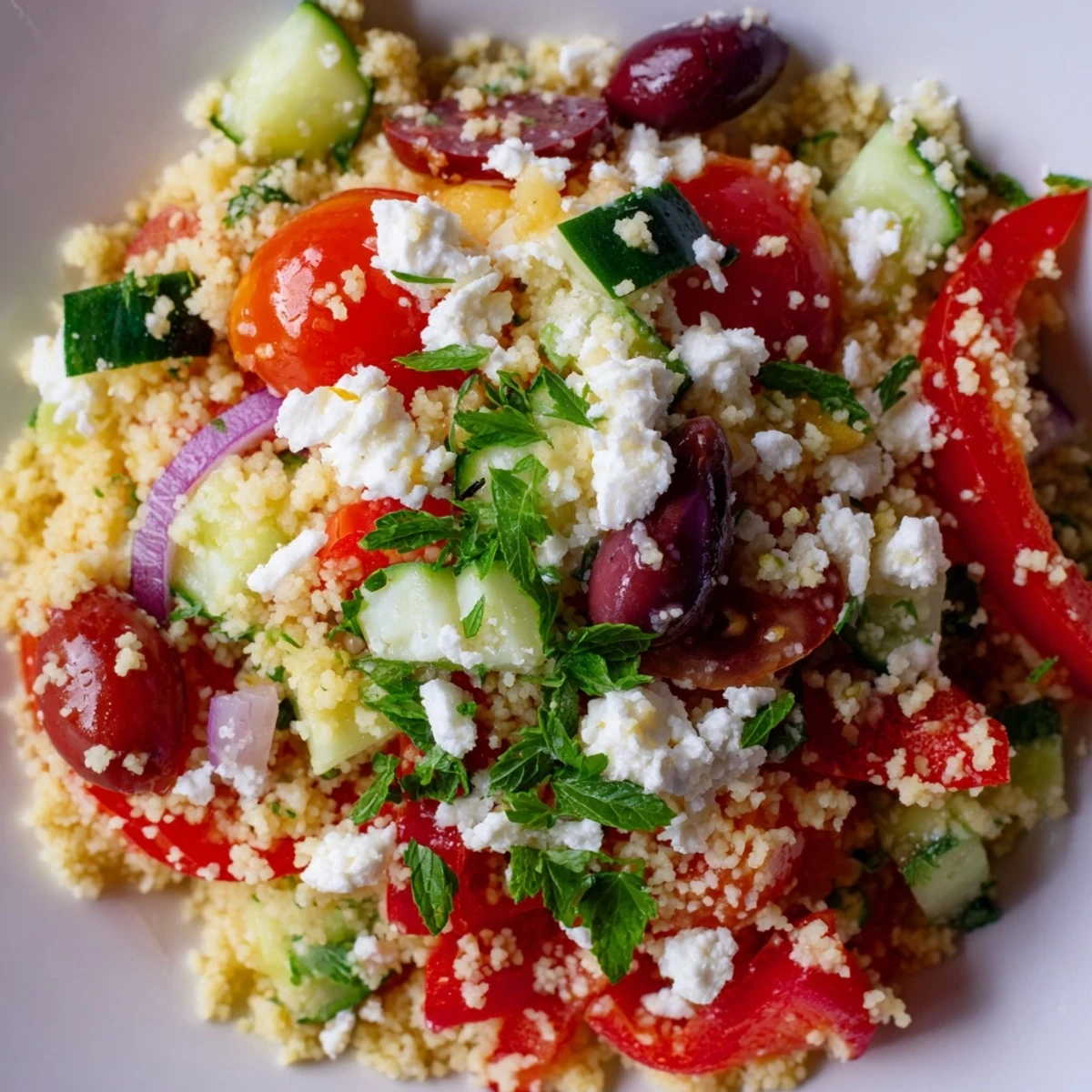
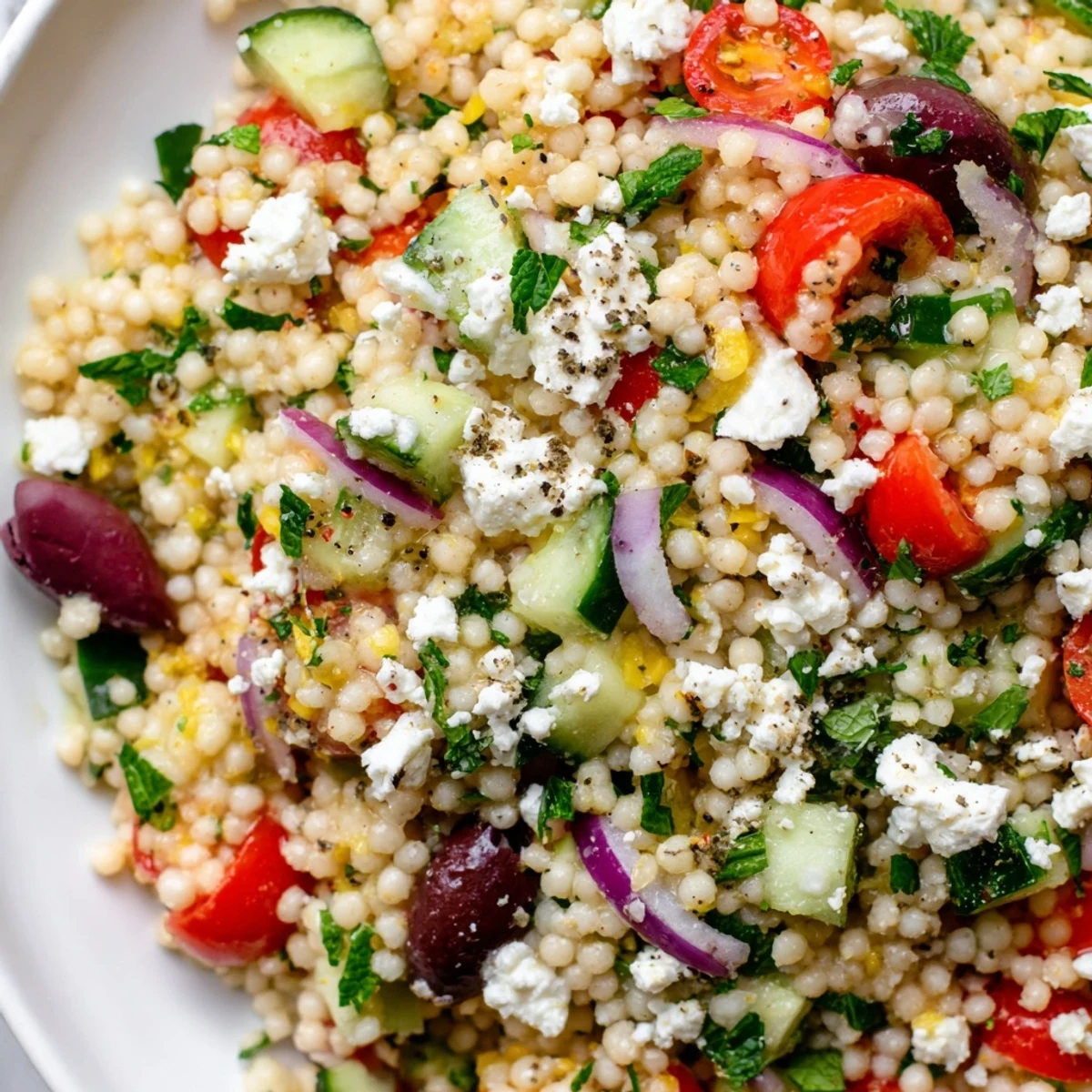
Save This Mediterranean couscous dish brings together fluffy couscous soaked with olive oil and salt, combined with halved cherry tomatoes, diced cucumber and red bell pepper, chopped red onion, and Kalamata olives. Fresh parsley and mint add herbal brightness while crumbled feta provides a creamy contrast. The zesty lemon dressing, enhanced with Dijon mustard, garlic, and oregano, ties the salad together. Perfect for quick preparation and suitable for light meals or sides, flavors meld beautifully when chilled briefly.
I discovered this salad on a sticky July afternoon when my neighbor brought it to a backyard potluck, and I spent half the party asking her for the recipe instead of mingling. The first time I made it at home, I learned that couscous is almost forgiving—just boiling water and a timer—and that the real magic happens when you let everything sit together for a few minutes, letting the dressing soak into those tiny pearls. Now it's my go-to when I need something that tastes like vacation but takes barely half an hour.
I made this for a work picnic once and watched someone go back for thirds, then ask me to email the recipe to them—still one of my favorite small victories in the kitchen. There's something about serving food that people actually get excited about that makes you feel like you've done something right.
Ingredients
- Couscous: Use the regular, fine-grain kind; it hydrates perfectly with boiling water and becomes fluffy rather than mushy if you give it exactly five minutes.
- Cherry tomatoes: Halving them instead of dicing keeps them from releasing too much liquid and getting the salad soggy.
- Cucumber: Dice it into small, even pieces so every bite feels intentional.
- Red bell pepper: The sweetness balances the salty olives and feta beautifully.
- Red onion: Chopped fine, it adds a gentle bite without overpowering; don't skip it thinking it won't matter.
- Kalamata olives: Their briny depth is non-negotiable, and halving them means better distribution throughout the salad.
- Fresh parsley and mint: These aren't garnishes here—they're essential flavor, so chop them generously and add them generously.
- Feta cheese: Crumbled by hand rather than pre-crumbled keeps the pieces larger and more luxurious.
- Extra-virgin olive oil: Use good oil; it's half the dressing, so it deserves respect.
- Lemon juice: Fresh squeezed only—bottled juice tastes flat and slightly bitter in comparison.
- Dijon mustard: Just a teaspoon acts as an emulsifier, holding the dressing together without any mustard flavor showing up.
- Garlic: One clove, minced small, provides backbone without becoming aggressive.
- Oregano: Dried oregano has a warmer, slightly sweet note that feels more Mediterranean than fresh would here.
Instructions
- Toast the couscous gently:
- Combine the dry couscous with a tablespoon of olive oil and salt in a large bowl, stirring so each grain gets a light coating. This small step keeps the couscous from clumping and gives it a subtle, toasted flavor.
- Add boiling water and let it rest:
- Pour the boiling water over the couscous, give it one good stir, cover the bowl tightly with a lid or plate, and set a timer for exactly five minutes. The steam does all the work while you prepare the vegetables.
- Fluff and cool:
- After five minutes, use a fork to gently separate the grains, breaking up any clumps that formed. Spread the couscous on a plate or back into the bowl to let it cool slightly so the hot grains don't wilt your fresh herbs.
- Dice everything evenly:
- While the couscous cools, prep all your vegetables into similar-sized pieces so they cook evenly and feel balanced in each spoonful. Aim for small, neat cuts rather than rough chunks.
- Whisk the dressing until silky:
- In a small bowl, combine the olive oil, fresh lemon juice, Dijon mustard, minced garlic, and oregano. Whisk continuously for about a minute until the mixture becomes pale and slightly thick, which means the mustard has emulsified the oil and lemon into something cohesive.
- Combine everything with intention:
- Once the couscous is cool, add the tomatoes, cucumber, bell pepper, red onion, olives, parsley, and mint, then pour the dressing over everything. Toss gently with two forks or your hands, turning the salad over itself until every grain seems to have touched the dressing.
- Fold in the feta last:
- Add the crumbled feta cheese last, folding it in gently so the pieces stay intact and don't get crushed into powder. Taste and adjust the salt and pepper if you need it.
- Let it rest before serving:
- Serve it immediately if you prefer everything crisp, or cover and refrigerate for 20 to 30 minutes to let all the flavors settle into each other. Both ways are good; it just depends on your mood.
 Save
Save My favorite memory with this salad is a surprise—it wasn't about cooking it, but about eating it at a sunrise breakfast with people I'd just met the night before. Something about sharing food with strangers that's this simple and generous makes you feel less like strangers pretty quickly.
Variations and Add-Ins
This salad is forgiving and excited about additions, so treat it like a canvas. Grilled chicken becomes a lunch that actually fills you up, and I've added white beans and called it a full dinner for two. Some nights I toss in halved artichoke hearts or roasted chickpeas for crunch, and other times I swap half the couscous for quinoa without anyone noticing or caring.
Storage and Make-Ahead Strategy
This salad lives beautifully in the refrigerator for up to 24 hours, making it one of those rare dishes that actually tastes better the next day as flavors deepen. Keep the feta and herbs separate if you're storing it overnight, adding them when you're ready to eat so they stay bright and fresh.
Why This Recipe Works
There's a reason this salad appears on picnic blankets and at potlucks everywhere—every single element serves the whole. The couscous is neutral enough to let the vegetables shine but substantial enough to make you feel satisfied, and the dressing is bright without being aggressive.
- The ratio of dressing to salad is generous but not heavy, so you never feel like you're drowning in oil.
- Each ingredient has a different texture, making every bite interesting instead of mushy or monotonous.
- It's flexible enough for weeknight lunches and elegant enough for entertaining without any last-minute panic.
 Save
Save This salad is what I cook when I want to feel capable and generous without spending hours in the kitchen. It's become one of those recipes I make on automatic now, which somehow makes it taste even better.
Common Recipe Questions
- → How do you fluff couscous properly?
-
After soaking the couscous in boiling water and olive oil, use a fork to gently separate the grains, creating a light, airy texture.
- → Can I prepare this salad ahead of time?
-
Yes, refrigerate for up to a day to allow flavors to meld, though adding feta just before serving keeps it fresh.
- → What variations can be added for extra protein?
-
Grilled chicken, chickpeas, or tuna can be folded in to boost protein content without overpowering the freshness.
- → Is it possible to make a dairy-free version?
-
Omit the feta or substitute with plant-based cheese to accommodate dairy-free preferences.
- → How should the lemon dressing be emulsified?
-
Whisk olive oil, lemon juice, Dijon mustard, garlic, oregano, salt, and pepper vigorously until the mixture is well combined and slightly creamy.
- → What tools are recommended for preparing this dish?
-
Use a large mixing bowl for the couscous, a small bowl for dressing, a whisk for emulsifying, and a chef's knife and cutting board for chopping vegetables.