
 Save
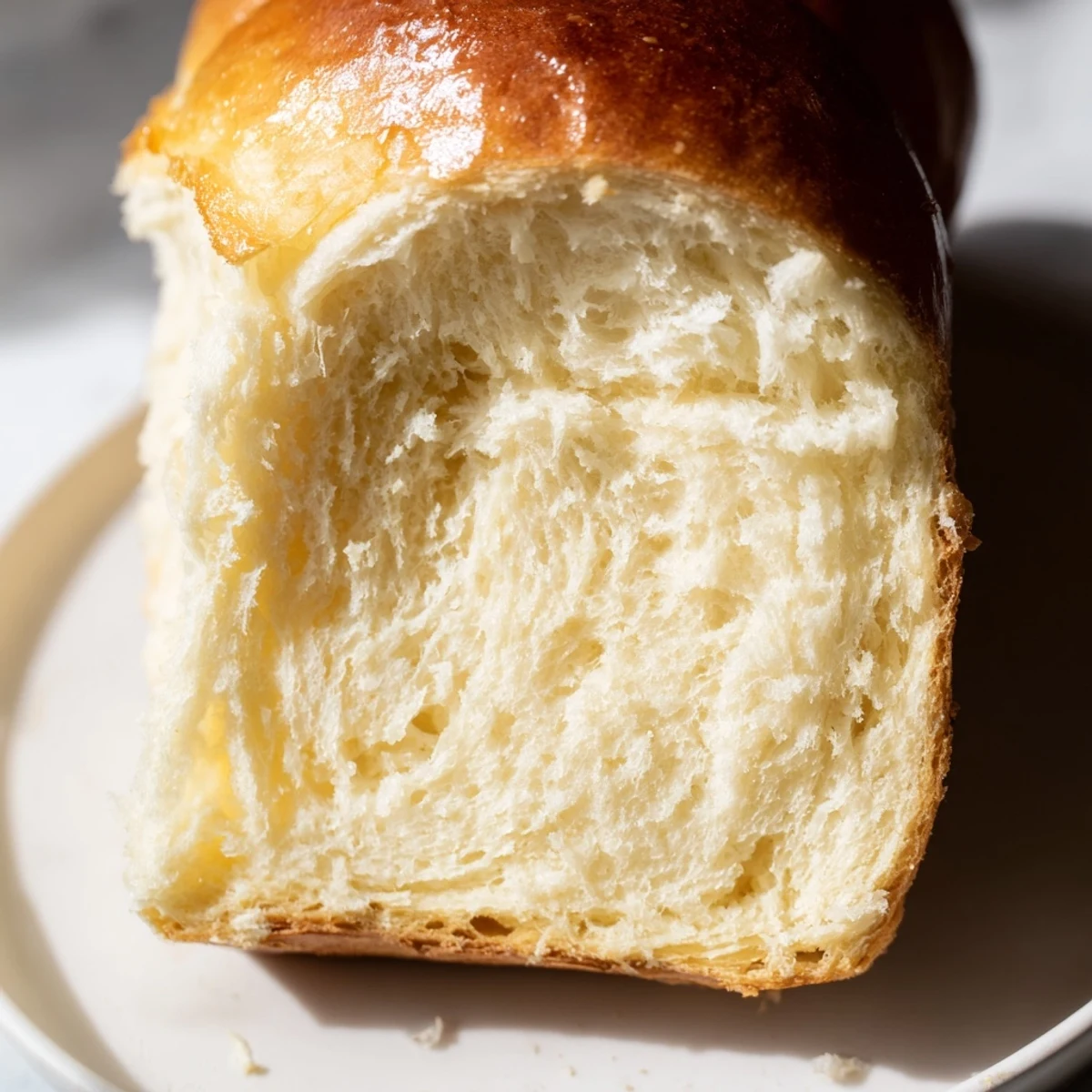
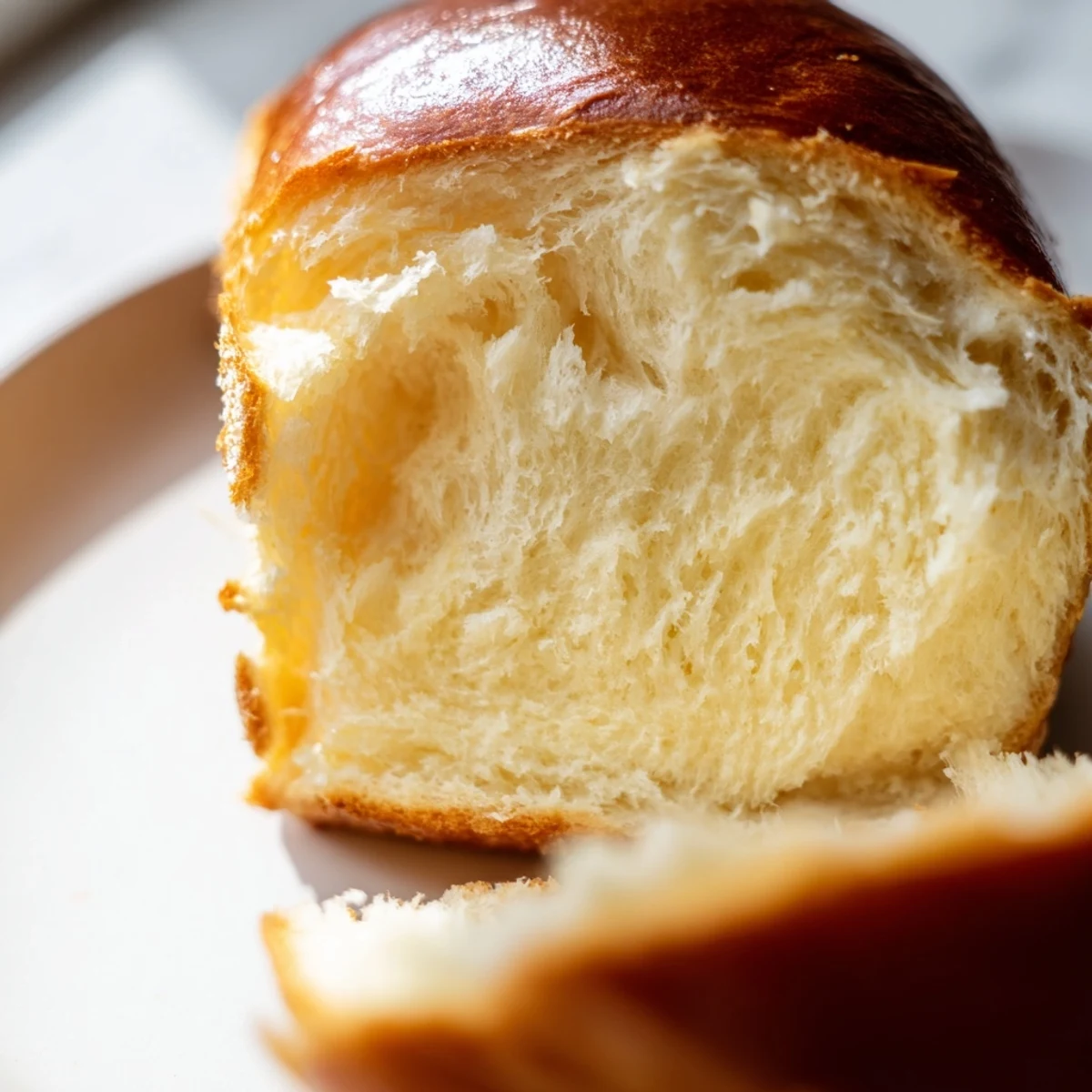
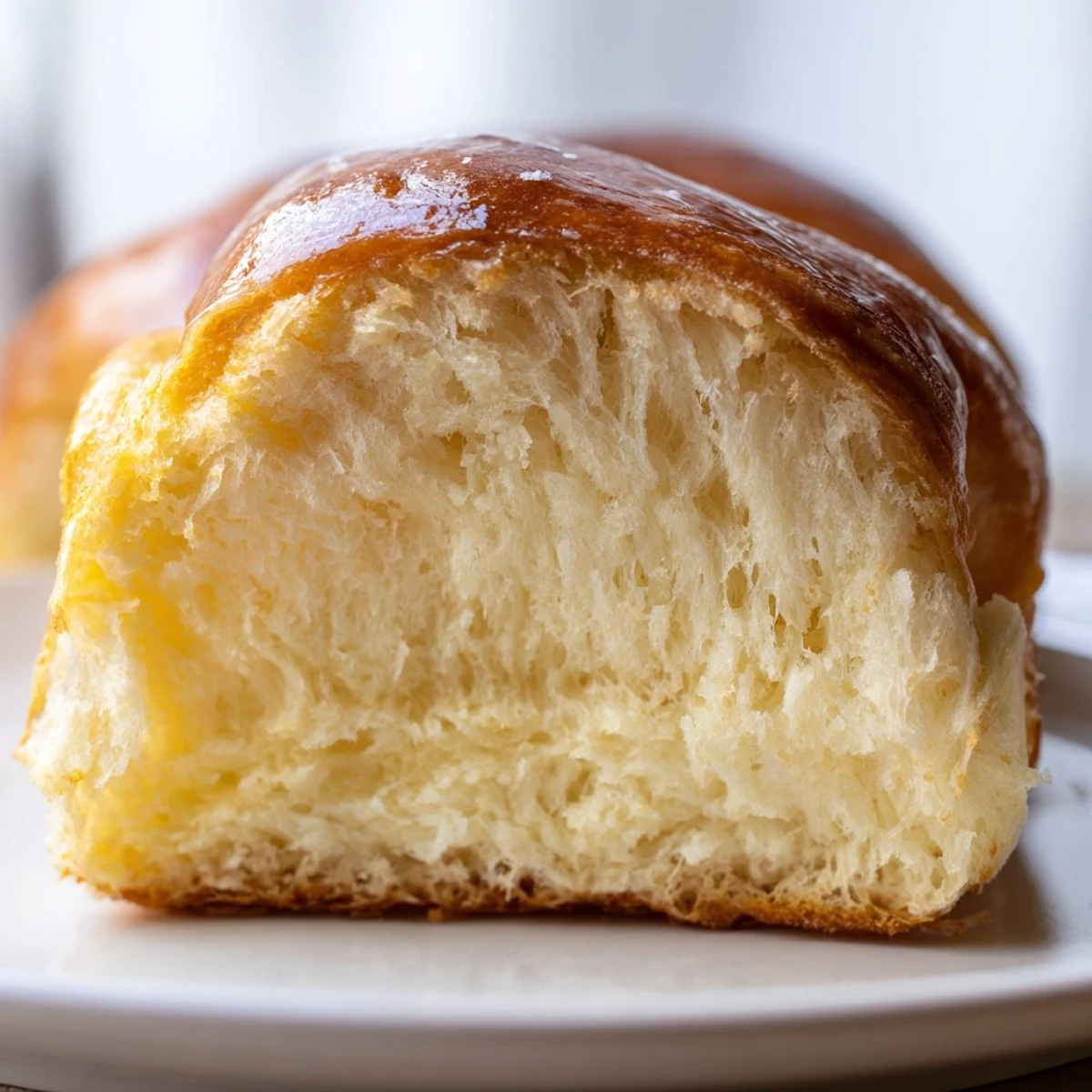
Save This classic French milk brioche combines soft, pillowy dough with rich butter and milk, creating a tender crumb and a shiny golden crust. The dough undergoes two rises for added fluffiness before being braided or shaped into a loaf. An egg wash imparts a glossy finish. Perfect for breakfast, brunch, or a satisfying snack, this bread benefits from a stand mixer and requires moderate time and effort. Optional variations include adding orange zest or chocolate chips for extra flavor. It freezes well and pairs wonderfully toasted with jam or honey.
My tiny Paris apartment kitchen barely fit the stand mixer, but that rainy afternoon I decided brioche was worth the chaos. Butter coated every surface, flour dusted my pajamas, and the whole building probably smelled like yeast by dusk. When that golden braided loaf emerged from my battered oven, I knew I'd never buy bakery brioche again.
Last Sunday my neighbor knocked on my door, following the incredible buttery aroma wafting through the hallway. I ended up sharing half the loaf with her over coffee, watching her eyes light up at that tender milk soaked crumb. Now she asks me every week if brioche is on the menu.
Ingredients
- 500 g all-purpose flour: The foundation that gives structure while staying incredibly tender
- 60 g granulated sugar: Just enough to hint at sweetness without becoming dessert
- 10 g instant yeast: Makes the dough rise beautifully and develop those signature air pockets
- 8 g fine sea salt: Crucial for balancing all that rich butter and sugar
- 4 large eggs room temperature: Creates that signature yellow crumb and adds richness
- 120 ml whole milk lukewarm: The secret to a softer more tender crumb than water based doughs
- 150 g unsalted butter softened: The soul of brioche, folded in slowly for that luxurious mouthfeel
- 1 egg yolk: Mixed with milk for that gorgeous burnished finish
- 1 tbsp whole milk: Thins the egg wash for the perfect golden sheen
Instructions
- Mix the dry foundation:
- Combine flour, sugar, yeast, and salt in your stand mixer bowl, letting the paddle briefly distribute everything evenly
- Bring it together:
- Add those room temperature eggs and warm milk, mixing on low until you see a rough shaggy dough taking shape
- Develop the structure:
- Knead on medium for 5 minutes, watching the dough transform from clumsy to cohesive and smooth
- Incorporate the butter:
- Add softened butter cubes one handful at a time, letting each addition fully disappear before adding more
- Finish the kneading:
- Continue for another 10 minutes until the dough becomes glossy, elastic, and practically pulls itself from the bowl sides
- First rise:
- Shape into a smooth ball, place in a greased bowl, cover, and let it double in a warm spot for 1 to 1.5 hours
- Shape your loaf:
- Gently deflate, divide into three equal ropes, braid them together, and nestle into your buttered loaf pan
- Second rise:
- Cover loosely and let the brioche puff up for 45 minutes until it looks nearly doubled and gorgeously domed
- Prepare for baking:
- Whisk the egg yolk with milk until smooth, then gently brush over the risen dough without pressing down
- Bake to perfection:
- Bake at 180°C for 25 to 30 minutes until deeply golden and a skewer comes out clean from the center
- Cool completely:
- Let it rest in the pan for 10 minutes before turning onto a wire rack to cool fully before slicing
 Save
Save My daughter now requests this for her birthday breakfast every year, choosing brioche over cake. Watching her spread homemade strawberry jam on a thick slice, still warm from the toaster, feels like passing down something precious.
The Secret To The Perfect Rise
I learned the hard way that cold butter equals dense disappointing bread. Leave your butter out overnight, and pop your eggs in a bowl of warm water for 15 minutes before starting. This tiny attention to temperature detail is what separates good brioche from the kind that makes people ask for your recipe.
Getting That Glossy Finish
The egg wash does more than make things pretty, it creates that delicate crunchy crust that shatters when you bite into soft tender crumb. Be gentle when brushing, especially after the second rise, or you will deflate all your hard work. One light even coat is all you need.
Make It Your Own
Once you have mastered the classic dough, try folding in dark chocolate chunks or candied orange zest during the final minute of kneading. The variations that work best are those that complement rather than overwhelm that delicate buttery balance. I keep a small portion plain just to remind myself how good the original tastes.
- Substitute orange blossom water for half the milk for a floral Provencal twist
- Brush warm brioche with honey for an extra sticky sweet finish
- Start this the night before and let the first rise happen in the refrigerator
 Save
Save There is something profoundly satisfying about turning simple ingredients into something this extraordinary. May your kitchen always smell like butter and possibility.
Common Recipe Questions
- → What makes brioche bread soft and buttery?
-
The high butter and milk content, along with eggs, contribute to its tender crumb and rich flavor, while prolonged kneading develops elasticity.
- → How long should the dough rise for best texture?
-
The dough should rise twice: first for 1 to 1.5 hours until doubled, then again for 45 minutes after shaping to ensure a light, airy loaf.
- → Can I use heavy cream instead of milk?
-
Yes, replacing half the milk with heavy cream adds extra richness and softness to the bread's texture.
- → What is the purpose of the egg wash on brioche?
-
Brushing the loaf with egg yolk and milk before baking gives the crust a shiny, golden appearance and enhances color.
- → How should brioche be stored to maintain freshness?
-
Once cooled, slice and store in an airtight bag in the freezer for up to one month to preserve softness and flavor.
- → Can brioche be customized with additional flavors?
-
Absolutely, ingredients like orange zest or chocolate chips can be added for a unique twist on the traditional loaf.