
 Save
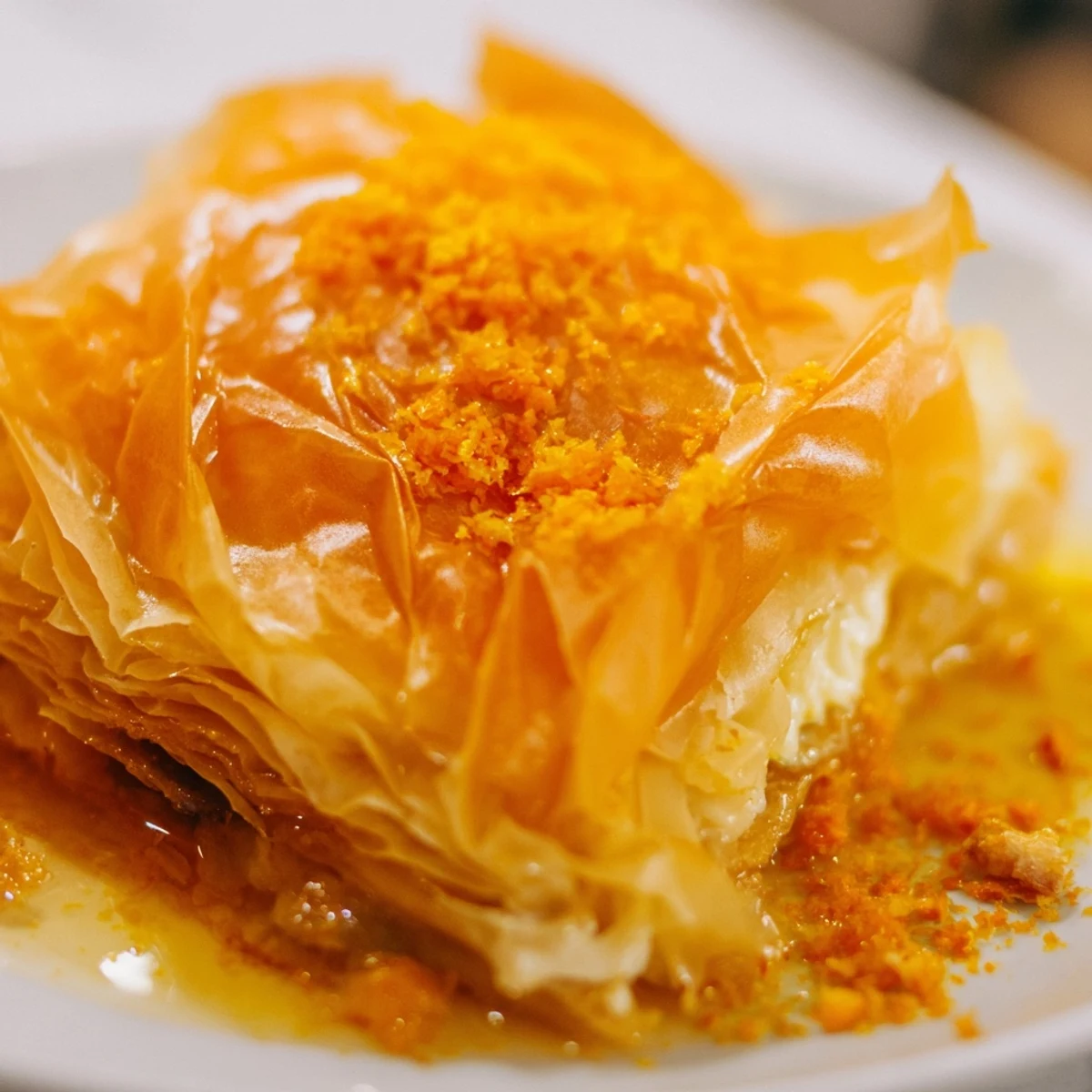
Save Portokalopita is a beloved Greek dessert that transforms simple phyllo sheets into an extraordinary citrusy treat. The unique preparation involves drying and crumpling phyllo before combining it with a rich yogurt-egg batter, then baking until golden and crisp. The magic happens when hot syrup meets the warm pastry, creating those signature tender-crisp layers. Fresh orange zest and juice provide bright citrus notes, while cinnamon adds warm depth. This dessert requires patience—the phyllo needs time to dry, and the finished cake must rest for hours to absorb all that flavorful syrup properly.
My yiayia never measured anything when she made portokalopita, yet hers was always the one people talked about long after the family gathering ended. I spent years trying to decode what made hers so impossibly moist while mine turned out dry in patches. The secret, I finally realized, wasnt in the measurements at all. It was in how she handled the phyllo sheets, letting them dry just enough to become thirsty little sponges eager for that syrup.
Last summer, I made this for a dinner party where half the guests claimed they didnt care for Greek desserts. By the time wed reached the coffee course, every single person was hovering around the kitchen asking when I could make it again. Theres something about the combination of tangy yogurt and sweet orange syrup that wins people over before they realize whats happening.
Ingredients
- Phyllo sheets: Thaw overnight in the fridge, then let them sit uncovered for an hour to dry slightly. This drying step is what makes them absorb the syrup beautifully instead of turning soggy.
- Greek yogurt: Full fat is essential here. The thickness and tang create the perfect balance against the sweet syrup, and low fat versions just dont give the same luxurious texture.
- Granulated sugar: Used in both the custard and the syrup. Dont reduce this, as the sugar in the custard helps create that golden crackly top.
- Light olive oil: Adds a subtle fruity note while keeping things moist. Sunflower works too, but olive oil gives it that authentic Greek kitchen soul.
- Orange zest: Use a microplane to get just the fragrant outer layer. The zest in both components layers the citrus flavor throughout every bite.
- Baking powder: Gives the custard just enough lift to create those airy pockets that hold onto the syrup like little treasure chests.
- Water and orange juice: The base of your syrup. Fresh squeezed juice makes a noticeable difference, so skip the carton stuff this time.
- Cinnamon stick: One whole stick infuses the syrup with warmth without overpowering the bright orange notes. Remove it before pouring.
Instructions
- Preheat and prepare your dish:
- Heat your oven to 180°C (350°F) and give a 23x33 cm baking dish a light coat of oil. Make sure the dish has good edges to contain all that syrup later.
- Prepare the phyllo sheets:
- Remove phyllo from packaging and spread them out to dry for about an hour. Then crumple each sheet into rough pieces, creating lots of surface area for the batter to cling to.
- Whisk the custard base:
- In a large bowl, beat eggs and sugar until pale and thick, about 3 minutes. This aeration helps create that lighter texture we want.
- Add the wet ingredients:
- Stir in yogurt, oil, vanilla, orange zest, and baking powder until everything is smooth and combined. The mixture should feel creamy and glossy.
- Combine everything:
- Fold in those crumpled phyllo pieces gradually, making sure each shard gets coated in batter. Pour into your prepared dish and smooth the top.
- Bake until golden:
- Bake for 40 to 45 minutes until deep golden and a skewer comes out clean. You want those crispy edges and a set center.
- Make the syrup:
- While the pie bakes, combine water, sugar, orange juice, cinnamon stick, and orange zest in a saucepan. Simmer for 8 minutes, then cool completely. The syrup MUST be cool before pouring.
- Syrup and rest:
- Pour the cooled syrup slowly over the hot pie, watching it disappear into all those crispy crevices. Let it rest for at least 2 hours before serving.
 Save
Save This recipe has become my go to for bringing to friends who are going through hard times. Something about comfort food that takes time to make, then requires you to wait patiently before eating, seems to say the right things when words feel inadequate.
Making It Ahead
Portokalopita actually gets better with time, making it ideal for preparing the day before you need it. The syrup continues to work its way through the pastry, creating an even more cohesive texture by the second day. Store covered at room temperature.
Serving Suggestions
While this dessert is perfect on its own, a dollop of freshly whipped cream or a scoop of vanilla ice cream provides a lovely contrast. The cold cream against the syrup soaked cake creates this incredible temperature play that keeps each bite interesting. In winter, I sometimes serve it slightly warmed.
Getting The Texture Right
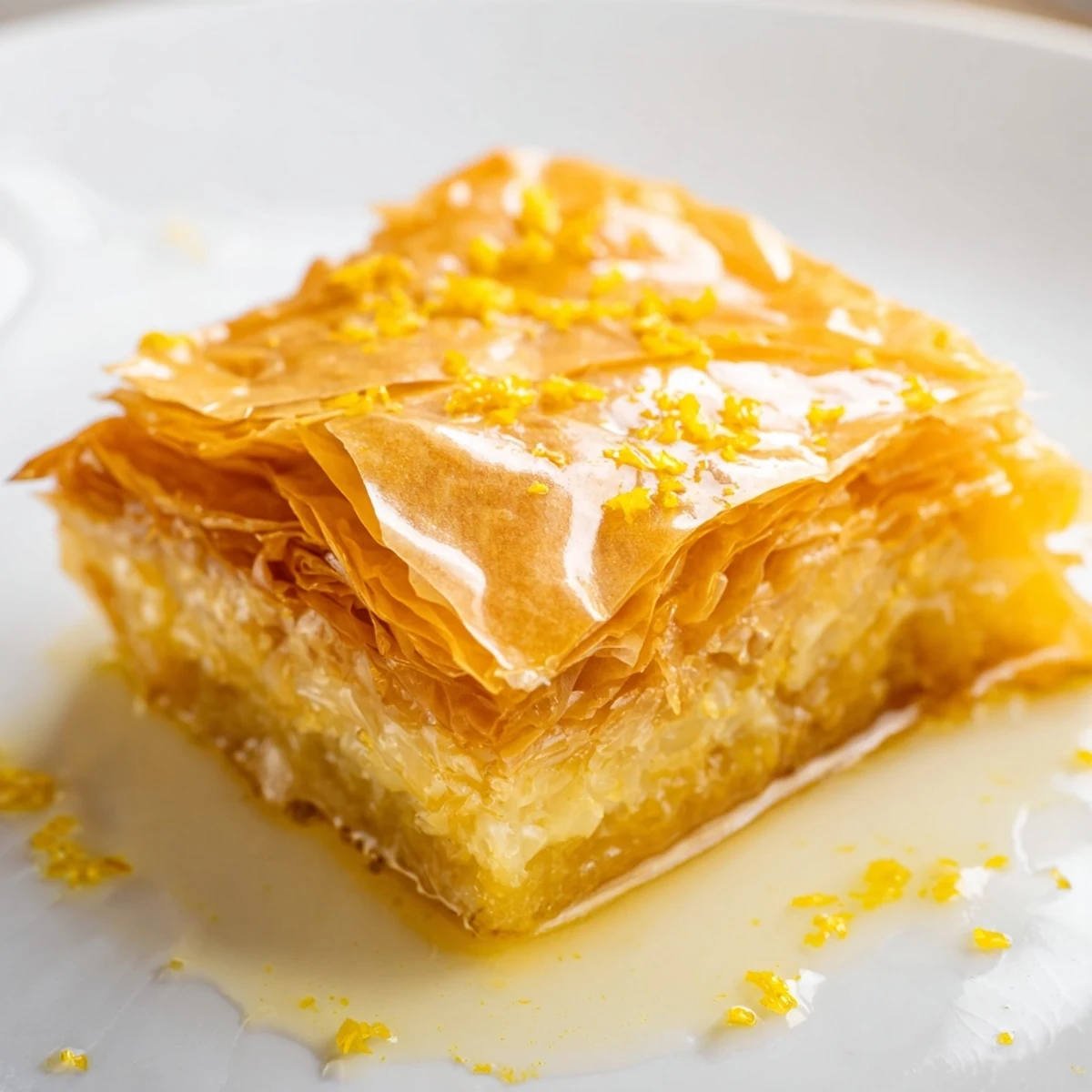
The contrast between slightly crisp edges and syrup soaked center is what makes this dessert sing. Resist the urge to pour all the syrup at once, letting each addition absorb before adding more. This patience creates those distinct layers of texture throughout.
- Use a ladle to control the syrup pouring speed and prevent flooding any one area
- If your pie seems dry after 2 hours, it probably did not absorb enough syrup
- The pie should wobble slightly when gently shaken, indicating proper syrup absorption
 Save
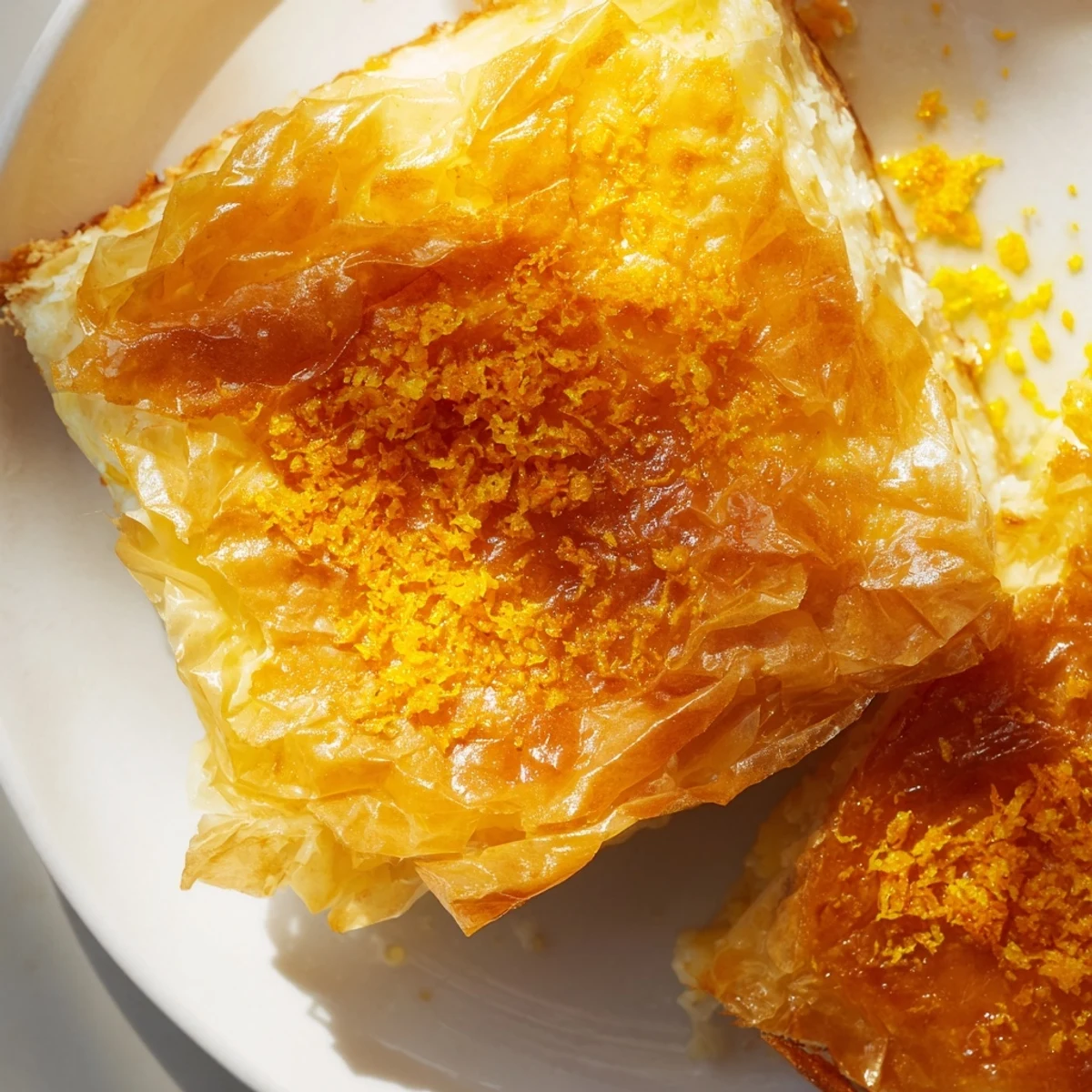
Save Every time I serve this, someone asks for the recipe, and every time I think of my yiayia, laughing in her sunny kitchen while orange zest filled the air. Some recipes are just meant to be shared.
Common Recipe Questions
- → Why do I need to dry out the phyllo sheets?
-
Drying the phyllo sheets for about an hour makes them easier to crumple and helps them absorb the batter and syrup better. Fresh, moist phyllo won't create the desired crispy texture in the final dessert.
- → Can I use low-fat yogurt instead of full-fat?
-
Full-fat Greek yogurt is recommended for the best texture and richness. Low-fat versions may result in a less creamy consistency and could affect how the phyllo pieces hold together during baking.
- → How long should I let the dessert soak before serving?
-
Allow at least 2 hours for the syrup to fully absorb, though overnight is even better. This resting period is crucial for achieving the perfect tender-crisp texture that makes Portokalopita so special.
- → Can I make Portokalopita ahead of time?
-
Absolutely! In fact, this dessert tastes better the next day as flavors deepen and the texture improves. Store covered at room temperature for up to 3 days or refrigerate for longer keeping.
- → What's the purpose of adding orange liqueur to the syrup?
-
Orange liqueur like Grand Marnier enhances the citrus flavor and adds sophisticated depth. It's optional but creates a more complex, adult version of this classic Greek treat.
- → Why must the syrup be cool before pouring over hot cake?
-
Pouring cool syrup over hot pastry ensures even absorption and prevents the phyllo from becoming soggy. This temperature contrast is the secret to achieving those distinct crispy-tender layers.