
 Save
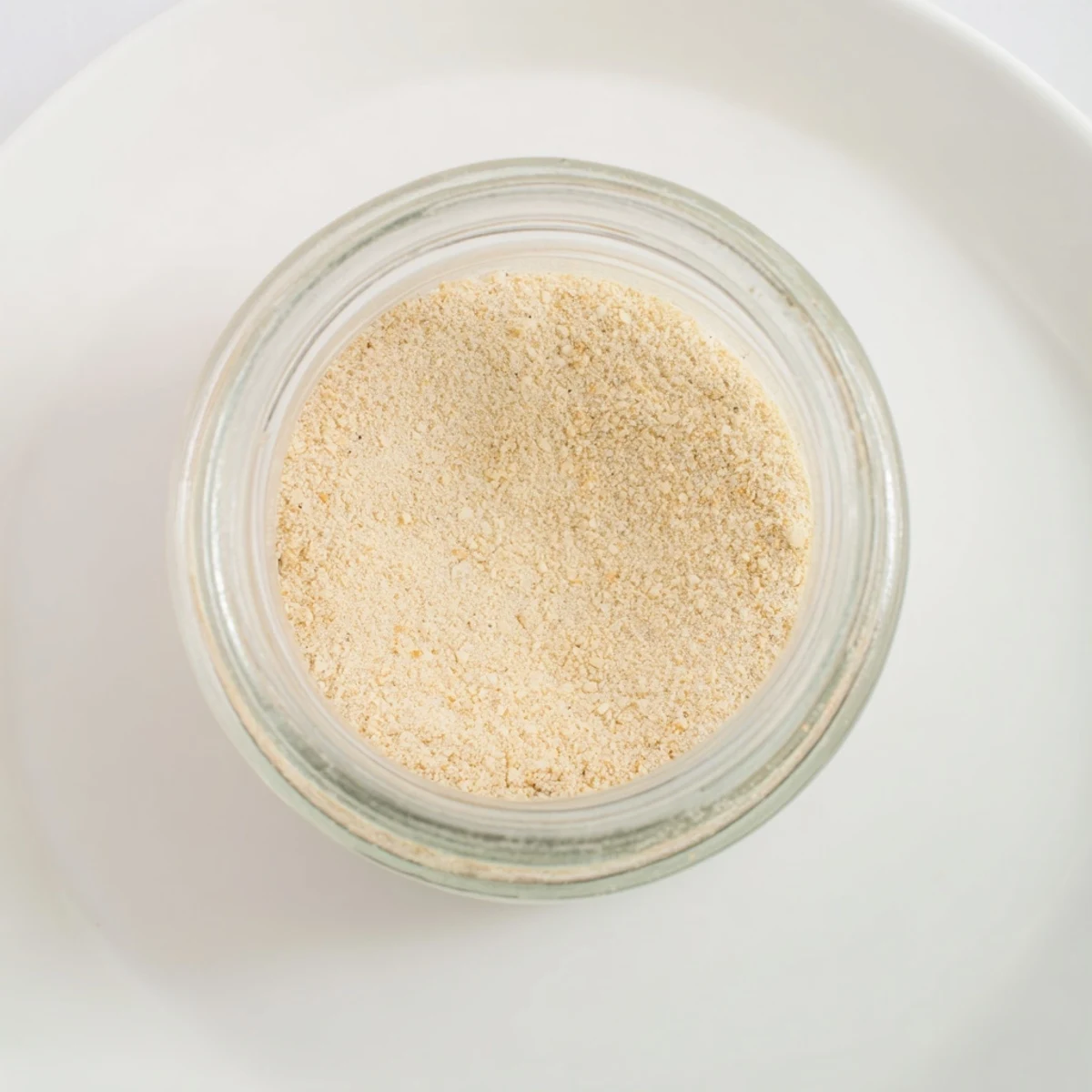
Save This method transforms fresh garlic cloves into a fine, aromatic powder by slowly dehydrating thin slices before grinding them. The process enhances garlic's savory depth and longevity, making it easy to store and use in a variety of dishes. Simply slice peeled cloves thin, dry them at low heat for two hours, cool completely, then grind into a powder. Use the powder to boost flavor in marinades, soups, sauces, and roasted vegetables with convenience and intensity.
My kitchen smelled like a vampire's nightmare the afternoon I decided to make garlic powder from scratch. I'd been standing in front of a bulb at the farmer's market, thinking there had to be a better way than buying those tiny jars, and something just clicked. Ten minutes later, I was peeling cloves at my counter, my fingers already stained yellow, and I realized I was about to transform something so simple and obvious into something I'd never quite thought to do myself.
I made this for the first time right before hosting a dinner party where I wanted to impress without obvious effort. While my guests mingled in the living room, the oven hummed quietly at the lowest temperature, and I kept sneaking back to check on the garlic slices, watching them curl and lose their moisture like tiny translucent leaves. By the time I ground them into powder and sprinkled it into my herb rub for roasted chicken, I felt like I'd unlocked some secret that had been hiding in my pantry the whole time.
Ingredients
- Garlic: Ten large cloves, peeled and ready to surrender their moisture and punch. Fresh is everything here, and if you can grab hardneck varieties from a farmer's market, they have a more assertive, almost spicy depth that transforms into something genuinely special.
Instructions
- Set the stage gently:
- Preheat your oven to 150°F or your dehydrator to its lowest setting. This slow, forgiving heat is the whole secret—rushing with high temperatures just turns garlic bitter and angry.
- Slice with intention:
- Use a sharp knife or mandoline to cut peeled cloves as thin as you can manage, aiming for almost translucent slices. Uneven pieces will confuse your timing, so take your time here.
- Arrange and forget:
- Lay slices in a single layer on a parchment-lined sheet or dehydrator tray, giving each one space to breathe. Crowding them means steam instead of dehydration.
- Watch the transformation:
- Dehydrate for about 2 hours, turning once halfway through when you notice they're starting to curl and lighten. You want them completely brittle and papery, not chewy.
- Cool with patience:
- Let everything come to room temperature before grinding. Warm garlic can clump and frustrate you in ways you don't expect.
- Grind into gold:
- Use a spice grinder or high-speed blender to break the dried slices into fine powder. A few pulses go a long way, and stop before it becomes paste.
- Seal and store:
- Transfer to an airtight container and keep in a cool, dry place where it'll stay potent for months.
 Save
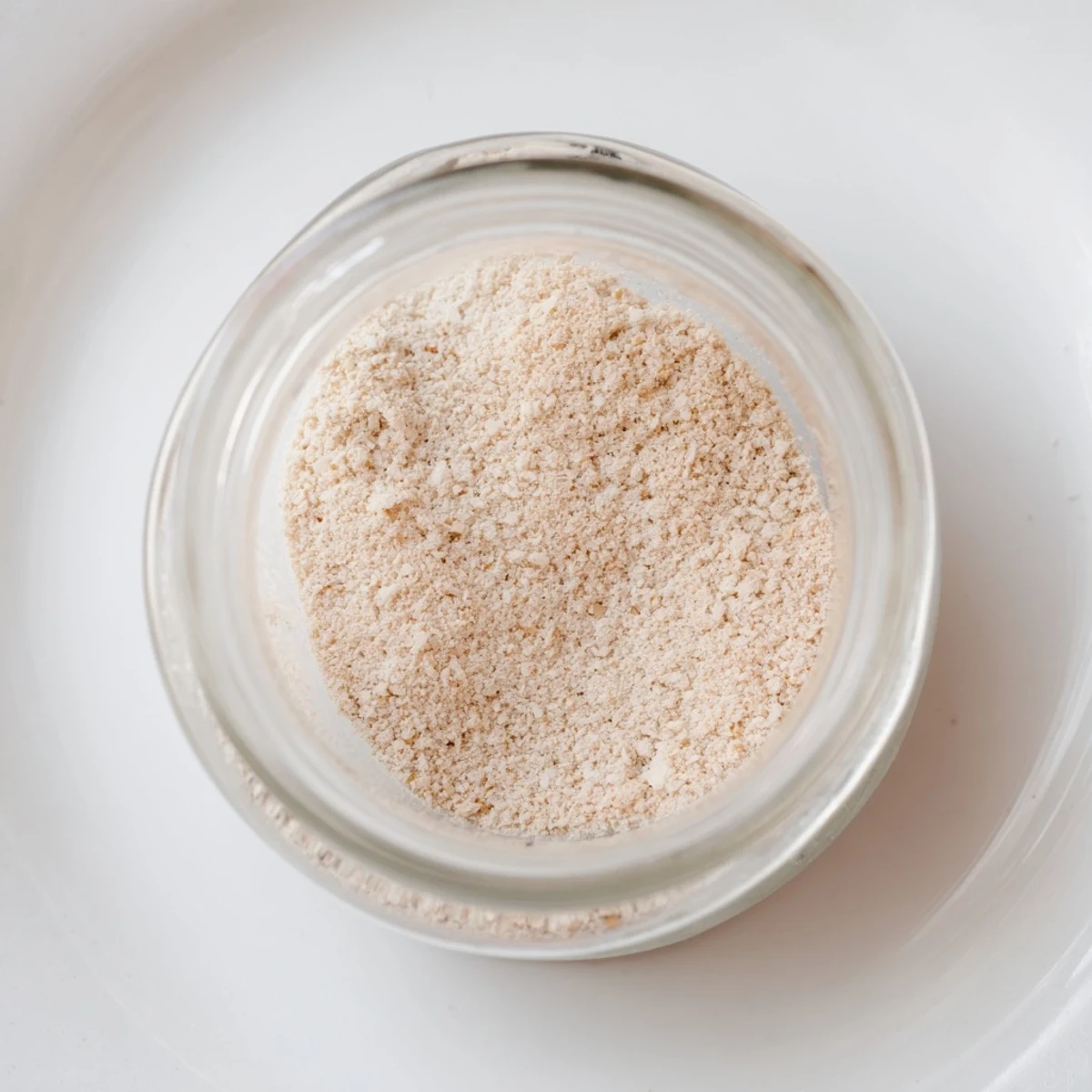
Save The first time I actually used my homemade garlic powder was in a spice rub for ribs at a casual backyard thing, and someone asked me what secret ingredient made it so good. I just smiled and said garlic, which was true but not the whole truth—the real secret was that I'd made it myself, which somehow made it taste better just by knowing where it came from.
When to Reach for Homemade
Store-bought garlic powder has its place, but homemade feels different the moment you open the jar. It's brighter, sharper, and hasn't been sitting in a warehouse for who knows how long. I use mine in marinades where I want garlic to whisper rather than shout, in spice rubs where it's one player in an orchestra, and scattered on roasted vegetables when I want them to taste like they were cooked over an actual fire.
The Equipment Question
You don't need fancy gear for this, but the right tools matter quietly. A sharp knife makes slicing less of a chore, and a decent spice grinder—even an old coffee grinder you've retired from coffee—turns those brittle slices into powder instead of chips. If you don't have a dehydrator, your oven works perfectly fine as long as you can set it to 150°F and remember to check on things.
Troubleshooting and Small Wins
If your powder comes out clumpy, it likely wasn't dry enough or picked up moisture from the air. If it tastes bitter instead of sweet and savory, the temperature crept too high during dehydration. Both are just information for next time, not failures. The beautiful thing about making garlic powder is that even if something goes slightly wrong, you end up with seasoning that's still infinitely better than nothing.
- Always let your garlic cool completely before grinding, or you'll end up with a clumpy paste that won't cooperate.
- If you're doubling the recipe, resist the urge to stack slices on your tray—give them space and add time instead.
- Label your container with the date you made it so you remember to use it while it's at peak potency.
 Save
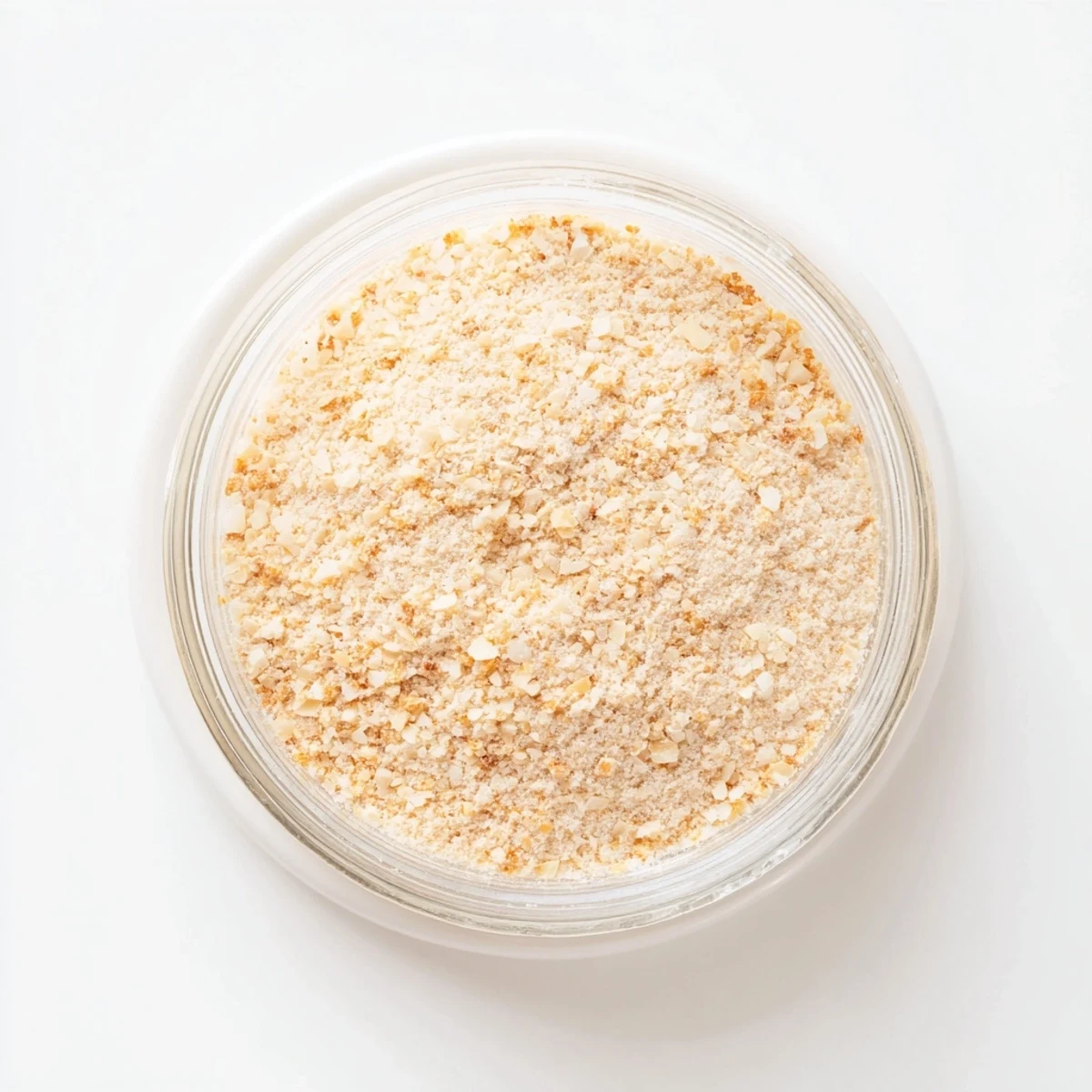
Save Making garlic powder taught me that sometimes the most worthwhile kitchen projects are the ones that feel almost too simple to bother with. Now I keep a jar on hand like a favorite tool, reaching for it when I want the flavor of fresh garlic without the preparation, and every time I use it, I remember standing at that farmer's market and thinking there had to be a better way.
Common Recipe Questions
- → How long does dehydrating garlic slices take?
-
It takes about two hours at a low temperature (150°F or 65°C) to fully dry thin garlic slices until brittle.
- → What equipment is needed to make powdered garlic?
-
A dehydrator or low-heat oven, a sharp knife or mandoline for slicing, and a spice grinder or blender to pulverize the dried pieces are essential.
- → Can I use different types of garlic?
-
Yes, hardneck garlic varieties tend to provide a more intense flavor when dried and powdered.
- → How should powdered garlic be stored?
-
Keep the powder in an airtight container stored in a cool, dry place to preserve freshness and potency.
- → What are common uses for powdered garlic?
-
It adds depth to marinades, spice rubs, soups, sauces, and roasted vegetables, enhancing dishes with concentrated savory notes.
- → Is powdered garlic gluten-free and vegan?
-
Yes, it naturally contains no gluten or animal products, suitable for vegan and gluten-free diets.