
 Save
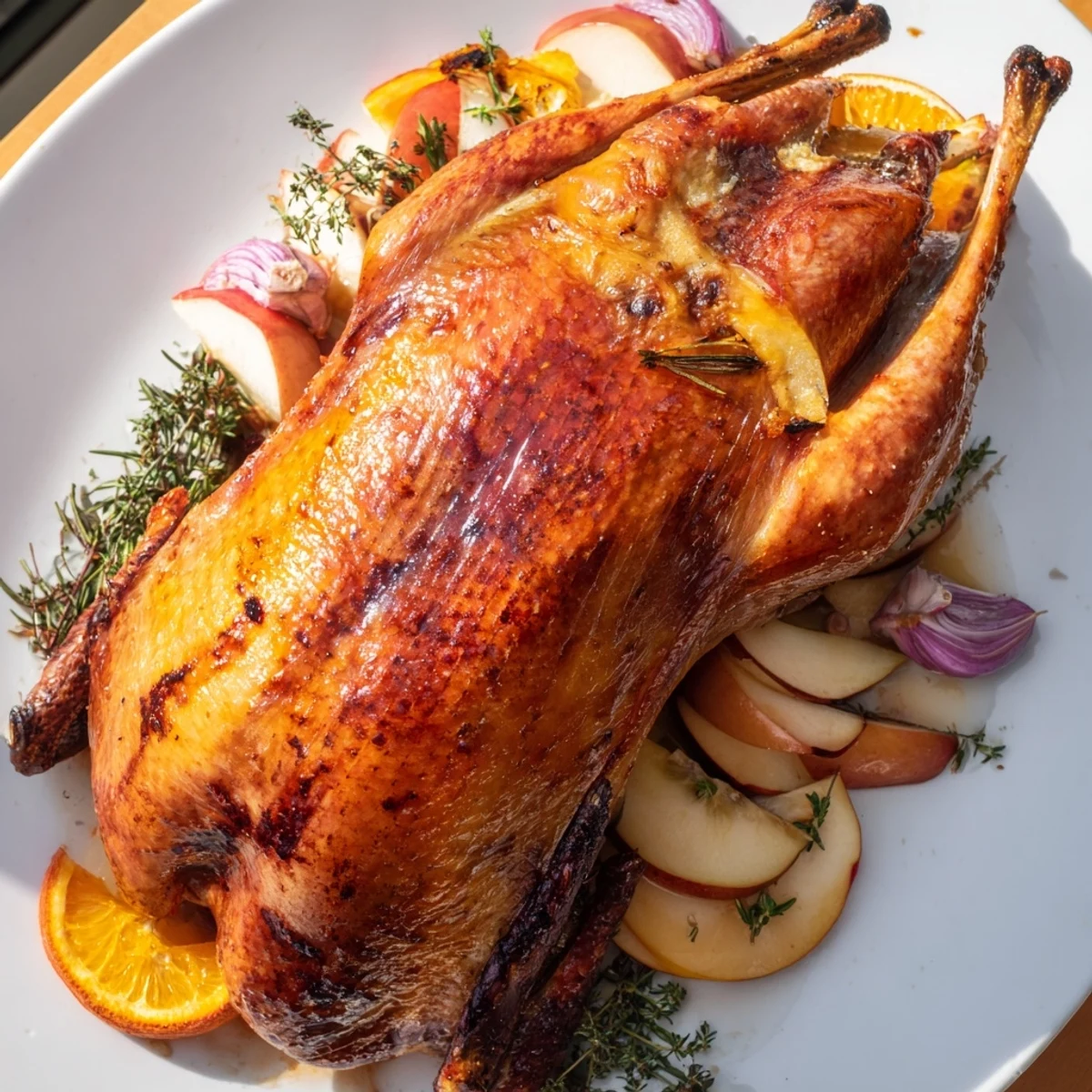
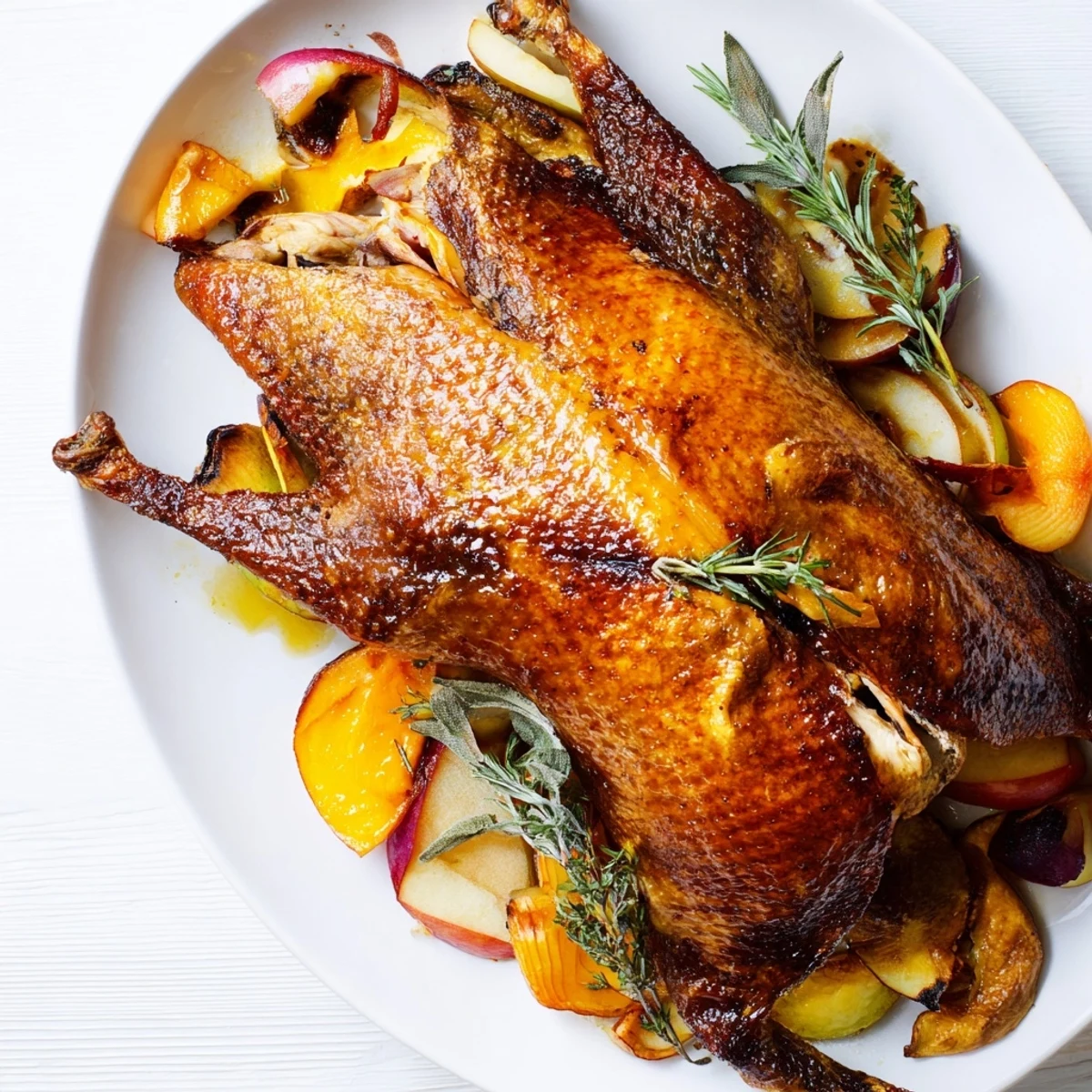
Save This holiday centerpiece features a whole goose seasoned with sea salt, black pepper, and stuffed with apples, orange, onion, thyme, and rosemary. It is roasted slowly until the skin turns golden and crisp, with a honey and orange glaze brushed on in the final minutes to enhance flavor and moisture. Accompanied by roasted vegetables, it brings vibrant aromas and tender, juicy meat to the table. Allow to rest before carving to ensure the best texture and taste.
Instructions include trimming excess fat, arranging vegetables in the roasting pan to create a flavorful base, and basting regularly for a succulent finish. Ideal for festive occasions, this dish pairs well with red cabbage, roasted potatoes, or apple compote.
I remember the first time my grandmother brought a golden roasted goose to the holiday table—the kitchen filled with a rich, savory aroma that made everyone pause in anticipation. That beautiful bird, with its crackling skin and impossibly tender meat, became the centerpiece of every festive gathering I cherish. Years later, I finally understood her secret: patience, proper technique, and letting the goose tell you when it's ready. This recipe is my homage to those memories, refined through trial and error into something truly special.
My first successful goose was for a dinner party on a snowy December evening. I was terrified, honestly—goose felt so much more intimidating than chicken. But as I pulled it from the oven and saw that burnished, crackling skin, I felt something shift. My nervous guests became believers with their first bite. That night taught me that some of life's best meals come from pushing past our doubts.
Ingredients
- 1 whole goose (approx. 4.5–5 kg): The star of your table—choose one with good coverage of fat under the skin, which renders to create that coveted crispy exterior. Giblets removed and reserved for stock-making if you're feeling ambitious.
- 2 tsp fine sea salt and 1 tsp freshly ground black pepper: These simple seasonings are your foundation—don't skimp or substitute. Fresh cracked pepper makes a real difference in the final flavor.
- 2 apples, quartered: As they roast inside the cavity, these release their gentle sweetness and help keep the meat moist. Choose crisp, slightly tart varieties like Granny Smith.
- 1 orange, quartered: Adds brightness and aromatic oils that infuse the meat while it cooks. The citrus cuts through the richness beautifully.
- 1 onion, quartered: A classic aromatic that builds flavor from the inside out as the goose roasts.
- 2 sprigs fresh thyme and 2 sprigs fresh rosemary: Fresh herbs are non-negotiable here—dried simply won't carry the same fragrance and depth.
- 2 tbsp honey and 2 tbsp orange juice: Combined, these create a glossy, caramelized glaze that catches the light beautifully during those final moments in the oven.
- 250 ml chicken or goose stock: Prevents the bottom from scorching and creates the foundation for a rich gravy. Goose stock is even better if you can find it.
- 2 carrots, 2 celery stalks, 1 onion (roughly chopped): These vegetables create a natural rack and add subtle flavor to your pan juices—they're not wasted after roasting either.
Instructions
- Bring your goose to room temperature:
- Remove it from the refrigerator 30 minutes before cooking. This ensures even cooking throughout. Pat it completely dry with paper towels—moisture is the enemy of crispy skin.
- Prepare the cavity:
- Trim any excess fat from inside and around the neck area. Season the cavity generously with salt and pepper until you feel confident you've covered every surface. Then stuff it with your apple, orange, onion, thyme, and rosemary. This isn't just flavor—it's insurance against dry meat.
- Score and season the skin:
- Using a sharp knife, make gentle crosshatch patterns across the skin, being careful never to cut into the meat itself. This helps the fat render more effectively. Rub the entire exterior with remaining salt and pepper, getting into every crevice.
- Build your roasting environment:
- Scatter carrots, celery, and onion across the bottom of your roasting pan. Place a roasting rack or trivet on top of these vegetables—this elevates your goose so air can circulate underneath, crisping the skin all around.
- Start the roast:
- Set your goose breast-side up on the rack. Pour stock into the pan (not over the bird). The sound of that sizzle as it hits the hot pan tells you everything is going right. Roast at 180°C for the first hour without opening the door.
- Begin your basting ritual:
- After that first hour, carefully open the oven—the heat and steam will be intense. Using a basting brush, coat the goose with the pan juices. Skim off excess fat (save it in a jar for future roasting glory). This is where patience becomes your secret weapon.
- Continue roasting and basting:
- Return the goose to the oven. Every 30 minutes, repeat the basting. You'll notice the skin gradually turning from pale to golden to deep amber. This is progress. This takes another 1 to 1½ hours total. Insert a meat thermometer into the thickest part of the thigh—you're looking for 75°C.
- Apply the glaze:
- During the final 20 minutes, whisk together honey and orange juice. Brush this over the goose. Watch it caramelize and glisten—this is where the magic happens.
- Rest and serve:
- Transfer your goose to a serving platter and tent loosely with foil. Let it rest for 20 minutes—this allows the juices to redistribute, ensuring tender, juicy meat. Skim any remaining fat from the pan juices, strain them, and serve alongside.
 Save
Save I'll never forget the moment I carved that first goose and saw the perfectly roasted meat fall from the bone. My hands were shaking slightly—not from cold, but from the realization that I'd done something worthy of celebration. Around the table, quiet fell for a moment as everyone took their first bite. That's when I knew this recipe was worth keeping.
Selecting Your Goose
Choosing the right bird is half the battle. Visit a butcher you trust if possible—they can advise on freshness and help you understand what you're looking for. A 4.5 to 5 kg goose serves six people generously with enough meat for everyone to have seconds. Frozen geese are absolutely fine; just allow 48 hours for proper thawing in the refrigerator. When shopping, look for even fat distribution under the skin and a pale, unblemished exterior. Ask your butcher to remove the giblets if they haven't already.
Creating the Perfect Crispy Skin
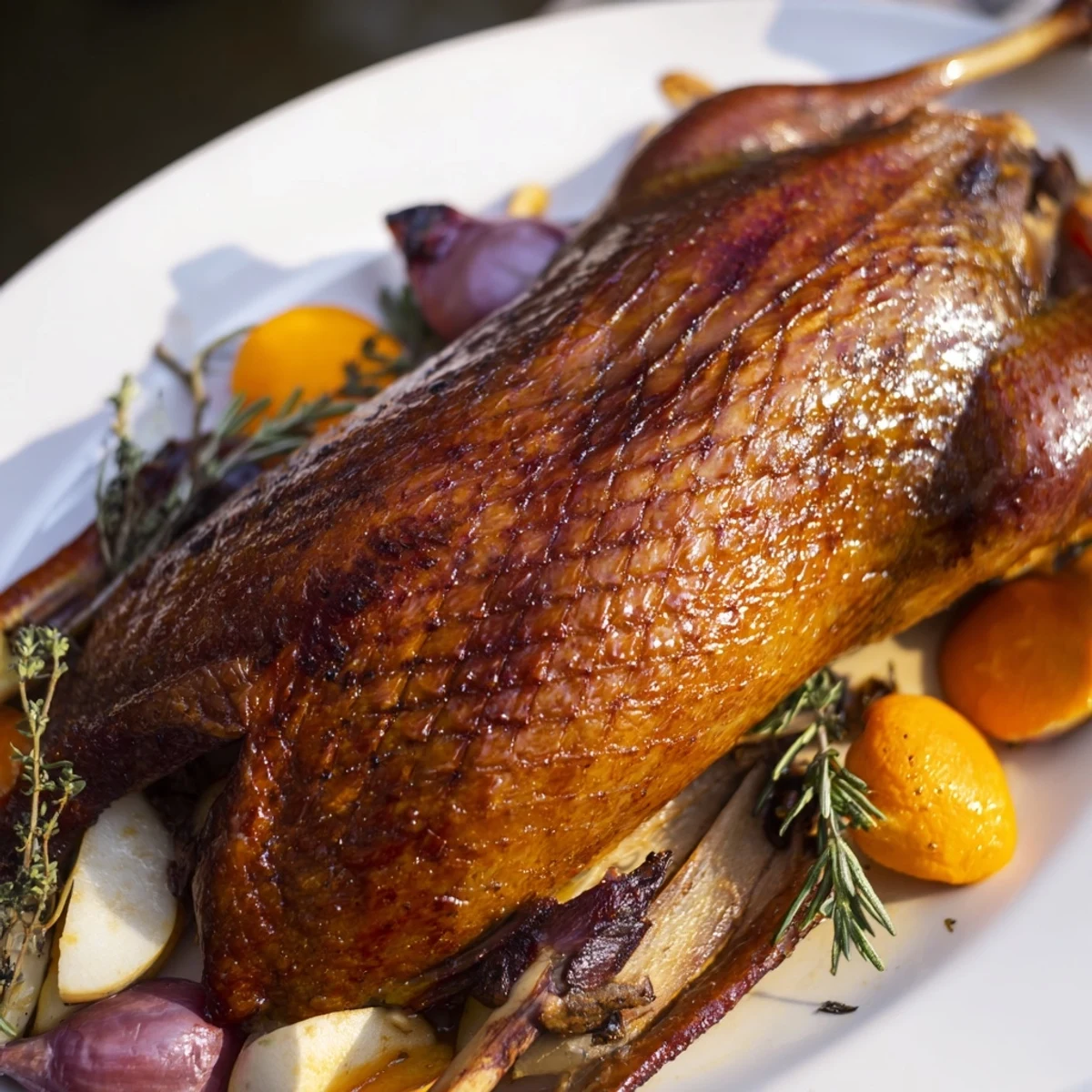
Crispy skin is a learned skill, not luck. The scoring helps, the drying helps, but the secret is patience and consistent basting. Each time you brush those pan juices over the goose, you're building layers of flavor and helping the skin crisp further. Never skip the basting steps—that's where your effort transforms into results. If you prefer exceptionally crispy skin, increase the oven temperature to 220°C for the final 10 minutes. Your kitchen will smell incredible, and your goose will have a shattered, golden finish that makes everyone gasp.
The Gift of Rendered Goose Fat
One of the greatest rewards of roasting a goose is the rendered fat you'll save. Skim it carefully from the pan juices as they cool, and store it in a jar in your refrigerator or freezer. This liquid gold will transform roasted potatoes, vegetables, and even bread into something extraordinary. It's the reason experienced cooks always make goose during the holidays—they're thinking about next week's roasted vegetables already. You're not just making a meal; you're stocking your culinary pantry with future possibilities.
- Save every drop of rendered fat by carefully skimming it from pan juices as they cool
- Store it in an airtight container in the freezer for up to six months
- Use it for roasting potatoes, Brussels sprouts, or crusty bread before your next holiday gathering
 Save
Save Roasting a goose isn't just about feeding people—it's about creating a moment everyone will remember. That burnished bird, the steam rising as you carve it, the first taste of meat so succulent and rich it melts on your tongue. This is the kind of meal that becomes tradition.
Common Recipe Questions
- → How do I ensure crispy skin on the goose?
-
Score the skin lightly before roasting and baste regularly with pan juices. Increasing oven temperature to 220°C (425°F) during the last 10 minutes helps achieve extra crispiness.
- → What herbs complement the flavor of roasted goose?
-
Fresh thyme and rosemary tucked inside the cavity provide aromatic and earthy notes that enhance the rich flavor of the meat.
- → Can I prepare the goose ahead of time?
-
For best results, bring the goose to room temperature 30 minutes prior to roasting but avoid seasoning too far in advance to prevent drying out the skin.
- → What sides are recommended with roasted goose?
-
Traditional accompaniments include red cabbage, roasted potatoes, and apple compote, which balance the rich flavors and add texture.
- → How do I know when the goose is fully cooked?
-
Use a kitchen thermometer inserted in the thickest part of the thigh—done when it reaches 75°C (165°F). The skin should be deep golden and crisp.