
 Save
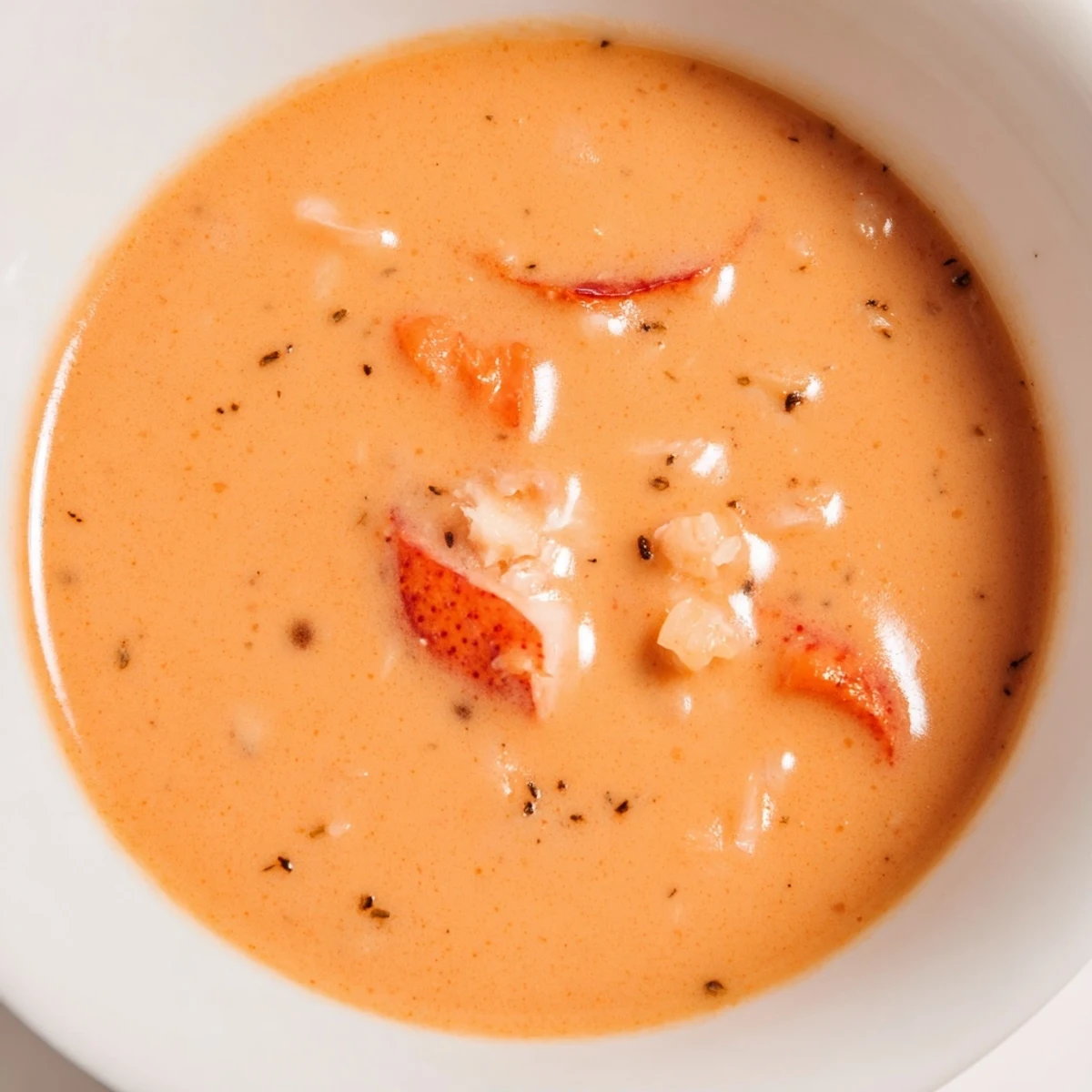
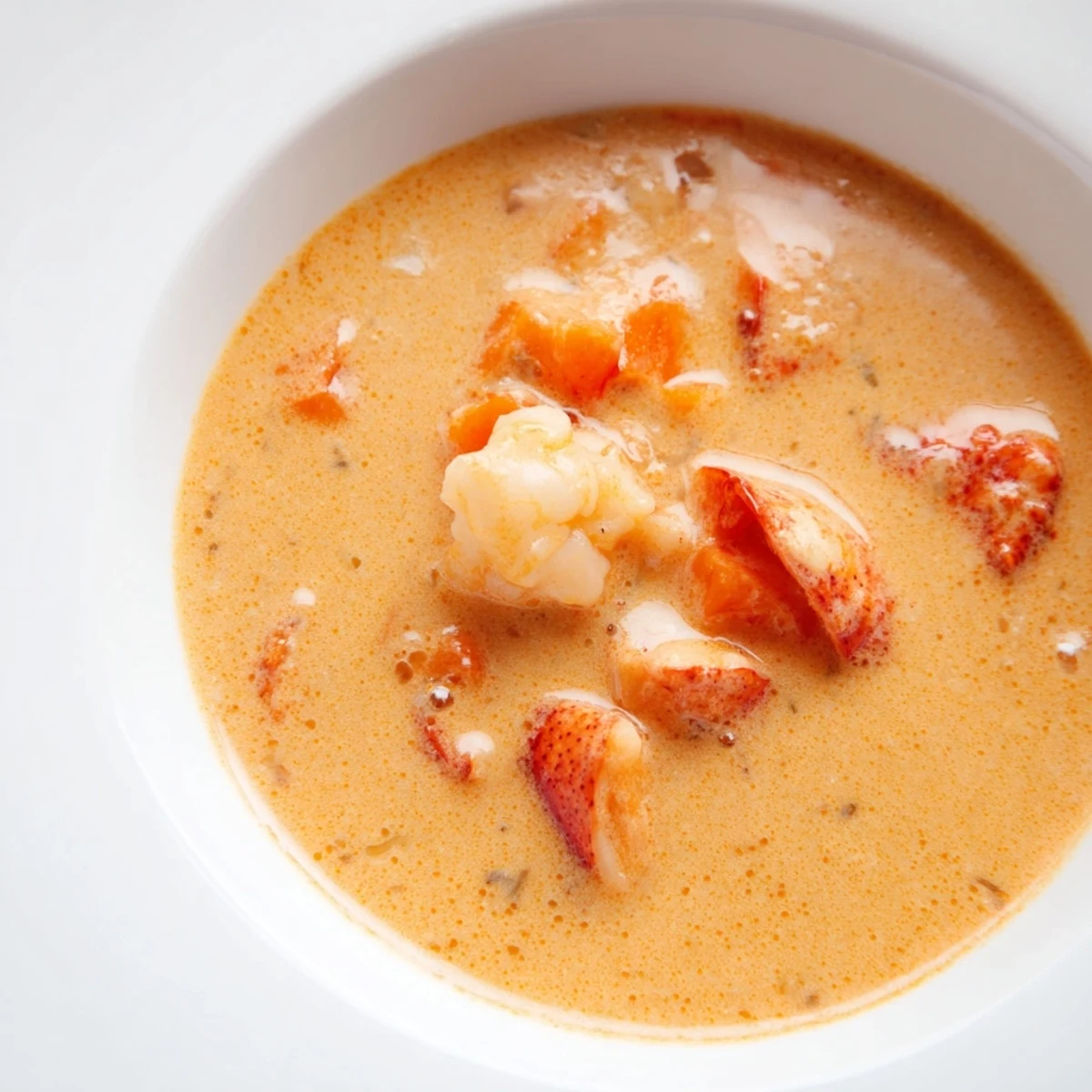
Save This romantic lobster bisque combines succulent lobster with a rich, velvety broth enriched by caramelized aromatics, tomato paste, and white wine. The bisque is finished with heavy cream and butter, then brightened with sherry vinegar for a sophisticated depth of flavor. Perfect for special occasions, this French-inspired soup balances sweetness, acidity, and richness in every spoonful.
The first time I made lobster bisque was for a wintertime anniversary dinner with my husband. Our dinner reservation had fallen through, and in a moment of culinary bravery (or madness), I decided to recreate the restaurant experience at home. The kitchen filled with the intoxicating aroma of the sea as those shells simmered away, transforming our modest apartment into something extraordinary for one magical evening.
Last Valentine's Day, I served this bisque as a starter before the main course, but nobody wanted to move on to the next dish. We lingered over our bowls, dunking crusty bread into the creamy broth as candles flickered and jazz played softly. Even my seafood-skeptical friend couldn't resist a second helping, scraping her spoon against the empty bowl in search of one more taste.
Ingredients
- Lobster: Whether using live or pre-cooked, the shells are crucial for developing that intense flavor foundation, so don't discard them even if you're using store-bought lobster meat.
- Aromatics: The holy trinity of onion, carrot, and celery creates the perfect backdrop for the lobster to shine, especially when they've had time to soften and release their sweetness.
- Sherry Vinegar: This unsung hero brightens everything with just the right acidity, preventing the cream from becoming overwhelming while adding complexity you won't achieve with lemon alone.
- Heavy Cream: After experimenting with lighter alternatives, I've learned that real heavy cream is non-negotiable for that silky mouthfeel that makes bisque truly special.
Instructions
- Prepare Your Lobster:
- If using live lobsters, bring that salted water to a rolling boil before adding them in. Their shells will transform from that dark bluish color to a vibrant red in just under 8 minutes.
- Build Your Flavor Base:
- Take your time with the vegetables, allowing them to soften without browning. You'll know they're ready when the onions turn translucent and the kitchen fills with that sweet, aromatic scent.
- Extract Maximum Flavor:
- When you add those shells and tomato paste, you'll notice everything taking on a deeper reddish hue. Let them toast slightly to develop that rich umami foundation that makes bisque so distinctive.
- Deglaze Like a Pro:
- Pour that wine in with confidence and scrape enthusiastically. Those browned bits stuck to the pan contain concentrated flavor that will elevate your entire bisque.
- Create Silky Texture:
- When blending, give it extra time to ensure absolute smoothness. I like to strain it afterward through a fine mesh sieve, pressing with the back of a ladle to extract every drop of flavor.
- Balance the Richness:
- The moment you add that sherry vinegar is pure culinary magic. Start with the recommended amount, then taste and adjust until you find that perfect sweet-acidic balance.
 Save
Save I once made this bisque for my mother's birthday, and as we sat together at the table, she suddenly became quiet after her first spoonful. I worried something was wrong until I noticed her eyes had misted over slightly. This soup, she said, reminded her exactly of the bisque she'd had on her honeymoon in Paris decades ago, a memory she thought had faded completely until that taste brought it rushing back.
The Perfect Pairing
While the recipe suggests Chardonnay, I've found that a crisp Sancerre creates a beautiful contrast to the richness of the bisque. The mineral notes in the wine seem to enhance the natural sweetness of the lobster while the acidity refreshes your palate between each luxurious spoonful.
Make-Ahead Options
I've discovered this bisque actually improves when made a day ahead, allowing the flavors to meld overnight in the refrigerator. Just prepare everything except adding the lobster meat, then gently reheat the next day before folding in the seafood for the final warming.
Troubleshooting Common Issues
The most frequent problem I encounter is bisque that's not quite smooth enough, which usually means it hasn't been blended thoroughly. When straining, if you find too much solid material remains, return it to the blender for another round.
- If your bisque breaks or looks curdled, lower the heat immediately and whisk in a tablespoon of cold heavy cream.
- For a bisque that tastes too one-dimensional, try adding a teaspoon of brandy along with the sherry vinegar.
- Should your bisque become too thick after refrigeration, thin it with warm stock rather than water to maintain flavor intensity.
 Save
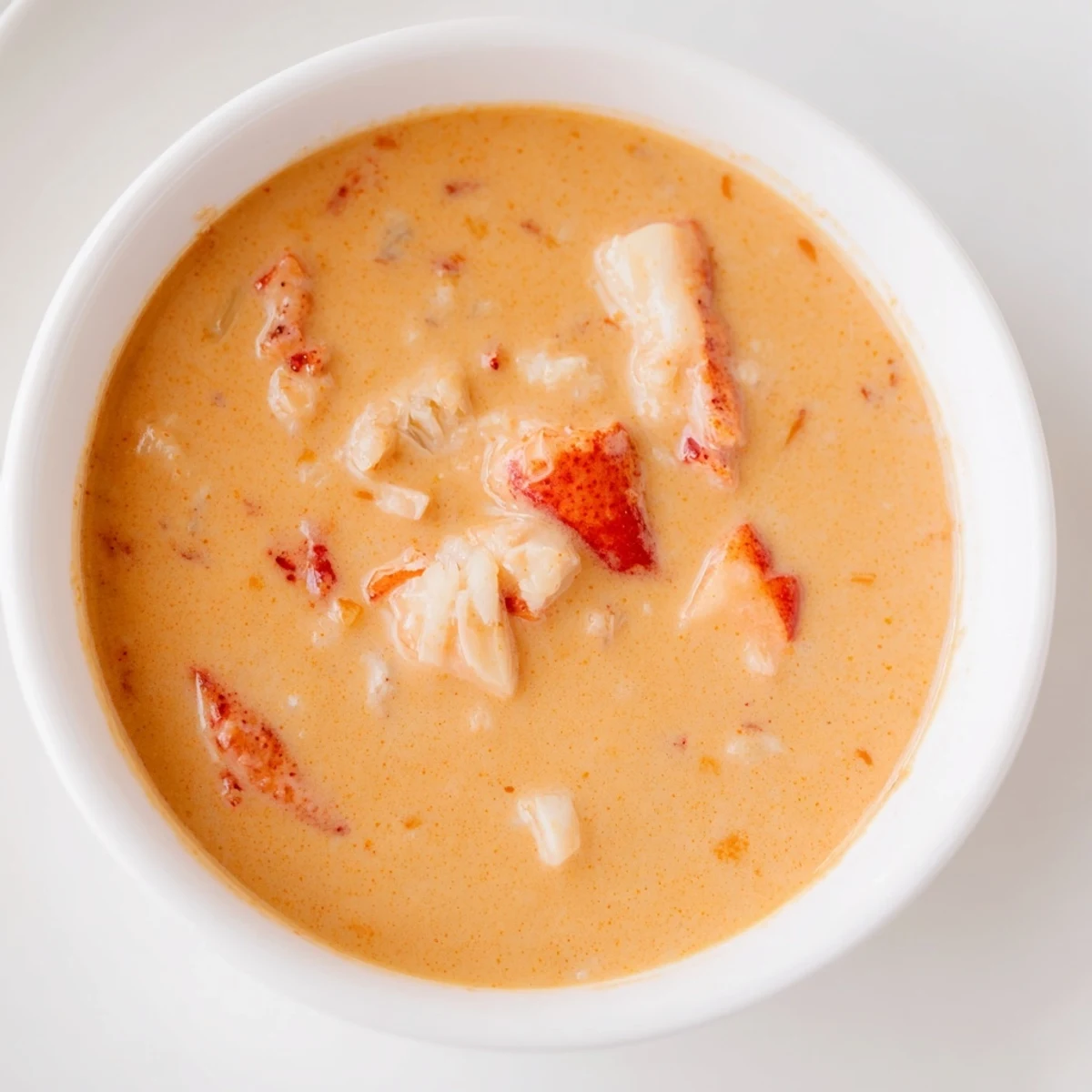
Save This lobster bisque has become my signature special occasion dish, the one friends request by name for celebrations. There's something profoundly satisfying about transforming such humble ingredients into something that feels like pure luxury in a bowl.
Common Recipe Questions
- → Can I use frozen lobster instead of live?
-
Yes, cooked lobster meat or frozen lobster tails work well. If using frozen, thaw completely before adding. The cooking time in step 1 can be skipped; simply use the meat and reserve shells for broth if available.
- → What's the purpose of sherry vinegar in this bisque?
-
Sherry vinegar brightens the rich, creamy bisque by adding acidity and a subtle sweetness. It balances the butter and cream, enhancing the lobster's natural flavors without overpowering them. A splash at the end elevates the entire dish.
- → Can I make this ahead of time?
-
Yes, prepare the soup base through step 6 and refrigerate for up to 2 days. Reheat gently before adding lobster meat and sherry vinegar. This allows flavors to deepen and makes preparation easier for entertaining.
- → Is an immersion blender necessary?
-
No, a regular blender works equally well. If using a regular blender, blend in batches for safety and pour back into the pot. An immersion blender is simply more convenient for this quantity and reduces cleanup.
- → What wine pairs best with this bisque?
-
A chilled Chardonnay complements the creamy, buttery notes beautifully. Sauvignon Blanc or Albariño also pair well, offering crisp acidity that mirrors the sherry vinegar's brightening effect.
- → How do I know when lobster shells have released enough flavor?
-
After simmering for 30 minutes, the broth should have a deep coral color and rich lobster aroma. The shells themselves will appear faded. Strain carefully—longer steeping can make the bisque bitter.