
 Save
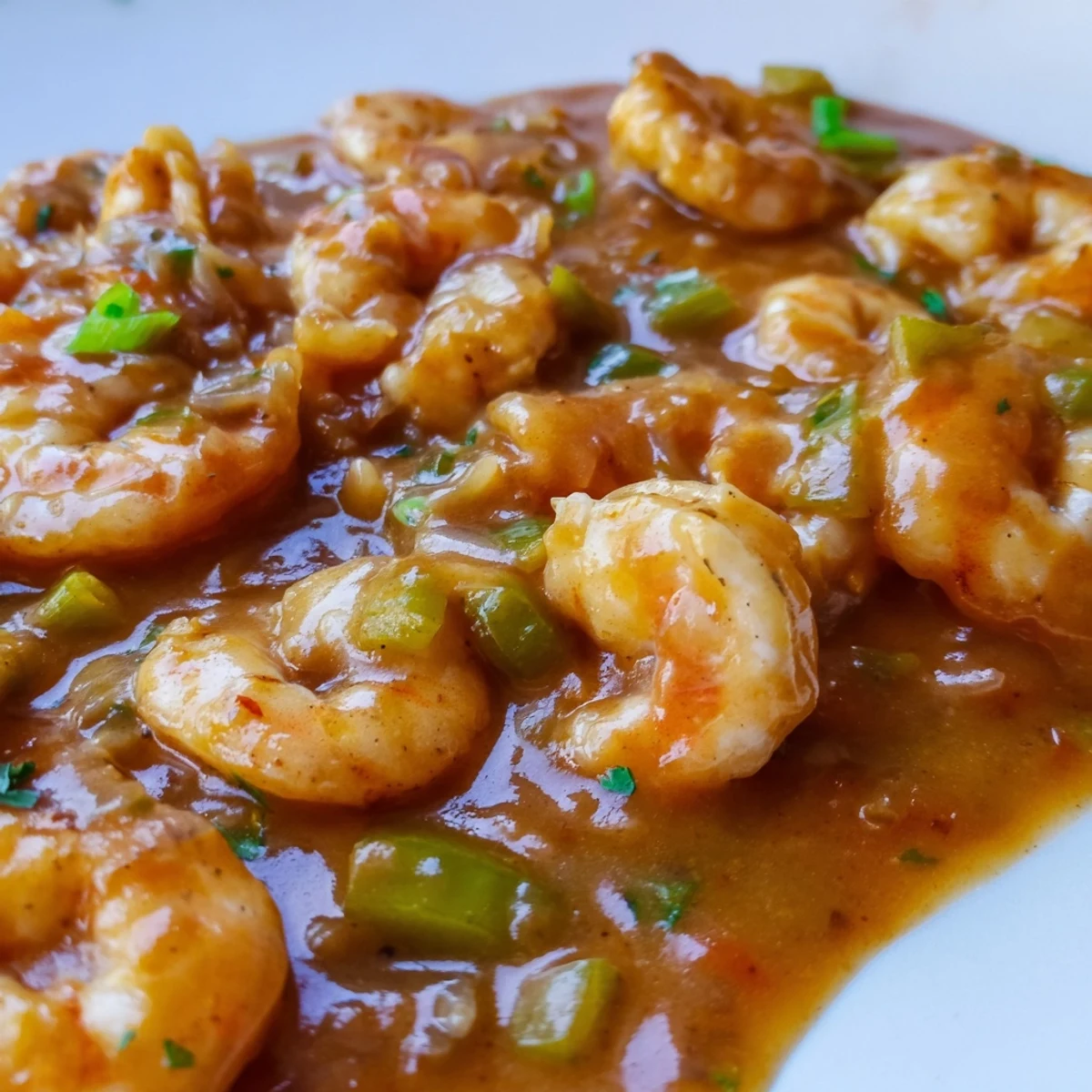
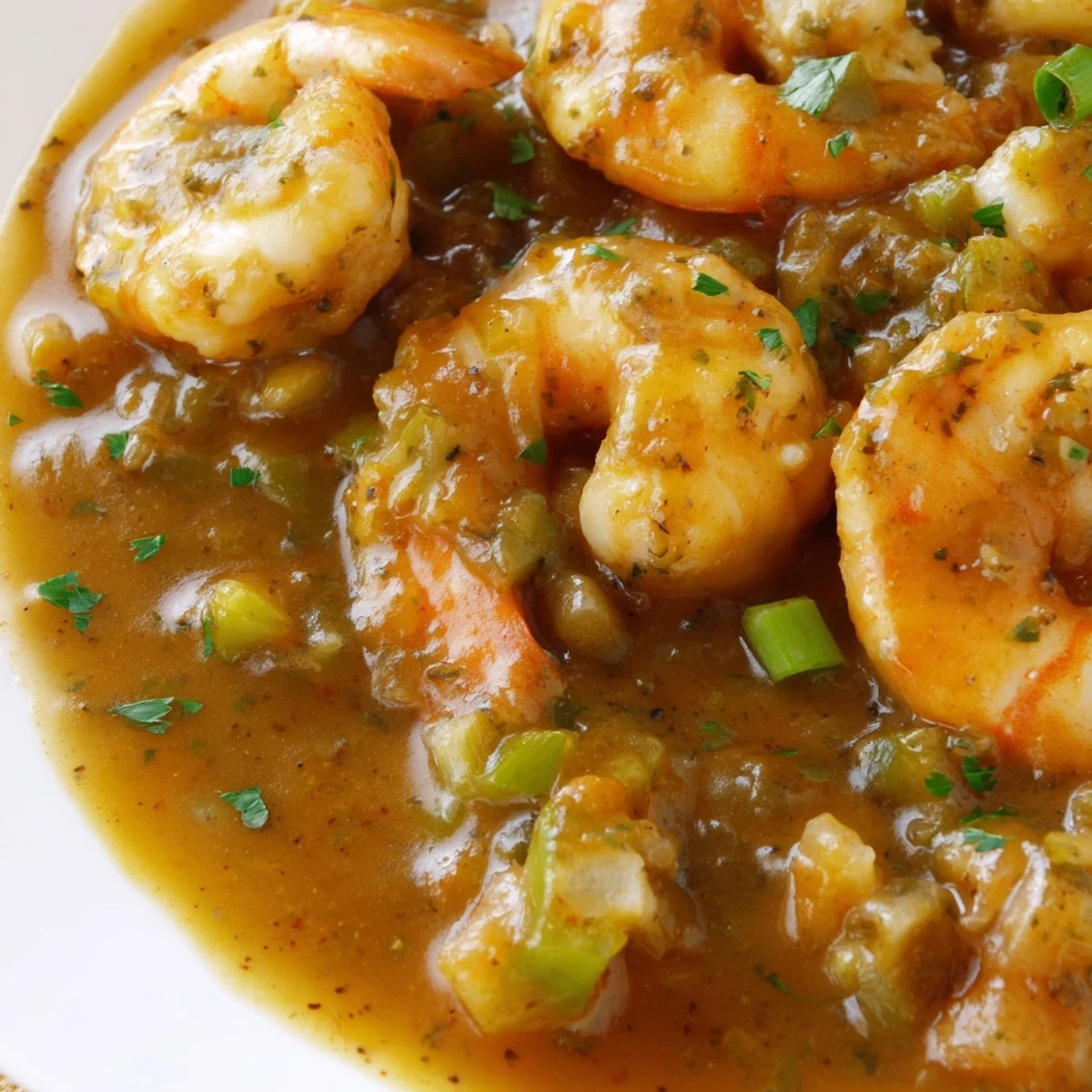
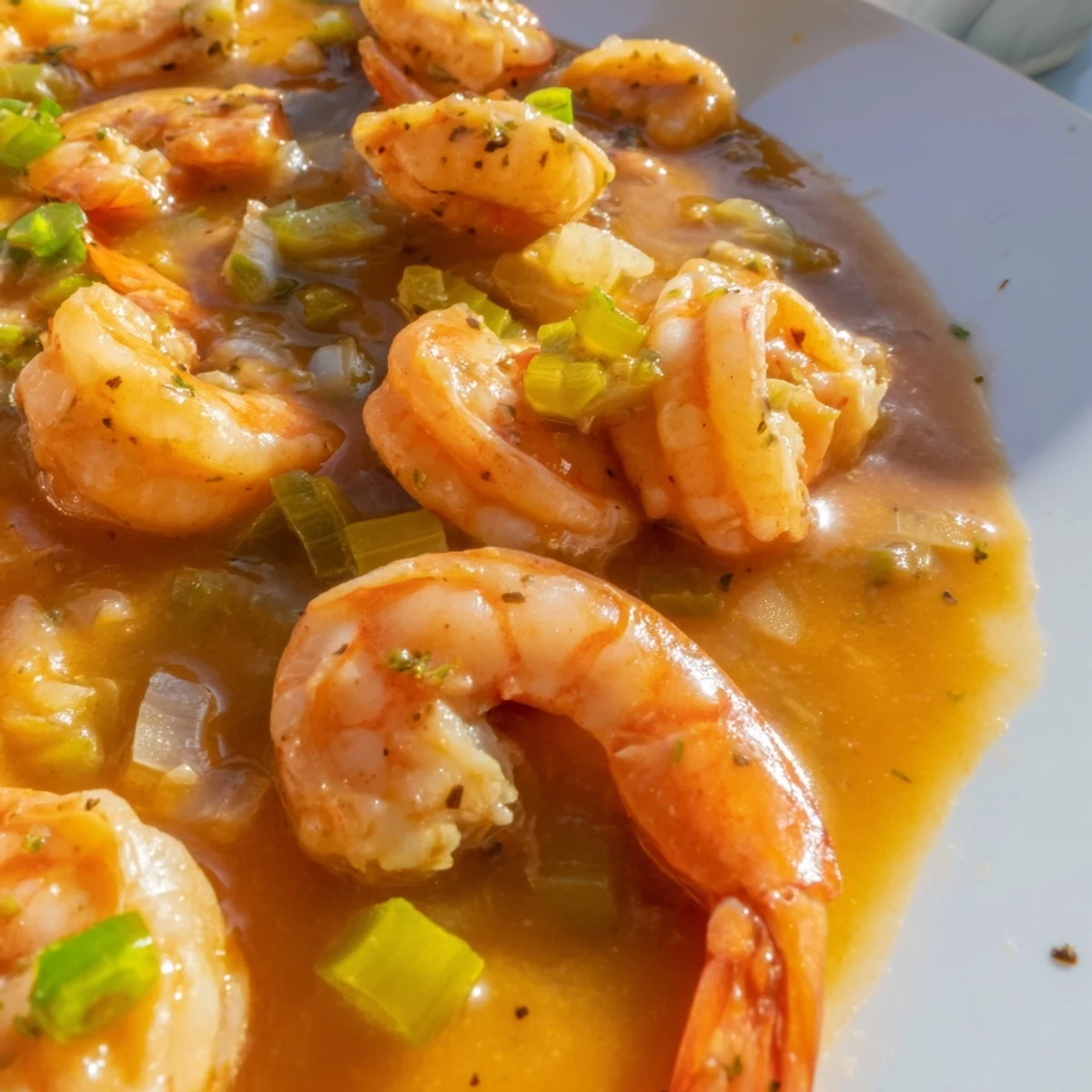
Save This Louisiana Creole classic features plump shrimp nestled in a velvety, amber roux-thickened sauce. The foundation starts with butter and flour cooked to a deep golden brown, creating that signature nutty flavor and silky texture. The holy trinity of onion, celery, and green bell pepper provides aromatic depth, while Creole seasoning, smoked paprika, thyme, and a hint of cayenne deliver authentic Cajun warmth.
Simmer the sauce until it reaches perfect consistency, then add the shrimp just long enough to cook through—about 3 minutes—to keep them tender and succulent. Serve ladled over mounds of fluffy white rice, letting the sauce soak into every grain. Garnish generously with fresh green onions and parsley for color and freshness. A squeeze of lemon brightens all the rich, savory flavors.
My college roommate from Lafayette introduced me to étouffée during a particularly brutal finals week, claiming it was the only thing that would keep me sane. We stood over her tiny apartment stove for an hour, stirring that roux until my arm actually ached, while she told stories about her grandmother's kitchen in Baton Rouge. The smell of butter and flour transforming into something magical filled every corner of that cramped space, and somehow the world felt manageable again. Now every time I make this dish, I'm transported back to that night, the warmth of friendship and the comfort of something deeply nourishing.
Last summer I made this for my family reunion, and my uncle who actually lived in New Orleans for years said it reminded him of his favorite spot in the French Quarter. There's something about the way the shrimp absorbs all those spices while staying tender that just works. My cousin who claims to hate shellfish went back for thirds, and honestly watching people find comfort in food you made is pretty much the best feeling ever.
Ingredients
- Large shrimp: I've learned the hard way that buying frozen shrimp and thawing them yourself actually gives you better control over freshness than whatever the store has sitting in the case
- Creole seasoning: Emeril's is great but if you can find a local blend from a Louisiana market, that extra bit of authenticity really shines through
- Butter and flour: The foundation of everything, and please use unsalted butter so you can control the seasoning yourself
- The holy trinity: Onion, celery, and bell pepper in equal parts, this is non-negotiable and what separates étouffée from just shrimp gravy
- Seafood stock: If you can't find it, chicken stock works but shrimp stock made from the shells is next level
- Bay leaves: Don't skip these, they add this subtle earthy background note that people can't quite put their finger on
Instructions
- Season the shrimp:
- Toss them with half the Creole seasoning and let them hang out while you get everything else ready
- Make the roux:
- Melt your butter over medium heat and gradually whisk in the flour, then stir and keep stirring until it turns this gorgeous copper color, about 8 to 10 minutes
- Add the vegetables:
- Throw in your onion, celery, and bell pepper and cook them down until they're soft and starting to get translucent
- Build the flavor base:
- Stir in the garlic for just a minute, then add the tomatoes, bay leaves, thyme, paprika, the rest of your Creole seasoning, and cayenne if you're feeling brave
- Add the liquid:
- Pour in your stock slowly while stirring to avoid any lumps, then let it simmer uncovered for 10 to 15 minutes until it thickens nicely
- Cook the shrimp:
- Add your seasoned shrimp and cook them just until they turn pink, about 3 to 4 minutes, because nobody likes rubbery shrimp
- Finish and season:
- Taste it and add salt and pepper as needed, then fish out those bay leaves
- Serve it up:
- Spoon everything over fluffy white rice and top with green onions, parsley, and maybe a lemon wedge if you want to be fancy
 Save
Save This dish became my go-to comfort food after a really terrible breakup, something about the process of making it being so focused and intentional. My best friend would come over with wine and we'd eat it straight from the pot while watching bad movies, and somehow everything felt a little less broken. Food has this way of holding you together when you're falling apart.
Getting That Roux Right
The secret to a great étouffée is patience with your roux, and I've definitely burned my share trying to rush it. Keep the heat at medium and stir constantly, the color should go from pale yellow to peanut butter to copper, and that's when you know it's ready. If you see black specks, start over because there's no recovering from burnt roux, I learned this the unfortunate way.
Make It Your Own
Sometimes I throw in sliced andouille sausage with the vegetables because the smokiness adds this incredible layer of flavor. You can also use crawfish instead of shrimp during season, or even chicken if you need to feed someone with shellfish allergies. The technique stays the same, just adjust your cooking time depending on what protein you're using.
Serving Suggestions
This is honestly a meal in itself, but some crusty French bread on the side never hurt anybody for soaking up that sauce. A simple green salad with a sharp vinaigrette cuts through the richness nicely, and cold beer or sweet tea are pretty much mandatory.
- Make sure your rice is fluffy and not clumpy, nobody wants a gluey base for their étouffée
- Have hot sauce available because Louisiana food should always have heat options on the table
- This actually tastes better the next day, so don't stress about leftovers
 Save
Save There's something deeply satisfying about making a dish that carries so much history and tradition in every bite. Hope this brings as much comfort to your table as it has to mine over the years.
Common Recipe Questions
- → What makes an authentic étouffée?
-
True étouffée starts with a dark roux made from butter and flour, cooked until deeply golden and nutty. This creates the rich, thickened sauce base. The holy trinity—onion, celery, and bell pepper—provides classic Creole aromatics. Finally, the dish gets its distinctive flavor from Creole seasoning blend featuring paprika, garlic powder, and cayenne pepper.
- → How do I prevent the roux from burning?
-
Cook roux over medium heat, stirring constantly with a whisk. Watch closely as it turns from pale yellow to peanut butter-colored to deep amber. The process takes 8-10 minutes. If you see black specks, start over—the roux has burned. Patience is key for that perfect nutty flavor foundation.
- → Can I make this dish ahead of time?
-
Prepare the sauce through step 6 up to two days in advance. Refrigerate in an airtight container. When ready to serve, reheat gently over low heat, adding splash of stock if needed. Add shrimp during the last 3-4 minutes of reheating just until pink and cooked through.
- → What's the difference between étouffée and gumbo?
-
While both use roux and Creole flavors, étouffée is thicker and features one main protein, typically shrimp or crawfish, served directly over rice. Gumbo contains multiple proteins, okra or filé powder, has a thinner broth-like consistency, and the rice is served on the side rather than underneath.
- → How can I adjust the spice level?
-
Start with half the called-for cayenne pepper and Creole seasoning. Taste the finished sauce before adding shrimp, then adjust gradually. Remember that flavors concentrate as the sauce simmers. For sensitive palates, serve hot sauce on the side so diners can control their own heat level.
- → What protein alternatives work well?
-
Crawfish tails are the traditional Louisiana substitute and cook even faster than shrimp. Diced chicken breast or thighs work beautifully—add them earlier and simmer until fully cooked. For a vegetarian version, use oyster mushrooms or combine several vegetables like okra, corn, and lima beans.