
 Save
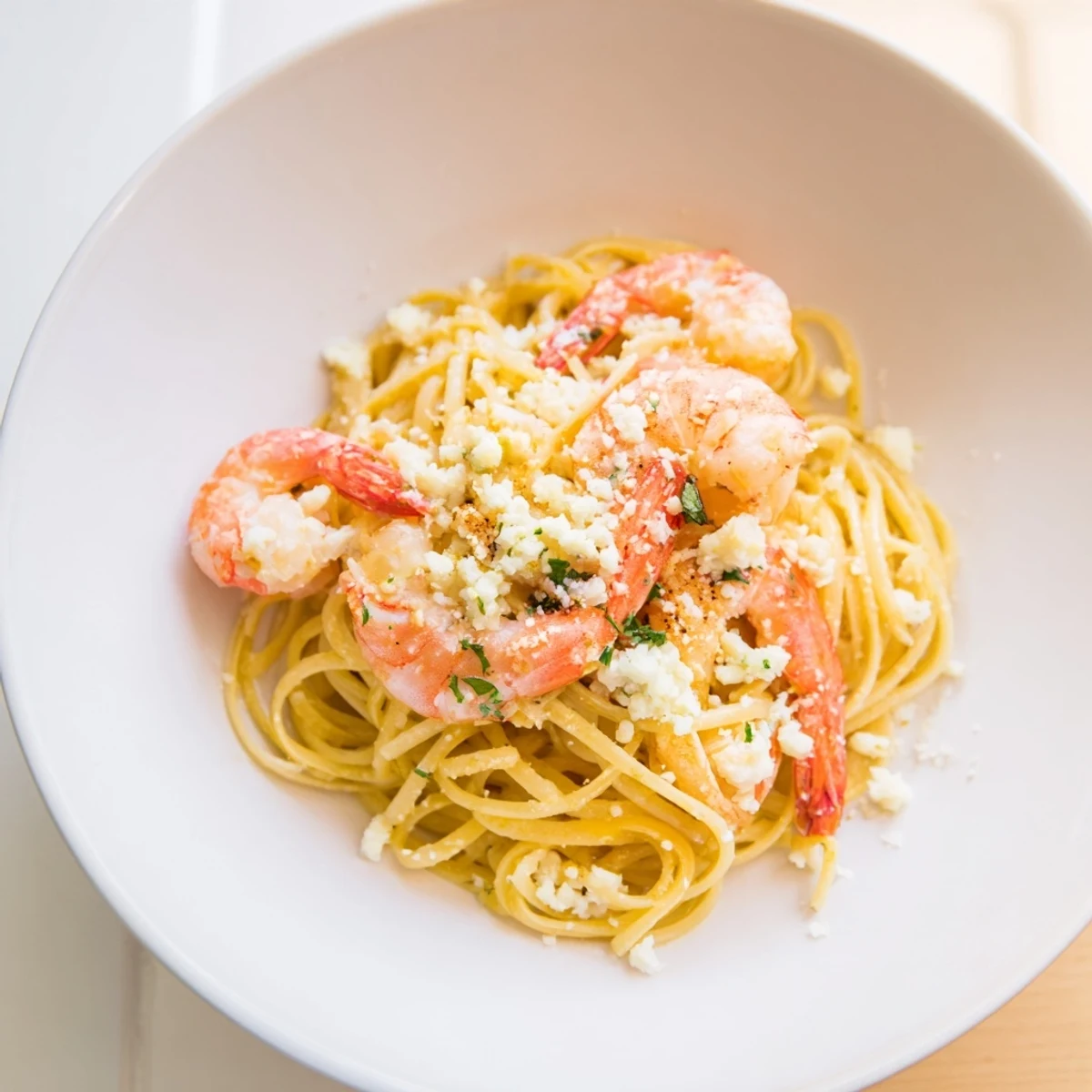
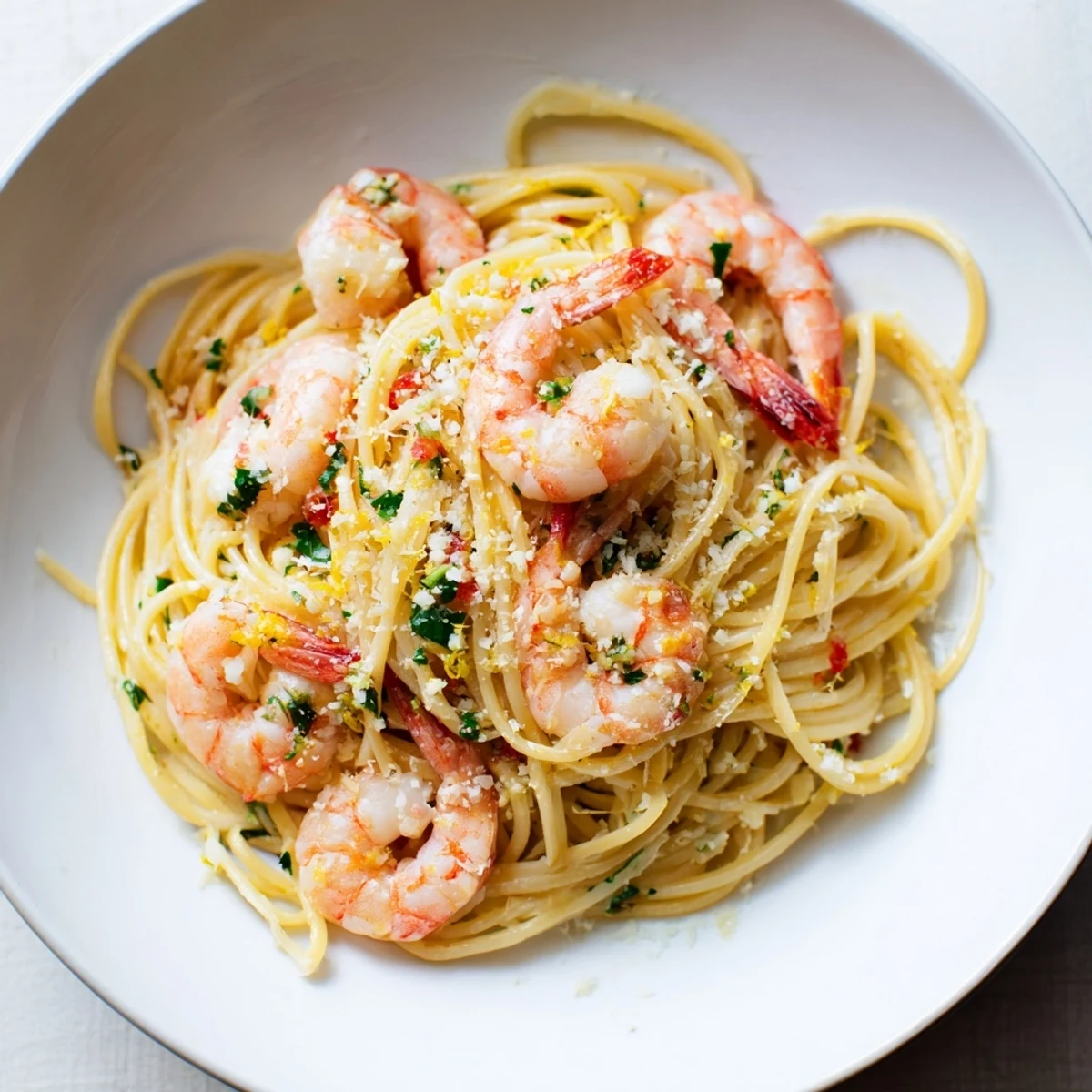
Save This vibrant dish combines tender shrimp with a garlicky, lemon-infused sauce, tossed with perfectly al dente pasta. Quick to prepare and full of bright, fresh flavors, it's ideal for a weeknight dinner or special occasions. Aromatics like shallots and parsley enhance the dish, while Parmesan adds a creamy finish. Optional spice from red pepper flakes can be added for a subtle kick, balancing the citrus notes beautifully.
I'll never forget the first time I made shrimp pasta on a quiet Tuesday evening when my partner called to say they'd had a terrible day. I had exactly thirty minutes before they'd be home, and I wanted to create something that felt like a warm hug on a plate. I remembered my grandmother talking about how the Italians understood that the simplest ingredients, treated with care, could transform a mood. That night, as I tossed tender shrimp with lemon and garlic, the kitchen filled with an aroma that seemed to dissolve all the day's stress the moment they walked through the door. It became our dish, our comfort, our thirty-minute miracle.
I've made this dish countless times now, but the moment I remember most vividly is when I prepared it for my parents on their anniversary. My mother took one bite and tears came to her eyes, not because it was complicated, but because it tasted like love tastes—simple, bright, and perfectly balanced. She said it reminded her of a little restaurant in Amalfi where she and my father had their first real date. That's when I understood that the most powerful meals aren't the ones with the longest ingredient lists; they're the ones made with intention and served with presence.
Ingredients
- Large shrimp (400g/14 oz), peeled and deveined: The star of the show deserves quality. Look for shrimp that smell like the sea, not fishy, and pat them completely dry before cooking—this is the secret to getting them golden and not steamed
- Spaghetti or linguine (350g/12 oz): Buy good pasta if you can; it holds sauce differently. Cook it one minute under the package time for that perfect al dente bite
- Extra virgin olive oil (3 tablespoons): This is where flavor lives. Use the good stuff you'd actually taste on bread
- Garlic cloves (4), finely minced: The aroma of garlic hitting hot oil is the sound of cooking itself. Don't let it brown or it turns bitter and angry
- Shallot (1 small), finely chopped: More delicate than onion, it melts into the sauce like a whisper
- Crushed red pepper flakes (1/4 teaspoon, optional): Just enough to make your lips remember there's heat underneath all that brightness
- Lemon zest (from 1 lemon): The oils in the zest are magic. A microplane grater is worth its weight in gold here
- Fresh lemon juice (2 tablespoons): Squeeze it yourself; bottled just isn't the same conversation
- Fresh parsley (2 tablespoons, chopped): Adds a green, fresh finishing note that makes people say 'wow' without knowing why
- Unsalted butter (2 tablespoons): Creates the silky emulsion that makes this sauce feel like liquid silk
- Parmesan cheese (30g/1/4 cup, grated): Freshly grated changes everything. The pre-grated stuff has anti-caking agents that prevent that creamy melt
- Salt and freshly ground black pepper: Taste as you go. Seasoning is a conversation, not a formula
Instructions
- Boil the pasta foundation:
- Fill your largest pot with salted water—it should taste like the sea, not a tear. Bring it to a rolling boil where the steam rises like a visible promise. Add your pasta and stir occasionally so it doesn't stick to itself. While it cooks, you'll notice the water turning cloudy; that's starch, and you're going to need some of it later. Set a timer for one minute before the package says it's done, then taste. It should have a gentle resistance when you bite it, not a hard core, not mushy. Drain it in a colander but keep that precious cooking water nearby—about half a cup in a measuring cup or small bowl.
- Season and sear the shrimp:
- While the pasta is cooking, pat your shrimp completely dry with paper towels. This is non-negotiable if you want them to develop a golden exterior instead of steaming. Season generously with salt and pepper on both sides. In your largest skillet, heat two tablespoons of olive oil over medium-high heat until it shimmers like a mirage. You'll know it's ready when a piece of shrimp immediately sizzles when it touches the pan. Arrange your shrimp in a single layer and don't move them. Let them sit there for one to two minutes until the undersides turn pink and opaque, then flip each one gently and cook for another minute. They should smell sweet and oceanic. Transfer them to a clean plate and resist the urge to fidget with them.
- Build the aromatic base:
- In the same skillet where the shrimp just danced, add the remaining tablespoon of olive oil. The moment it's warm, add your minced shallot and garlic. This is where your kitchen starts smelling like someone who knows what they're doing. Stir constantly for one to two minutes, watching the garlic become golden and fragrant. This is the moment of truth—don't let it brown. Add the red pepper flakes if you're using them, and immediately scatter the lemon zest over everything. Stir for just a few seconds so the heat releases those bright oils from the zest.
- Reunite everything:
- Return your shrimp to the skillet. Add the fresh lemon juice and the butter, and watch as the butter melts into the oil and creates something that looks like liquid gold. Give everything a gentle stir, then add your drained pasta directly to the pan. Toss it all together, watching the pasta coat in that silky sauce. If it looks too thick, add a splash of that reserved pasta water—a few tablespoons at a time. The sauce should be glossy and coat the pasta, not pool at the bottom. Keep tasting and adjusting.
- Finish with care:
- Remove the pan from heat and stir in the freshly grated Parmesan and fresh parsley. Taste it now. Does it need more salt? More lemon? More pepper? This is your last chance to make it exactly how you want it. Serve immediately while it's still steaming, in warm bowls, with extra Parmesan shaved on top and a small handful of fresh parsley for color and freshness.
 Save
Save There was a Saturday when my best friend from college came to visit, and we hadn't seen each other in two years. We spent the afternoon catching up, and as the sun started to set, I realized I hadn't planned dinner. I made this pasta, and we ate it standing at the kitchen counter, passing the same fork back and forth between bites, laughing so hard we could barely chew. The dish became the backdrop for reconnection, for time collapsing and suddenly we were nineteen again, but somehow better versions of ourselves. That's when I realized this recipe's real magic isn't in the ingredients—it's in how it creates space for the people you love.
The Story of Shrimp Pasta
Shrimp pasta exists at the intersection of Italian tradition and personal improvisation. It's a dish that appears on tables from Naples to New York, yet everyone makes it slightly different. Some versions add cream—I prefer to keep it light and let the shrimp shine. Some add wine—and that's beautiful too if that's your instinct. The beauty of this recipe is that it teaches you the fundamentals, and then trusts you to make it your own. It's forgiving enough for a weeknight, elegant enough for a dinner party, and quick enough that you can make it while having a real conversation with someone you care about.
Variations and Additions
This recipe is like a canvas that welcomes your additions. I've added halved cherry tomatoes in step four, and they burst into the sauce, adding sweetness and color. I've stirred in a handful of baby spinach and watched it wilt into something that tastes like green and brightness. Some versions add white wine to the pan after the garlic, letting it reduce for a minute before adding the shrimp—this adds a subtle depth that lingers. I've even made it with linguine instead of spaghetti because that's what was in the pantry, and honestly, the pasta shape matters less than the care you put into the sauce. The ingredients are a framework, not a cage.
Pairing and Serving
This dish deserves to be approached with intention. Serve it in warm bowls straight from the oven—this small gesture makes everything taste better because you're eating from warmth. A crisp white wine like Pinot Grigio or Sauvignon Blanc is the perfect companion; the acidity echoes the lemon and refreshes your palate between bites. If wine isn't your thing, sparkling water with lemon works beautifully. Finish each bowl with a small shower of extra Parmesan and a few fresh parsley leaves. If you have good bread, tear it apart and use it to soak up every drop of sauce—this isn't wasteful, it's respect for what you've created.
- Light a candle at the table if you can; it changes the whole energy of the meal
- Put your phone away while you eat; you'll taste the difference
- Make extra sauce—people always want more, and there's something lovely about leftovers that taste even better the next day
 Save
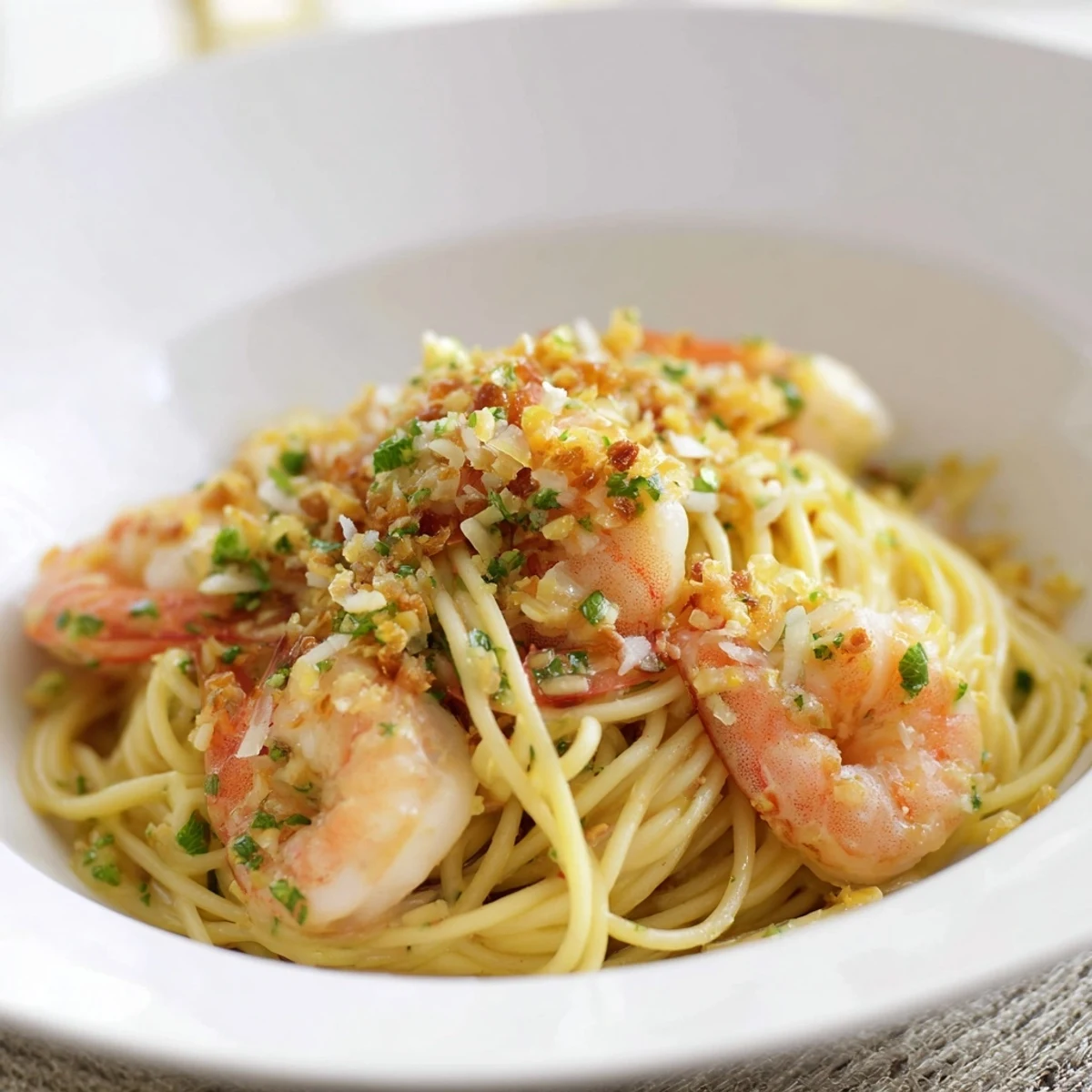
Save This shrimp pasta has become the recipe I reach for when I want to create something that feels special without the stress. It's taught me that the best meals aren't about complexity or hours spent in the kitchen—they're about presence and care. Make this dish, and let it remind you that sometimes the simplest things, done with intention, are exactly what the people you love need.
Common Recipe Questions
- → How do I ensure the shrimp stays tender?
-
Cook shrimp quickly over medium-high heat just until they turn pink and opaque, about 1–2 minutes per side. Avoid overcooking to maintain tenderness.
- → Can I substitute the pasta type?
-
Yes, linguine or fettuccine work well and provide a slightly different texture to complement the sauce.
- → What adds the lemon flavor to the dish?
-
Fresh lemon zest and freshly squeezed lemon juice bring bright citrus notes that brighten the garlic and butter sauce.
- → Is the sauce thick or light?
-
The sauce is silky and light, created by combining butter, reserved pasta water, and lemon juice to coat the pasta evenly.
- → What herbs are best for garnish?
-
Fresh parsley adds a vibrant, herbaceous finish that complements the shrimp and lemon flavors.
- → Can I add vegetables to this dish?
-
Adding halved cherry tomatoes or baby spinach during the sauté step provides extra freshness and color.