
 Save
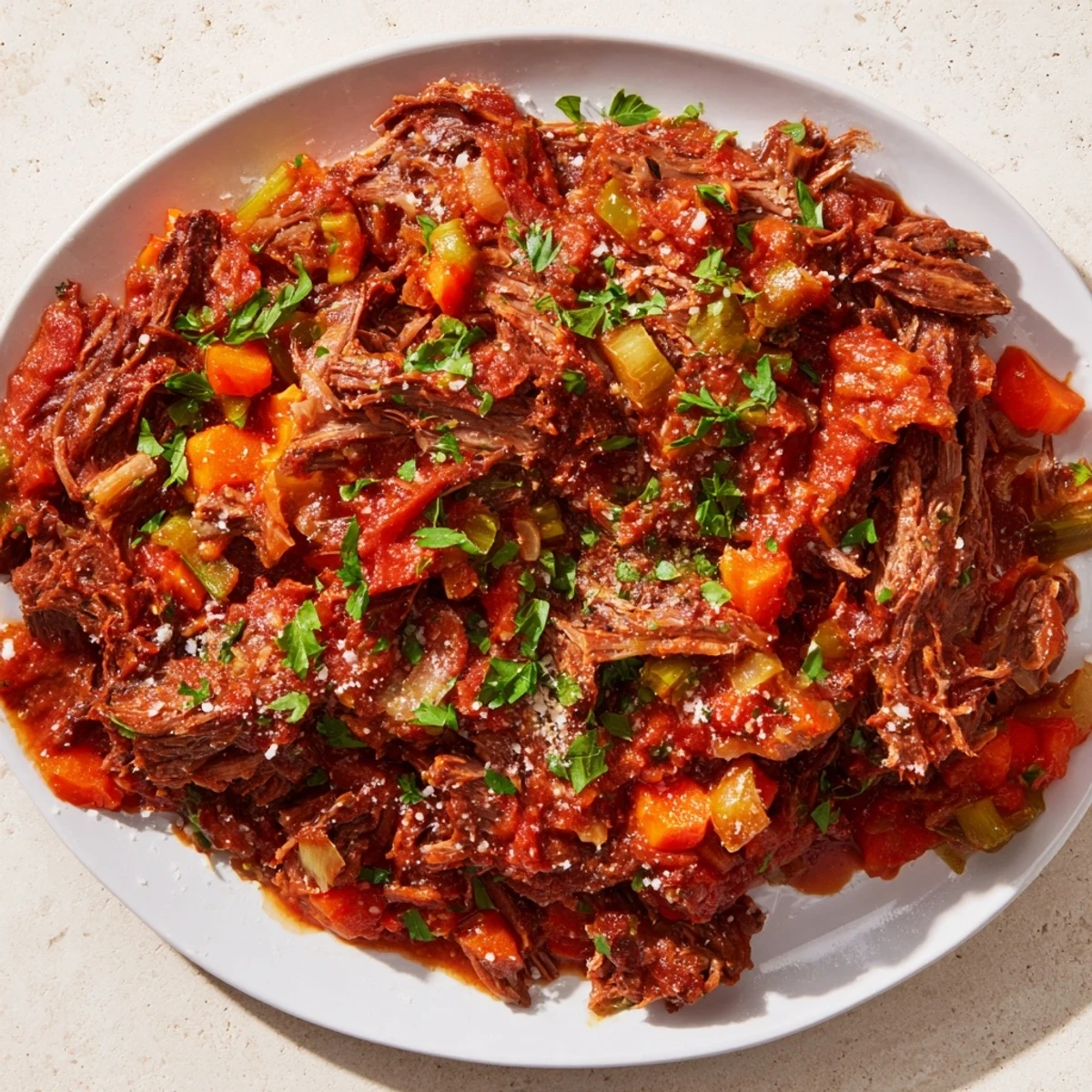
Save This dish features beef chuck browned and slowly simmered with crushed tomatoes, red wine, and a blend of aromatic herbs including oregano, thyme, and bay leaves. Carrots, celery, onion, and garlic create a flavorful base, enhanced by tomato paste and finished with fresh basil or parsley and grated Parmesan. Cooked low and slow for over three hours, the beef becomes meltingly tender, producing a rich sauce ideal for plating over pasta or soft polenta. The long cooking melds the flavors into a deep, hearty experience perfect for comforting meals.
The first time I simmered this ragu, I nearly gave up after an hour, convinced nothing that plain-looking could turn into something worth the wait. But by hour three, the kitchen smelled like a trattoria in Rome, and the beef had gone so soft it dissolved into the tomatoes with barely a nudge. I served it over polenta that night, and my brother scraped his bowl clean without saying a word, which is the highest praise he gives anything.
I made this for a dinner party once, and everyone arrived to the scent of wine and tomatoes mingling with herbs. One friend asked if I had been cooking all day, and I admitted I had, but it was the kind of cooking that mostly took care of itself while I sat nearby with a book and a glass of the same wine I used for the pot. When I lifted the lid to stir, steam rose in a fragrant cloud, and I knew before tasting it that the evening would be a success.
Ingredients
- Beef chuck: This cut has enough marbling and connective tissue to break down into melt-in-your-mouth tenderness after slow cooking, and it stays moist even after hours on the heat.
- Olive oil: Use a good quality oil for browning, it adds a fruity base note that rounds out the richness of the meat.
- Onion, carrots, celery: The classic soffritto base gives the sauce sweetness and depth, I learned to dice them small so they dissolve into the background.
- Garlic: Fresh cloves release their perfume when sautéed just long enough to turn golden, not brown.
- Beef stock: A rich stock amplifies the meaty flavor, but even store-bought works if you choose one with a clean ingredient list.
- Crushed tomatoes: I prefer canned San Marzano tomatoes when I can find them, their natural sweetness balances the acidity perfectly.
- Red wine: A dry red like Chianti or Merlot adds complexity and helps deglaze the pan, releasing all those caramelized bits stuck to the bottom.
- Tomato paste: Cooking it for a couple of minutes before adding liquid intensifies its flavor and removes any metallic taste.
- Dried oregano and thyme: These herbs bloom in the long simmer, filling the sauce with warm, earthy notes.
- Bay leaves: They lend a subtle background bitterness that keeps the sauce from tasting too sweet or one-dimensional.
- Salt and black pepper: Season in layers, tasting as you go, because the sauce concentrates as it reduces.
- Fresh basil or parsley: A handful of chopped herbs at the end brings brightness and a pop of color to the finished dish.
- Parmesan cheese: Freshly grated Parmigiano-Reggiano melts into the hot ragu and adds a salty, nutty finish.
Instructions
- Brown the beef:
- Heat olive oil in your largest, heaviest pot until it shimmers, then add beef cubes in a single layer without crowding. Let them sear undisturbed until a dark crust forms, then flip and repeat. This step builds the flavor foundation, so do not rush it.
- Soften the vegetables:
- Lower the heat and add onion, carrots, and celery, stirring occasionally until they turn tender and fragrant. Toss in the garlic and cook just until you can smell it, about a minute, being careful not to let it burn.
- Build the base:
- Stir in tomato paste and let it cook against the hot pot for two minutes, deepening its color. Pour in the red wine and scrape up every caramelized bit clinging to the bottom, those are pure flavor.
- Combine and simmer:
- Return the beef to the pot along with crushed tomatoes, stock, oregano, thyme, bay leaves, salt, and pepper. Bring everything to a gentle bubble, then cover and reduce to the lowest heat your stove allows, stirring now and then to keep it from sticking.
- Let time work its magic:
- After three to three and a half hours, the beef should be so tender it shreds with a fork, and the sauce will have thickened into something rich and glossy. If it looks too thin, uncover the pot and simmer for another ten minutes.
- Finish and serve:
- Fish out the bay leaves, then use two forks to pull the beef apart right in the pot. Spoon the ragu over your pasta or polenta, and shower it with fresh herbs and grated Parmesan.
 Save
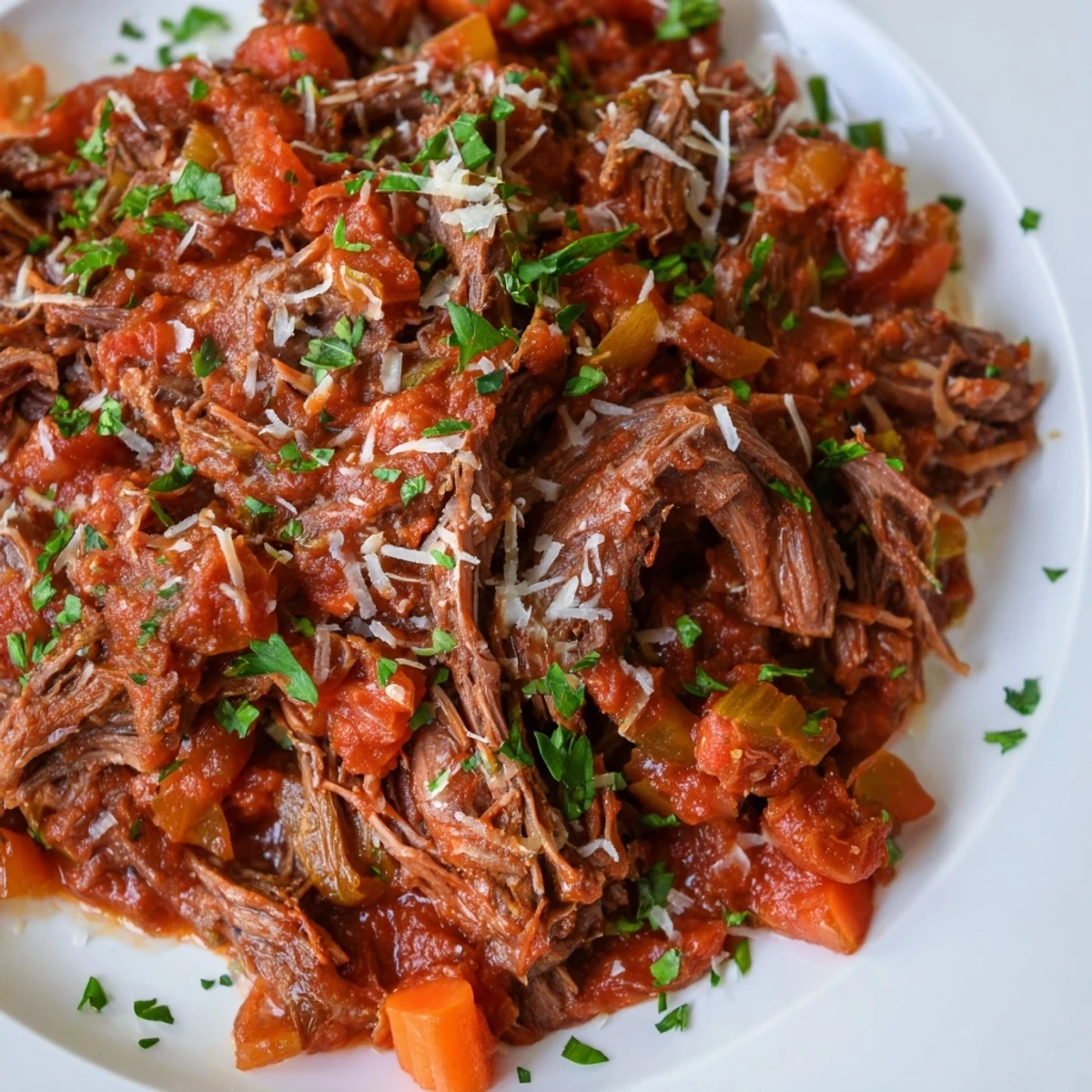
Save One winter evening, I made this ragu and invited my neighbor over without much fanfare. We sat at the kitchen table with bowls of pappardelle tangled in the sauce, and she told me it reminded her of her nonnas cooking, which is a compliment I still think about. That night, the recipe stopped being just a recipe and became something I associate with warmth, good company, and the kind of meal that makes people linger at the table long after their bowls are empty.
How to Store and Reheat
Let the ragu cool completely before transferring it to airtight containers, it keeps in the fridge for up to four days and actually tastes better the next day after the flavors have had time to marry. When reheating, add a splash of stock or water to loosen the sauce, and warm it gently over low heat, stirring occasionally to prevent sticking.
Serving Suggestions
I love spooning this over creamy polenta for a gluten-free option, or tossing it with wide ribbons of pappardelle so every strand gets coated. A simple green salad with lemon vinaigrette and a crusty loaf of bread for mopping up the sauce complete the meal beautifully.
Make It Your Own
Once you have made this a few times, you will start to notice where you can play. Some people add a splash of balsamic vinegar at the end for tang, others throw in a handful of chopped pancetta with the vegetables for extra richness, and I have even stirred in a spoonful of cream before serving when I want something more luxurious.
- Add a pinch of chili flakes if you like a gentle heat that builds with each bite.
- Freeze leftovers in portions for up to three months, then thaw overnight in the fridge for an easy weeknight dinner.
- Try serving over rigatoni, gnocchi, or even mashed potatoes if you are feeling adventurous.
 Save
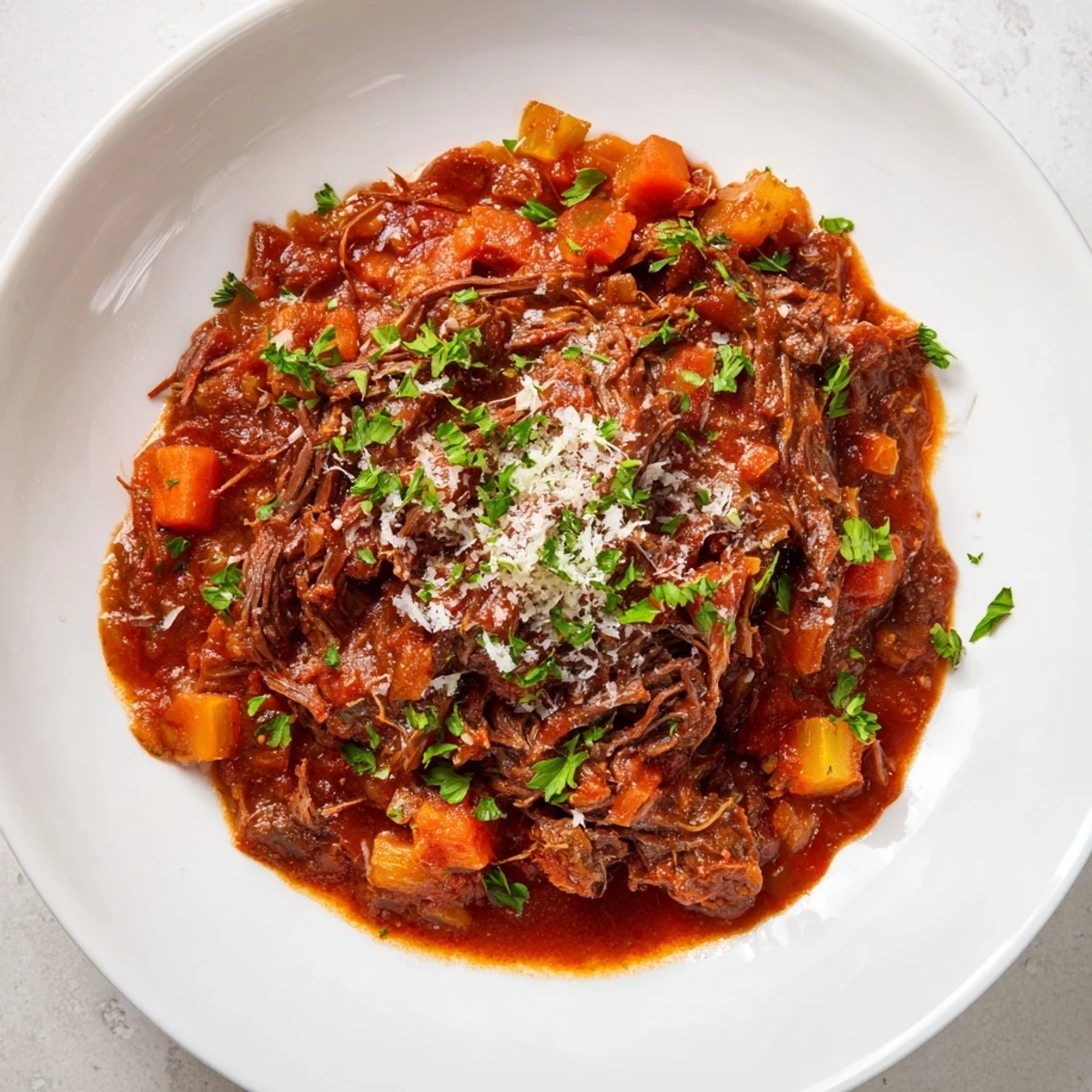
Save This ragu has become my go-to when I want to feel like I have all the time in the world, even on a busy Sunday. It fills the house with warmth, rewards patience, and turns a simple dinner into something memorable.
Common Recipe Questions
- → What cut of beef works best for this dish?
-
Beef chuck cut into large cubes is ideal for slow cooking; it becomes tender and flavorful after long simmering.
- → Can I use fresh herbs instead of dried ones?
-
Fresh herbs can be added near the end of cooking for brightness, but dried oregano and thyme provide deeper, consistent flavor when simmered.
- → How do I thicken the sauce if needed?
-
Simmering uncovered for 10-15 minutes after shredding the beef helps concentrate and thicken the sauce naturally.
- → What are suitable serving options?
-
This ragù pairs well with cooked pasta like pappardelle or rigatoni, and also complements creamy polenta for a hearty meal.
- → How can I store leftovers safely?
-
Cool leftovers quickly, store in airtight containers, and refrigerate for up to 3 days or freeze for up to 3 months.