
 Save
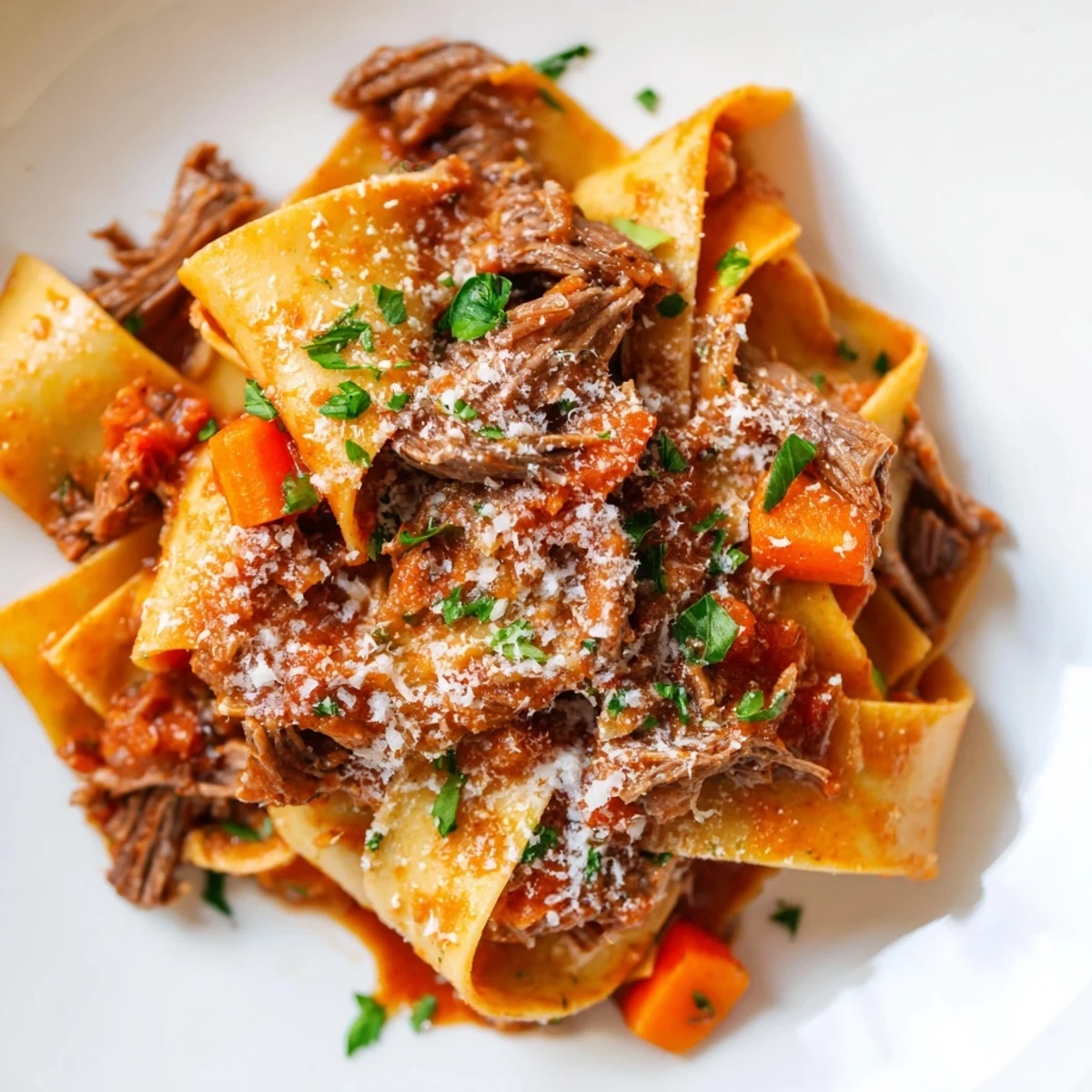
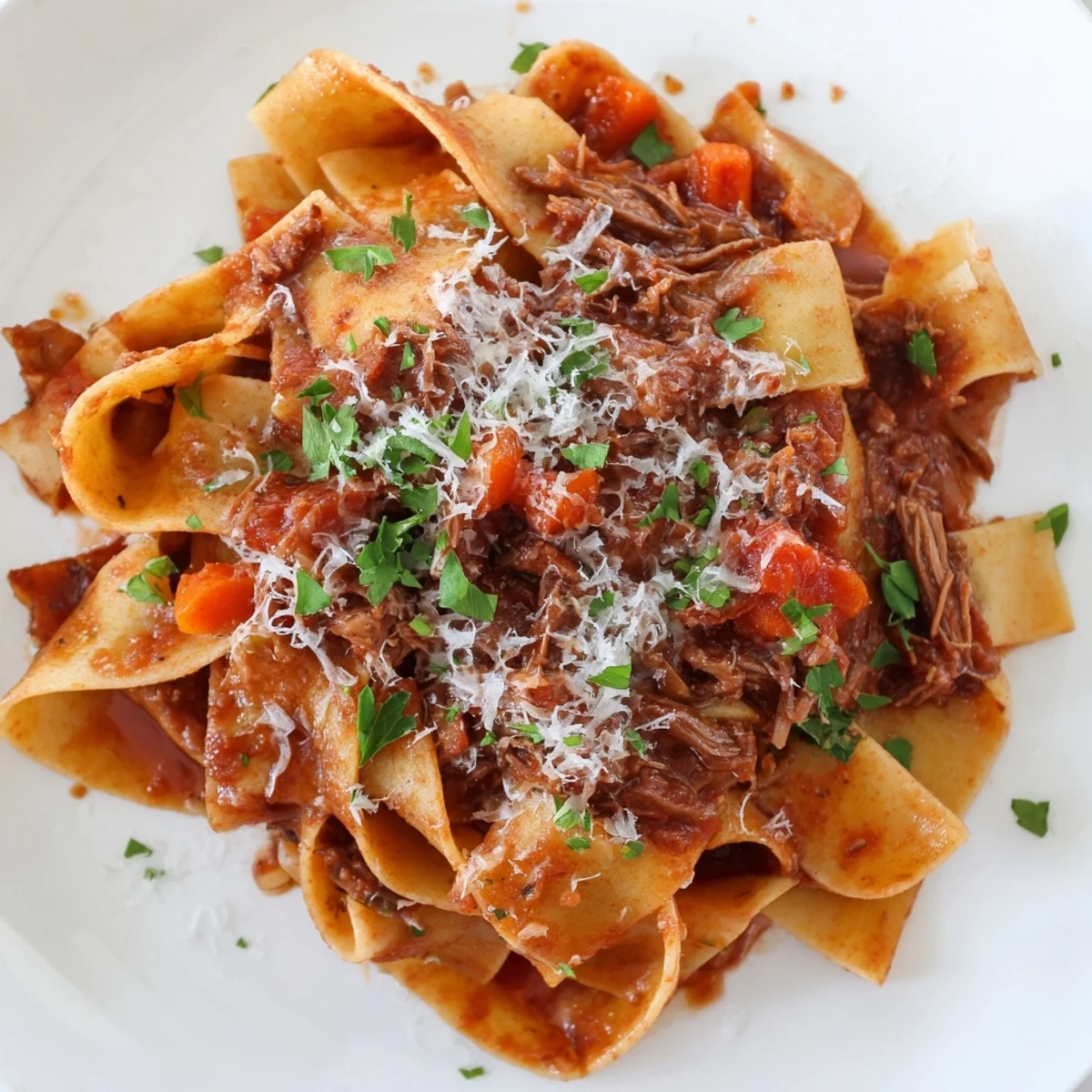
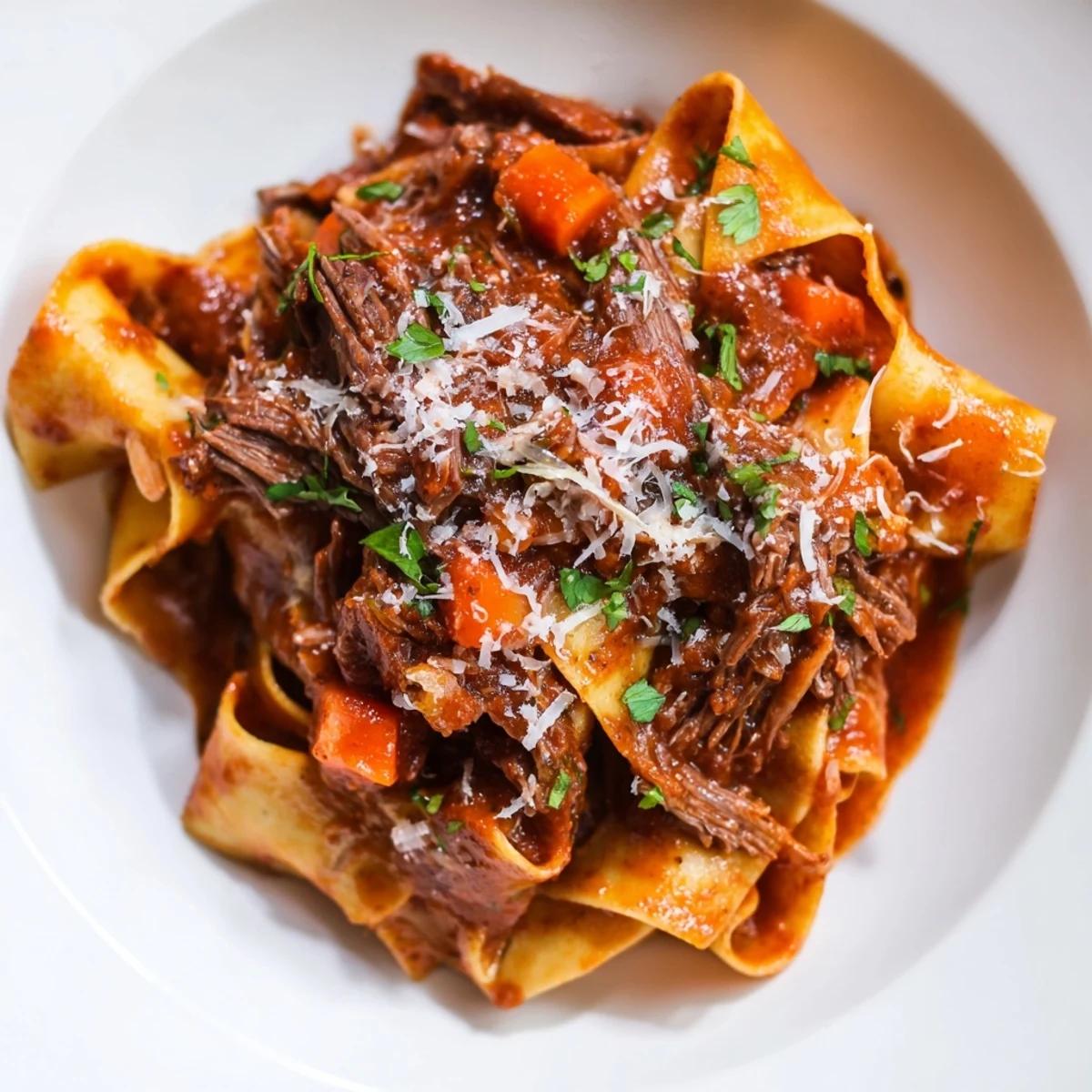
Save This dish features tender chunks of beef slow-cooked in a savory blend of tomatoes, red wine, and herbs until melt-in-your-mouth soft. Paired with wide pappardelle pasta, it offers a rich and comforting Italian-inspired meal perfect for cozy dinners. Aromatic vegetables like onion, carrots, and celery add depth to the sauce, while fresh parsley and Parmesan enhance the finish. Ideal for meal prep, this hearty dish delivers deep, layered flavors with minimal hands-on time.
The first time I made this ragu, my kitchen filled with such a deep, winesoaked aroma that my neighbor actually knocked on the door to ask what smelled so good. I'd been intimidated by the idea of slow cooking meat for hours, but something about watching those beef chunks transform into silky shreds made the whole day feel worthwhile. That dinner became the meal I kept making whenever someone needed comfort or celebration. Now it's become my quiet superpower in the kitchen.
I remember pulling a friend aside at the stove one evening, whispering that this was my secret weapon for impressing people without seeming like I was trying. She laughed and said she'd always thought I was just naturally talented at cooking, but really I was just letting time and a slow cooker do the heavy lifting. That honesty made us both feel a little lighter about the whole thing.
Ingredients
- Beef chuck roast: This cut has enough marbling and connective tissue to become impossibly tender and flavorful after hours of gentle cooking, so don't skip the searing step even though it feels optional.
- Olive oil: Use something you don't mind tasting, since it's a foundation flavor and won't be hidden by other things.
- Yellow onion, carrots, celery: This holy trinity is the backbone of Italian cooking, and taking time to chop them evenly ensures they soften at the same rate.
- Garlic: Fresh minced garlic is worth the little bit of extra work, as it blooms into something much more alive than jarred.
- Dry red wine: The acidity cuts through the richness beautifully, and any wine you'd drink is fine here since cooking doesn't magically improve bad wine.
- Tomato paste: This concentrated umami bomb is what makes the sauce feel deep and complex rather than just tomato-y.
- Crushed tomatoes: Canned is actually superior here because they're picked and processed at peak ripeness, giving you more consistent flavor than fresh.
- Beef broth: Good quality matters more than you'd think, as it flavors the entire sauce from underneath.
- Oregano and thyme: Dried herbs work beautifully in slow cooking because the long, gentle heat lets them unfold without becoming bitter.
- Bay leaves: These add an almost tea-like subtlety that rounds out the savory flavors in a way you'll notice if you leave them out.
- Pappardelle pasta: The wide, silky ribbons are made to catch sauce rather than disappear into it, so this cut really matters.
- Fresh parsley: The bright, peppery finish is essential for breaking up the richness and making each bite feel fresh.
- Parmesan cheese: Real aged Parm adds saltiness and a subtle nuttiness that transforms the whole dish.
Instructions
- Season and sear the beef:
- Pat your beef chunks dry with paper towels before seasoning, since moisture is the enemy of browning. Don't crowd the pan when searing, and let each side sit undisturbed for a couple minutes so you get a dark, caramelized crust that adds incredible depth to the final sauce.
- Build the vegetable base:
- After the beef is out, use the same skillet to soften the onion, carrots, and celery in the rendered fat. This is where the magic of flavor-building happens, so pay attention to how the vegetables gradually become translucent and start to smell sweet.
- Deglaze with wine:
- Pouring wine into a hot pan releases all those wonderful browned bits stuck to the bottom, which is where enormous flavor lives. Let it bubble and reduce for a minute so the raw alcohol burns off and you're left with pure wine essence.
- Combine everything in the slow cooker:
- Dump in the tomato paste first and stir it around to coat the vegetables, then add everything else and give it a gentle stir. The slow cooker should be about three-quarters full, as you want the liquid to mostly cover the meat but leave a little headspace.
- Let time do the work:
- Set it on low and walk away, though you might peek once after a few hours just to inhale that smell. Resist the urge to stir constantly, as the gentle, undisturbed heat is what breaks down the connective tissue into silky tenderness.
- Shred and taste:
- When the beef shreds easily with a fork, it's ready, and this is the moment to taste and adjust for salt and pepper. Don't skip this step, as slow cooking can make flavors feel muted and a little seasoning adjustment brings everything back to life.
- Finish with pasta:
- Cook your pappardelle according to package directions, but pull it out a minute early so it stays tender without turning mushy. Toss it gently with some of the sauce so every strand gets coated and carries flavor all the way through.
 Save
Save One winter when I was feeling overwhelmed by everything, I made this ragu and just let the kitchen fill with that warm, savory smell while I sat at the table reading with a cup of tea. By the time my family came home, the house felt like it was giving them a hug before they even walked through the door. That's when I realized this dish had become more than dinner—it was my way of saying I care without having to say much of anything.
Why This Dish Feels Different
Most pasta dishes are about speed and technique, but this one is about surrender and trust. You're not fighting the ingredients or rushing the process, you're just creating the right conditions and letting hours of gentle heat transform tough meat into something tender and complex. It teaches you that sometimes the best flavor comes from patience rather than fanciness.
The Wine Question
That half-cup of red wine isn't there to make you feel fancy, it's there because acidity is one of the great flavor bridges in cooking. It keeps the sauce from tasting one-dimensional and heavy, cutting through the richness of the meat and tomato with just enough brightness. A Chianti or Barolo as an accompaniment adds another layer of pleasure, but honestly any wine you'd drink works perfectly fine in the pot.
Make It Your Own
This ragu is forgiving enough to bend toward what you have on hand and flexible enough to match your mood. Some days I add a pinch more chili flakes for heat, other times I skip them entirely and let the sauce be purely savory and smooth. The beauty is that once you understand the foundation, you can play with it.
- Substitute beef chuck with brisket, short ribs, or even a combination if you want to experiment with different textures and flavors.
- A splash of balsamic vinegar in the last hour adds unexpected depth and a whisper of sweetness that rounds out the savory notes.
- Make it a day or two ahead and reheat gently, since the flavors actually deepen and become more integrated with time.
 Save
Save This is the kind of meal that reminds you why cooking matters, not because it's complicated but because it's genuine. Make it and let yourself feel the satisfaction of feeding people something that tastes like it took forever, even if you barely lifted a finger.
Common Recipe Questions
- → How long does the beef take to become tender?
-
Beef simmers slowly over 8 hours until it shreds easily, resulting in maximum tenderness and flavor infusion.
- → Can I use a different cut of beef?
-
Yes, substituting brisket or short ribs works well, both providing rich texture and taste through slow cooking.
- → What pasta works best with this sauce?
-
Wide pasta like pappardelle is ideal as it holds the rich sauce well, ensuring each bite is flavorful.
- → Is it possible to prepare this dish ahead of time?
-
Absolutely. The flavors deepen when reheated after 1–2 days, making it convenient for make-ahead meals.
- → How can I adjust the spiciness?
-
Omit or reduce chili flakes for a milder sauce or add extra for a subtle heat that complements the beef.
- → What wine pairs well with this dish?
-
Bold red wines such as Chianti or Barolo complement the richness and acidity of the tomato-based sauce beautifully.