
 Save
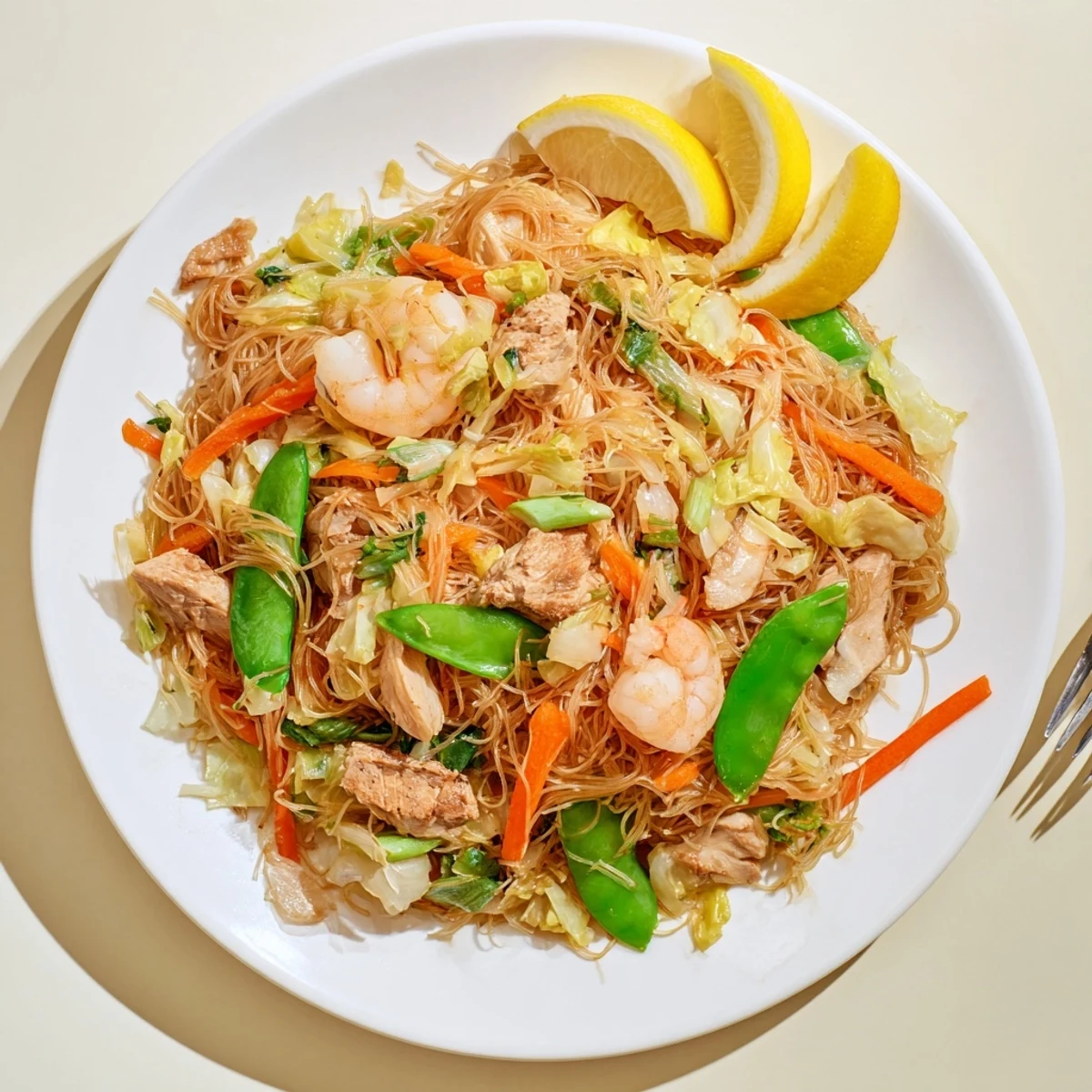
Save This classic Filipino dish features delicate rice vermicelli noodles wok-tossed with juicy chicken breast, succulent shrimp, and julienned vegetables in a rich umami-packed sauce. The noodles absorb the savory blend of soy, oyster, and fish sauces while maintaining their tender texture. Finished with aromatic garlic, onions, and fresh scallions, each bowl delivers a perfect balance of protein and vegetables. The dish comes together in just 40 minutes, making it ideal for busy weeknights or weekend feasts with family and friends.
The steam rising from my tita's kitchen always meant something special was happening. I'd perch on a stool watching her transform those translucent rice noodles into something magical, the aroma of garlic and soy sauce making my stomach growl. Now whenever I make pancit, I'm transported back to that cramped but wonderful kitchen, learning the rhythm of the wok.
Last Christmas, I made a massive batch for my extended family. My uncle who never cooks came into the kitchen, grabbed a fork, and started 'taste testing' until half the platter was gone. That's when I knew this recipe was a keeper.
Ingredients
- Boneless chicken breast: Thinly slicing against the grain keeps it tender and quick to cook
- Medium shrimp: Peeled and deveined saves precious time and makes eating easier
- Dried bihon noodles: These delicate rice noodles are the heart of the dish and absorb flavors beautifully
- Carrot and cabbage: Julienned for quick cooking and pleasant texture in every bite
- Snow peas: Add a fresh snap and vibrant color to the finished dish
- Onion and garlic: The aromatic foundation that builds depth in every strand
- Soy and oyster sauce: Create that perfect balance of salty and umami richness
- Fish sauce: Just a teaspoon adds that authentic Filipino depth
- Chicken broth: The liquid gold that helps noodles absorb all those seasonings
- Scallions and calamansi: The bright finish that cuts through the richness
Instructions
- Prep your noodles:
- Soak bihon in warm water for 10 minutes until pliable, then drain well so they're ready to drink up that sauce.
- Build your aromatics:
- Heat oil in your wok over medium-high heat, then sauté garlic and onion until fragrant and the onion turns translucent.
- Cook the proteins:
- Add chicken slices first, letting them brown lightly and cook through, then toss in shrimp until they turn pink, about 2 minutes.
- Sauté the vegetables:
- In the same pan, stir-fry carrots, cabbage, and snow peas for 2 to 3 minutes until just tender but still snappy.
- Combine everything:
- Return proteins to the pan, pour in soy sauce, oyster sauce, fish sauce, and chicken broth, then bring it to a gentle simmer.
- Add the noodles:
- Toss in the drained bihon, using tongs to gently combine and let the noodles absorb all that flavorful liquid.
- Finish and serve:
- Season with black pepper, adjust any seasonings to taste, then garnish with scallions and serve with calamansi wedges for squeezing.
 Save
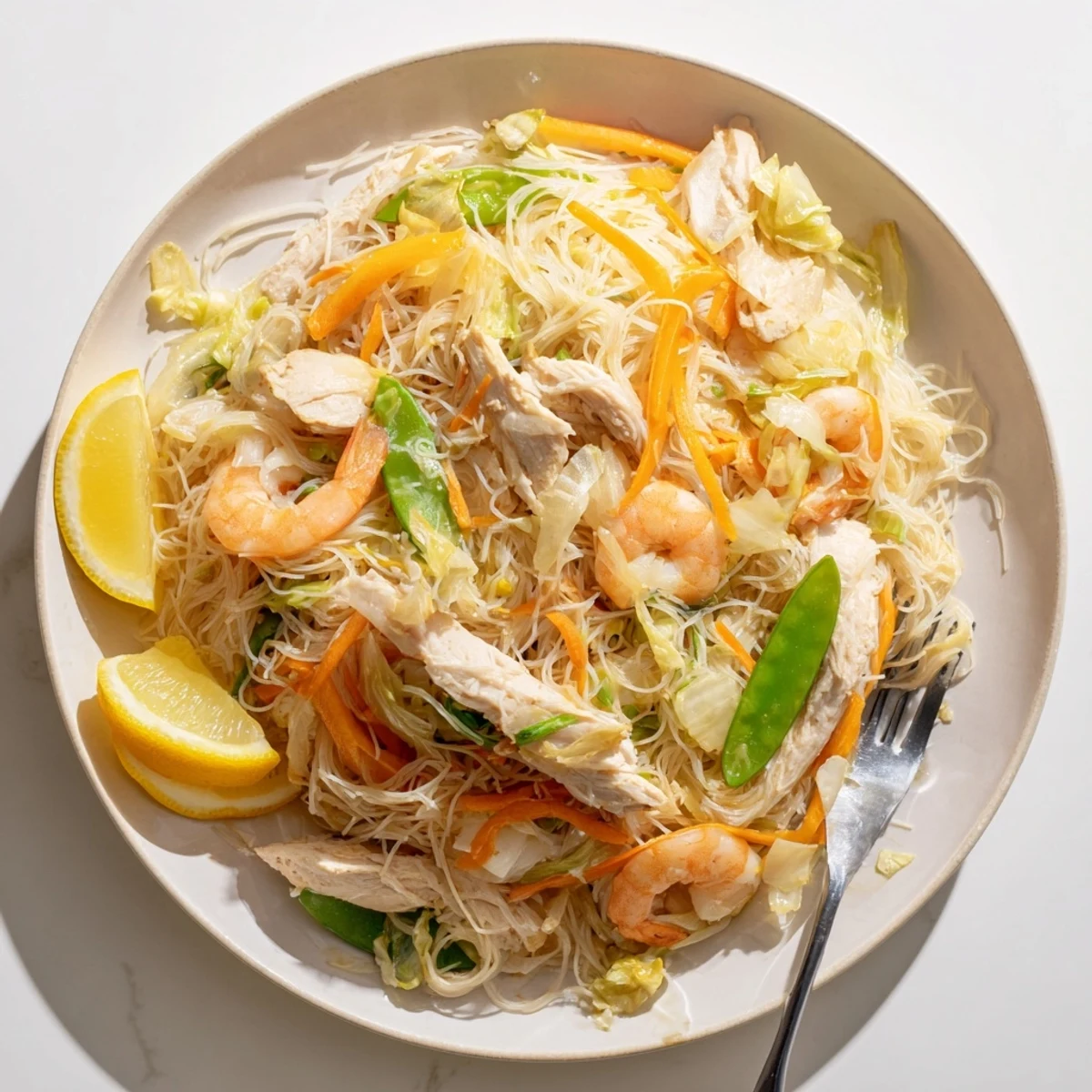
Save My friend requested this for her birthday instead of a cake, and watching everyone crowd around the platter, forks clinking, made me realize how food weaves us together.
Getting the Noodle Texture Right
I've learned that timing is everything with bihon noodles. Soak them too long and they turn mushy, too short and they stay crunchy in the center. That sweet spot of 10 minutes in warm water gives you noodles that are tender but still have something to say when you bite them.
Building Layers of Flavor
The secret restaurant style taste comes from cooking ingredients in stages and letting each layer develop. Your aromatics go first, then proteins get their moment, and vegetables join last so they keep their bright crunch. This method creates depth that you can't achieve by throwing everything in at once.
Making It Your Own
Once you've got the basic technique down, pancit becomes incredibly forgiving. I've added bell peppers for color, swapped in tofu for vegetarian friends, and even made it with whatever vegetables were lingering in my crisper drawer.
- Leftovers reheat beautifully with a splash of water to loosen the noodles
- Make it spicy by adding sliced chilies with your garlic
- Double the recipe for parties, it disappears faster than you expect
 Save
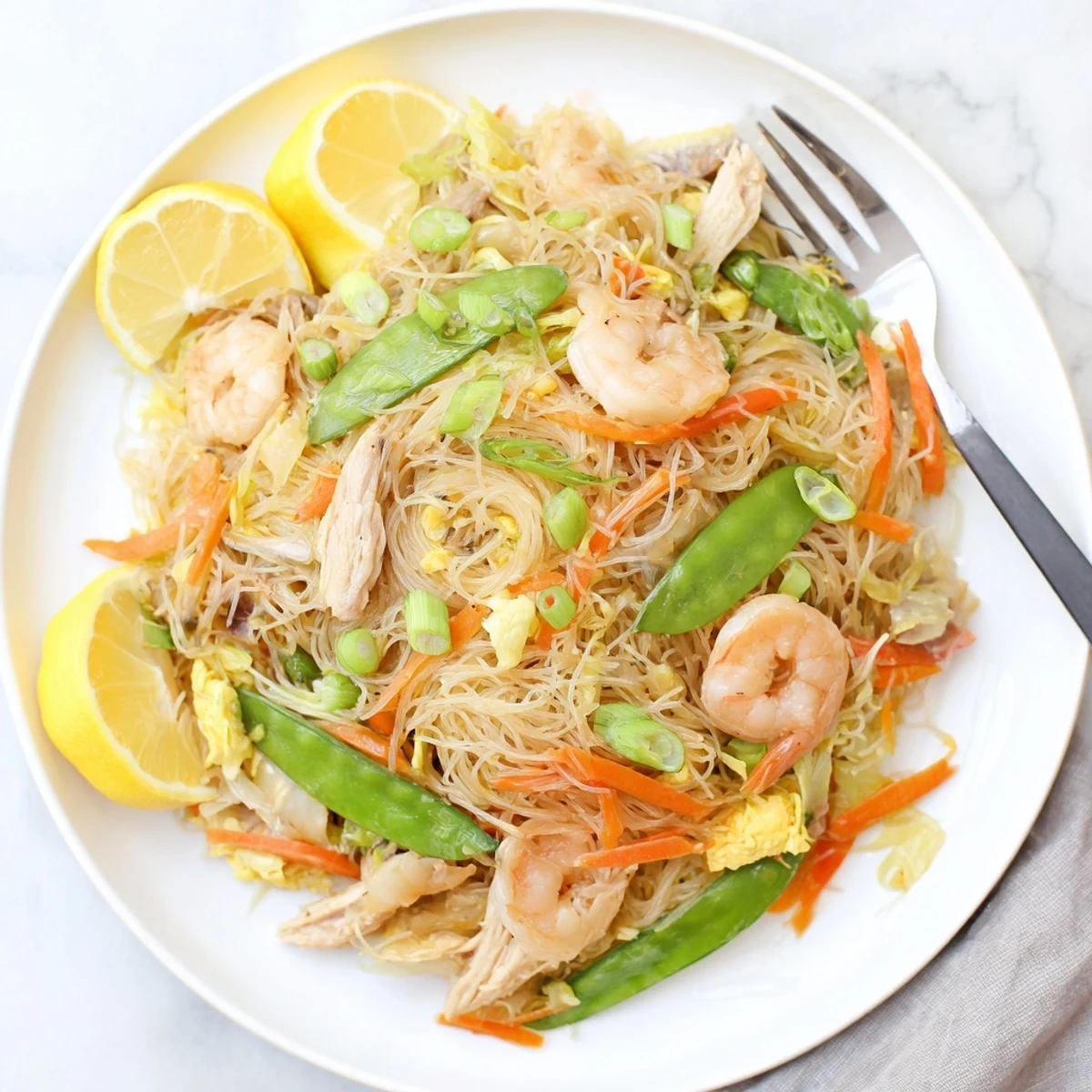
Save There's something deeply satisfying about a dish that brings people together, forks reaching across the table, everyone asking for seconds. That's the real magic of pancit.
Common Recipe Questions
- → What makes Pancit Bihon different from other Filipino noodles?
-
Bihon refers specifically to thin rice vermicelli noodles, which differentiate this dish from other pancit varieties that use egg noodles, thick rice sticks, or cornstarch noodles. The rice noodles create a lighter, more delicate texture that perfectly absorbs the savory soy-based sauce while maintaining a pleasant chewiness.
- → Can I prepare Pancit Bihon ahead of time?
-
Yes, you can chop vegetables and slice proteins up to a day in advance. Store them separately in airtight containers in the refrigerator. The noodles can be soaked ahead, but cook them immediately before serving as they continue to absorb liquid and may become mushy if left sitting in sauce.
- → How do I prevent the noodles from becoming too soft or mushy?
-
Soak the rice noodles just until pliable, not completely soft, about 10 minutes. During cooking, toss gently and avoid overcooking once added to the sauce. The residual heat will continue softening them, so removing from heat while they still have slight firmness ensures perfect texture.
- → What vegetables work best in Pancit Bihon?
-
Traditional options include carrots, cabbage, snow peas, and bell peppers for crunch and color. Green beans, celery, and baby corn also work beautifully. The key is cutting vegetables into thin, uniform pieces so they cook quickly and evenly alongside the noodles.
- → Is this dish suitable for special dietary needs?
-
The base dish is naturally dairy-free. For gluten-free versions, ensure your soy sauce and oyster sauce are certified gluten-free. To make it vegetarian, substitute chicken with firm tofu and use vegetable broth instead of chicken broth. The recipe is easily adaptable to various dietary preferences.
- → What's the best way to serve Pancit Bihon?
-
Serve immediately while hot, garnished with fresh scallions. Traditionally accompanied by calamansi or lemon wedges for squeezing over the noodles, adding bright acidity that balances the savory sauce. Many families also offer additional soy sauce and chili on the side for customizing flavor intensity.