
 Save
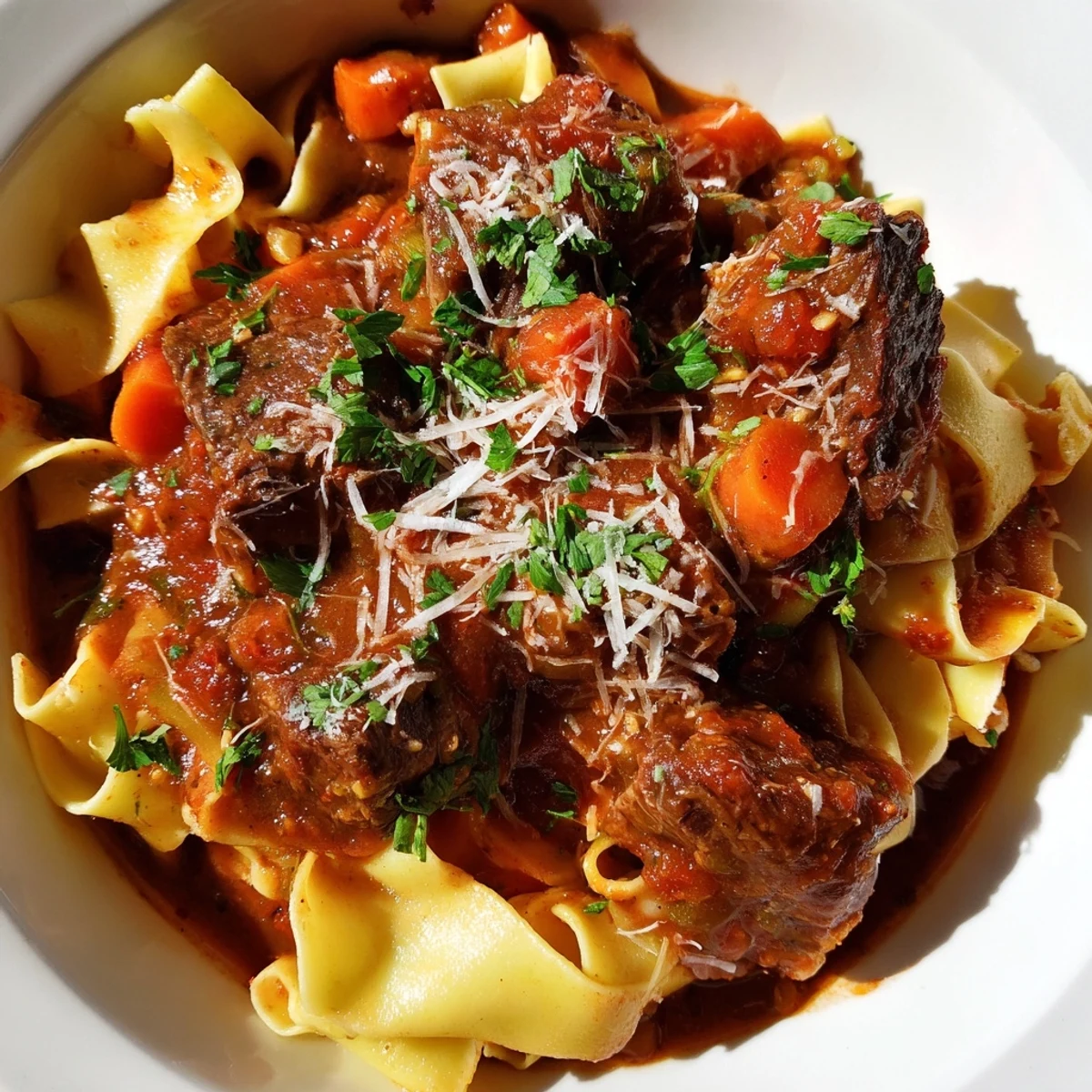
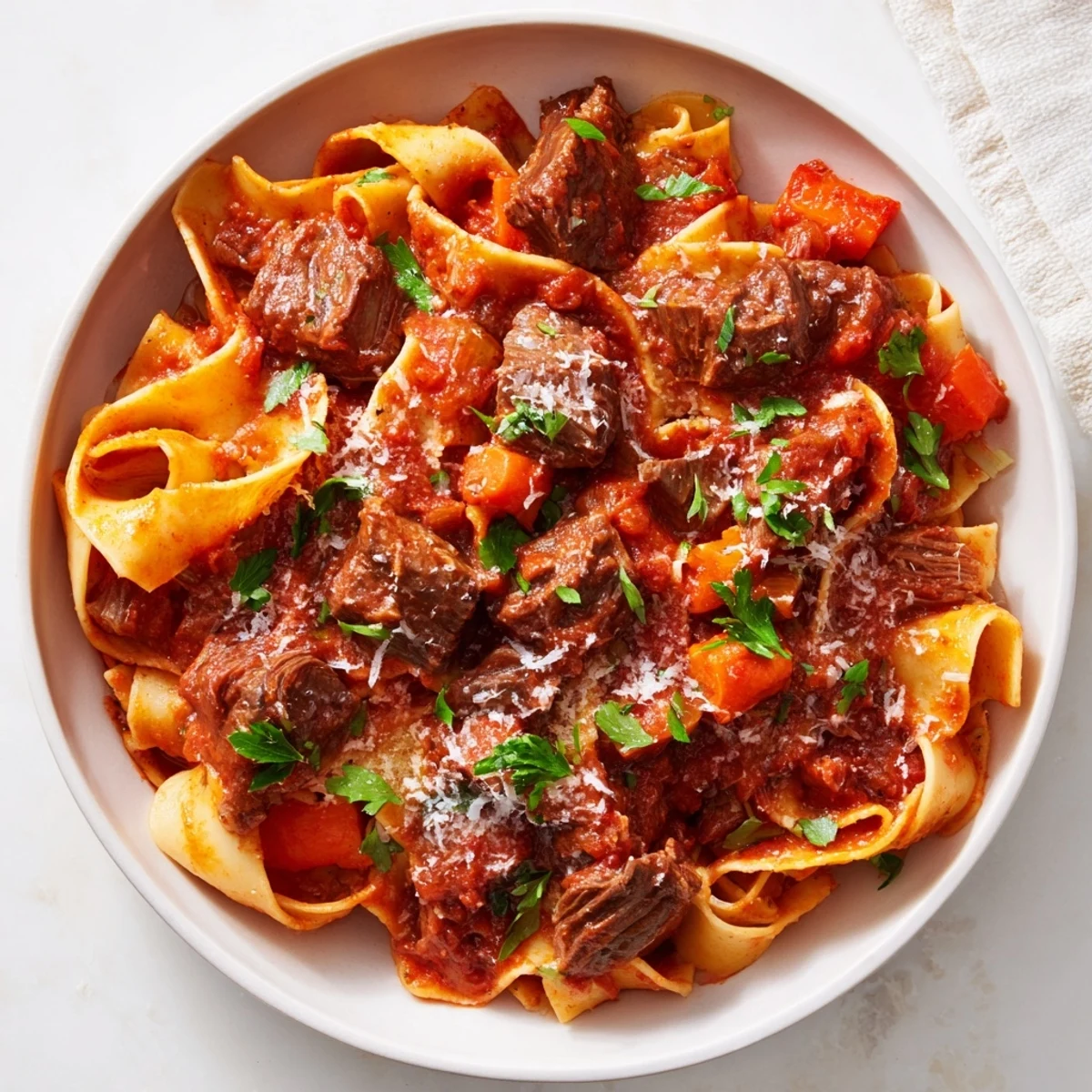
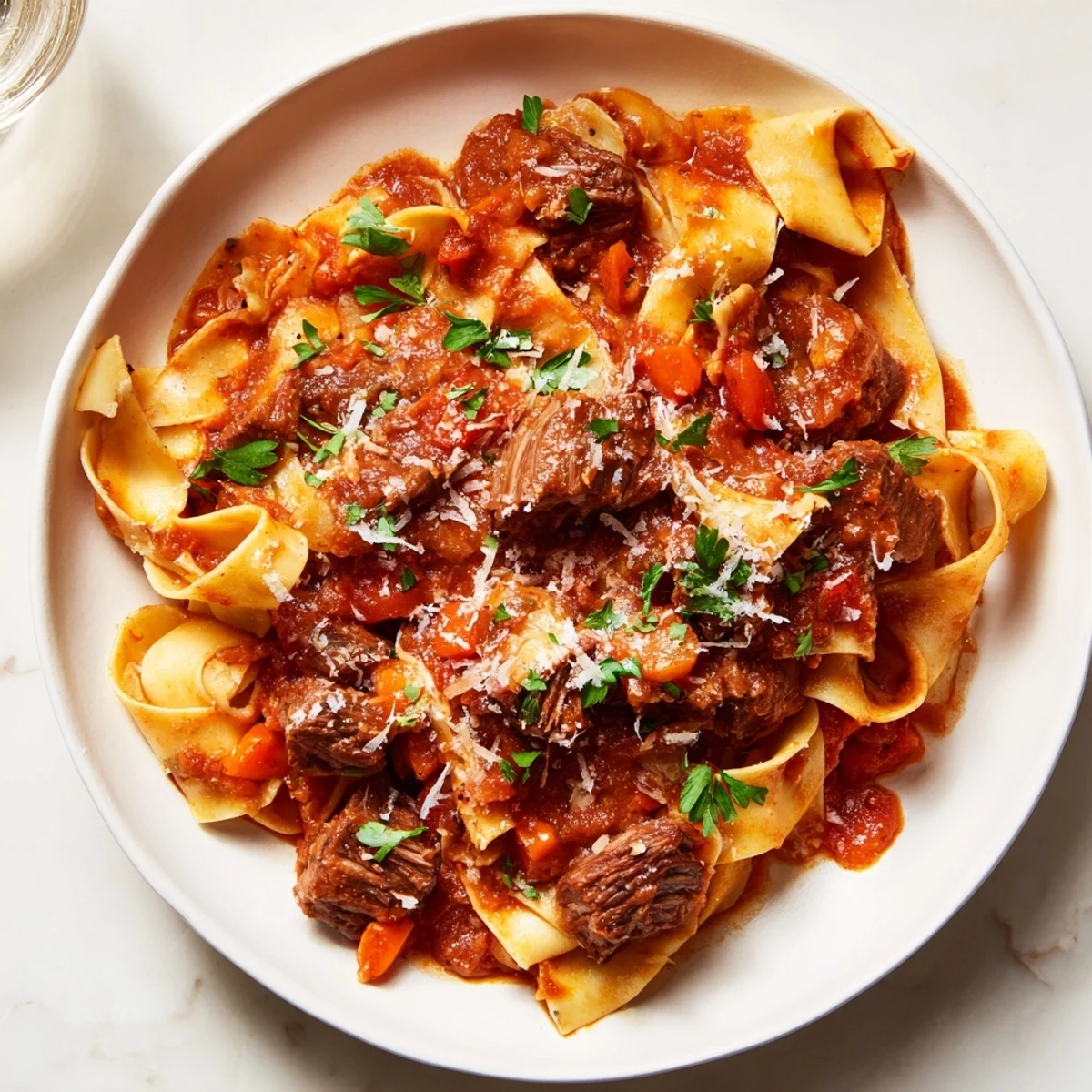
Save This comforting dish features beef chuck slow-cooked for eight hours with crushed tomatoes, red wine, and aromatic vegetables like onion and celery. Once tender, the meat is shredded and tossed with wide pappardelle pasta, then finished with grated Parmesan and fresh parsley.
There's something about the smell of beef slowly breaking down with tomatoes and wine that fills your whole kitchen with a sense of ease. I discovered this ragu one particularly cold afternoon when I had nowhere to be, just time and a slow cooker waiting on the counter. The magic isn't in racing through steps but in letting everything meld together for hours until the beef becomes so tender it falls apart at the gentlest nudge. When I finally ladled that deep, glossy sauce over ribbons of pappardelle, I understood why this dish has been an Italian comfort for generations.
I made this for my neighbors one winter evening, and they arrived already drawn in by the aroma wafting down the hallway. Watching their faces when they twirled their first forkful into that rich sauce reminded me that food doesn't need to be fussy to be memorable. Their kids even asked for seconds, which felt like the highest compliment a ragu could receive.
Ingredients
- Beef chuck roast (2 lbs): This cut has just enough fat and connective tissue to become impossibly tender during the long cook, creating that melting texture that makes the dish special.
- Olive oil (2 tbsp): Use a decent quality for the searing step since that's where flavor begins, but save your fancy stuff for the finish.
- Yellow onion, carrots, and celery: The holy trinity that builds the foundation of the sauce with natural sweetness and depth.
- Garlic (4 cloves): Minced fine so it dissolves into the background, adding whispers of flavor rather than bold bursts.
- Tomato paste (2 tbsp): This concentrated intensity is what gives the ragu its dark, serious character, so don't skimp or skip it.
- Crushed tomatoes (28 oz): The backbone of the sauce, providing brightness and body that pulls everything together.
- Beef broth (1 cup): Adds savory depth without overpowering the tomatoes, balancing the sauce's complexity.
- Dry red wine (1/2 cup): A decent everyday wine works perfectly here, adding subtle acidity and richness that mellows during cooking.
- Oregano, thyme, and basil (dried, 2 tsp, 1 tsp, 1 tsp): These herbs are your flavor architecture, building a classically Italian profile that feels both comforting and sophisticated.
- Red pepper flakes (1/2 tsp, optional): A small whisper of heat that doesn't announce itself but makes people wonder what's making this taste so good.
- Bay leaves (2): Remove these after cooking, but they quietly improve everything while they're there.
- Pappardelle pasta (1 lb): Those wide ribbons catch the sauce better than thin noodles, making every bite generous and satisfying.
- Parmesan cheese (1/2 cup) and fresh parsley (1/4 cup): Your finish line, adding brightness and nuttiness that lifts the whole dish.
Instructions
- Season and sear the beef:
- Pat your beef chunks dry with paper towels and season generously with salt and pepper. This step matters more than it seems because it's where you build the first layer of flavor that will echo through the whole dish.
- Brown the meat:
- Heat your olive oil until it's shimmering and almost smoking, then add the beef in batches so you're not crowding the pan. Listen for that sizzle and let each piece sit undisturbed for a few minutes to develop a proper crust, then flip and repeat.
- Soften the aromatics:
- In the same skillet with all those wonderful browned bits stuck to the bottom, add your chopped onion, carrots, and celery. The pan is still warm enough that they'll soften quickly, and you're capturing all that fond by scraping as you stir.
- Bloom the paste and garlic:
- Push everything to the sides, add your minced garlic and tomato paste to the hot center of the pan, and let them sit for about a minute. You'll smell it shift from raw to slightly cooked, and that's when you know it's working.
- Build the sauce in the slow cooker:
- Combine your crushed tomatoes, beef broth, red wine, herbs, and the browned beef and vegetable mixture. Stir gently, cover, and let the slow cooker do what it does best: make everything better with time.
- Cook low and slow:
- Set it for 8 hours on low and try not to peek too often, though honestly the aroma will tempt you. You'll know it's ready when the beef shreds easily with two forks and the sauce has deepened to a rich, dark mahogany.
- Shred and adjust:
- Remove the bay leaves and shred the beef right in the slow cooker, then taste and adjust salt and pepper. This is your moment to make it perfect for your palate.
- Cook the pasta:
- While your ragu is finishing, bring salted water to a rolling boil and cook your pappardelle until it's tender but still has a little resistance when you bite it. Reserve a cup of the pasta water before draining.
- Bring it all together:
- Toss the hot pasta with the ragu directly in the slow cooker or in a large shallow bowl, adding a splash of pasta water if you want the sauce to flow more generously. Top with freshly grated Parmesan and a shower of chopped parsley.
 Save
Save There's a particular quiet moment when you've finished eating and your guests are leaning back in their chairs, wine glasses half-empty, asking if they can take leftovers home. That's when you know a dish has crossed from being just dinner into something that matters. This ragu has that power.
Why Slow Cooking Is the Right Choice Here
A slow cooker isn't lazy cooking; it's intentional cooking. The gentle, consistent heat breaks down the collagen in the beef chuck into gelatin, which creates that silky, luxurious mouthfeel that would take hours of careful attention on the stovetop. You're also building flavor in a different way than a quick braise would. The tomatoes and herbs steep slowly into the meat rather than fighting against a high temperature, creating a sauce that tastes like it's been simmered all day.
How to Make This Your Own
Once you understand the basic balance of this ragu, you can adjust based on what you have and what you love. Some people swear by adding a splash of balsamic vinegar in the last hour for subtle sweetness, while others sneak in a tablespoon of fish sauce (yes, really) for savory depth. I've added a parmesan rind during cooking for richness, and I've stirred in sautéed mushrooms for earthiness. The technique is what matters; the variations are endless.
Making Ahead and Storing
This ragu actually improves if you make it a day ahead, giving all the flavors time to marry and settle. It keeps in the refrigerator for up to five days in an airtight container, and it freezes beautifully for up to three months, which makes it perfect for doubling when you have the time. You can also cook the ragu and store it separately from the pasta, reheating gently on the stovetop with a splash of water or broth when you're ready to serve.
- Cool the ragu completely before refrigerating to prevent condensation and unwanted bacteria growth.
- Freeze it in portions using ice cube trays or freezer bags so you can thaw exactly what you need.
- Add a little fresh parsley and a squeeze of lemon juice after reheating to brighten the flavors and remind people this is fresh home cooking.
 Save
Save This dish reminds me that some of the best meals aren't about complicated techniques or rare ingredients, but about giving food the time and attention it deserves. Make this when you want your kitchen to smell like home and your table to feel like a place where people want to linger.
Common Recipe Questions
- → Can I use a different cut of beef?
-
Yes, bone-in short ribs are an excellent alternative that adds extra richness to the sauce.
- → Can I make this without a slow cooker?
-
Yes, you can simmer it on the stovetop over low heat in a heavy Dutch oven for 3-4 hours.
- → What pasta can I substitute for pappardelle?
-
Tagliatelle or fettuccine are great alternatives that hold the sauce well.
- → How should I store leftovers?
-
Store in an airtight container in the refrigerator for up to three days for best flavor.
- → Is it possible to freeze this dish?
-
Yes, it freezes well. Cool completely before storing in a freezer-safe bag for up to three months.