
 Save
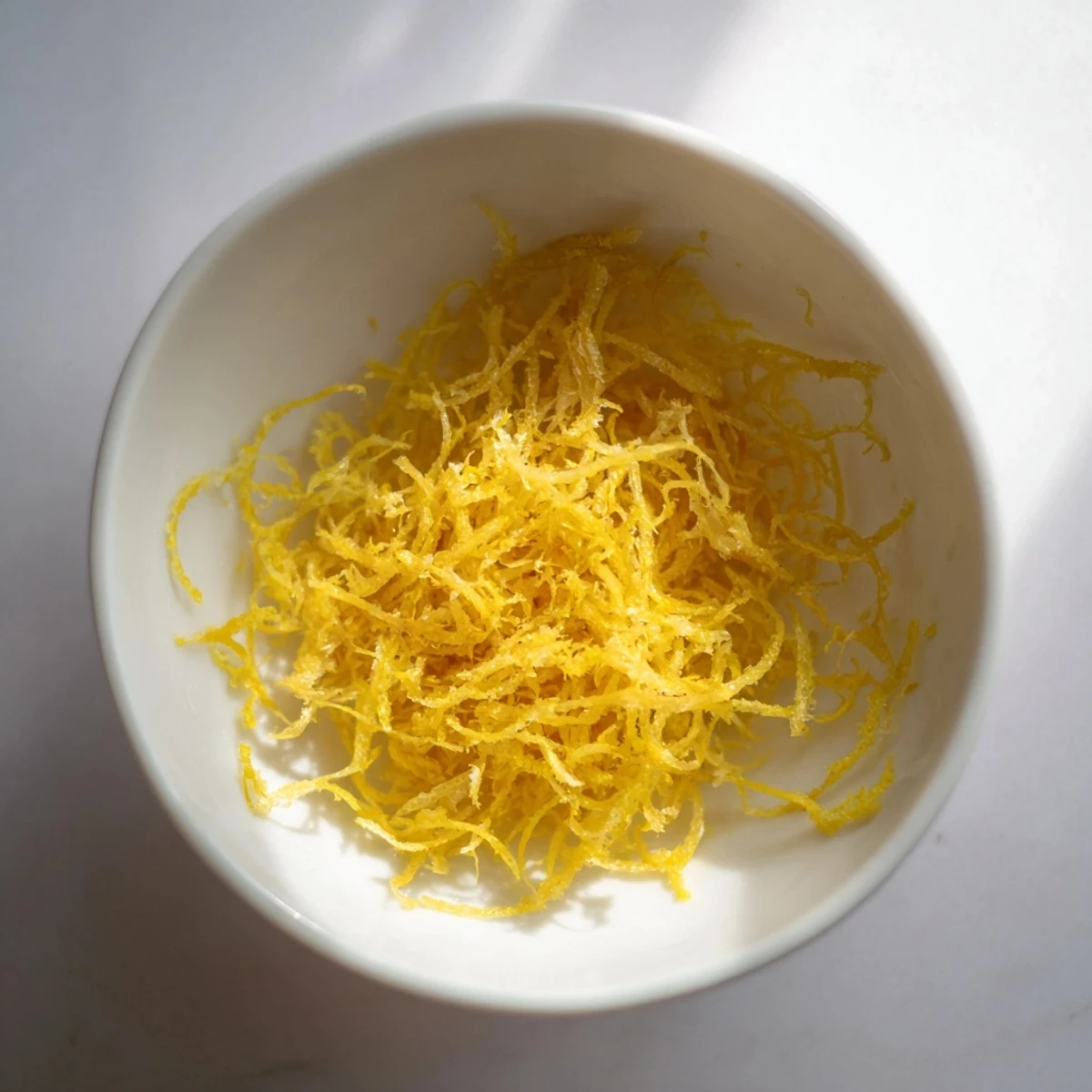
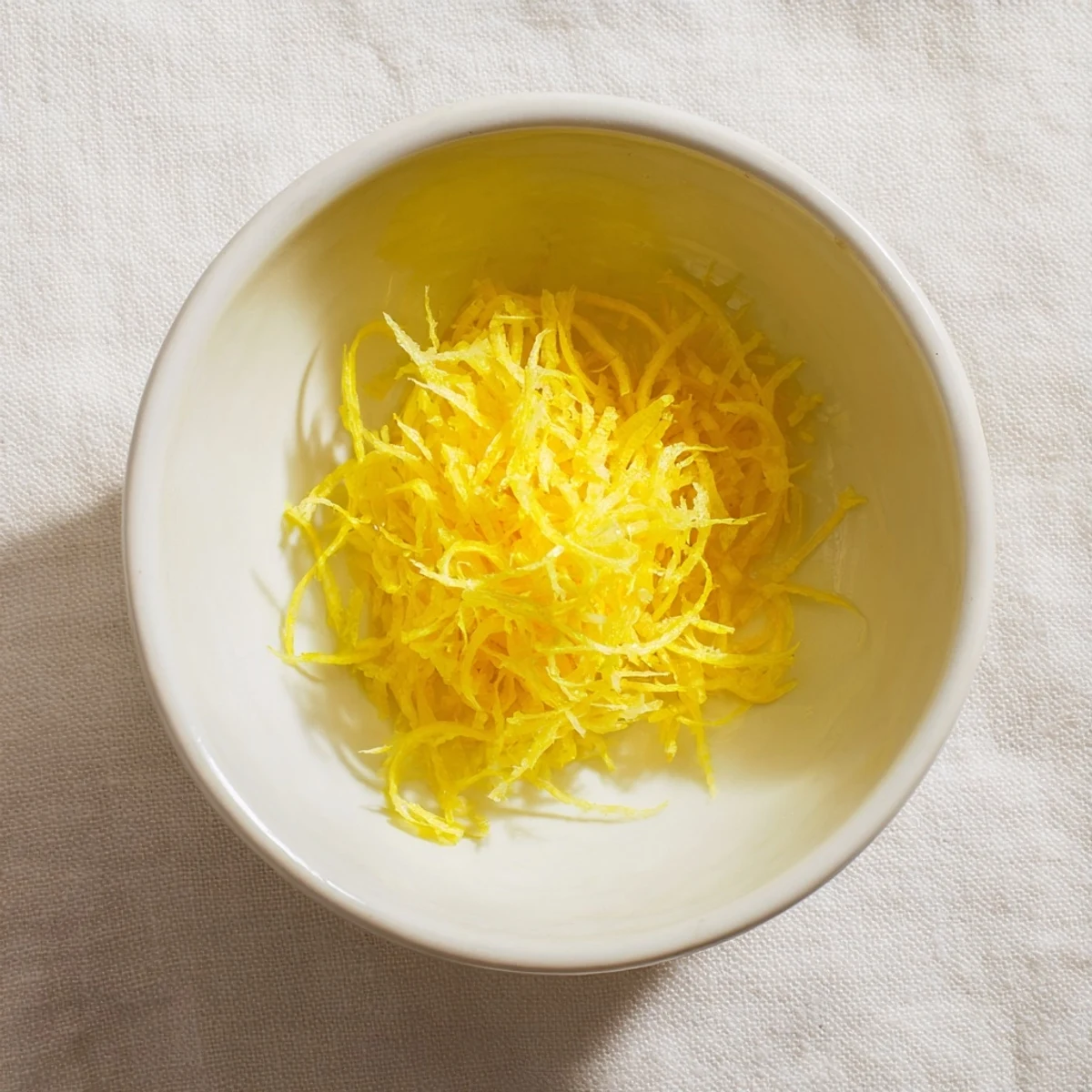
Save Lemon zest offers a vibrant burst of citrus flavor perfect for enhancing both sweet and savory dishes. Using a microplane or fine grater, gently remove only the bright yellow peel while avoiding the bitter white pith. Freshly grated zest can be added immediately or stored in the fridge for up to two days, or frozen for longer freshness. It’s ideal for brightening baked goods, marinades, dressings, and cocktails, making it a versatile ingredient in the kitchen.
The first time I truly understood lemon zest was in my friend's kitchen on a gray morning when she was making a cake. She handed me a microplane and said, "Just the yellow part," and something clicked—that fragrant powder between my fingers held more citrus punch than I'd ever squeezed from juice alone. I've been obsessed with it ever since, using it to wake up everything from scrambled eggs to cocktails.
I remember bringing a lemon cake dusted with homemade zest to a potluck, and someone asked if I'd used "real lemon" because the flavor was so vivid and present. That's when I realized zest isn't just a garnish—it's the whole conversation the lemon wants to have with your food.
Ingredients
- 1 organic lemon, washed and dried: Look for bright, unblemished skin and avoid any that feel soft or shriveled. Organic lemons mean fewer worries about pesticide coatings, though any lemon works if you wash it well under warm water first.
Instructions
- Prep your lemon:
- Wash the lemon under warm water and dry it completely with a clean towel. A damp lemon won't zest as cleanly, and water on the microplane creates clumps instead of those beautiful, fluffy threads.
- Choose your tool:
- A microplane creates the finest, most aromatic zest—almost like fairy dust. A fine grater works too, and a citrus zester gives you thin strips if you prefer that texture.
- Zest with intention:
- Hold the lemon gently and use light, careful strokes, working your way around the fruit. Stop the moment you see any white pith appearing—that bitter layer will ruin the brightness you're after.
- Collect and use:
- Let the zest fall directly into your bowl or onto parchment. Use it immediately for the most fragrant result, or store it for later uses.
 Save
Save My partner once said that adding lemon zest to morning scrambled eggs changed how they thought about breakfast entirely. That small gesture—two minutes of work—became the reason they actually looked forward to eating eggs instead of just getting through them.
Storage and Longevity
Fresh zest lasts about two days in an airtight container in the fridge, and it freezes beautifully for up to a month. I like freezing small portions in ice cube trays with a tiny bit of olive oil, so I always have zest ready for weeknight cooking without the work.
Where Lemon Zest Shines
I've watched zest transform baked goods into something luminous—cakes, cookies, and scones suddenly taste like they hold actual sunshine. It also wakes up dressings, marinades, and cocktails with an aromatic presence that juice alone can never deliver.
The Bigger Picture
Lemon zest taught me that sometimes the most overlooked part of an ingredient holds the most magic. It's a small moment that reminds me cooking is about paying attention to details and understanding that brightness and aroma matter just as much as flavor.
- Always zest before you cut the lemon open, so you're working with the whole, firm fruit.
- If your lemon is waxed or non-organic, give it an extra scrub under warm running water to remove any protective coating.
- Keep your microplane clean between uses so you get pure zest, not stuck bits from previous projects.
 Save
Save Lemon zest is proof that sometimes the smallest details create the biggest differences in the kitchen. Once you start using it, you'll wonder how you ever cooked without it.
Common Recipe Questions
- → How do I zest a lemon properly?
-
Use a microplane or fine grater to gently remove only the yellow outer layer, avoiding the bitter white pith underneath.
- → Can lemon zest be prepared ahead of time?
-
Yes, zest can be stored in an airtight container in the refrigerator for up to two days or frozen for up to one month.
- → What dishes benefit from lemon zest?
-
Lemon zest adds fresh citrus notes to baked goods, marinades, dressings, and cocktails.
- → Is it necessary to wash lemons before zesting?
-
Always wash lemons thoroughly, especially if they are pre-waxed or not organic, to remove any coatings.
- → What tools work best for zesting lemons?
-
A microplane, fine grater, or citrus zester works well for extracting bright, flavorful zest.