
 Save
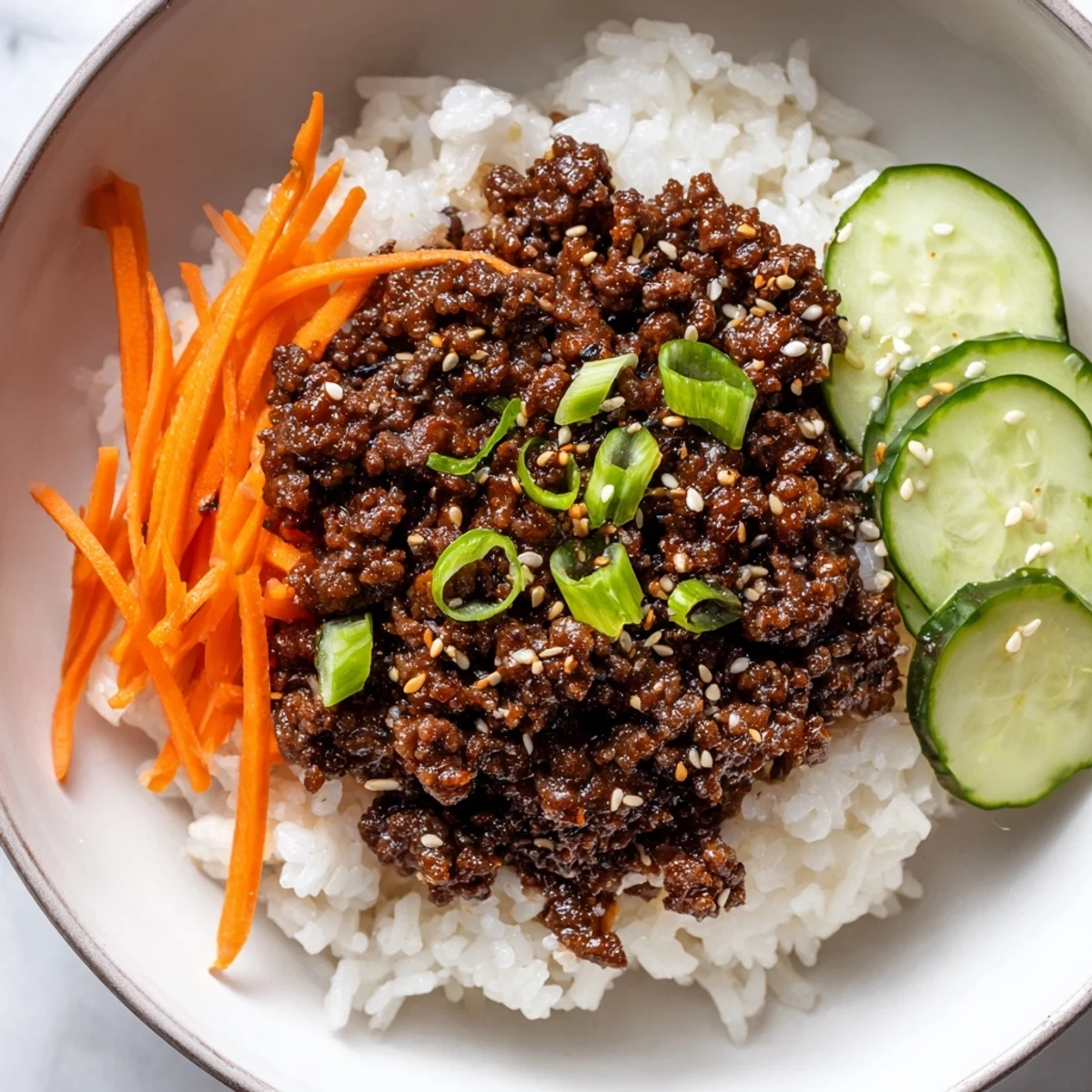
Save This Korean-inspired bowl brings together seasoned ground beef, fluffy jasmine rice, and crisp vegetables for a satisfying meal that comes together in under 30 minutes. The beef gets coated in a sweet and savory sauce made with soy sauce, brown sugar, sesame oil, garlic, ginger, and gochujang for that signature Korean flavor profile.
Top with julienned carrots, cucumber slices, scallions, and toasted sesame seeds for texture and freshness. Add kimchi or cilantro if you want extra tang. The dish serves four generously and works perfectly for busy weeknights when you want something hearty but don't want to spend hours cooking.
The first time I made Korean beef bowls was actually on a Tuesday night when I had zero energy but needed something that felt special. I remember standing at my stove, listening to the ground beef sizzle and wondering if this simple combination could actually taste like the bowls I'd ordered at restaurants. One bite of that sweet, savory, slightly spicy beef over warm rice, and I was completely hooked—it's now in my regular dinner rotation at least twice a month.
Last summer my sister came over for dinner and I threw these bowls together somewhat last-minute. She's usually skeptical of Asian-inspired dishes I make at home, but she literally scraped her bowl clean and asked for the recipe before she even left my apartment. Now whenever she visits, this is what she requests, and I love how something so quick can make someone feel that taken care of.
Ingredients
- 500 g (1 lb) lean ground beef: I've learned that 85/15 ratio gives you the best flavor without too much excess fat to drain
- 60 ml (1/4 cup) low-sodium soy sauce: Regular soy sauce can make these bowls unbearably salty, so low-sodium lets you control the seasoning
- 2 tbsp light brown sugar: This creates that characteristic Korean-style sweetness that balances the savory elements
- 1 tbsp sesame oil: Don't even think about skipping this—it's what gives the dish its signature nutty aroma
- 4 garlic cloves, minced: Fresh garlic is non-negotiable here, nothing else quite hits the same notes
- 1 tbsp freshly grated ginger: I've tried jarred ginger paste in a pinch, but fresh makes a noticeable difference
- 1 tbsp gochujang: If you can find it at an Asian market, use it—otherwise red pepper flakes work surprisingly well
- 2 tsp rice vinegar: Just enough brightness to cut through the richness of the beef
- 300 g (1 1/2 cups) jasmine rice: Short-grain rice is more traditional, but jasmine cooks faster and still works beautifully
- 480 ml (2 cups) water: This ratio gives me perfectly fluffy rice every time
- 2 medium carrots, julienned: I use a vegetable peeler to make quick, uniform ribbons instead of painstaking julienne cuts
- 1 small cucumber, thinly sliced: English cucumbers work best since they have fewer seeds and stay crunchier
- 4 scallions, thinly sliced: Both the white and green parts add different layers of flavor
- 2 tbsp toasted sesame seeds: Toast them in a dry pan for 2 minutes first—the flavor difference is worth the extra step
- Kimchi: Optional but highly recommended for that authentic Korean bowl experience
- Fresh cilantro: Some people hate it, but I think it adds a fresh contrast to the rich beef
Instructions
- Get your rice going first:
- Rinse the rice under cold water until it runs clear, then add it with 480 ml water to a saucepan. Bring to a boil, reduce heat to low, cover, and simmer for 12–15 minutes until all the water is absorbed. Fluff gently with a fork and keep covered until ready to serve.
- Whisk together the sauce:
- In a small bowl, combine the soy sauce, brown sugar, sesame oil, minced garlic, grated ginger, gochujang or red pepper flakes, and rice vinegar. Whisk until the sugar has completely dissolved and the mixture is smooth.
- Brown the ground beef:
- Heat a large skillet over medium-high heat and add the ground beef. Cook for about 5 minutes, breaking it up with your spatula as it browns. Drain any excess fat if there's a lot pooling in the pan.
- Add the sauce and finish:
- Pour your sauce mixture over the browned beef and stir constantly for 2–3 minutes. The sauce will bubble and thicken slightly, coating every piece of beef in a glossy glaze.
- Assemble your bowls:
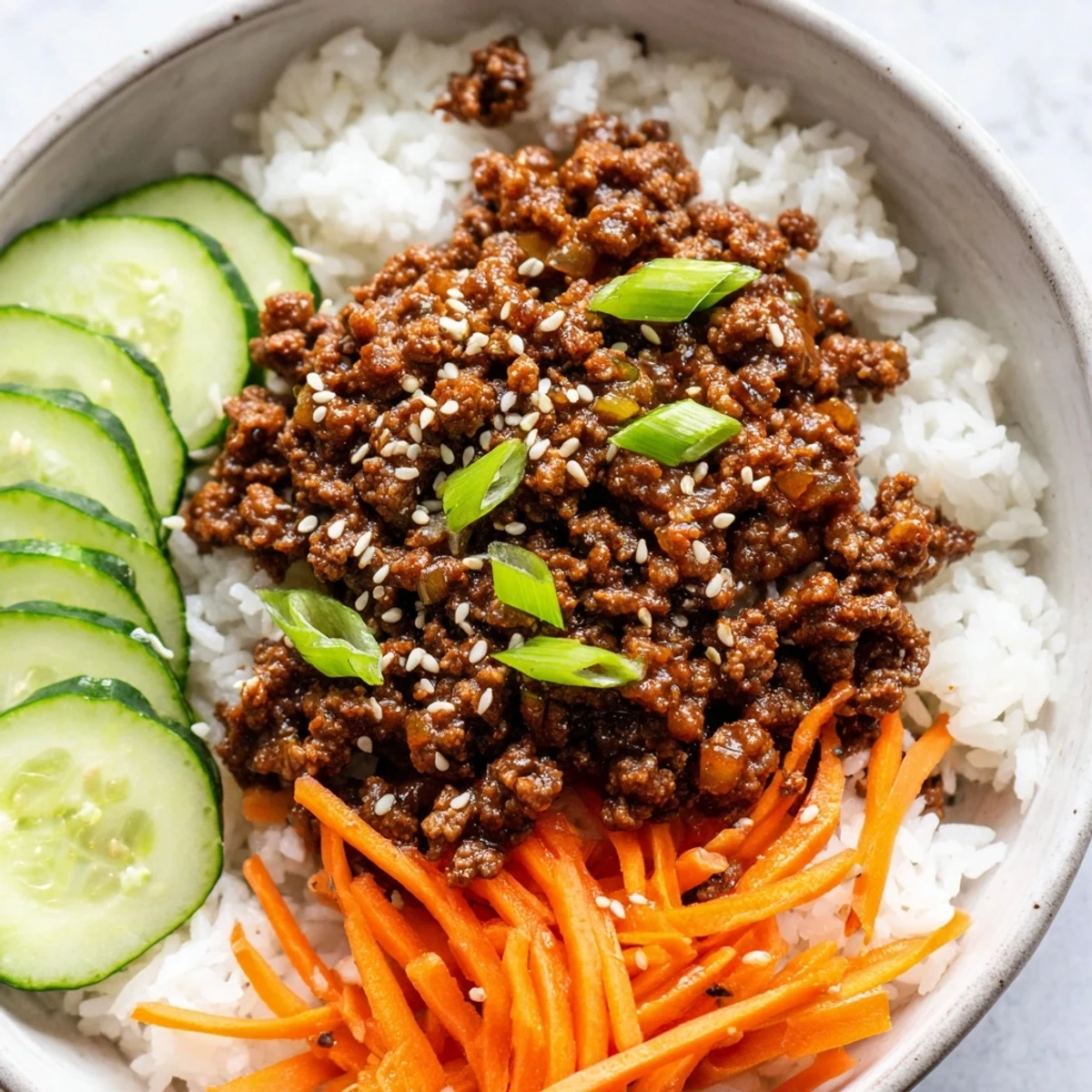
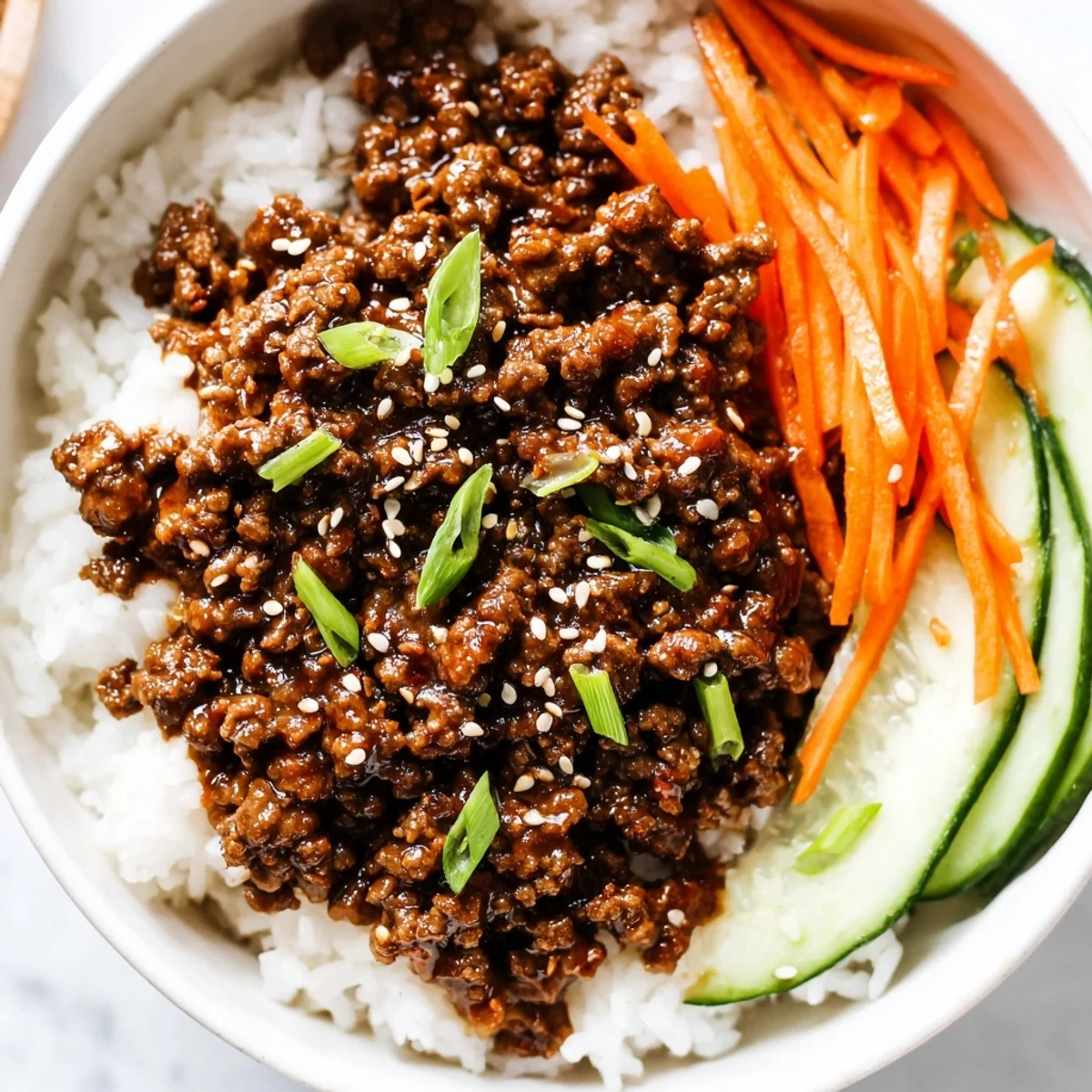
- Divide the steamed rice among four bowls, then top with the saucy beef. Arrange the carrots, cucumber, scallions, and sesame seeds on top in sections or scattered—whichever looks prettier to you.
- Serve it up:
- These bowls are best enjoyed immediately while the beef is still hot and the vegetables are crisp. Pass extra kimchi or hot sauce at the table if your crowd likes things spicy.
 Save
Save There was this one winter evening when my partner came home from work completely exhausted, and I had these bowls ready and waiting. Watching their shoulders drop as they took that first bite, all the stress of the day just melting away—that's when I realized food is sometimes more than nutrition. Now whenever someone in my life has a rough day, this is my go-to comfort meal.
Making It Your Own
I've tried swapping ground beef for turkey, chicken, and even crumbled tofu when my vegetarian friend visited. Turkey works surprisingly well because it absorbs that bold sauce just as readily as beef. The tofu version needs a little extra help—I press it first to remove excess moisture, then fry it until crispy before adding the sauce.
Perfect Rice Every Time
After years of making mushy rice, I finally learned to rinse it until the water runs completely clear—this removes excess starch and keeps each grain separate. Also, I never lift the lid while it's simmering. That trapped steam is what cooks the rice evenly, and peeking lets out crucial heat and moisture. My rice game improved dramatically once I stopped checking on it constantly.
The Art of Toppings
Sometimes the simplest toppings make the biggest difference in these bowls. I've discovered that adding quick-pickled vegetables, like sliced radishes tossed in rice vinegar, cuts through the richness beautifully. A fried egg on top with that runny yolk mixing into the beef and rice? Absolutely game-changing.
- Toast extra sesame seeds and store them in a jar for quick weeknight garnishes
- Pre-julienne your carrots when you get home from grocery shopping to save prep time later
- Double the sauce recipe and keep half in the fridge for an even faster meal next time
 Save
Save I hope these Korean beef bowls find their way into your regular rotation too. There's something deeply satisfying about a meal that comes together so quickly yet feels so special.
Common Recipe Questions
- → Can I make this dish gluten-free?
-
Yes, simply substitute tamari for the soy sauce and ensure your gochujang is certified gluten-free. The rest of the ingredients are naturally gluten-free.
- → What can I use instead of ground beef?
-
Ground turkey, chicken, or even crumbled tofu work beautifully as lighter alternatives. Just adjust cooking time slightly since turkey and chicken may cook faster than beef.
- → How spicy is this dish?
-
The gochujang provides mild to medium heat depending on how much you use. Start with 1 tablespoon and adjust up or down. If you're sensitive to spice, you can omit it entirely or reduce the amount.
- → Can I prepare the components ahead of time?
-
The sauce can be mixed and stored in the refrigerator for up to a week. Vegetables can be prepped a day in advance. Cook the beef and rice fresh for the best texture and flavor.
- → What other toppings work well?
-
Sliced radishes, bean sprouts, pickled vegetables, fried eggs, or avocado make excellent additions. You can also add spinach or other greens wilted into the beef mixture.
- → How should I store leftovers?
-
Store the beef, rice, and vegetables separately in airtight containers in the refrigerator for up to 3 days. Reheat the beef gently and refresh the rice with a splash of water before serving.