
 Save
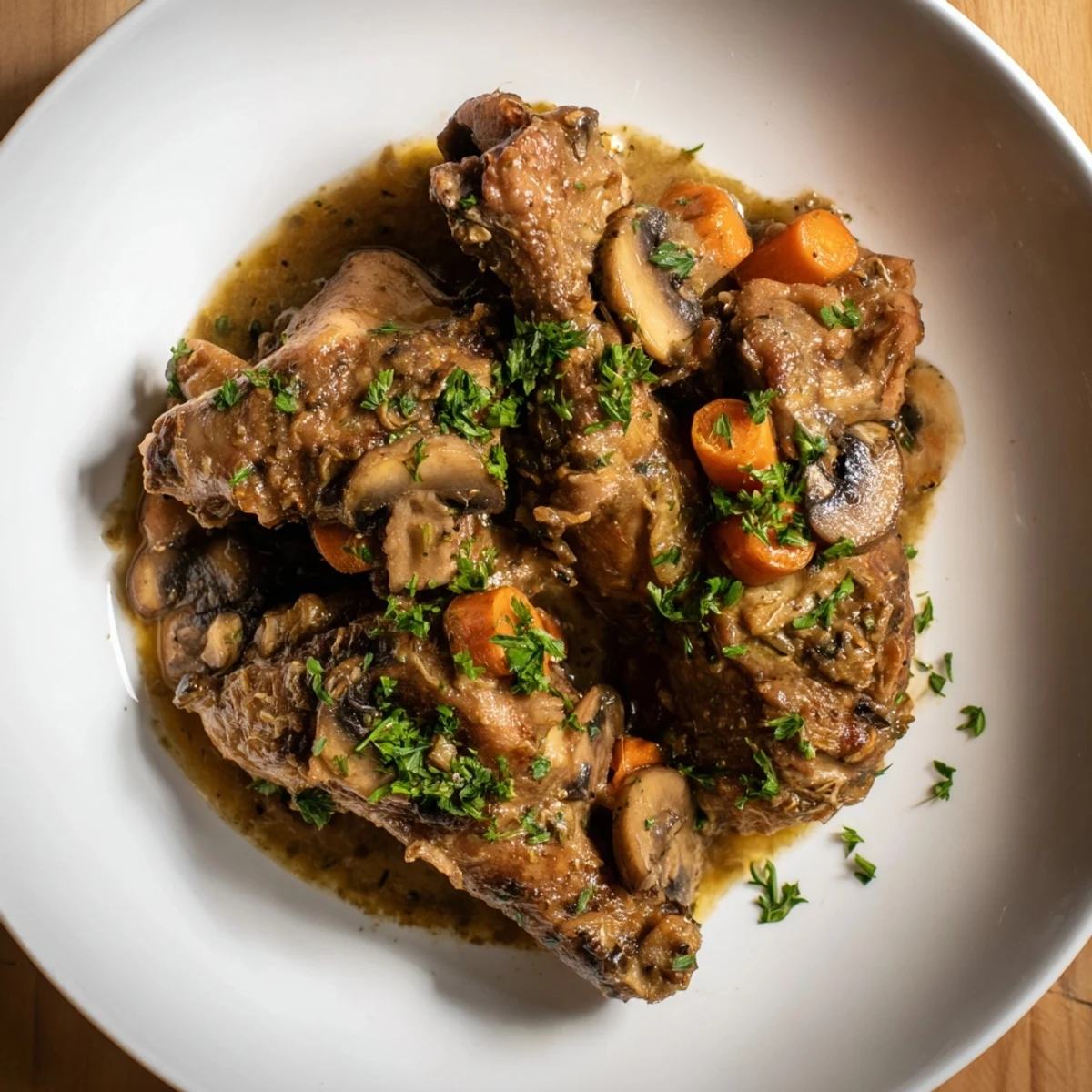
Save This classic French dish highlights tender rabbit pieces slowly braised alongside aromatic vegetables like onions, carrots, and celery. Enriched with garlic, mushrooms, and a fragrant blend of thyme, rosemary, and bay leaves, the sauce develops deep, satisfying flavors during a low and slow cooking process. Finished with fresh parsley, it offers a hearty and elegant meal perfect for cooler days. Pair it with crusty bread or buttered noodles for a complete experience that balances rustic charm with refined taste.
I picked up my first rabbit from a small farm stand outside Lyon, wrapped in brown paper and still faintly warm. The vendor told me to braise it low and slow, and I nodded like I knew what I was doing. That night, my kitchen filled with the smell of wine and thyme, and I realized I'd been missing out on something deeply satisfying.
I made this for a small dinner party once, and my friend Claire, who claimed she didnt eat game, went back for seconds. She said it tasted like something her grandmother would have made on a rainy Sunday. I didnt tell her it was my third attempt.
Ingredients
- Rabbit pieces: Lean and delicate, rabbit benefits from browning first to seal in moisture and add color to the braising liquid.
- Olive oil and butter: The combination gives you a higher smoke point and richer flavor than either fat alone.
- Onions, carrots, celery: This classic mirepoix base adds sweetness and body to the sauce as it breaks down.
- Garlic: Add it after the other vegetables so it doesnt burn and turn bitter.
- Dry white wine: Use something youd actually drink, it deglazes the pot and brings acidity to balance the richness.
- Chicken or vegetable stock: Homemade is lovely, but a good quality store-bought works just fine here.
- Tomato paste: Just a spoonful deepens the color and adds a subtle umami backbone.
- Bay leaves, thyme, rosemary: These herbs infuse the braise with warmth and aroma without overpowering the delicate meat.
- Mushrooms: Stir them in during the last half hour so they stay tender but dont turn to mush.
- Fresh parsley: A handful of chopped parsley at the end brightens everything up.
Instructions
- Season and dust the rabbit:
- Pat the pieces dry, then season them generously with salt and pepper. If youre using flour, dust lightly and shake off the excess so it doesnt clump in the sauce.
- Brown the meat:
- Heat the oil and butter until shimmering, then brown the rabbit in batches without crowding the pot. Let each piece develop a golden crust before turning.
- Soften the vegetables:
- In the same pot, cook the onions, carrots, and celery until they start to soften and smell sweet. Add the garlic last and stir for just a minute.
- Build the base:
- Nestle the rabbit back in, stir in the tomato paste, and let it cook for a minute to lose its raw edge.
- Deglaze with wine:
- Pour in the white wine and scrape up all the browned bits stuck to the bottom. Let it bubble and reduce slightly.
- Braise low and slow:
- Add the stock and herbs, bring everything to a gentle simmer, then cover and lower the heat. Let it braise for about an hour until the meat is tender.
- Finish with mushrooms:
- Stir in the sliced mushrooms, leave the lid off, and cook for another 20 to 30 minutes until the sauce thickens and clings to the spoon.
- Adjust and serve:
- Fish out the bay leaves and woody herb stems, taste for seasoning, and finish with a sprinkle of fresh parsley.
 Save
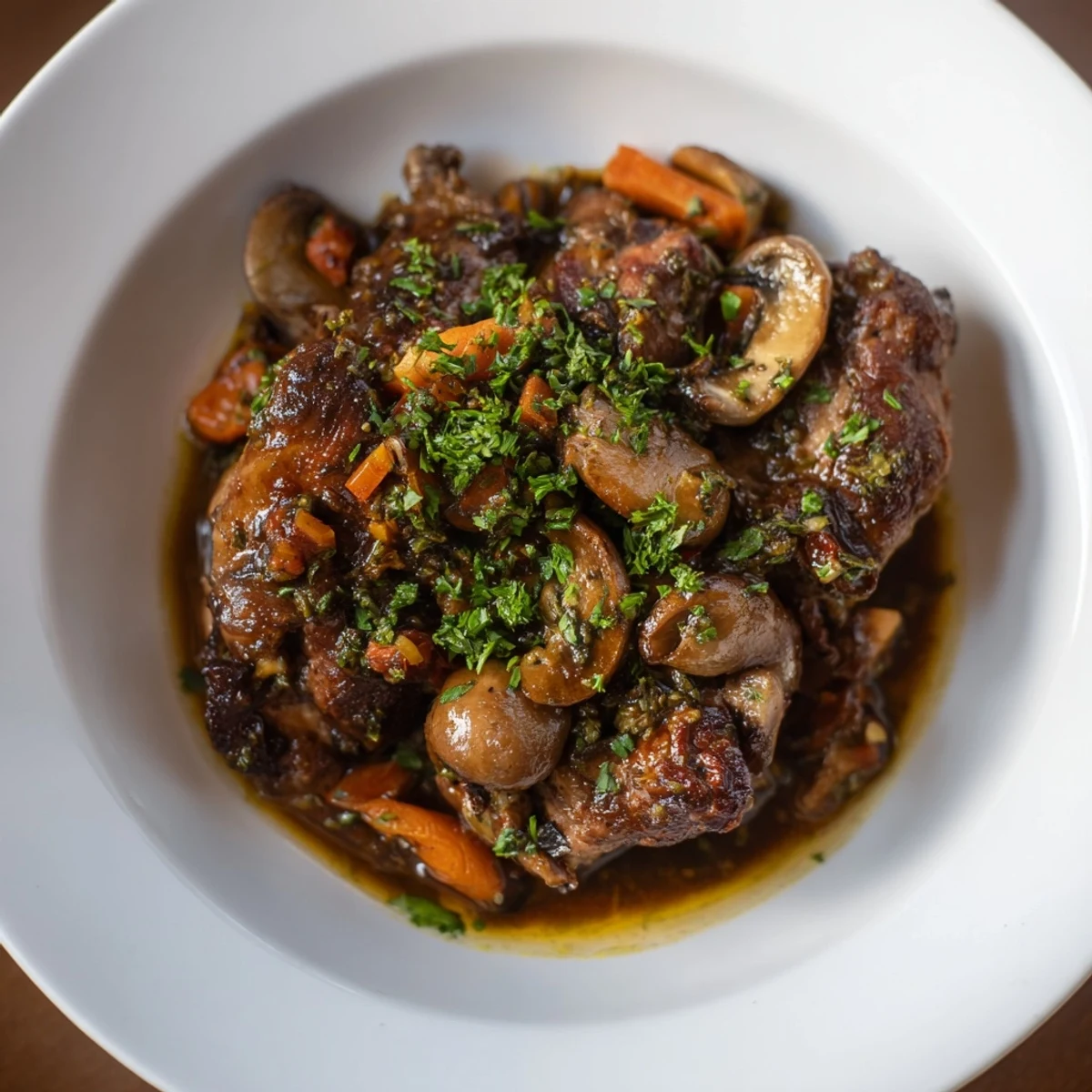
Save The first time I served this, I put it in the center of the table still in the Dutch oven, and everyone leaned in at once. There was a moment of quiet before anyone spoke, just the sound of spoons scraping the pot. Thats when I knew it worked.
What to Serve It With
This stew begs for something to soak up the sauce. I like crusty bread torn into pieces, but creamy mashed potatoes or buttered egg noodles work beautifully too. A simple green salad on the side keeps things balanced.
Making It Your Own
If you cant find rabbit, chicken thighs are a solid stand-in, just adjust the braising time since theyll cook faster. For a richer finish, stir in a splash of cream right before serving. Some people add olives or capers for a briny kick, and I wont stop you.
A Few Last Thoughts
This is the kind of dish that gets better if you make it a day ahead and let the flavors settle overnight. Reheat it gently on the stove, adding a splash of stock if it looks dry. The meat will be even more tender, and youll have one less thing to worry about when people arrive.
- Use a heavy pot with a tight lid to keep the heat even and the moisture in.
- Taste the sauce before serving and dont be shy with the salt, it makes everything sing.
- Save any leftovers for lunch the next day, theyre somehow even better.
 Save
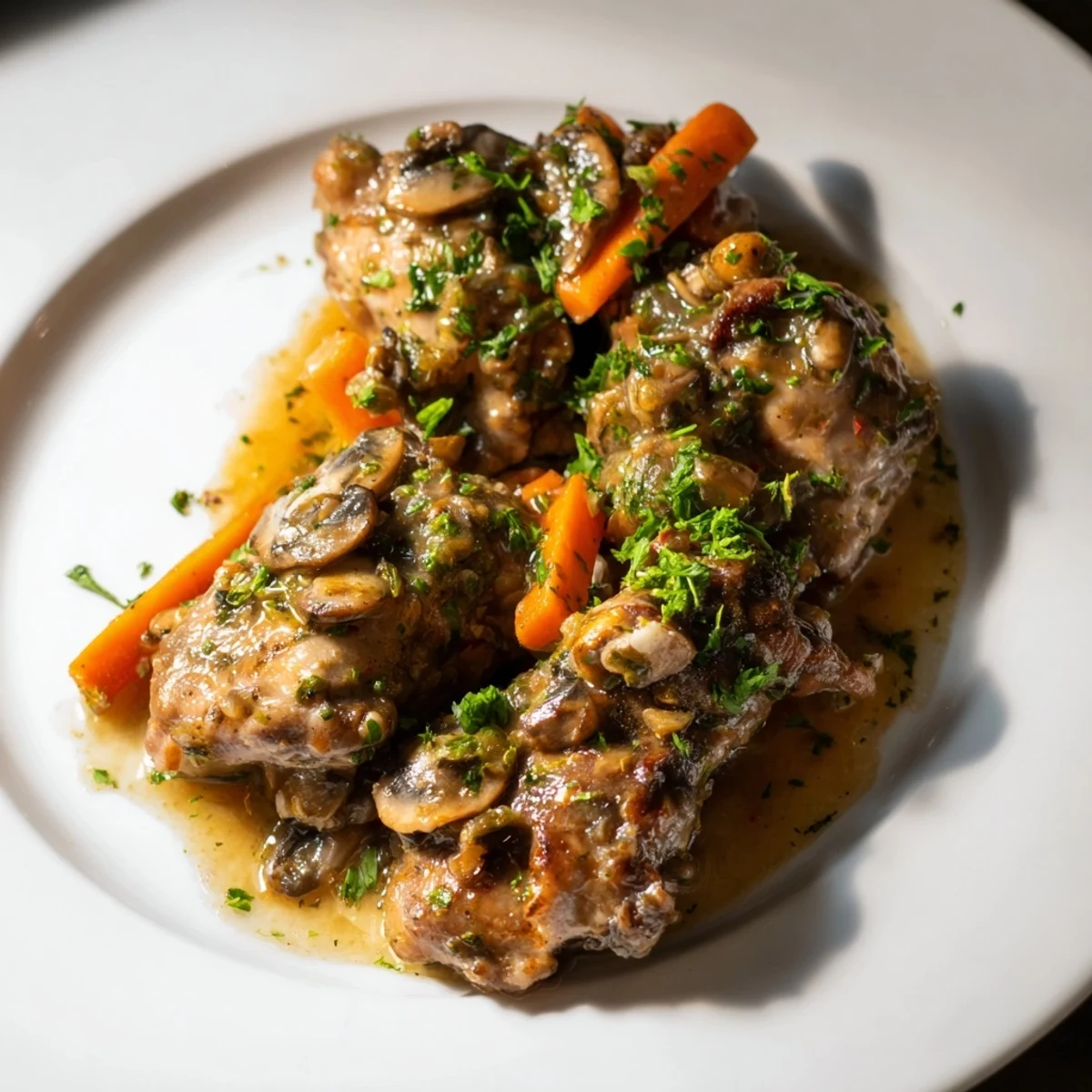
Save This stew has become one of those recipes I turn to when I want to slow down and remember why I love cooking. I hope it does the same for you.
Common Recipe Questions
- → What cut of rabbit is best for braising?
-
Using a whole rabbit cut into serving pieces ensures even cooking, with bone-in cuts adding more flavor and tenderness during braising.
- → Can I substitute other meats for rabbit in this dish?
-
Chicken thighs make a suitable substitute, providing similar texture and flavor when cooked slowly with the aromatic vegetables and herbs.
- → How do the herbs influence the flavor of the stew?
-
Thyme, rosemary, and bay leaves infuse the dish with earthy and aromatic notes that deepen the richness of the braising liquid.
- → What is the purpose of browning the meat before braising?
-
Browning develops a caramelized crust on the meat, enhancing flavor and adding complexity to the final sauce.
- → How can I adjust the sauce if it’s too thin after cooking?
-
Simmer uncovered to reduce the liquid, or stir in a bit of flour or cornstarch slurry carefully to thicken the sauce to your preference.
- → What side dishes complement this braised rabbit preparation?
-
Crusty bread, mashed potatoes, or buttered noodles work wonderfully to soak up the flavorful sauce and balance the dish.