
 Save
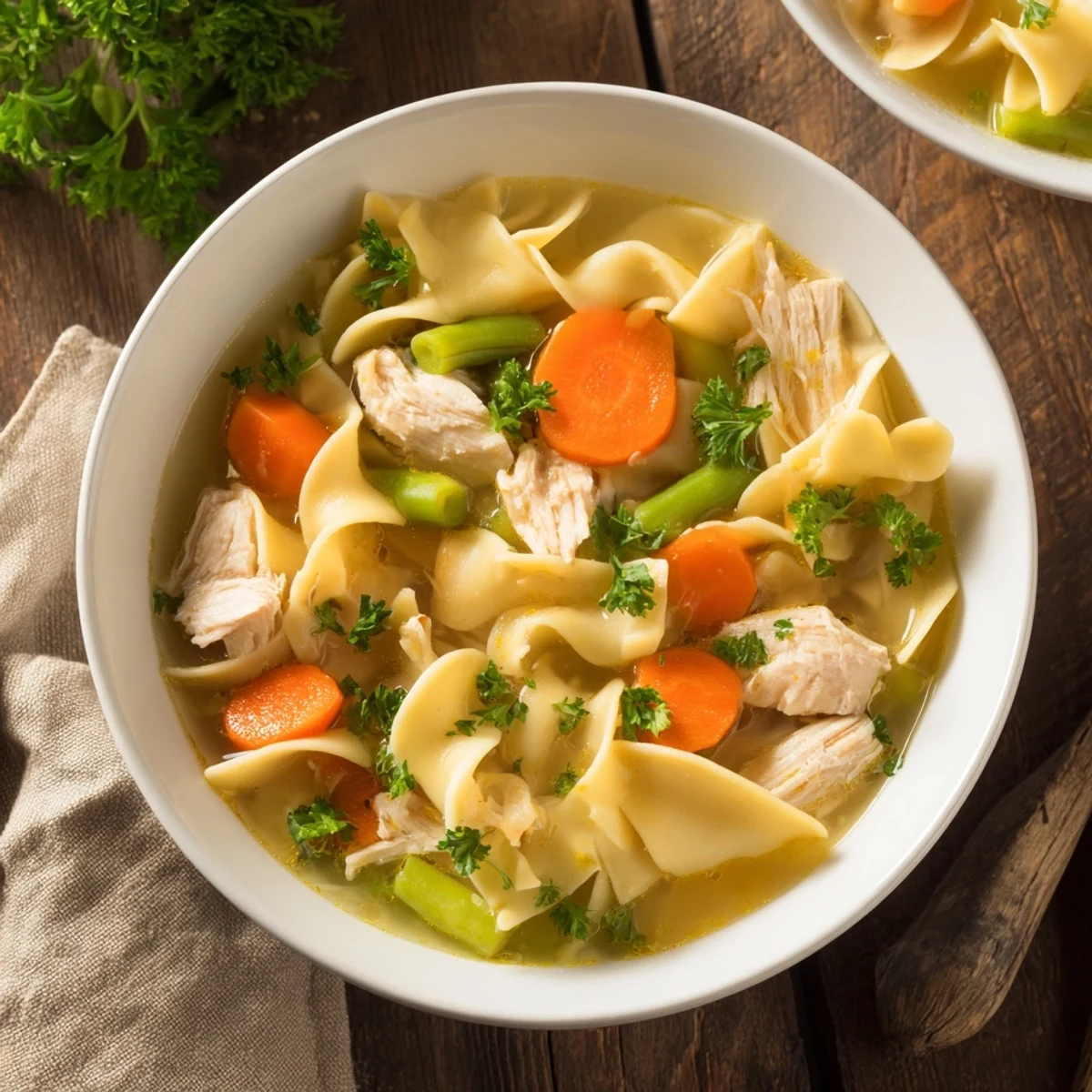
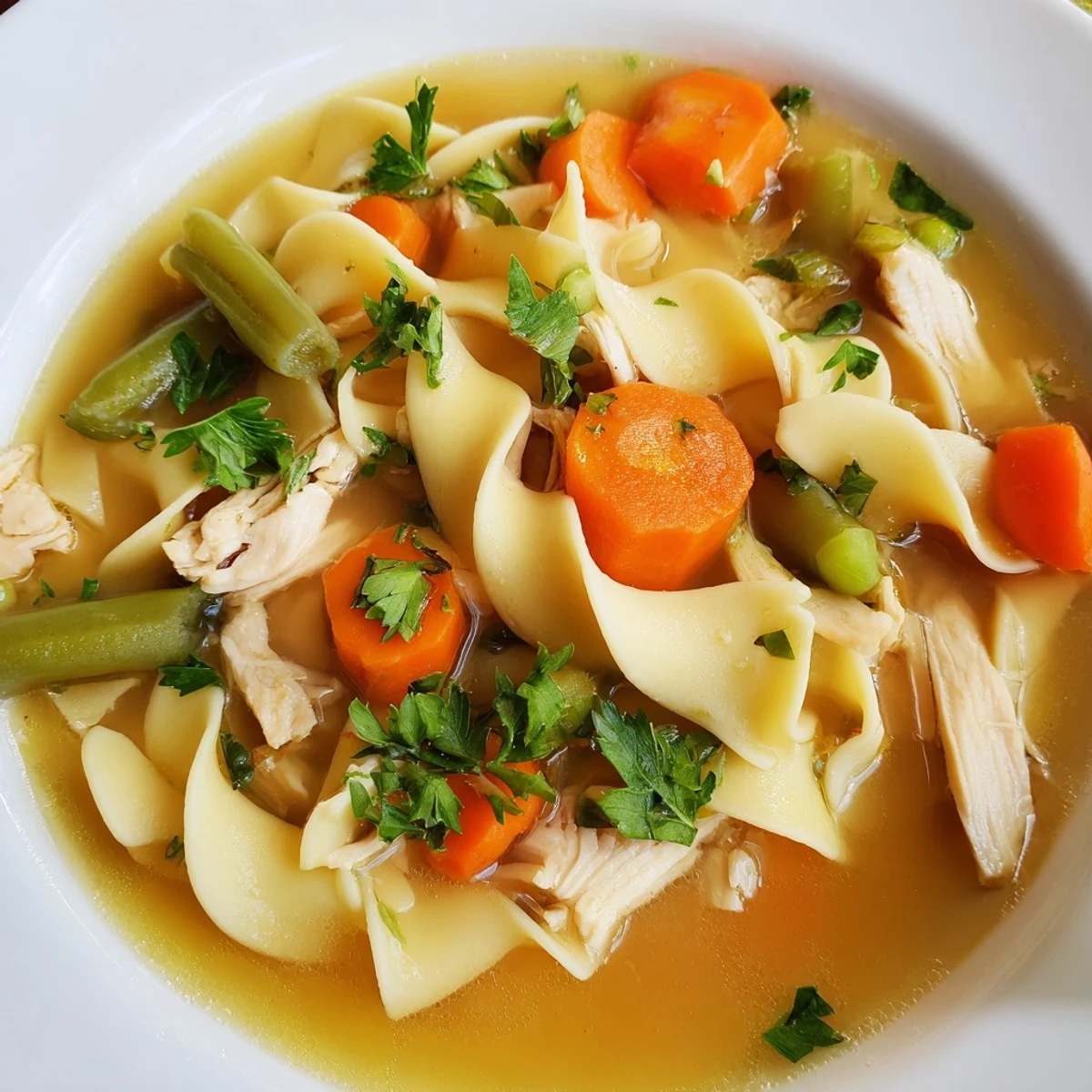
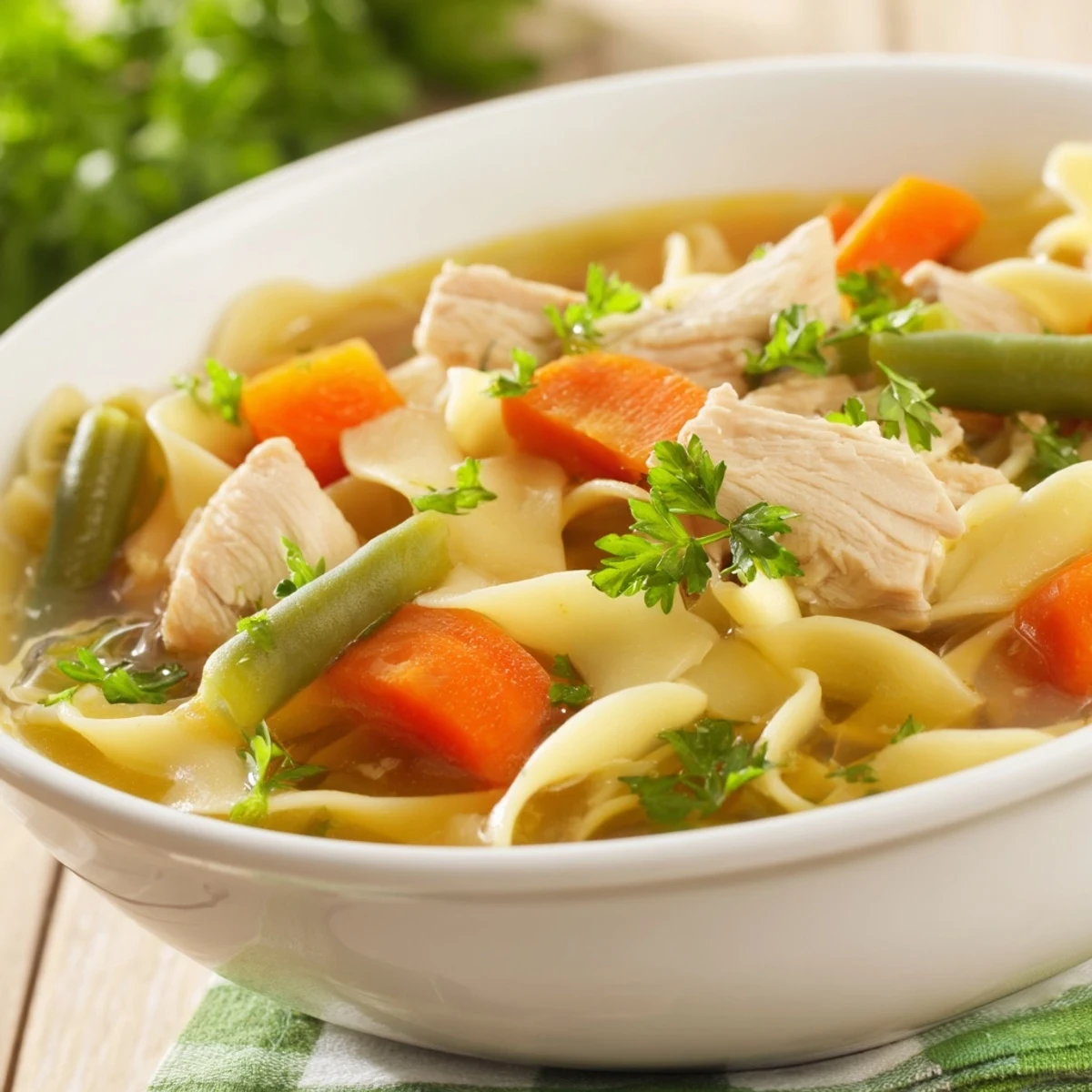
Save This dish features tender chicken pieces simmered with fresh carrots, celery, onions, green beans, and peas, combined with egg noodles in a flavorful, low-sodium broth. Sautéed aromatics release depth before adding the poultry and simmering with herbs like thyme and parsley. Noodles and vegetables are added last, cooking until tender and infused with savory warmth. A splash of lemon juice brightens the bowl, garnished with fresh parsley for a wholesome and nourishing meal perfect for any day.
There's something about a pot of chicken vegetable soup simmering on the stove that instantly makes a kitchen feel like home. I discovered this particular version on a blustery afternoon when my neighbor stopped by with a bag of fresh vegetables from her garden, and I wanted to turn them into something warm and nourishing without fuss. The combination of tender chicken, bright vegetables, and soft noodles swimming in savory broth became my go-to whenever I need comfort in a bowl.
I once made this soup for my sister after she'd had a rough day at work, and watching her face soften with that first spoonful taught me something about the quiet power of feeding people well. She's never been one for sentimental gestures, but she called me the next morning just to ask if I'd make it again soon. That's when I knew this wasn't just a recipe—it was a small act of care that somehow translates from the pot to the heart.
Ingredients
- Boneless, skinless chicken breasts (400 g, diced): Dicing them into bite-sized pieces ensures they cook quickly and distribute evenly throughout the soup, giving you tender chicken in every spoonful.
- Carrots (2 medium, peeled and sliced): Their natural sweetness balances the savory broth, and slicing them thin means they soften perfectly in the time it takes the noodles to cook.
- Celery stalks (2, sliced): This is the often-overlooked backbone of a good soup base—it adds depth and subtle earthiness that you'll taste but might not consciously notice.
- Onion (1 medium, finely chopped): The foundation of flavor, always sautéed first to build the aromatic base that everything else rests upon.
- Garlic (2 cloves, minced): One minute of cooking releases all its fragrant oils, filling your kitchen with an unmistakable signal that something delicious is underway.
- Green beans (1 cup, trimmed and cut into 2 cm pieces): Their slight firmness provides textural contrast, and cutting them uniform ensures they cook at the same rate as everything else.
- Frozen peas (1 cup): I learned to add these late in the cooking process because they lose their bright color and delicate flavor if they simmer too long—they're the final flourish, not a foundation ingredient.
- Low-sodium chicken broth (8 cups or 2 liters): Start with low-sodium so you can taste as you go and season to your preference rather than fighting an overly salty base.
- Egg noodles or wide noodles (150 g or about 5 oz): Wide noodles catch the broth beautifully and feel more substantial in the bowl than thin varieties.
- Olive oil (2 tbsp): Just enough to coat the pot and prevent sticking without making the finished soup feel heavy.
- Bay leaf (1): It's a quiet contributor that nobody notices until it's missing—don't skip it, and don't forget to fish it out before serving.
- Dried thyme (1 tsp): This herb is the soul of the soup, adding an herbal note that feels both homey and sophisticated.
- Dried parsley (1 tsp, or 2 tbsp fresh chopped): Fresh parsley is worth using if you have it, but dried works just as well and keeps on the shelf for months.
- Black pepper (1/2 tsp) and salt (1/2 tsp): Always taste at the end—salt in particular is very personal and depends on how salty your broth started.
- Lemon juice (from 1/2 lemon, optional) and fresh parsley for garnish: The lemon is a secret weapon that brightens everything and makes people ask what ingredient they can't quite identify.
Instructions
- Build your aromatic base:
- Heat the olive oil in a large pot over medium heat, then add the chopped onion, sliced carrots, and celery. Let them soften for about 5 minutes, stirring occasionally—you're looking for the onion to become translucent and the kitchen to smell noticeably better. When the vegetables are tender enough to pierce easily with a wooden spoon, you know they're ready for the next step.
- Wake up the garlic:
- Add the minced garlic and cook for just 1 more minute, stirring constantly so it doesn't brown or turn bitter. The moment it becomes fragrant—that distinctive, unmistakable smell—you're done; don't linger.
- Brown the chicken lightly:
- Stir in the diced chicken pieces and let them cook for 3 to 4 minutes, stirring frequently. They'll start to turn from pink to mostly white on the edges while staying a bit pink inside, which is exactly right—they'll finish cooking in the broth.
- Build the broth foundation:
- Pour in all 8 cups of chicken broth, add the bay leaf, dried thyme, salt, and black pepper. Bring everything to a gentle boil—watch for small bubbles breaking the surface, not a rolling, aggressive boil that will splatter.
- Simmer the vegetables:
- Reduce the heat to low and add the green beans. Let the soup simmer uncovered for about 15 minutes, allowing the green beans to become tender and the chicken to cook through completely. The liquid should be barely bubbling, not steaming aggressively.
- Finish with noodles and peas:
- Add the egg noodles and frozen peas directly to the simmering broth. Cook for 8 to 10 minutes more, stirring occasionally, until the noodles are tender with just a slight bite to them and the chicken is fully cooked through. Test a noodle by fishing one out and tasting it—it should bend easily but not fall apart.
- Season and brighten:
- Fish out and discard the bay leaf. Taste the soup and adjust the salt and pepper as needed—remember, you can always add more salt but you can't take it out. If using the lemon juice, stir it in now to add brightness and a subtle tang that ties everything together.
- Serve with care:
- Ladle the soup into bowls, making sure each one gets a generous portion of chicken, vegetables, and noodles. Finish with a sprinkle of fresh parsley, which adds color and a fresh herbal note that reminds you this is made with love.
 Save
Save I remember my daughter asking me once why I made this soup instead of opening a can, and I realized then that it wasn't really about saving time or money—it was about the ritual of standing at the stove, watching things soften and come together, and knowing that what I was making was going to nourish someone I loved. That's the real reason to make this soup from scratch.
Customization Ideas
This soup is a template waiting for your personal touches. I've added diced potatoes on nights when I wanted it heartier, swapped the green beans for fresh corn in late summer, and once tossed in a handful of spinach at the very end for color and nutrition. The beauty of a simple soup like this is that it welcomes whatever you have on hand, so long as you respect the basic timing and the aromatic base that makes it work.
Pairing Suggestions
Serve this soup with crusty bread for dipping, or pair it with a light salad to round out the meal with fresh greens. On cold nights, I've poured it into a mug and sipped it like tea while standing on the porch, a quiet moment of warmth before bed.
Storage and Make-Ahead Tips
This soup actually tastes better the next day after the flavors have had time to meld and deepen. I store it in airtight containers in the refrigerator for up to 4 days, and it reheats beautifully on the stovetop over low heat. You can also freeze it, though the noodles become a bit softer after thawing, so if you're planning to freeze, you might cook the noodles separately and add them fresh when you serve.
- Always cool the soup to room temperature before refrigerating to avoid temperature shock to your fridge.
- If reheating from frozen, do it gently over low heat and add a splash of water or broth to restore the liquid as it warms.
- The soup keeps well for up to 3 months in the freezer if stored properly in airtight containers.
 Save
Save There's a reason this soup has earned a permanent spot in my cooking rotation—it's reliable, nourishing, and tastes like someone cares about you. Make it for yourself on a quiet evening, or make it for someone who needs feeding back to wholeness.
Common Recipe Questions
- → Can I use gluten-free noodles?
-
Yes, substituting egg noodles with gluten-free options works well and maintains texture.
- → How do I ensure chicken stays tender?
-
Lightly browning diced chicken before simmering helps keep it moist and flavorful.
- → What vegetables complement this dish?
-
Carrots, celery, green beans, peas, and onions add freshness and a natural sweetness to the broth.
- → Can I prepare this soup in advance?
-
Yes, it reheats well, but add noodles fresh if possible to avoid them becoming mushy.
- → How to adjust seasoning for variety?
-
Adding fresh herbs like parsley or a squeeze of lemon juice brightens flavors and balances richness.