
 Save
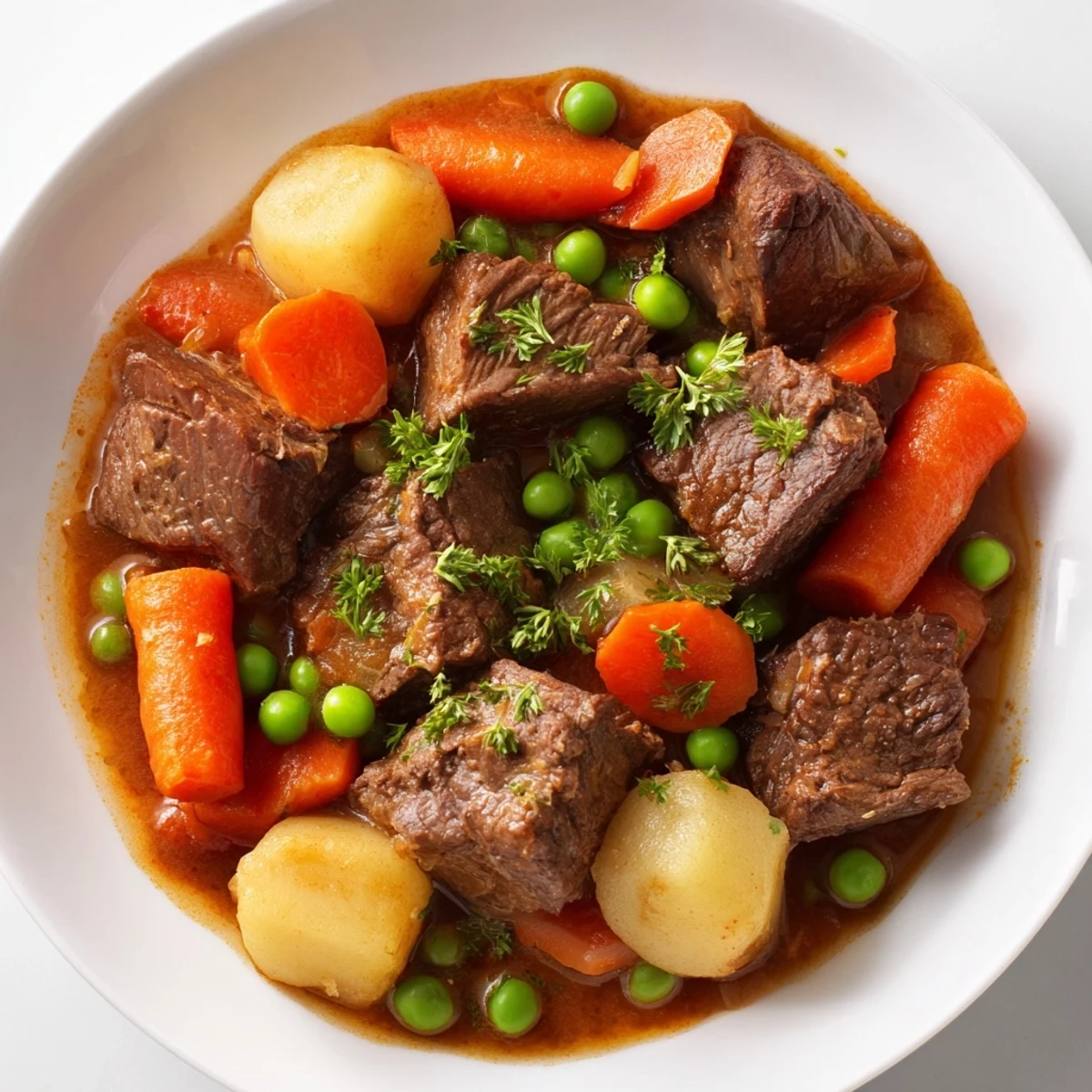
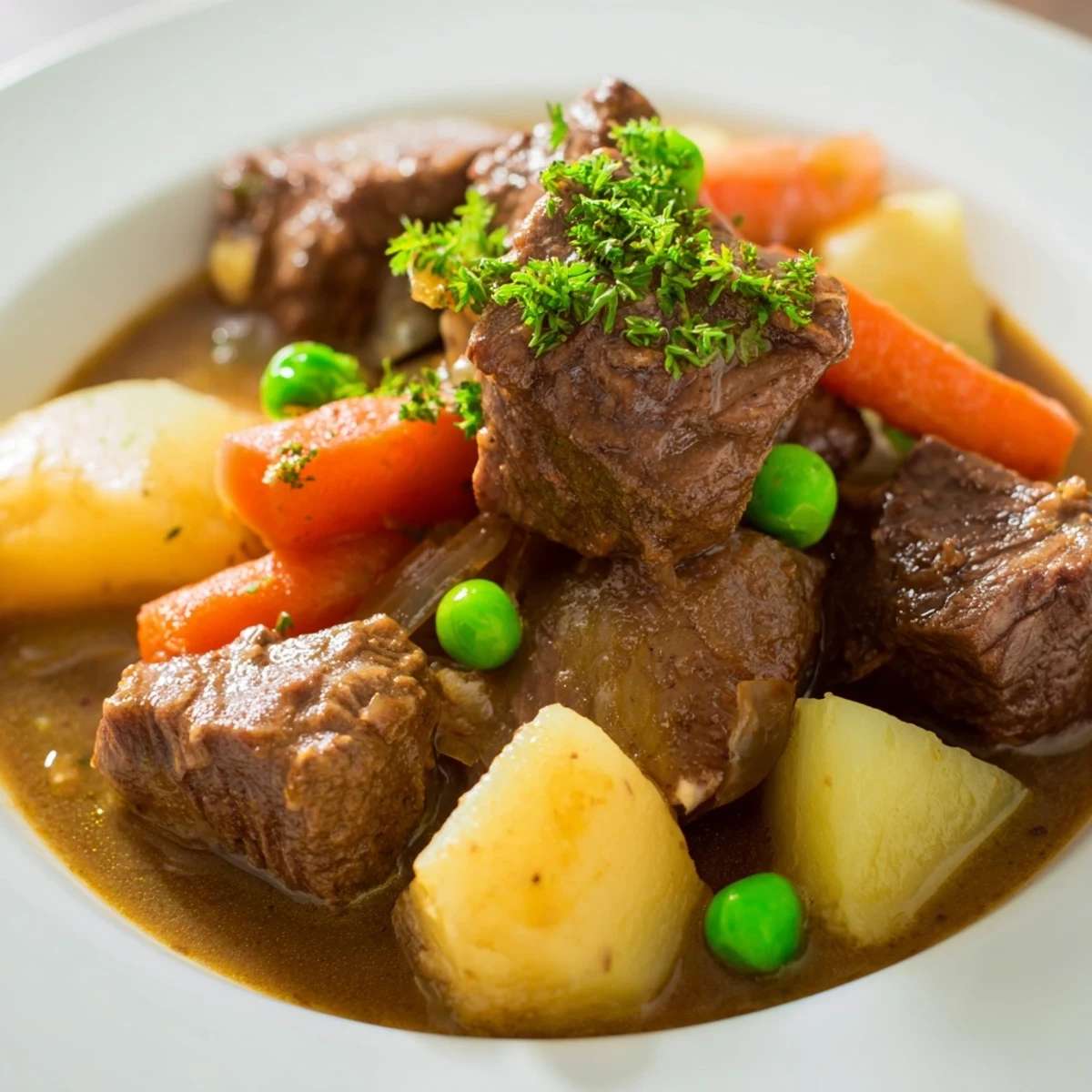
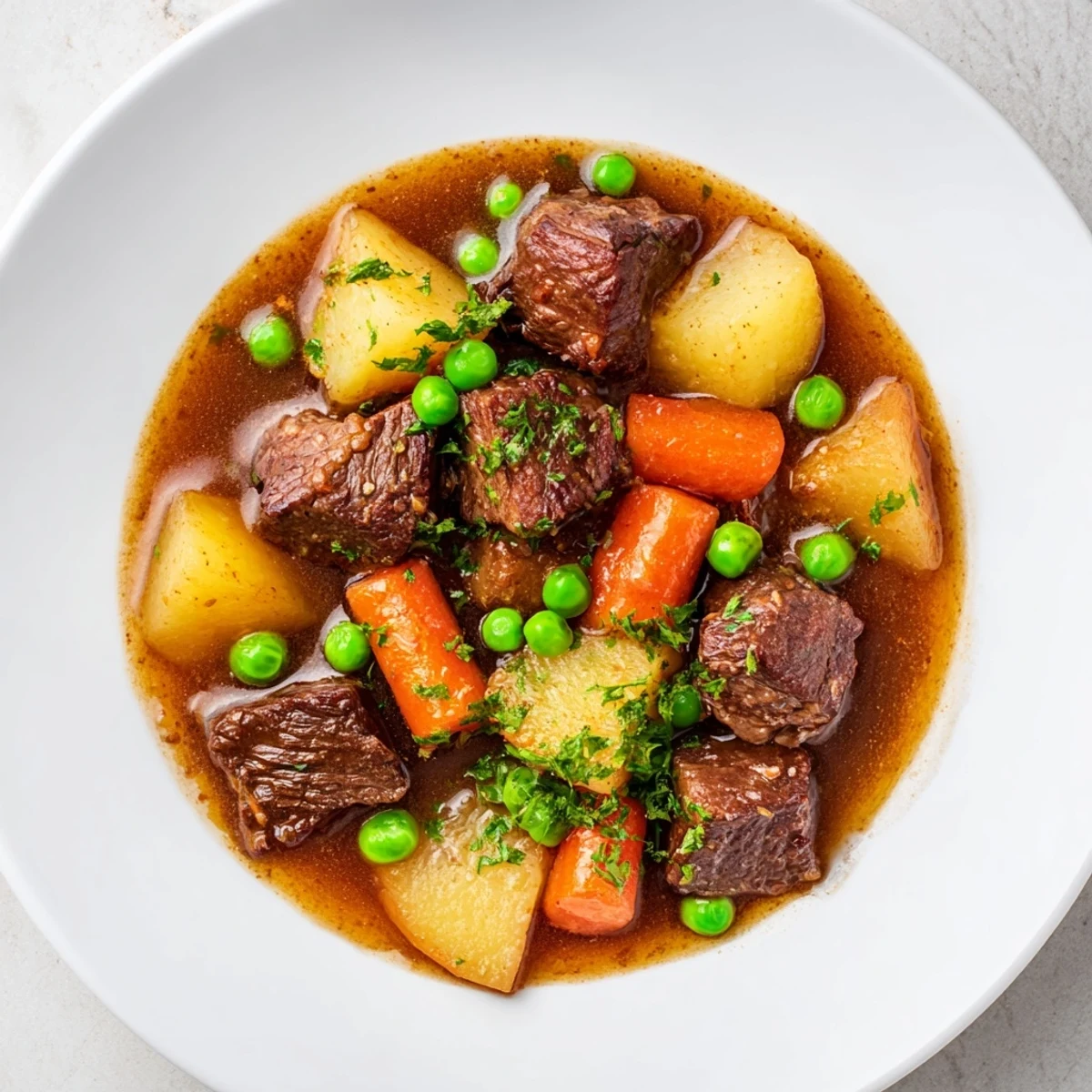
Save This warming dish features tender beef cubes slowly simmered with carrots, potatoes, celery, and peas in a savory broth infused with thyme, rosemary, and bay leaves. The mixture is thickened gently to create a rich, comforting stew perfect for cold days or family gatherings. Optional red wine and Worcestershire sauce deepen the flavor, while simple adjustments allow for gluten-free preparation. Serve hot, garnished with fresh parsley, alongside crusty bread or mashed potatoes for a truly satisfying experience.
I still remember the first time I made beef stew from scratch—it was a cold January evening, and my kitchen filled with the most incredible aroma of simmering beef and herbs. My grandmother had always made it, but I'd never attempted it myself until that night when I wanted to impress someone I cared about. The way the broth deepened to a rich mahogany color, the tender beef that practically dissolved on your tongue—I realized then that some dishes are worth the wait. This hearty beef stew has been my go-to comfort food ever since, the kind that wraps around you like a warm blanket.
The first time I served this to my book club, they went so quiet while eating that I thought something was wrong. Then someone asked for seconds, and suddenly everyone was asking for the recipe. That's when I knew this stew had become something special—the kind of dish that transforms an ordinary weeknight into something memorable.
Ingredients
- Beef chuck (2 lbs, cut into 1½-inch cubes): This cut has just enough marbling and connective tissue to become silky and tender during the long simmer. Pat it completely dry before browning—this is the secret to that gorgeous caramelized crust that gives the stew its deep flavor
- Olive oil (3 tablespoons): Split between browning the meat and sautéing the aromatics. Good quality matters here because you'll taste it
- Onion (1 large, diced): The foundation of flavor—don't skip the step of letting it soften properly
- Garlic (3 cloves, minced): Added after the onions so it doesn't burn and turn bitter
- Carrots (3 large, sliced): They add natural sweetness and stay firm enough to hold their shape through the long cooking
- Potatoes (3 medium, chunked): Waxy potatoes work best—they won't fall apart. I've learned this the hard way
- Celery (2 stalks, sliced): Often overlooked, but it adds a subtle depth that makes people ask what your secret ingredient is
- Frozen peas (1 cup): Added at the very end for brightness and a pop of color
- Beef broth (4 cups): Use quality broth—it's worth it. The stew is only as good as your broth
- Dry red wine (1 cup, optional): If you use it, something robust that you'd actually drink. The wine mellows into the background but adds complexity
- Tomato paste (2 tablespoons): Adds umami depth and slight acidity that balances the richness
- All-purpose flour (2 tablespoons): Creates the thickening roux that gives the stew its luscious texture
- Salt, black pepper, thyme, rosemary (various amounts): These herbs are the aromatics that make this feel like a proper braise. Fresh herbs are lovely garnished at the end, but dried work beautifully here
- Bay leaves (2): Always remove these before serving—I learned that lesson once and never again
- Worcestershire sauce (1 tablespoon): The secret weapon that adds savory depth without being identifiable as a flavor
Instructions
- Prepare and sear the beef:
- Pat those beef cubes completely dry—moisture is the enemy of a good sear. Season generously with salt and pepper. Heat your Dutch oven until it's really hot, then brown the beef in batches, about 3-4 minutes per side. Don't crowd the pan; give each piece room to sear properly. You're looking for a rich, mahogany crust. Set the browned beef aside and try not to eat it right away, even though it smells incredible
- Build the flavor base:
- Add the remaining olive oil and let it shimmer. Toss in your diced onion and celery, stirring occasionally until they're soft and starting to turn golden, about 5 minutes. This is when your kitchen starts smelling like dinner. Add the minced garlic and cook for just another minute—you want it fragrant, not brown
- Create the roux:
- Sprinkle the flour over everything and stir well, coating all the vegetables. This flour is going to thicken your broth into something silky and luxurious. Cook it for about a minute, stirring constantly, to cook off that raw flour taste
- Add the tomato paste:
- Stir in the tomato paste, mixing it into the vegetables and flour. This deepens the color and adds that savory richness that makes people ask what makes your stew so good
- Deglaze and combine:
- Pour in the red wine (or extra broth if skipping wine), scraping the bottom of the pot with your spoon to release all those browned, flavorful bits. This is called deglazing, and it's liquid gold for your stew
- Assemble the braise:
- Return the beef to the pot. Add the beef broth, sliced carrots, chunked potatoes, thyme, rosemary, bay leaves, and Worcestershire sauce. Stir everything together, then bring it to a simmer over medium heat
- Low and slow cooking:
- Once simmering, reduce heat to low, cover with the lid, and let it cook for about 2 hours. The beef should be fork-tender by the end. Resist the urge to peek too often—every time you lift the lid, heat escapes. Trust the process
- Finish with peas:
- Remove the lid and stir in the frozen peas. Simmer uncovered for 10-15 minutes more. This lets the broth reduce slightly and thicken a bit more, and the peas warm through. The peas add brightness and color to contrast the deep, rich broth
- Final touches:
- Fish out the bay leaves with a spoon—they're easy to miss. Taste the stew and adjust the salt and pepper to your preference. This is when you truly own the dish. Ladle it into bowls and serve hot, perhaps with a sprinkle of fresh parsley if you have it
 Save
Save Years later, I made this stew for my mother when she was recovering from an illness, and she told me it was the first thing in weeks that tasted like home. That's when I fully understood—this isn't just food, it's comfort in a bowl, a way of saying 'I care' without actually saying those words.
The Alchemy of Braising
Braising is one of the most forgiving cooking techniques once you understand what's happening. You're essentially cooking tough cuts of meat low and slow, allowing the collagen to break down into gelatin, which makes everything tender and gives the broth its silky mouthfeel. The vegetables contribute their sweetness and body to the broth, and the herbs perfume everything. It's alchemy that happens in your kitchen while you're free to do other things. I usually make this while I'm reading or catching up with a friend—you only need to check on it occasionally.
Making It Your Own
This recipe is a template, not a rulebook. Some of my favorite variations came from happy accidents. Once I added a splash of balsamic vinegar and a teaspoon of sugar in the last few minutes, and the stew took on this mysterious depth that everyone wanted to know about. Another time, I swapped parsnips and turnips for the potatoes because I'd bought too many at the farmer's market, and now I make it that way half the time. The herbs can shift with what you have on hand. Maybe you add thyme and oregano instead of rosemary. Maybe you throw in a parsnip or two. This is your kitchen—make it sing in a way that feels right to you.
The Gift of Leftovers
Here's something I tell everyone: make this stew and actually plan on eating it again tomorrow. The flavors marry overnight and become even more harmonious. The broth thickens naturally as it cools. Beef stew seems to improve with time in a way few dishes do. Plus, knowing you have a homemade dinner waiting in the fridge is one of the greatest gifts you can give your future self.
- Store it in the refrigerator for up to 4 days, or freeze it for up to 3 months
- Reheat gently on the stovetop over medium-low heat, adding a splash of broth if it's thickened too much
- Serve with crusty bread, mashed potatoes, or egg noodles to soak up every drop of that precious broth
 Save
Save Beef stew is the kind of dish that builds memories around itself. Make it once, and you'll find yourself making it again and again, each time remembering the times you've served it. That's the real magic.
Common Recipe Questions
- → What cut of beef is best for this dish?
-
Beef chuck cut into 1½-inch cubes is ideal as it becomes tender and flavorful when simmered slowly.
- → Can I skip the red wine in the simmering liquid?
-
Yes, red wine is optional. You can substitute it with more beef broth for a similar depth of flavor.
- → How do I thicken the stew effectively?
-
Sprinkling flour over sautéed vegetables before adding liquids helps create a luscious, thickened broth.
- → Are there gluten-free options for this preparation?
-
Use gluten-free flour and Worcestershire sauce labeled gluten-free to keep the dish suitable for gluten-sensitive diets.
- → What sides complement this hearty beef dish?
-
Crusty bread or creamy mashed potatoes work wonderfully to soak up the rich broth and complete the meal.
- → Can I add other vegetables to the simmering stew?
-
Yes, root vegetables like parsnips or turnips can replace potatoes to offer a unique twist.