
 Save
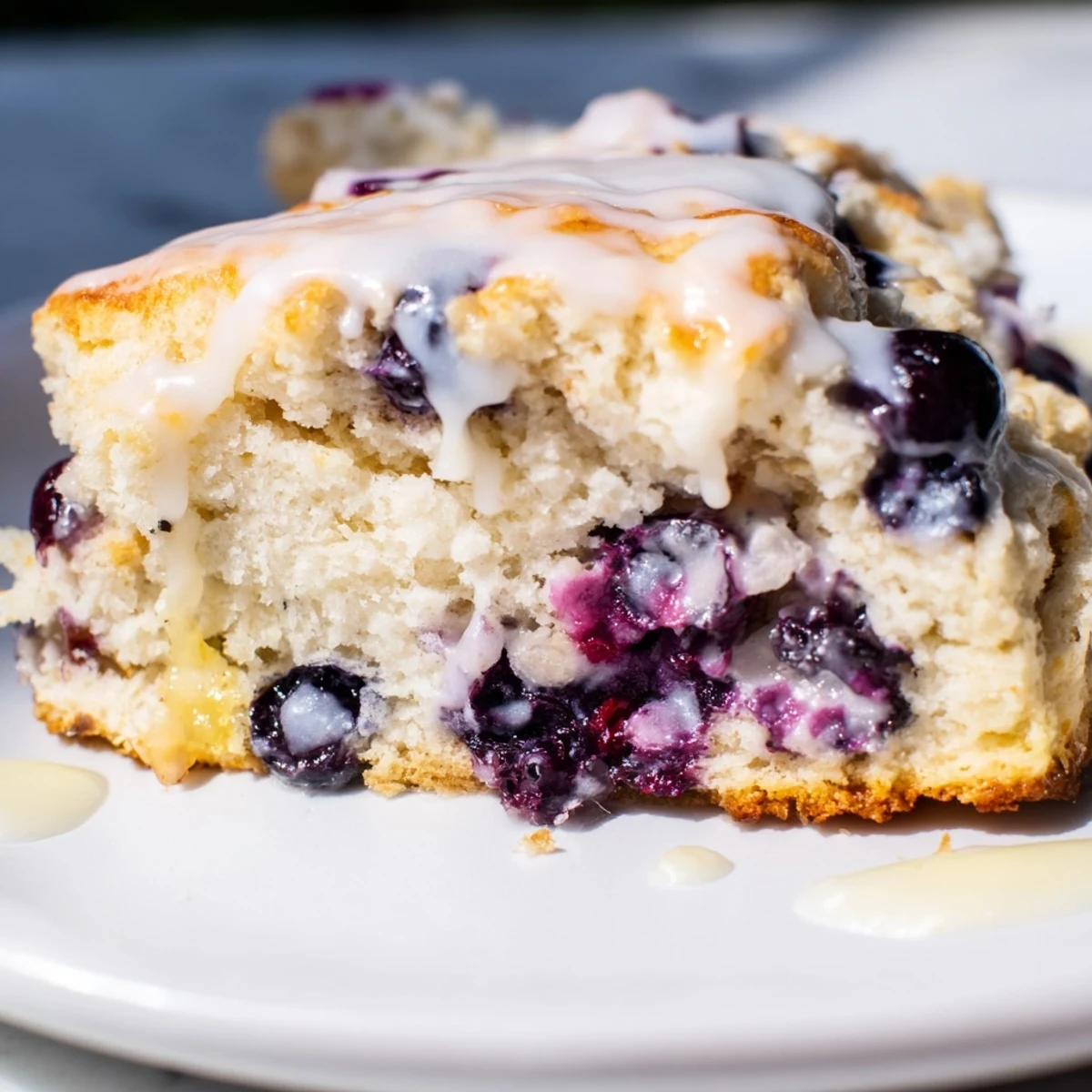
Save These lemon blueberry scones offer a tender crumb bursting with fresh blueberries and bright lemon zest. The dough is gently mixed to maintain a flaky texture, folded with juicy berries, then baked until golden. Finished with a smooth citrus glaze, they deliver a sweet tang that complements the soft, buttery scones. Ideal for breakfast or an afternoon treat, these scones are simple to prepare and perfect for sharing.
There's something about the smell of lemon zest hitting a warm mixing bowl that instantly lifts my mood—it happened one gray Tuesday morning when I decided to bake something bright instead of reaching for my usual coffee shop run. I'd bought a pint of blueberries on impulse at the farmers market, and they were sitting on my counter practically begging to become these tender, crumbly scones. The first bite was a revelation: the way the tartness of the lemon cut through the sweetness of the glaze, and those juicy berries burst between my teeth. Now I can't imagine a weekend breakfast without them.
I remember bringing a batch to my neighbor's kitchen after she'd had her wisdom teeth removed, thinking she'd at least appreciate the smell wafting through her apartment. She ate two while sitting at her kitchen island in pajamas at 2 PM, and we both just sat there laughing at how something so simple could feel like such a small luxury during a rough week. She asked for the recipe that same day.
Ingredients
- All-purpose flour (2 cups): This is your foundation, and measuring by weight is worth the effort if you have a scale—it's the difference between dense scones and cloud-like ones.
- Granulated sugar (1/3 cup): Just enough sweetness to balance the tartness of the lemon without making these feel like dessert.
- Baking powder and baking soda (2 tsp and 1/2 tsp): They work together to give you lift and that tender crumb texture; don't skip either one.
- Fine sea salt (1/2 tsp): This tiny amount makes the lemon flavor pop and rounds out the sweetness in ways you won't expect.
- Lemon zest (1 tbsp): Use a microplane if you have one—you want the bright, fragrant oils, not the bitter white pith underneath.
- Unsalted butter, cold and cubed (1/2 cup): Cold butter is non-negotiable here; it creates those little pockets that make scones tender instead of tough.
- Cold heavy cream (2/3 cup plus brushing): The cream adds richness and creates a more tender crumb than milk would; keep it cold right up until you mix it.
- Egg (1 large): This binds everything together and helps them bake to a gorgeous golden color.
- Vanilla extract (1 tsp): A small supporting player that rounds out the flavor without being noticeable.
- Fresh lemon juice (2 tbsp plus 2–3 tbsp for glaze): Fresh juice always tastes brighter than bottled; if your lemons feel hard, microwave them for 20 seconds first.
- Fresh blueberries (1 cup): Frozen berries work just as well and sometimes taste more intense since they're picked riper; never thaw them first.
- Powdered sugar, sifted (1 cup): Sifting breaks up the lumps and makes your glaze silky and smooth.
Instructions
- Get your oven ready and prepare your space:
- Preheat to 400°F and line a baking sheet with parchment paper—this prevents sticking and makes cleanup easier. Having everything ready before you start mixing keeps you from getting flustered when things move fast.
- Build your dry ingredients foundation:
- Whisk together flour, sugar, baking powder, baking soda, salt, and lemon zest in a large bowl. The whisking aerates the flour and distributes the leavening agents evenly, which means your scones rise consistently.
- Work in the cold butter until it looks like coarse crumbs:
- Cut the cold butter into the flour using a pastry cutter, fork, or just your fingertips—you want pea-sized pieces of butter still visible in the mixture. This is where the tender crumb comes from, so don't overthink it or rush; if your kitchen is warm, chill the bowl in the freezer for 10 minutes before starting.
- Combine the wet ingredients in a separate bowl:
- Whisk cold cream, egg, vanilla extract, and fresh lemon juice together until they're smooth. Keep this separate until the last moment so everything stays cold.
- Bring the dough together gently:
- Pour the wet ingredients into the dry mixture and stir until just combined—lumpy is good, overmixed is the enemy. Stop as soon as you don't see dry flour anymore; this is the hardest part to resist, but trust yourself.
- Fold in the blueberries with a light hand:
- Use a gentle folding motion so you don't break the berries and stain your dough purple. A few broken berries are fine, but you want most of them to stay whole so they burst in your mouth when you bite into the finished scone.
- Shape the dough into a round:
- Turn your dough onto a lightly floured surface and pat it into a 7-inch round about 1 inch thick. Don't knead it; just gently press it into shape, which keeps it tender and light.
- Cut into wedges and arrange on the baking sheet:
- Use a sharp knife dipped in flour to cut the round into 8 wedges, then place them on your prepared sheet with a little space between each one. This space lets heat circulate and helps them bake evenly.
- Brush with cream and bake until golden:
- Give each scone a light brush of cold cream, then bake for 16–18 minutes until they're golden brown on top and cooked through. They should feel set but not hard when you touch them.
- Cool and make your glaze:
- Let the scones cool on a wire rack while you whisk powdered sugar, lemon juice, and zest until smooth and slightly runny. Drizzle it over the cooled scones so it sets into a sweet, tangy coat.
 Save
Save One morning my eight-year-old nephew wandered into the kitchen while I was pulling a batch from the oven, and he stood there inhaling the steam for a solid minute before saying, "It smells like summer in here." That's when I realized these scones had become more than just breakfast—they're the taste of unexpected small moments and the excuse to stop and eat something good before the day gets away from you.
The Science Behind the Tender Crumb
Scones are all about the balance between structure and tenderness, which sounds fancy but really just means knowing when to be gentle and when to be decisive. The cold butter pieces create little pockets of steam during baking, and those pockets are what give you that flaky, tender texture instead of a dense cake. When people say their scones came out tough, it's almost always because the dough got too warm or too worked—temperature and restraint are your friends here.
Lemon as the Secret Backbone
I used to think lemon was just for brightness, until I made a batch without the juice in the wet ingredients and tasted a flat, one-dimensional scone staring back at me. The acid does something magical—it mellows the sweetness and creates this complexity that makes people pause and say, "What is that flavor?" You're not tasting lemon exactly; you're tasting balance, and suddenly everything feels more sophisticated.
Beyond Basic: Simple Variations and Timing
Once you've nailed this recipe, you can play—raspberries and orange zest, earl grey tea steeped into the cream, even a touch of almond extract instead of vanilla all work beautifully. The base is forgiving enough for experiments, but steady enough that you'll know immediately if something isn't working. Baking these on a weekend morning, when you have no rush and can enjoy the actual process of making them, changes everything about how they taste.
- Coarse sugar sprinkled on top before baking adds a subtle crunch that catches your teeth in the best way.
- These scones are best eaten the day they're made, but they keep beautifully wrapped in the fridge for two days and warm up in a 300°F oven in just five minutes.
- If you want to prep ahead, freeze the shaped wedges before baking and add just a couple extra minutes to the bake time—they'll taste freshly baked even though you've been planning ahead.
 Save
Save There's something deeply satisfying about pulling a tray of golden scones from the oven, knowing you made something that tastes like it took hours when it really only took your hands and a little attention. These lemon blueberry scones are the kind of recipe that lives in your rotation forever, not because it's complicated, but because it's proof that simple, when done with care, is always enough.
Common Recipe Questions
- → What is the best way to mix the dough?
-
Use a pastry cutter or fingertips to work cold butter into the dry ingredients until mixture resembles coarse crumbs. Avoid overmixing wet and dry ingredients to keep the scones tender.
- → Can I use frozen blueberries instead of fresh?
-
Yes, frozen blueberries can be used but should be added without thawing to prevent excess moisture in the dough.
- → How do I achieve a flaky texture in scones?
-
Keep the butter cold and incorporate it with minimal mixing. Handle the dough gently to preserve small butter pieces that create flakiness.
- → What does the lemon glaze add to the scones?
-
The citrus glaze adds a bright, sweet tang that enhances the lemon flavor and gives a glossy finish to the scones.
- → Can I substitute other berries for blueberries?
-
Yes, raspberries or blackberries can be used for a different fruity twist while maintaining the scones’ texture and flavor balance.