
 Save
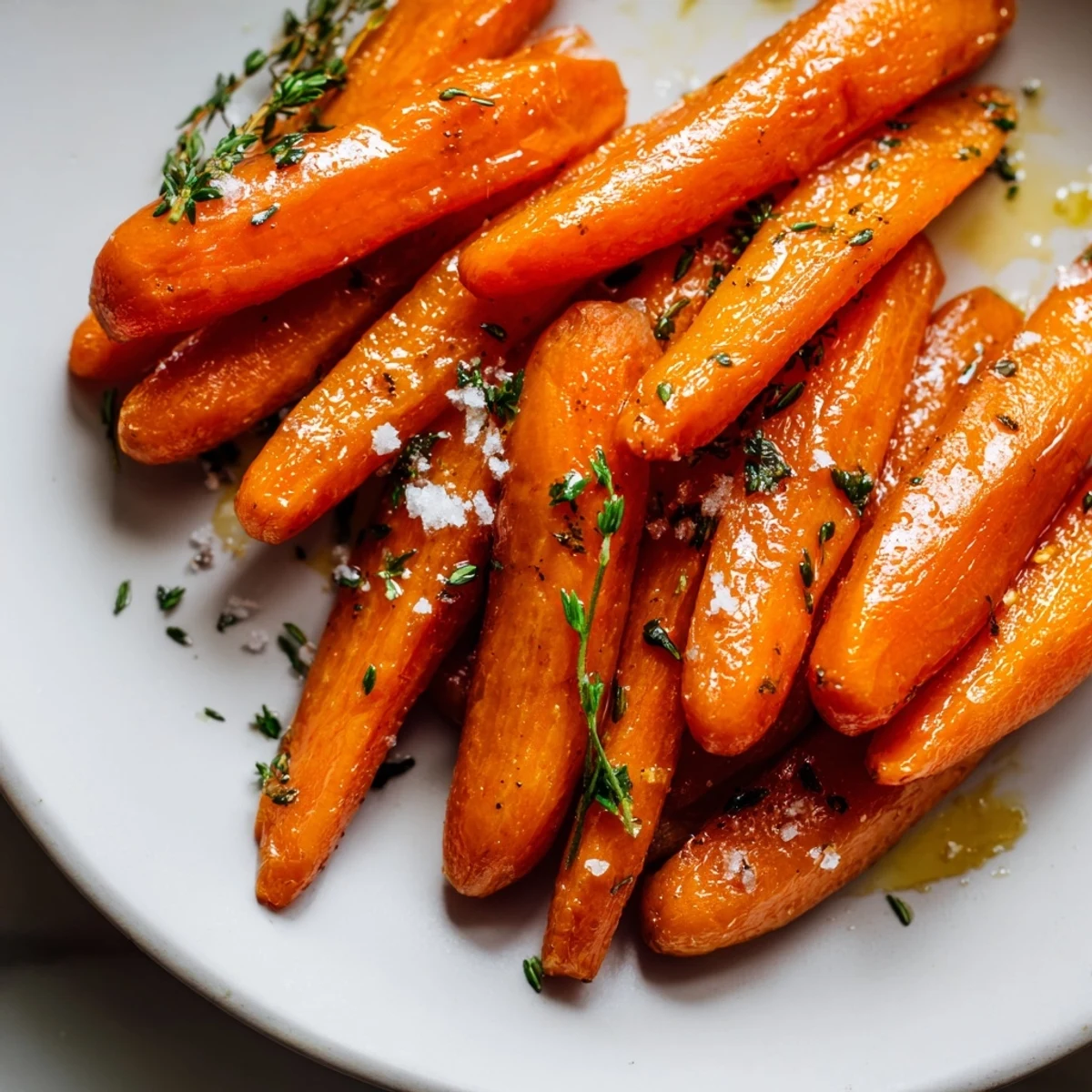
Save This dish features tender carrots roasted to golden perfection, coated in a glossy honey glaze and infused with fresh thyme and black pepper for subtle warmth. The carrots are baked until soft yet slightly caramelized, making them a naturally sweet, aromatic, and vibrant accompaniment suitable for many meals. Garnished with fresh parsley, this dish brings a bright, herbaceous finish.
Discovering how simple roasted carrots could transform into such a sweet and savory side was a delightful surprise on a quiet Sunday afternoon in my kitchen.
I remember the first time unexpected guests arrived and I pulled these glowing, fragrant carrots out of the oven—instant smiles all around.
Ingredients
- Carrots: I like using firm, fresh carrots for the best texture and sweetness; peeling is optional but helps the glaze stick better.
- Olive oil: A good quality extra virgin olive oil adds richness and brings out the herbs nicely.
- Honey: Honey creates that caramelized glaze; substituting with maple syrup works well too if you want vegan options.
- Sea salt and black pepper: Simple seasonings that balance the natural sweetness and add a subtle bite.
- Thyme: Fresh thyme leaves add a bright herbal note that wakes up the flavors beautifully.
- Fresh parsley (optional): A sprinkle at the end gives a pop of freshness and color.
Instructions
- Get Everything Ready:
- Preheat the oven to 425°F (220°C) and prepare your baking sheet lined with parchment paper to keep things easy and mess-free.
- Toss and Coat:
- In a large bowl, lovingly toss the carrots with olive oil, honey, salt, pepper, and thyme until every stick is luxuriously coated. The mixture should glisten and smell slightly sweet and herbaceous.
- Spread Out:
- Lay the carrots in a single layer on your baking sheet; this helps them roast evenly and get just the right amount of caramelization.
- Roast to Perfection:
- Place the tray in the oven and roast for 25 to 30 minutes, turning once halfway through so each side gets golden and tender. You’ll hear them gently sizzling and smell that intoxicating honeyed aroma filling your kitchen.
- Finish and Serve:
- Transfer the warm, glowing carrots to a serving dish and sprinkle with chopped fresh parsley if using. Serve immediately and watch them disappear.
 Save
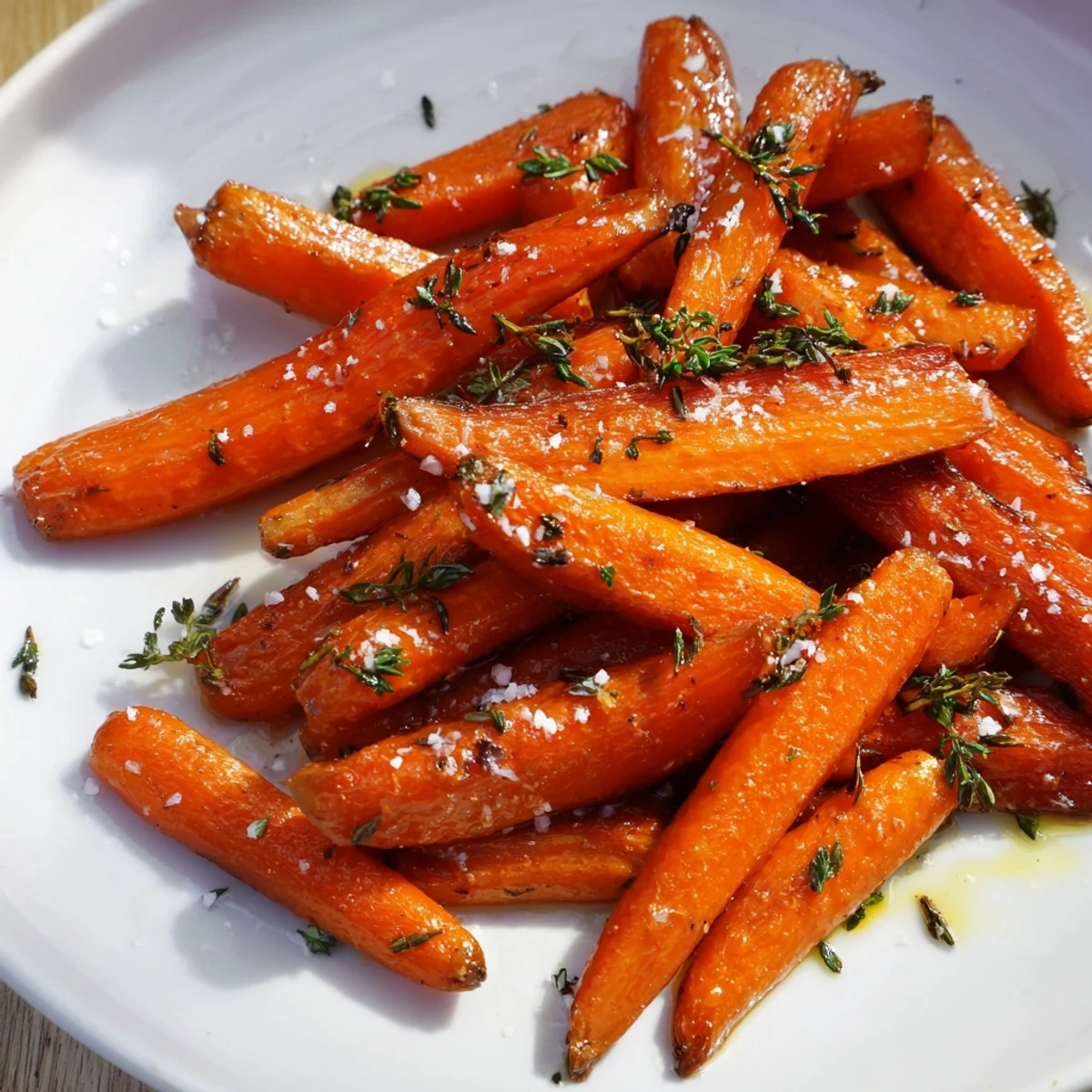
Save This dish quickly became more than a side; it’s been part of celebrations, quick weeknight dinners, and those cozy moments when food feels like a warm friend.
Keeping It Fresh
Using fresh herbs like thyme and parsley right at the end brightens the whole dish and keeps it from feeling too heavy. I always recommend adding herbs just before serving to keep their color vibrant and flavor lively.
Serving Ideas That Clicked
Try pairing these roasted carrots with roasted meats, grain bowls, or even tossed into a salad for an unexpectedly sweet and tender addition that elevates every bite.
A Time This Recipe Saved the Day
Once, when dinner plans fell through last minute, this recipe stepped in as the unsung hero, impressing guests with its cozy charm and simplicity.
- Remember to preheat your oven for best caramelization results.
- If you run out of fresh thyme, dried can be used but adjust quantity for flavor strength.
- Leftovers reheat beautifully in a warm oven to regain crispness.
 Save
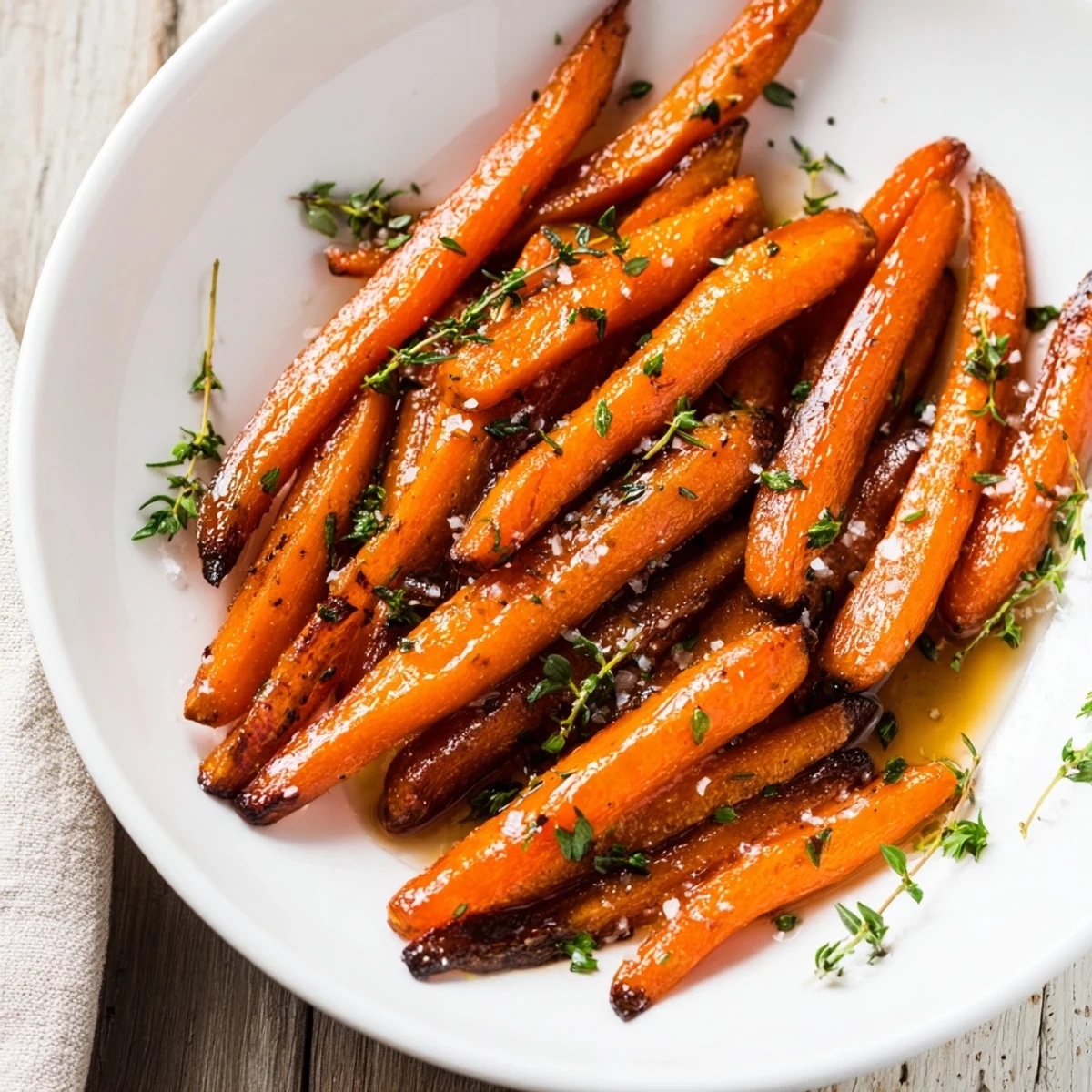
Save Thanks for sharing this kitchen moment with me—hope your roasted carrots bring you as much warmth and joy as they’ve brought me.
Common Recipe Questions
- → How do I ensure carrots roast evenly?
-
Cut carrots into uniform sticks or use thin whole carrots to promote even cooking and consistent tenderness.
- → Can I substitute honey with another sweetener?
-
Yes, maple syrup works well as a vegan alternative, providing similar sweetness and glaze.
- → What oven temperature is best for roasting these carrots?
-
Roasting at 425°F (220°C) helps achieve a tender interior and caramelized exterior.
- → Can I add other herbs or spices?
-
Absolutely, dried thyme or fresh leaves work well; chili flakes can add a pleasant heat if desired.
- → How do I add extra flavor before roasting?
-
A splash of balsamic vinegar before roasting enhances the glaze with subtle acidity and depth.