
 Save
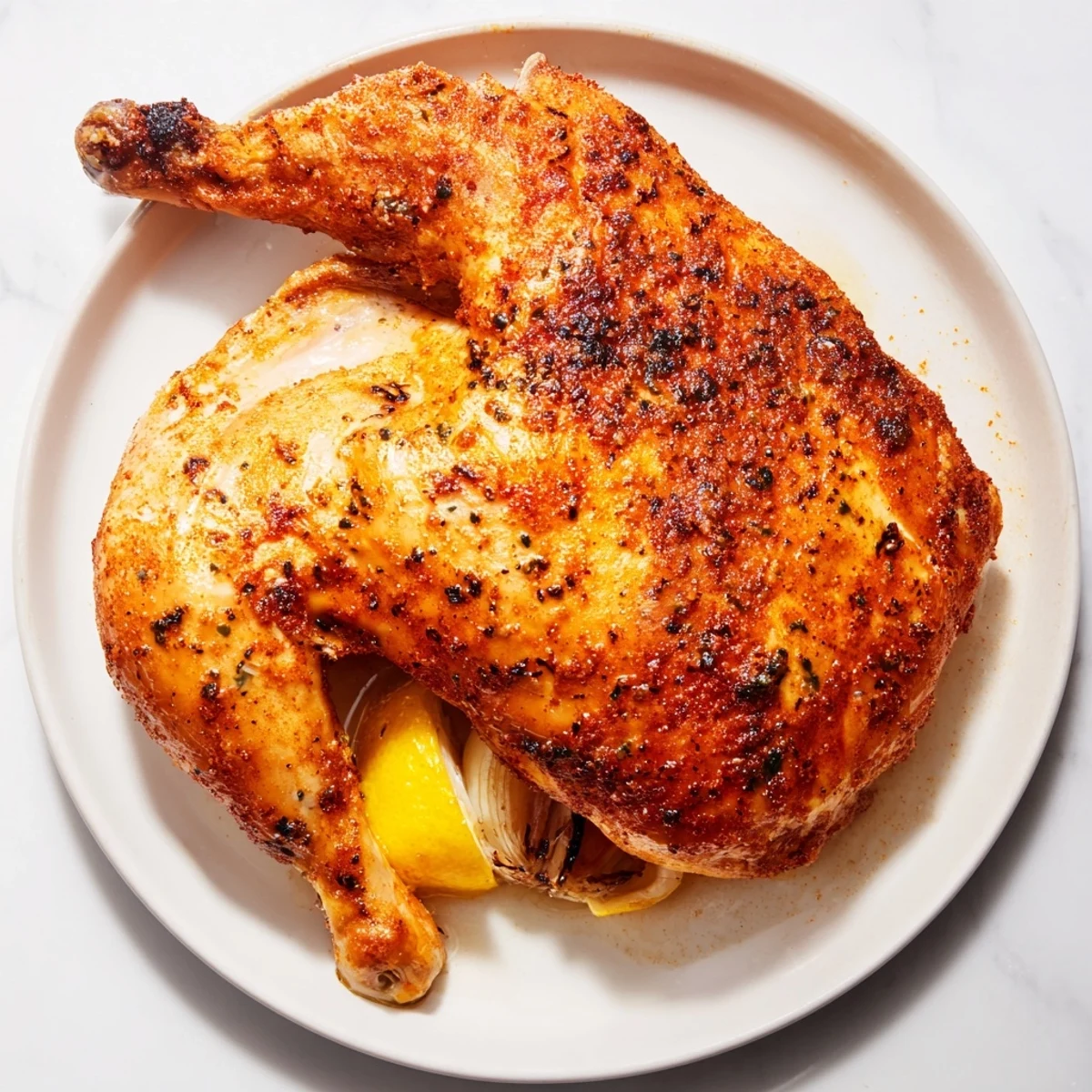
Save This roast chicken features irresistibly crispy skin achieved by drying the bird thoroughly before roasting. Aromatic herbs like thyme and rosemary, along with garlic and lemon stuffed inside, infuse rich flavors. A coating of olive oil and melted butter mixed with spices creates a golden, savory crust. Roasting at high heat ensures juicy meat with a satisfying crispy exterior. Resting after cooking redistributes juices for tender bites.
There's something almost meditative about roasting a whole chicken, the way the kitchen fills with that golden, herby warmth as it cooks. I learned the trick to crispy skin not from a cookbook, but from watching my neighbor pull a perfectly bronzed bird from her oven on a quiet Sunday afternoon—she'd mentioned leaving it uncovered in the fridge overnight, and when I finally tried it myself, everything changed. That one small detail turned what I thought was a simple weeknight dinner into something people actually asked me to make again.
I remember the first time I served this to friends who were skeptical about homemade roast chicken—they expected it to be dry, forgetting that the whole point is letting it rest so the juices actually stay inside where they belong. Watching them go back for thirds while the kitchen still smelled like lemon and rosemary made me realize this dish works because it's both impressive and genuinely easy, which is a rare combination.
Ingredients
- 1 whole chicken (about 1.6 kg / 3.5 lbs): The foundation of everything—buy the best bird you can find, because the quality really does matter here.
- Kosher salt, black pepper, paprika, garlic powder, onion powder (2 tsp, 1 tsp, 1 tsp, 1 tsp, 1 tsp): These seasonings layer together in a way that tastes way more complex than you'd expect from five simple ingredients.
- 1 lemon, halved: Inside the cavity, it steams the bird from within while lending subtle brightness to the drippings.
- 4 cloves garlic, smashed: Crushed, not minced, so they release their oil without burning or disappearing.
- 5 sprigs fresh thyme, 3 sprigs fresh rosemary: Fresh herbs make all the difference—dried just tastes different, trust me.
- 3 tbsp unsalted butter, melted and 2 tbsp olive oil: This combination creates that golden, crispy exterior while keeping everything underneath tender.
Instructions
- Start dry:
- Pat your chicken completely dry with paper towels, getting inside the cavity too—moisture is the enemy of crispy skin. This is the single most important step, so take your time.
- Build your seasoning paste:
- Mix your salt, pepper, paprika, garlic powder, and onion powder together in a small bowl so it distributes evenly. Having it ready means you won't lose momentum once the chicken is oiled up.
- Oil and coat generously:
- Rub the melted butter and olive oil all over the chicken until it's glistening, then coat it with your seasoning mixture, working some under the skin where possible. This is where the magic happens—don't be shy.
- Stuff the cavity:
- Nestle your lemon halves, smashed garlic, thyme, and rosemary inside the chicken, which steams it from the inside and flavors the whole bird subtly.
- Truss and position:
- Tie the legs together with kitchen twine and tuck the wing tips under—this helps the chicken cook evenly and look beautiful on the table. Place it breast side up on a wire rack over your roasting pan so the heat can circulate underneath.
- Roast until golden:
- At 230°C (450°F), aim for 50–60 minutes until the skin is deeply golden and the juices run clear when you pierce the thigh. Use a meat thermometer if you want certainty—74°C (165°F) internal temperature.
- Rest before carving:
- Let it sit for 10–15 minutes, which feels like forever but is absolutely worth it—the juices redistribute so every bite stays juicy instead of drying out the moment you cut it.
 Save
Save The moment I realized this chicken was becoming a staple in my kitchen wasn't when it looked perfect, but when my partner started requesting it before I'd even suggested dinner ideas. There's something grounding about pulling a whole bird from the oven that's so fundamentally satisfying, like you've done something real and nourishing in the simplest possible way.
The Crispy Skin Secret
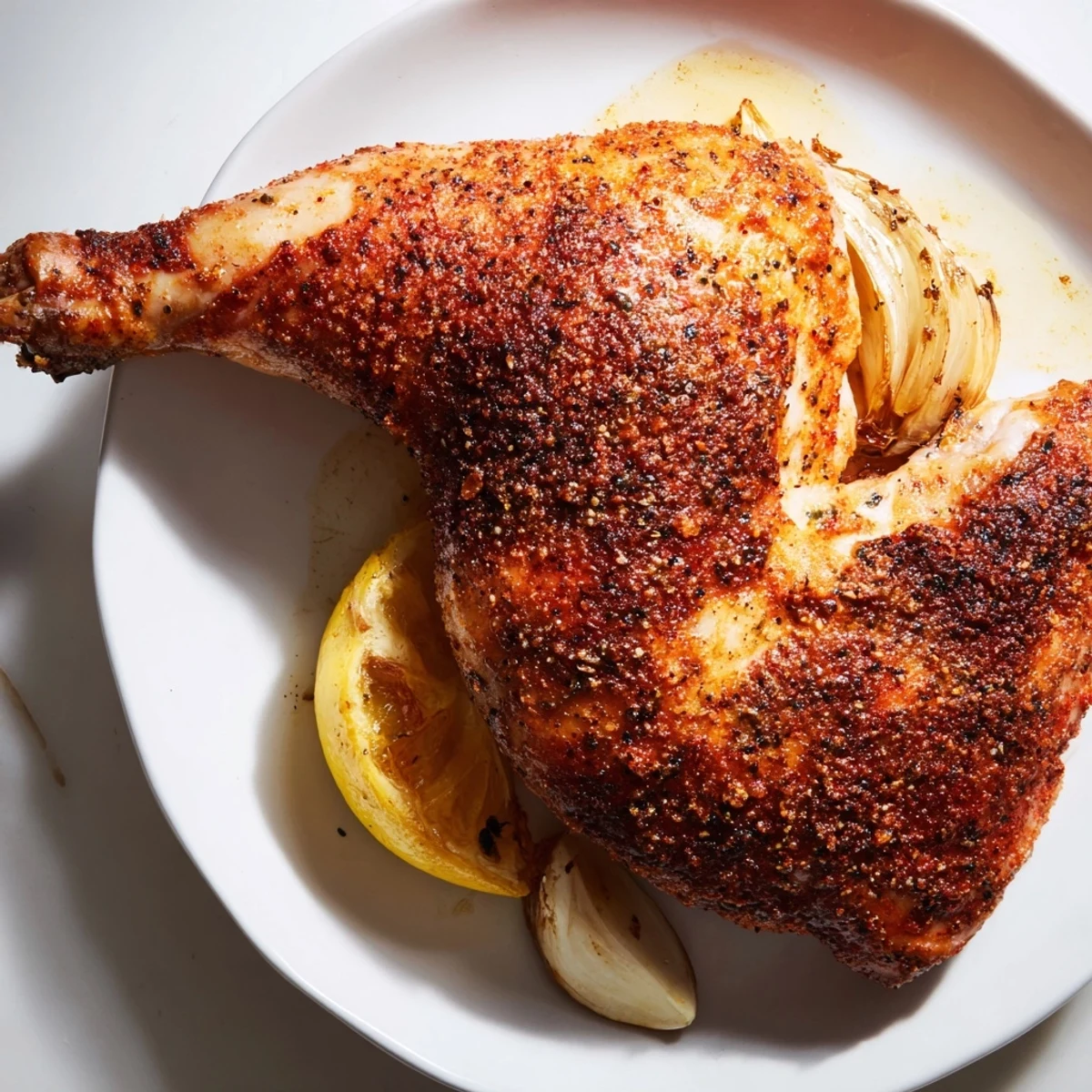
If you want skin that actually crackles instead of just being golden, here's the technique that changed everything for me: after patting your chicken dry, leave it uncovered in the refrigerator for a few hours or even overnight. The cold air continues to dry out the skin, and when it hits the hot oven, it crisps up in a way that feels almost unfair. It's such a small thing, but it genuinely elevates the whole dish.
What to Serve Alongside
I've learned that roast chicken is endlessly flexible, which is one reason it's become such a kitchen workhorse. Some nights I roast potatoes in the same oven so they finish around the same time, letting them soak up the pan drippings—other nights I keep it light with steamed vegetables or a sharp salad that cuts through the richness. The chicken adapts to whatever else is happening in your kitchen or your week.
Variations and Flexibility
Once you master the basic technique, you start seeing possibilities everywhere. A little smoked paprika in the seasoning mix adds a whole different dimension, or you can swap the herbs—tarragon and thyme create an almost French feeling, while cilantro and lime take it somewhere completely different. The beauty of roasting a whole chicken is that the foundation is so solid, you can play around.
- For a smokier flavor, sprinkle smoked paprika into your seasoning mixture instead of regular paprika.
- Leftovers are gold—shred the meat for salads, sandwiches, or quick weeknight grain bowls.
- Save those pan drippings and deglaze the pan with a little white wine or stock to make an instant gravy.
 Save
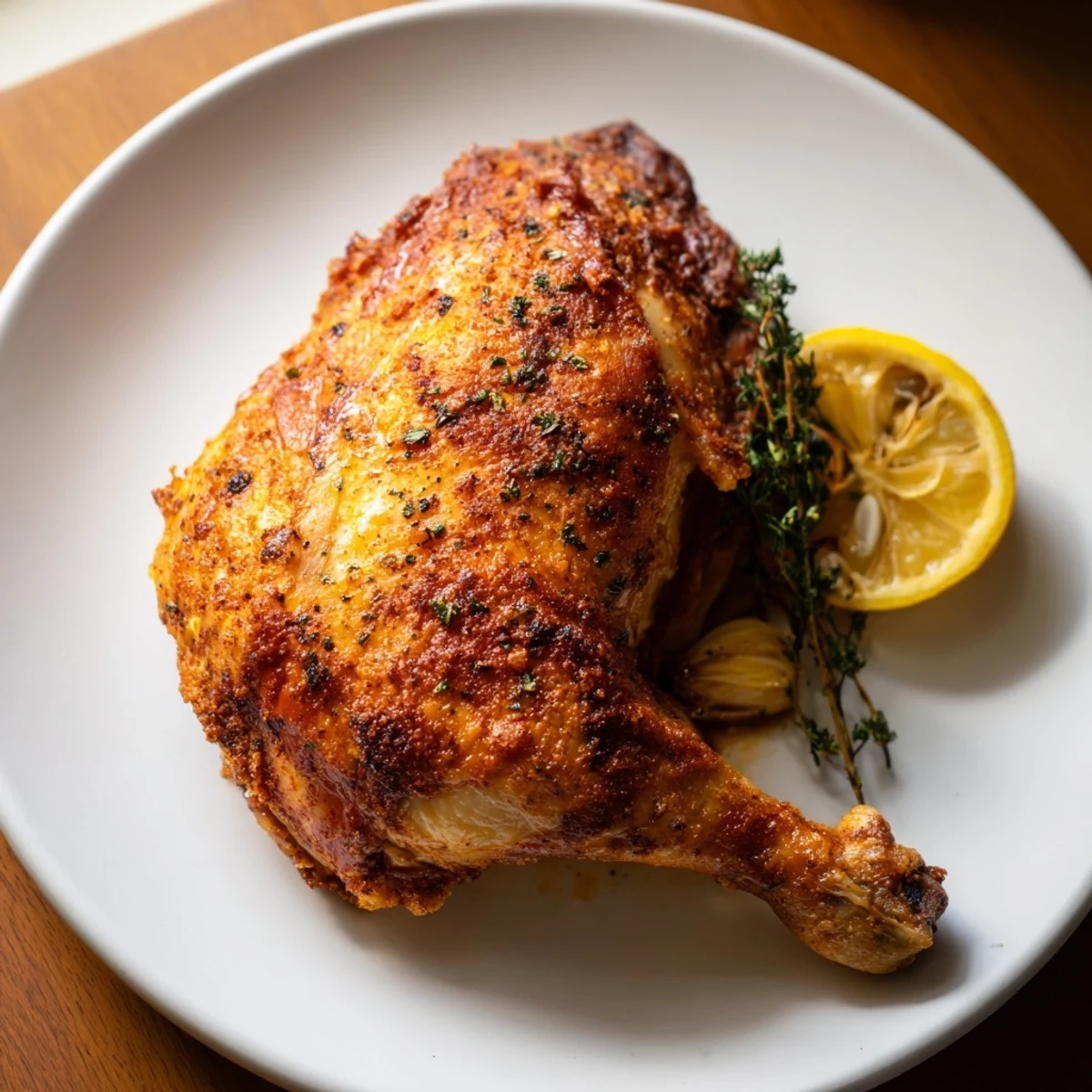
Save Roasting a whole chicken is one of those skills that sounds more impressive than it is, which makes it perfect for anyone who wants to feel confident in the kitchen without actually doing much that's complicated. It's become my go-to when I want something that tastes like care without the stress.
Common Recipe Questions
- → How do I ensure the skin gets crispy?
-
Pat the chicken dry completely before roasting and leave it uncovered in the refrigerator for several hours to dry out the skin. Coating it with a butter and oil mixture also helps crispness.
- → What herbs enhance the flavor best?
-
Fresh thyme and rosemary stuffed inside the cavity add an aromatic depth that complements the savory seasoning on the skin.
- → Can I add smoky flavor?
-
Yes, including smoked paprika in the seasoning mix imparts a subtle smoky note to the dish.
- → Why rest the chicken after roasting?
-
Resting allows the juices to redistribute evenly throughout the meat, resulting in a more tender and juicy texture.
- → What temperature should the chicken reach when cooked?
-
The internal temperature should be 74°C (165°F) to ensure safe and properly cooked poultry.