
 Save
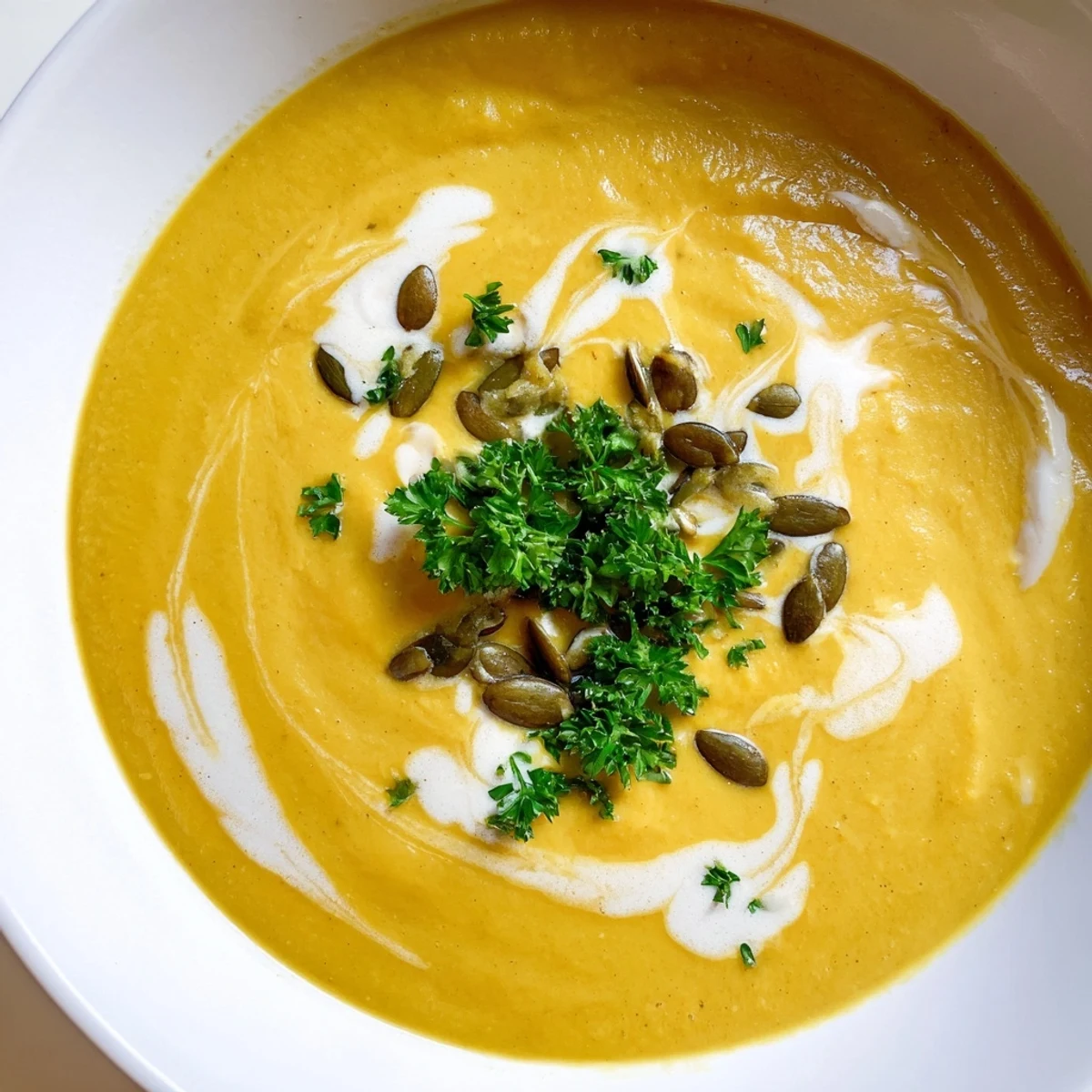
Save This comforting dish combines roasted winter squash with aromatic warming spices like cumin, nutmeg, and cinnamon. Softened onions, celery, and carrots add depth, while blending creates a velvety texture. Finished with cream or coconut milk, it balances richness and spice. Garnished with toasted pumpkin seeds and fresh parsley, it offers a cozy and flavorful experience perfect for cool weather.
I'll never forget the first time I made this soup on a cold November afternoon when my sister unexpectedly dropped by with her kids. I had a butternut squash sitting on my counter that I'd been meaning to use, and as the kitchen filled with that warm, toasted aroma while it roasted, I realized I was creating something that would become a family tradition. Now, every time winter arrives and the air turns crisp, someone asks, 'Are you making that soup?' and I know exactly which one they mean.
The day I perfected this recipe was when I served it to my book club, and instead of diving into our discussion, everyone went quiet for a moment just appreciating their bowls. That's when I knew it wasn't just good—it was the kind of dish that makes people pause and feel cared for. One guest came back three days later asking if I'd teach her how to make it because she couldn't stop thinking about it.
Ingredients
- Butternut squash: This is your star—roasting it first brings out its natural sugars and creates that golden, caramelized exterior that's pure magic. If you can find one that feels heavy for its size, that means it's dense and sweet.
- Onion, garlic, carrot, and celery: This humble trio is your flavor foundation. They soften into the background, building layers of taste that make people wonder what makes this soup so good.
- Vegetable broth: Use a good quality one if you can—it becomes the soul of your soup. I learned the hard way that cheap broth makes everything taste thin and sad.
- Heavy cream or coconut milk: Just half a cup transforms the texture into something luxuriously silky. The cream brings richness, while coconut milk adds subtle tropical warmth.
- Olive oil: Don't skip this for the roasting step—it's what creates those caramelized edges that make all the difference.
- Cumin, nutmeg, and cinnamon: These spices are what elevate soup from simple to sophisticated. They whisper rather than shout, creating an aroma that fills your whole house.
Instructions
- Roast your squash to golden perfection:
- Preheat your oven to 400°F. Toss your cubed squash with a tablespoon of olive oil, salt, and pepper—really get it coated. Spread it on a baking sheet in a single layer and slide it into the oven. You'll know it's ready when the edges are caramelized and a fork slides through easily, about 25 to 30 minutes. This step is where the magic happens, transforming ordinary squash into something with real depth.
- Build your flavor base:
- While the squash roasts, heat your remaining tablespoon of oil in a large pot over medium heat. Add your chopped onion, carrot, and celery—this is your aromatic foundation. Let them soften and turn translucent, about 6 to 8 minutes, stirring occasionally so they cook evenly. Then add your minced garlic and cook for just another minute—you want to smell that garlicky fragrance but not let it burn.
- Bring it all together:
- Add your roasted squash to the pot along with the cumin, nutmeg, and cinnamon. The spices will bloom as they hit the warm pot, filling your kitchen with the most comforting aroma. Pour in your vegetable broth and bring everything to a boil, then reduce the heat and let it simmer gently for about 10 minutes. This simmering time lets all the flavors get to know each other.
- Blend to silky smoothness:
- Remove from heat and let it cool for just a minute. Using an immersion blender, carefully blend the soup until it's completely smooth and creamy-looking. If you're using a regular blender, work in batches and be careful with the hot liquid. The transformation from chunky to velvety is deeply satisfying.
- Finish with cream and seasoning:
- Stir in your cream or coconut milk, which will make the whole soup turn a beautiful peachy-orange color. Taste it now—this is your moment to adjust the salt and pepper until it tastes exactly right to you. If it's cooled down, gently reheat it, stirring occasionally.
- Serve with your finishing touches:
- Ladle the soup into bowls and top with toasted pumpkin seeds for crunch, a sprinkle of fresh parsley for color, and maybe another small drizzle of cream if you're feeling indulgent. The garnishes aren't just pretty—they add texture and brightness that make each spoonful more interesting.
 Save
Save There was one winter when my daughter, who usually pushes vegetables around her plate, asked for seconds of this soup without being asked. That moment taught me that food we make with intention—where every step is done thoughtfully—communicates love in a way words can't.
The Art of Roasting
The roasting step deserves its own moment of appreciation. When you spread those squash cubes on a baking sheet and watch them transform in the oven, you're not just cooking—you're concentrating the squash's natural sweetness through caramelization. The edges turn deep golden and slightly crispy, while the insides become so tender they practically melt. This is what separates a good soup from a memorable one. Pay attention during those last few minutes of roasting; every oven is different, and you want those edges kissed with color but not burned. When you pull the baking sheet out and see those caramelized edges, you'll understand why this step matters so much.
Customizing Your Soup
One of my favorite things about this recipe is how flexible it is once you understand the foundation. Over the years, I've made it with acorn squash when butternut wasn't available, and it was just as wonderful. Some seasons I use a touch of ginger for extra warmth, or swap half the vegetable broth for apple cider for subtle sweetness. The spice blend is also your playground—if you love warmth, add a pinch of cayenne. If you prefer earthiness, bump up the cumin. The beauty is that once you know how to make it properly, you can make it yours.
Serving and Pairing Ideas
This soup is incredibly versatile at the table. I've served it as an elegant first course at dinner parties, ladled into mugs for cozy weeknight suppers, and even chilled slightly for a sophisticated lunch. It pairs beautifully with crusty bread for soaking up every last drop, or alongside a crisp green salad to balance its richness. Some of my favorite moments have been when guests ask for the recipe before they've even finished their bowl, which tells you everything about how this soup makes people feel.
- Make it ahead and refrigerate for up to three days—the flavors actually deepen as it sits.
- It freezes beautifully for up to three months, so consider doubling the batch on a quiet Sunday.
- If your soup thickens too much when cooled, just stir in a bit more broth to get back to your desired consistency when reheating.
 Save
Save This soup reminds me why I love cooking in the first place—it's simple enough for a weeknight but feels special enough for guests, and it fills your whole house with the smell of comfort. Every time I make it, someone asks for the recipe, and I always smile knowing they're about to create their own kitchen memory.
Common Recipe Questions
- → What type of squash works best for this dish?
-
Butternut squash is ideal for its sweet, creamy texture, but acorn or kabocha can be used as alternatives.
- → Can I make this dairy-free?
-
Yes, substituting coconut milk for cream keeps the dish creamy and suitable for dairy-free diets.
- → How do the spices contribute to the flavor?
-
Cumin adds earthiness, nutmeg brings warmth, and cinnamon offers a subtle sweetness, creating a balanced aromatic profile.
- → What is the best way to achieve a smooth texture?
-
Using an immersion blender or regular blender to purée the cooked vegetables ensures a velvety, smooth consistency.
- → What garnishes complement this dish?
-
Toasted pumpkin seeds and fresh parsley add crunch and freshness, enhancing both flavor and presentation.