
 Save
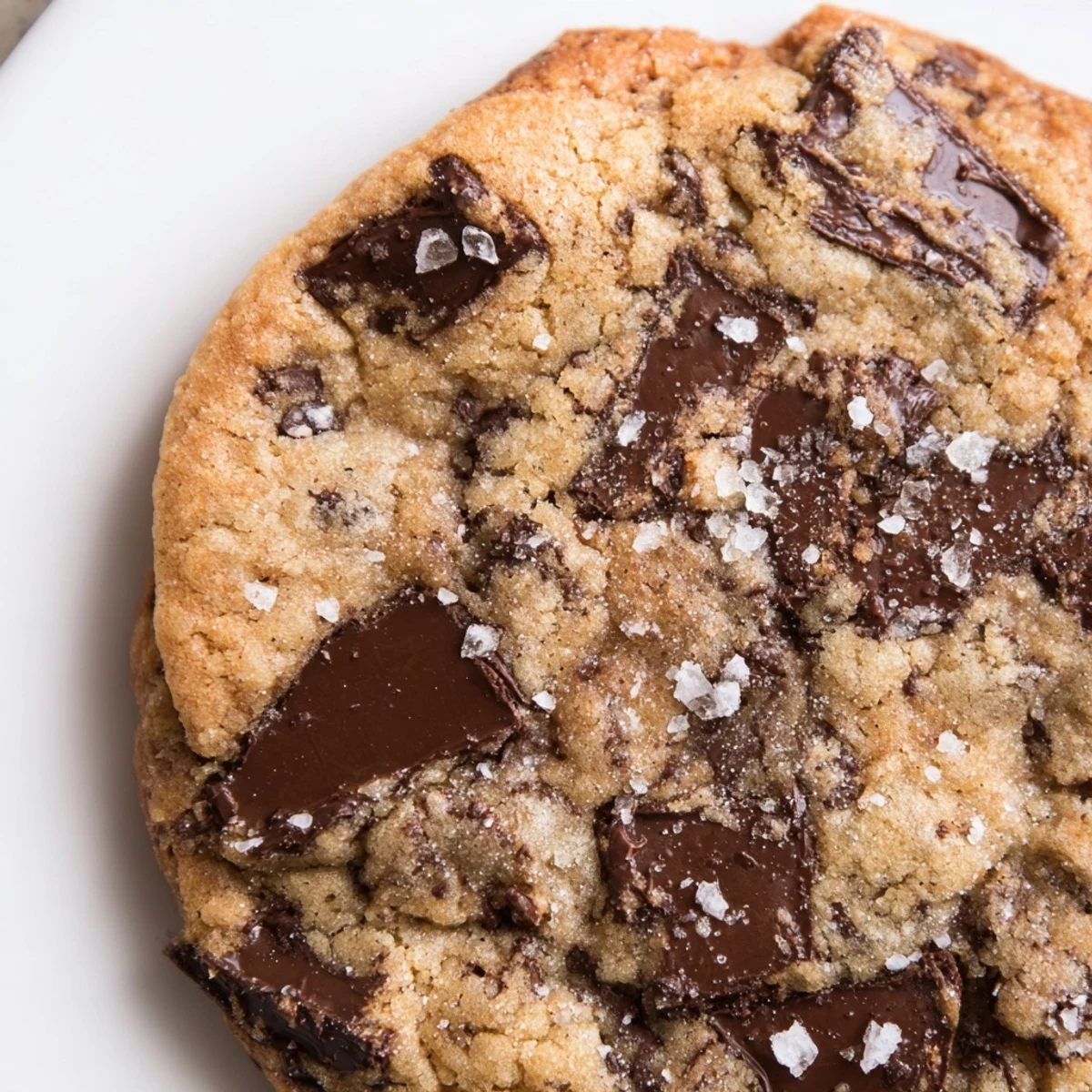
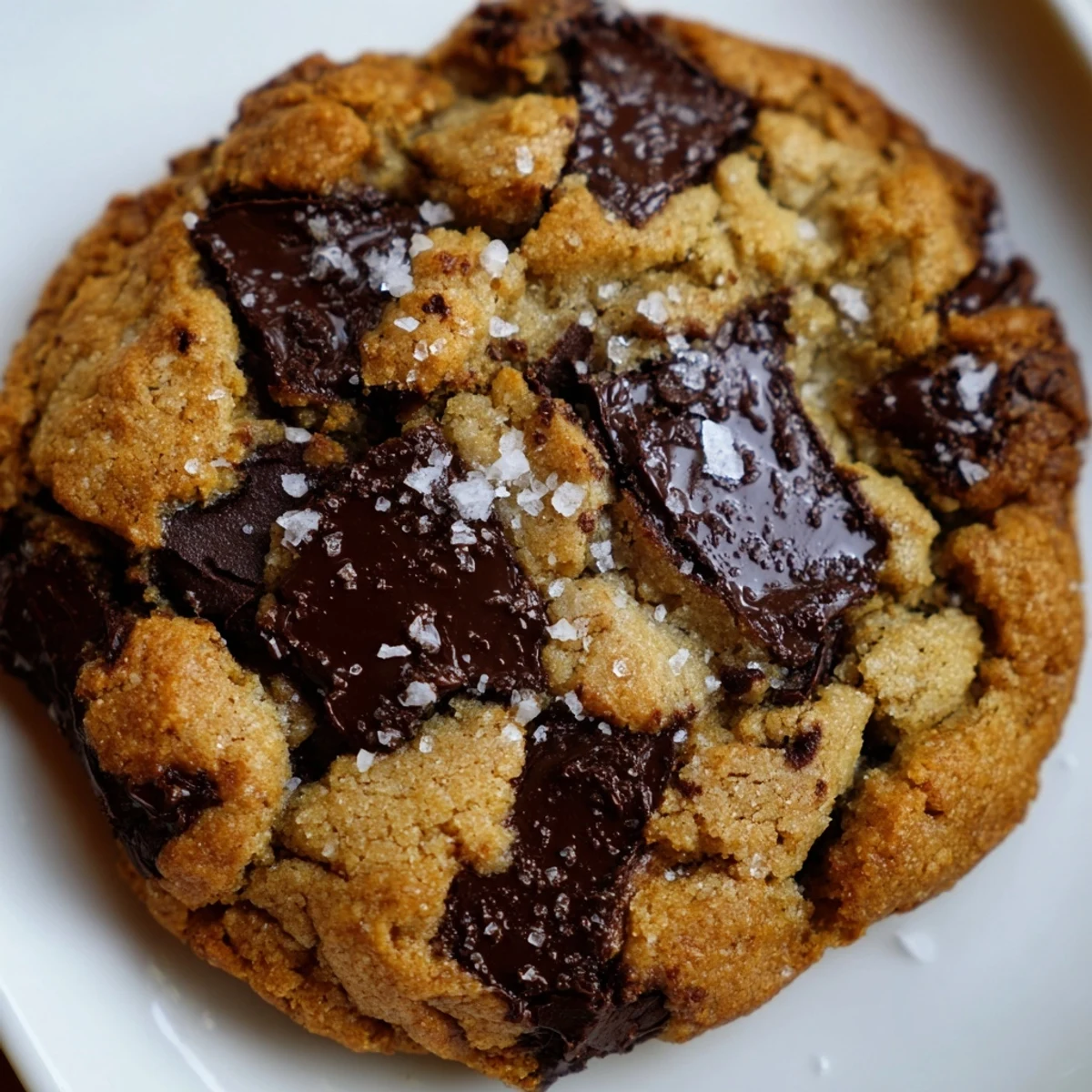
Save These chewy chocolate chip delights combine rich chocolate chunks with a sprinkle of flaky sea salt to balance sweet and salty flavors. Made from a blend of all-purpose flour, baking soda, and softened butter, the dough is mixed until creamy with both granulated and brown sugar. Eggs and vanilla add depth, while semisweet chocolate chips provide bursts of chocolate in every bite. Baking at 350°F yields golden edges with soft centers. For enhanced chewiness, chilling the dough before baking is recommended. Enjoy these treats warm or cooled.
My neighbor knocked on my door one afternoon with warm cookies still in her hands, and I remember thinking they smelled like butter and honey and something I couldn't quite name. When I bit into one, the salt hit first—unexpected, sharp, then melting into the sweetness. She never told me the recipe, just smiled and said the sea salt was the secret. It took me three tries and one burned batch to understand what she meant, but once I did, I couldn't stop making them.
I made these for my daughter's school bake sale, and a parent came back the next day asking for the recipe. That small moment—someone wanting to make them for their own kitchen—taught me that sometimes the simplest things matter the most. The cookies were gone in an hour, and I baked three more batches by weekend.
Ingredients
- All-purpose flour (2 1/4 cups): This is your foundation—make sure it's fresh and measured by spooning into the cup, not scooping straight from the bag, or you'll end up with dense cookies.
- Baking soda (1 tsp): The unsung hero that gives these their spread and that slightly caramelized edge you're chasing.
- Fine sea salt (1/2 tsp in dough): Regular table salt works but tastes sharper; fine sea salt dissolves cleaner into the dough.
- Unsalted butter (1 cup): Cold butter means your dough stays tender—if it's too soft, your cookies spread too thin and bake too fast.
- Granulated sugar (3/4 cup): This creates the spread; brown sugar brings chew and that almost caramel depth.
- Packed light brown sugar (3/4 cup): Pack it when measuring so you get the actual amount—loose brown sugar skews light and your dough tastes different.
- Large eggs (2): Room temperature eggs mix into the butter more smoothly and help the dough feel silkier.
- Pure vanilla extract (2 tsp): The real stuff matters here because these are simple enough that shortcuts show.
- Semisweet chocolate chips (2 cups): Or chop your own chocolate if you have it—a mix of chips and chunks feels more deliberate and tastes richer.
- Flaky sea salt: Maldon is the gold standard because the flakes stay intact instead of dissolving, giving you those salt bursts against the sweet.
Instructions
- Get your kitchen ready:
- Preheat the oven to 350°F and line two baking sheets with parchment paper. This takes two minutes and saves you from rushing later when you realize you forgot.
- Mix the dry team:
- In a medium bowl, whisk together flour, baking soda, and fine sea salt. Whisking instead of just stirring makes sure the baking soda spreads evenly so you don't get surprise bitter pockets in some cookies.
- Cream the butter and sugars:
- Beat them together for about 2 minutes until the mixture looks pale and fluffy, like you're creating a cloud. This step aerates the dough and gives the cookies that tender crumb everyone loves.
- Add the eggs one at a time:
- Beat well after each egg so it actually incorporates instead of creating a slick layer. Then stir in the vanilla—this is where the dough starts smelling like something real.
- Bring wet and dry together:
- Gradually add the flour mixture to the butter mixture, mixing just until you can't see streaks of flour anymore. Overmixing develops gluten, which makes cookies tough instead of tender, so stop yourself before you think you should.
- Fold in the chocolate:
- Stir until the chips are distributed evenly. If you're using chopped chocolate, it actually looks more artful and breaks up the sweetness in interesting ways.
- Scoop and space:
- Use a tablespoon to portion dough onto the baking sheets, leaving about 2 inches between each ball. Even spacing means even baking, which sounds boring but tastes perfect.
- Salt each cookie:
- Pinch a small amount of flaky sea salt onto each ball of dough. The salt should sit on top of the dough, not pressed in—it'll toast slightly as the cookies bake.
- Bake until golden:
- Watch for the edges to turn a light golden brown while the centers still look a tiny bit underbaked. This takes 10 to 12 minutes depending on your oven—pull them out when they look almost done, not fully done.
- Cool and transfer:
- Let the cookies sit on the baking sheet for 5 minutes so they firm up enough to move without falling apart, then move them to a wire rack. This resting period is when they set into that perfect chew.
 Save
Save My mom tasted one of these and closed her eyes, and that moment right there—when someone stops talking because they're actually tasting something—that's when I understood why my neighbor had walked down the street with warm cookies in the first place. Food tastes different when someone made it thinking about whether you'd like it.
The Science of Chew
The reason these cookies stay chewy instead of turning hard is the ratio of brown sugar to granulated sugar. Brown sugar has molasses, which holds moisture and makes dough taste almost caramel-like. Granulated sugar helps them spread and crisp at the edges. Together, they create that contrast—crispy outside, soft inside. Temperature matters too: pulling them out when the centers still look slightly underset means they'll keep cooking on the hot pan and finish soft instead of hard.
Chocolate Matters More Than You Think
Semisweet chocolate chips are mild and melt smoothly, but I learned that mixing in some chopped dark chocolate or using all dark chips changes the whole experience. The bittersweet notes play against the salt in a way that makes people ask what you did different. Cheap chocolate tastes like cocoa powder and sugar; better chocolate tastes like actual chocolate. You can taste the difference, and so can everyone eating them.
Making These Your Own
These cookies are a blank canvas once you understand the base. I've made versions with espresso powder mixed into the dough, versions with half the chocolate and extra sea salt, versions where I browned the butter first for a nutty depth. The recipe stays the same; only the add-ins change. That's what makes a recipe worth keeping.
- If you chill the dough for an hour before baking, the flavors deepen and the cookies spread less, staying thicker and chewier.
- Swap the chocolate for whatever you have—white chocolate and cranberry, milk chocolate and pretzels, dark chocolate and espresso all work beautifully.
- Store them in an airtight container for up to 4 days, though honestly, they never last that long in my house.
 Save
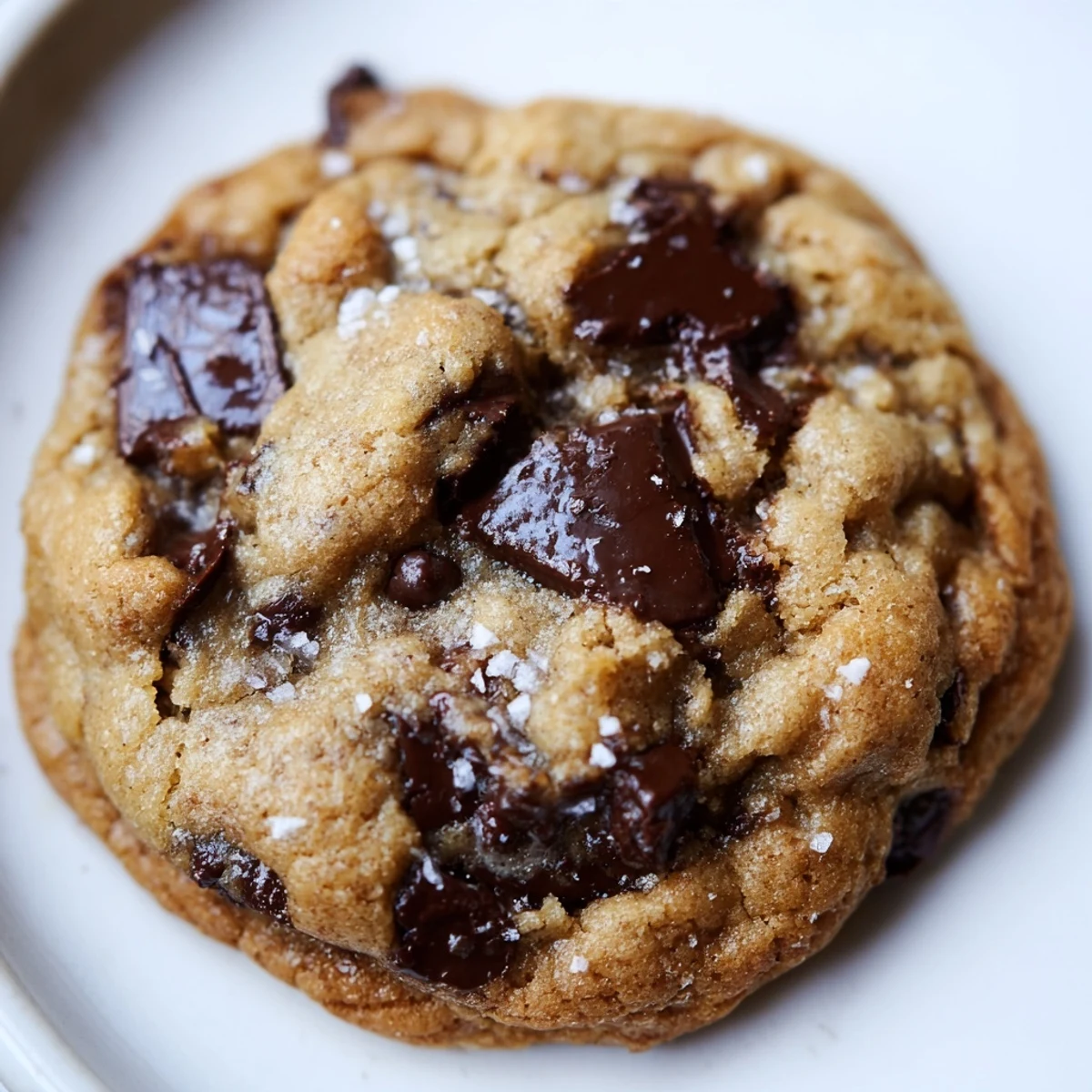
Save These cookies changed how I think about baking, which sounds silly for something so simple. But the combination of salt and sweetness, care and ease, taught me that the most memorable food doesn't have to be complicated.
Common Recipe Questions
- → What gives these cookies their chewy texture?
-
The combination of brown sugar and softened butter creates moisture that contributes to a chewy texture.
- → Why is sea salt sprinkled on top?
-
Flaky sea salt provides a contrasting salty note that enhances the sweetness of the chocolate chips.
- → Can different types of chocolate be used?
-
Yes, semisweet chocolate chips can be swapped with dark or milk chocolate depending on preference.
- → How does chilling the dough affect the cookies?
-
Chilling the dough for an hour before baking intensifies flavor and improves chewiness by allowing ingredients to meld.
- → What is the ideal baking time for these cookies?
-
Baking for 10–12 minutes at 350°F creates edges that are golden with soft, just-set centers.