
 Save
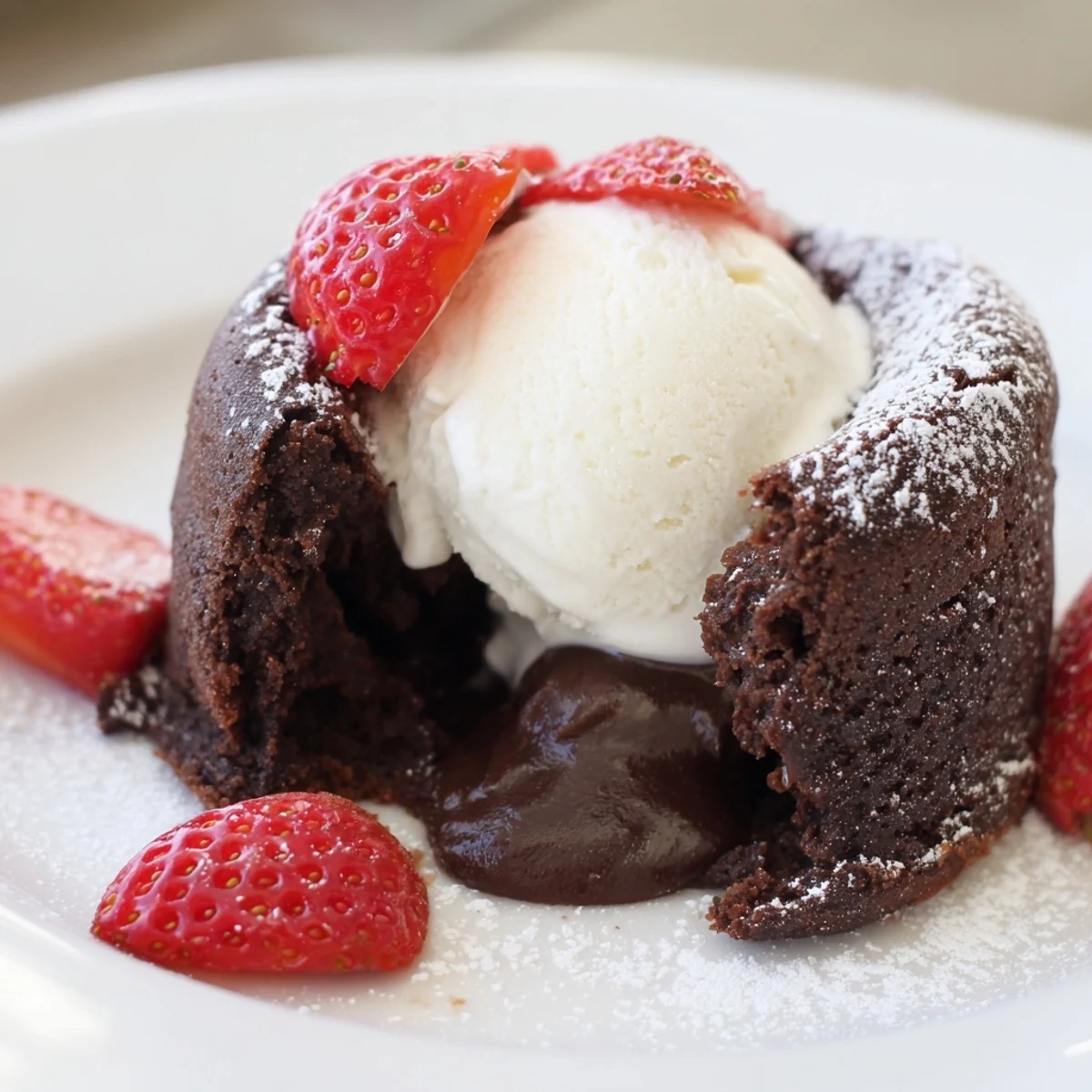
Save These chocolate lava cakes offer a decadent treat with a warm, gooey center that melts delightfully on the tongue. Made by melting dark chocolate and butter, combined with eggs, sugar, and a hint of vanilla, the batter is gently folded with flour and baked until the edges are set but centers remain soft. Served warm and dusted with powdered sugar, they pair beautifully with fresh berries or vanilla ice cream for an elegant finish.
Prepare ramekins with butter and cocoa powder, melt chocolate carefully, whisk eggs with sugar, then combine and bake for a tender, molten-centered dessert that captivates every chocolate lover.
The first time I watched chocolate actually flow out of a cake, I was certain something had gone wrong—until the first spoonful hit my tongue and I understood the magic. Those lava cakes arrived at my table years ago at a tiny French bistro, and I've been chasing that exact moment of molten surprise ever since. What started as restaurant envy became kitchen obsession, and now I make them whenever I want to feel like I'm pulling off something impossibly fancy in my own home.
I remember baking these for my partner on an ordinary Tuesday, not even a special occasion—just Tuesday and the need for something decadent. The apartment filled with that deep, almost toasty chocolate smell while we waited those nail-biting 12 minutes, and when we flipped them onto the plates and that center broke open, we both just sat there in silence with our forks. Sometimes the best meals aren't the planned ones.
Ingredients
- Dark chocolate (60–70% cocoa), 115 g: Quality matters here more than anywhere else—this is the star of the show, and a good chocolate makes the difference between good and unforgettable.
- Unsalted butter, 115 g: Room temperature helps it blend smoothly with the chocolate, creating that silky base.
- Eggs, 2 large: Room temperature eggs whisk up fluffier and incorporate better into the batter.
- Egg yolks, 2 large: The secret to the tender crumb and that signature molten center.
- Powdered sugar, 90 g: Sift it first—this isn't laziness, it's how you avoid lumps that sabotage the texture.
- All-purpose flour, 35 g: A light hand here; this recipe doesn't need much structure, just enough to hold the molten center in place.
- Vanilla extract, 1/2 tsp: Pure extract only—the imitation kind tastes like regret in a bottle.
- Salt, pinch: Wakes up the chocolate flavor and prevents the cake from tasting flat.
Instructions
- Prepare your ramekins:
- Butter them generously—I mean really coat those walls—then dust with cocoa powder or flour and tap out the excess. This is your insurance policy against the cakes sticking when you flip them.
- Melt chocolate and butter together:
- Use a double boiler and take your time here; you're aiming for smooth and glossy, not grainy. Once it's melted, let it cool for just a minute so it won't scramble the eggs.
- Whisk eggs with sugar:
- Keep going until the mixture is pale and thick—this takes about 2 minutes and you'll know it's right when it leaves a ribbon trail when you lift the whisk. This is where the cake gets its structure.
- Fold chocolate into eggs:
- Gentle is the word here; use a whisk to combine everything but stop the second you don't see streaks of brown anymore. Overmixing is the enemy of tenderness.
- Fold in flour:
- Sift it right over the batter and fold with a spatula, being patient and deliberate. You're creating something delicate, not a heavy cake batter.
- Fill the ramekins:
- Divide batter evenly, filling each about 3/4 full—this is crucial for the molten center to work as intended.
- Bake until edges set, center soft:
- At 220°C (425°F), watch carefully after 11 minutes; the edges should look set and firm while the very center jiggles slightly when you nudge the pan. This is the critical moment.
- Turn cakes onto plates:
- Let them cool just 1 minute, run a knife around the edges, and flip with confidence. The magic happens right here.
 Save
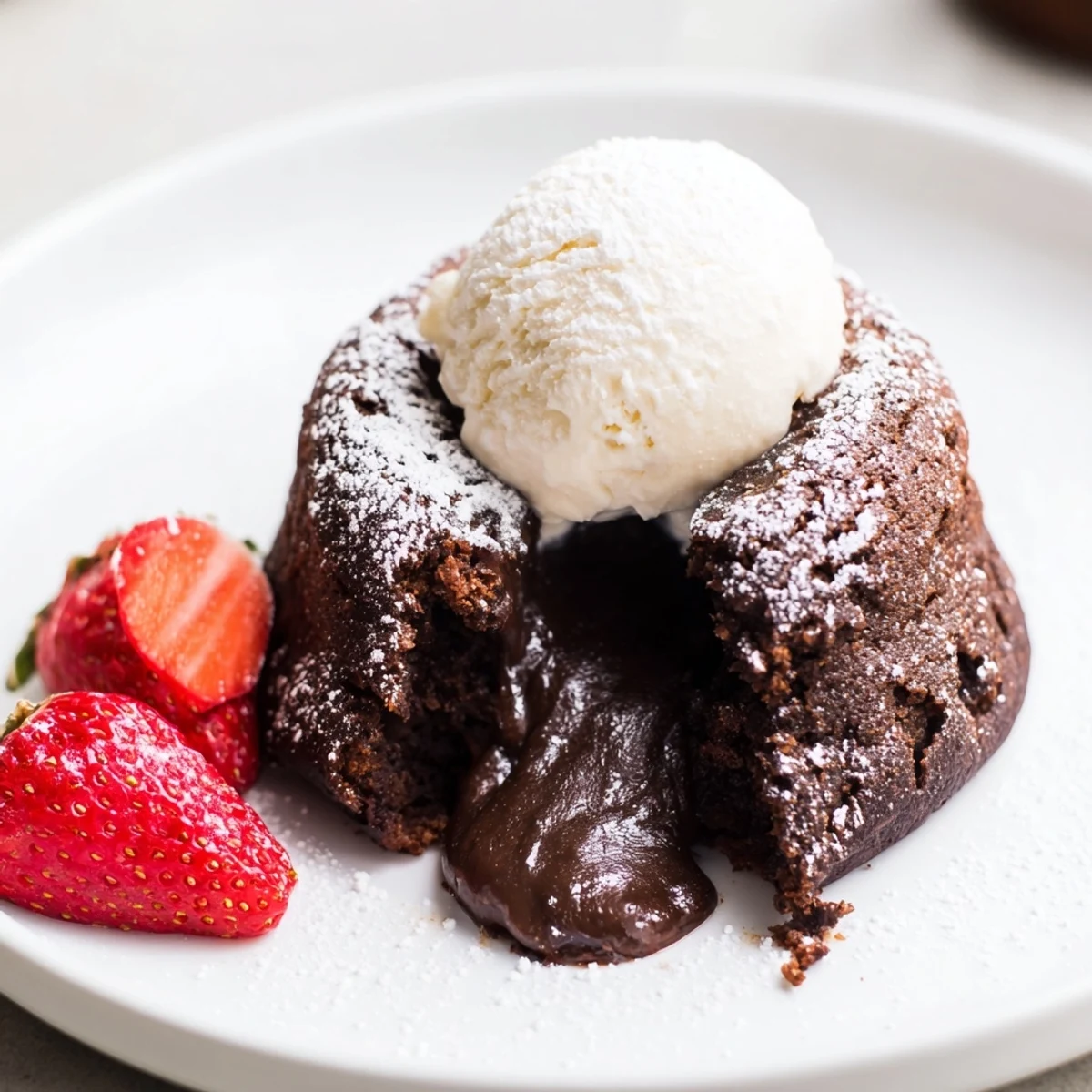
Save There's something about serving these cakes that feels ceremonial, even when it's just for two people on a random night. The moment you set the plate down and watch someone realize the chocolate is actually flowing, you understand why the French take their desserts so seriously. It stops being about hunger and becomes about wonder.
The Molten Center Mystery
The molten center happens because of a specific ratio and precise timing—it's not magic, it's science, and once you understand it, you can nail it every time. The low percentage of flour means the center doesn't firm up like a regular cake, while the eggs provide just enough structure to hold everything together until the moment you cut into it. Every second in the oven matters; I set a timer and trust it completely.
Make-Ahead Magic
This is the recipe that saved my dinner parties because it can be prepped hours ahead—butter and flour the ramekins the morning of, and prepare the batter up to 24 hours early by keeping it covered in the fridge. When guests arrive, you just pop them straight from the fridge into the hot oven, adding just a minute or two to the baking time, and you're delivering restaurant-level dessert while everyone's still at the table. It feels like cheating, but it's really just smart cooking.
Serving and Variations
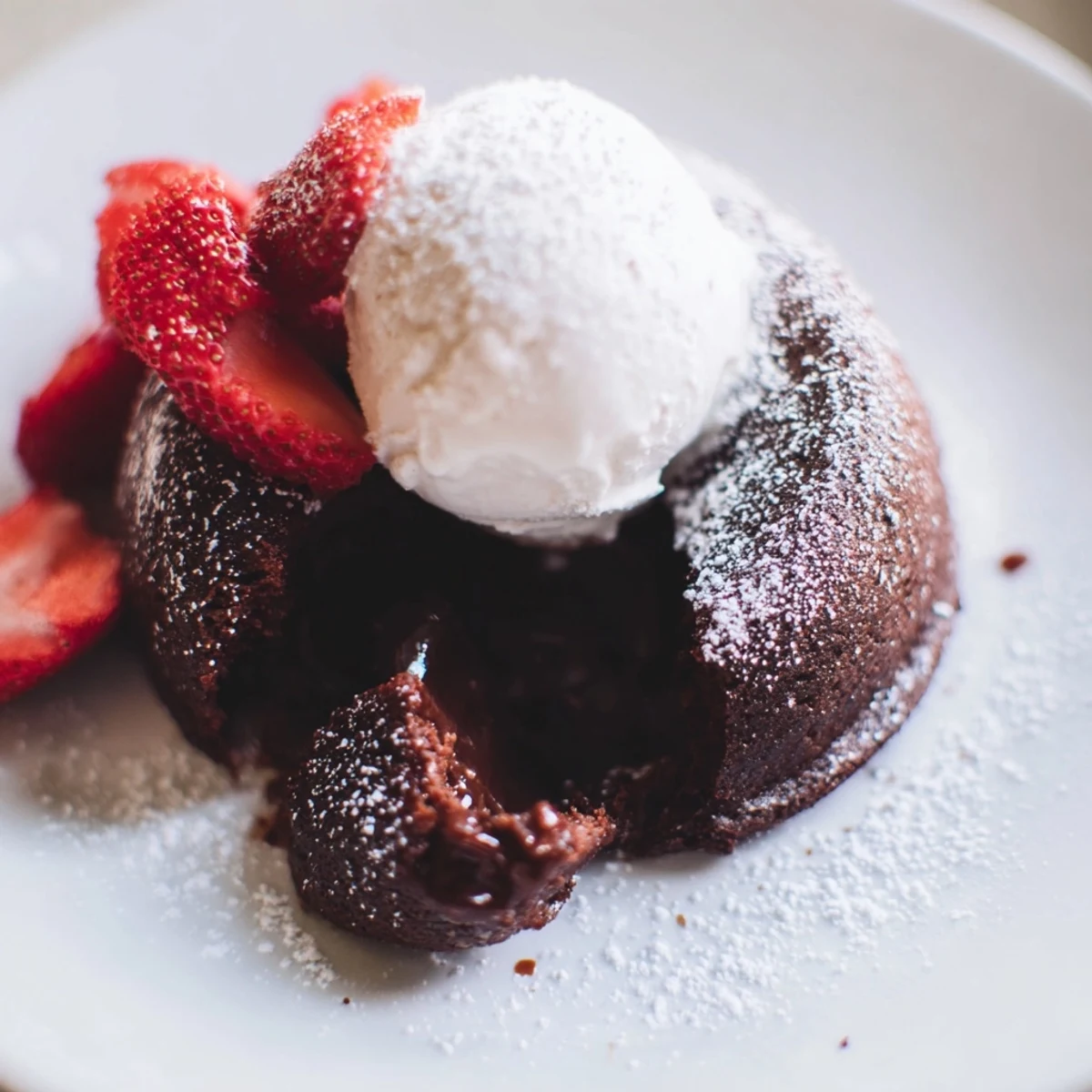
These cakes shine on their own, but powdered sugar dusted on top adds elegance, and fresh berries or a scoop of vanilla ice cream alongside turns them into something you'd order at a fancy restaurant. If you want to push it further, an espresso powder mixed into the chocolate deepens everything, or you can swap in milk chocolate for a sweeter cake—just dial back the sugar slightly and taste as you go. The beauty of understanding how these work is knowing exactly where you can play around and where you need to stay disciplined.
- Cold cakes don't flip as cleanly, so let them rest that crucial minute even if you're impatient.
- Serving immediately matters because the center sets up as it cools, and you want that warm chocolate moment.
- Practice the flip once without an audience so you know exactly how much confidence it takes.
 Save
Save These cakes remind me why I cook at all—not out of necessity, but for those moments when something ordinary becomes extraordinary just because you paid attention. Make them for yourself as much as for anyone else.
Common Recipe Questions
- → What type of chocolate is best for lava cakes?
-
High-quality dark chocolate with 60–70% cocoa provides a rich, balanced flavor and smooth texture ideal for molten centers.
- → How do I achieve the gooey molten center?
-
Bake the cakes until edges are set but centers remain slightly soft and jiggly, generally 11–13 minutes at 220°C (425°F).
- → Can I prepare the batter ahead of time?
-
Yes, the batter can be refrigerated in ramekins up to 24 hours; add 1–2 minutes to baking time when baking from chilled.
- → What serving suggestions complement chocolate lava cakes?
-
Dust with powdered sugar and serve warm alongside fresh berries or a scoop of vanilla ice cream for contrast and freshness.
- → Is it possible to make these cakes sweeter?
-
Swapping dark chocolate for milk chocolate and slightly reducing sugar in the batter can create a sweeter finish.