
 Save
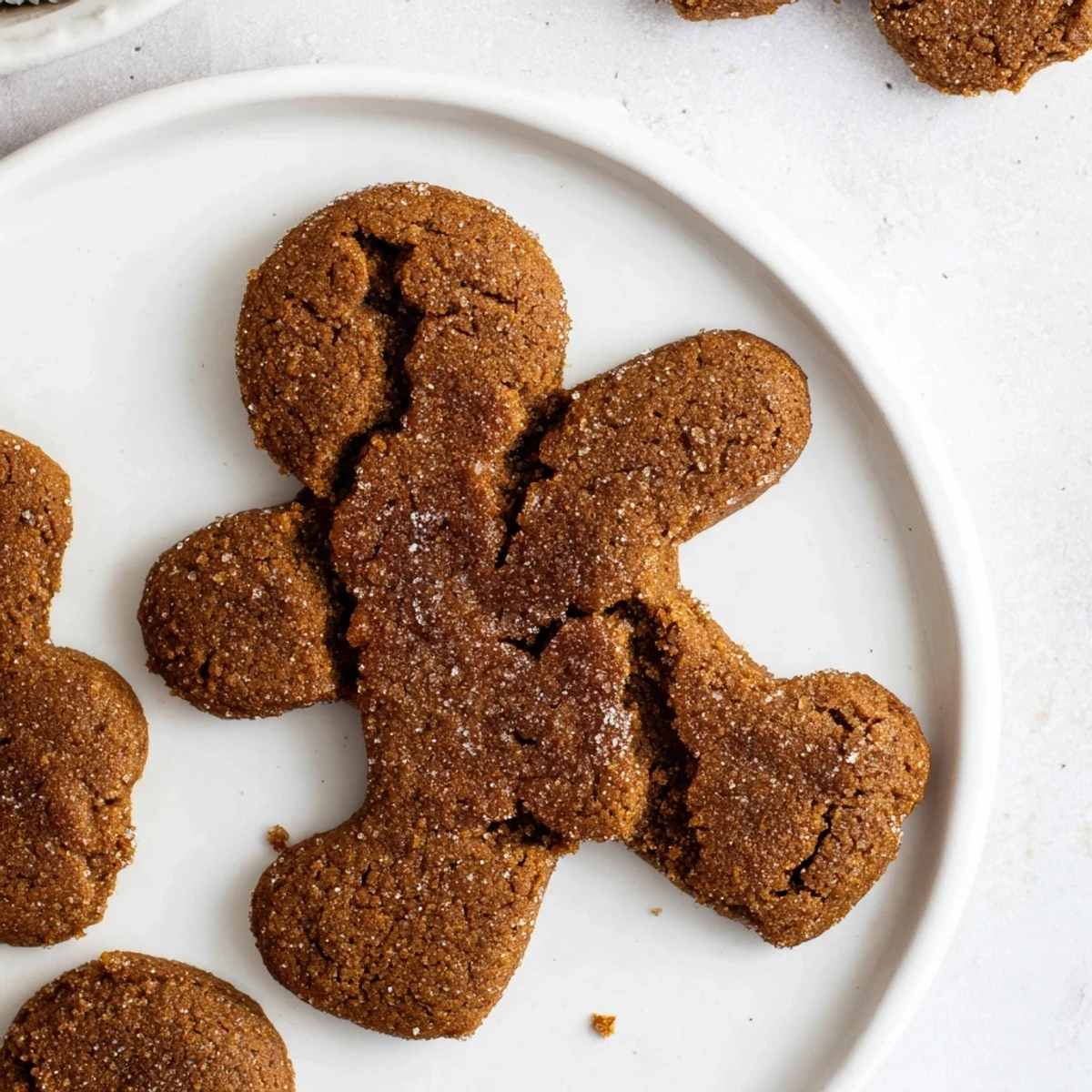
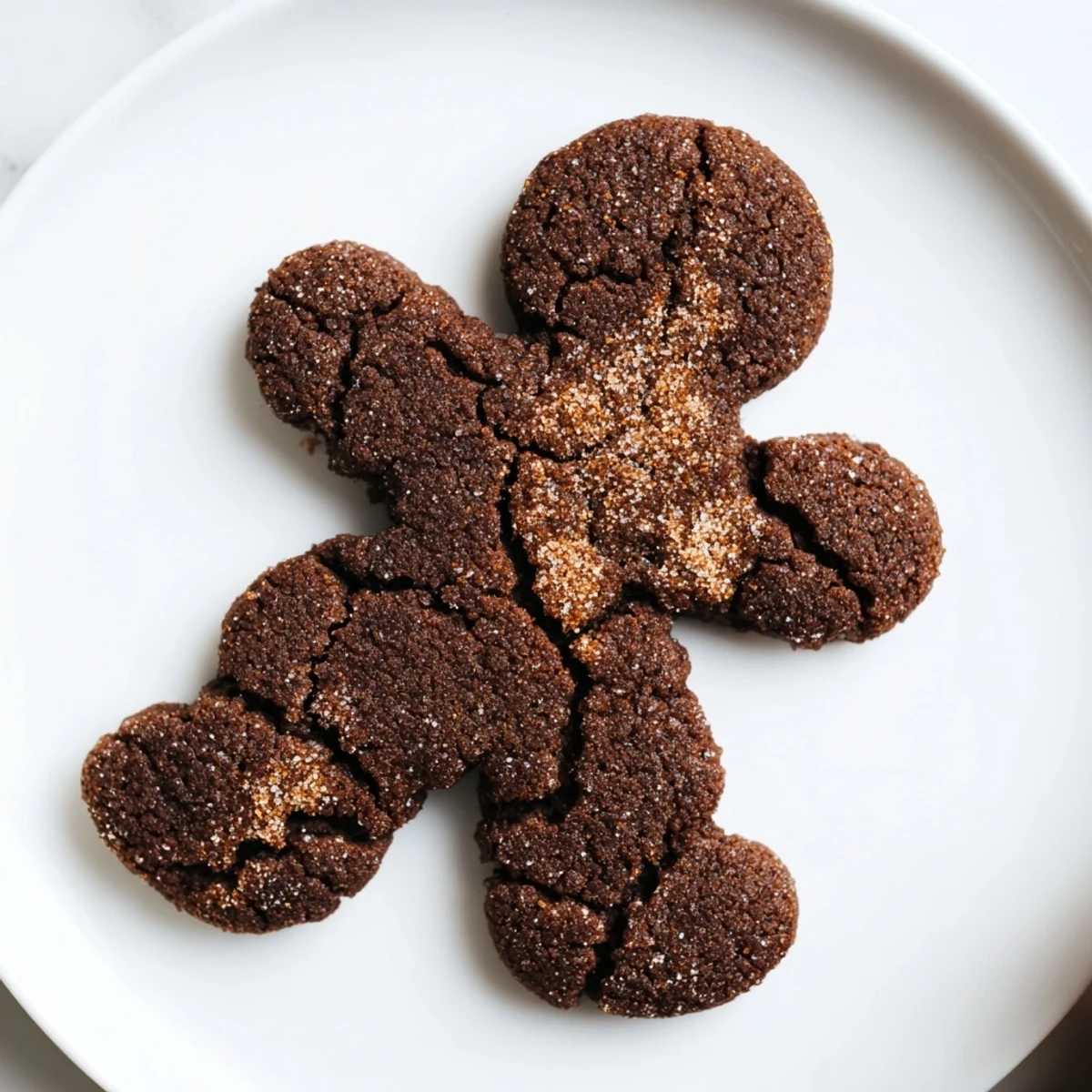
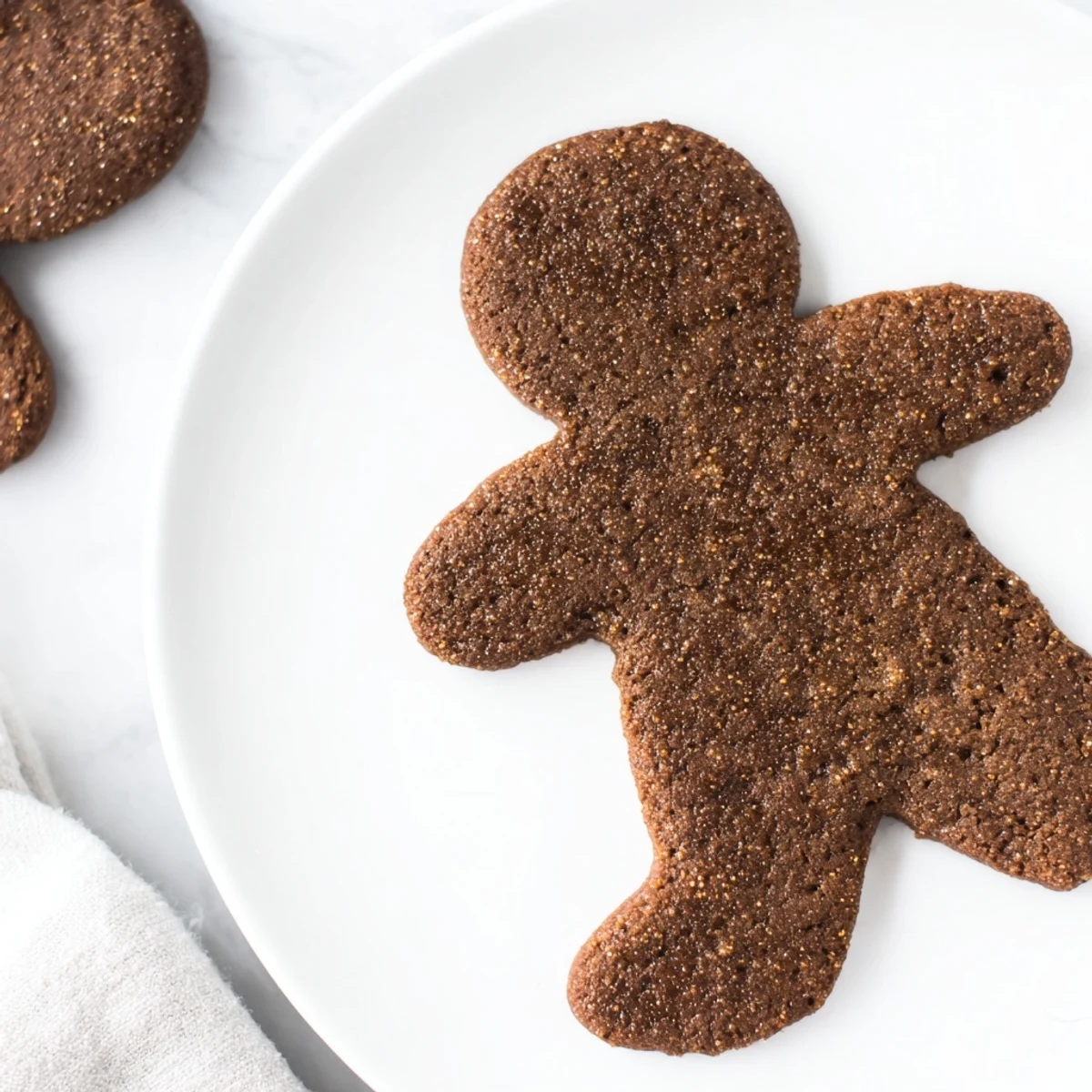
Save This warmly spiced dough combines ground ginger, cinnamon, cloves, and nutmeg with molasses and brown sugar to create a rich, aromatic base perfect for cookies and holiday shapes. After mixing wet and dry ingredients, the dough needs chilling for enhanced flavor and manageable rolling. Baking at 350°F yields tender edges with a slightly crisp finish. Ideal for decorating or assembling gingerbread houses, it balances traditional spice notes with a moist texture.
My grandmother's kitchen always smelled like this dough in late November, the kind of warm spice that made you want to stay there all day. She'd roll out sheets of gingerbread and let me cut shapes with her old metal cutters while she hummed along to carols on the radio. I never wrote down her recipe, but years later I recreated it by memory and smell, testing batches until I got that perfect snap and chew just right. Now this dough is my shortcut to that same cozy feeling whenever I need it.
I made this with my nephew last winter, and he kept sneaking tastes of the raw dough despite my warnings about the egg. We ended up covered in flour and ginger by the end, but when those cookies came out of the oven golden and fragrant, his face lit up in a way that made the mess completely worth it. He insisted we were "professional bakers" and demanded we make batches every weekend after that.
Ingredients
- All-purpose flour (3 cups): This is your structure, so don't skimp or sift it too aggressively—gently spoon into your measuring cup and level it off, or you'll end up with dough that's too dry.
- Ground ginger (1 tbsp): The soul of this recipe, but freshness matters tremendously—buy whole ginger root and grind it yourself if your spice jar has been sitting open for months.
- Ground cinnamon (2 tsp): Use real cinnamon if you can; the cheap stuff fades into the background, but quality Ceylon or cassia actually adds dimension.
- Ground cloves (½ tsp) and nutmeg (½ tsp): These are the secret depth charges—don't skip them thinking you're being adventurous, they're what makes people say your cookies taste "like real gingerbread."
- Baking soda (½ tsp) and salt (½ tsp): The baking soda reacts with molasses to give you lift and tenderness, while salt amplifies every spice without tasting salty itself.
- Unsalted butter (½ cup), softened: Room temperature is non-negotiable here—cold butter won't cream properly with the sugar, and you'll miss that light texture that makes these cookies melt on your tongue.
- Packed dark brown sugar (¾ cup): The moisture in brown sugar keeps these cookies chewy, and the deeper molasses notes layer beautifully with your spices.
- Molasses (⅔ cup): This is your ingredient to splurge on—use the darkest, most robust molasses you can find, and make sure it's fresh because old molasses can taste bitter and flat.
- Large egg (1) and vanilla extract (1 tsp): The egg binds everything together while adding richness, and vanilla whispers in the background, enhancing the spices without announcing itself.
Instructions
- Assemble your dry team:
- Whisk together flour, ginger, cinnamon, cloves, nutmeg, baking soda, and salt in a medium bowl until everything looks evenly distributed and the spices have no visible clumps. This step matters because it ensures the spices are scattered throughout your dough rather than clustering in one cookie.
- Cream butter and brown sugar:
- Beat them together in a large bowl until the mixture is pale, fluffy, and noticeably lighter in color—this usually takes 2-3 minutes with an electric mixer. You're incorporating air here, which gives the final cookies their tender crumb.
- Build your wet base:
- Add molasses, egg, and vanilla to the butter mixture and beat until everything is fully combined and smooth, scraping down the bowl to catch any stubborn bits at the bottom. The mixture should look cohesive and glossy, never separated or streaky.
- Marry wet and dry:
- Add the dry ingredients to the wet mixture gradually, stirring on low speed or by hand until a soft dough just comes together. Stop as soon as you no longer see streaks of flour—overmixing toughens gingerbread dough.
- Chill and prep for rolling:
- Divide the dough in half, flatten each half into a disc, wrap tightly in plastic wrap, and refrigerate for at least 2 hours (or up to 3 days). Cold dough is forgiving dough—it won't stick to your rolling pin and will hold its shape when you cut it.
- Heat your oven:
- Preheat to 350°F (175°C) and line your baking sheets with parchment paper while the oven comes to temperature. This prevents sticking and ensures even browning on the bottom of your cookies.
- Roll and cut:
- Working with one disc at a time, roll the dough on a lightly floured surface to ¼ inch thickness, then cut into shapes with your favorite cookie cutters. If the dough gets too warm and sticky, slide it back into the fridge for 10 minutes before continuing.
- Space and bake:
- Arrange cookies 1 inch apart on your prepared sheets and bake for 8-10 minutes until the edges look just set but the centers still feel slightly soft to a light touch. The cookies will firm up as they cool, so don't overbake them.
- Cool with patience:
- Let cookies rest on the baking sheet for 5 minutes to set up, then transfer them to a wire rack to cool completely. This prevents them from breaking when you move them while still too warm.
 Save
Save I remember bringing a tin of these to a neighbor who was going through a rough time, and she later told me the smell of gingerbread when she opened the tin made her feel genuinely comforted for the first time in weeks. It reminded me that the most powerful part of a recipe isn't always in the taste—sometimes it's in what the aroma carries with it.
Decorating and Storage
Once your cookies have cooled completely, they're a blank canvas for royal icing, melted chocolate, or even a simple dusting of powdered sugar. The dough itself is subtle enough that it doesn't compete with bold decorations, so go wild with colors and designs if you're feeling festive.
Building a Gingerbread House
If you're thinking bigger than cookies, this dough scales beautifully to gingerbread house territory—just roll it slightly thicker, around ⅜ inch, and use sturdy shapes like rectangles for walls and triangles for roofs. Bake these larger pieces for 12-15 minutes until completely firm so they can bear the weight of frosting and decorations without cracking.
Make-Ahead Magic and Shelf Life
The real beauty of this dough is that you can make it days in advance and bake whenever the mood strikes, or freeze the dough for up to a month and pull it out when you need a last-minute treat. Baked cookies keep for a week in an airtight container, though they somehow taste better on day two or three after the flavors have mellowed and deepened.
- Store baked cookies in an airtight container at room temperature, layering them with parchment to prevent sticking.
- If your cookies soften up after a few days, pop them in a 300°F oven for 5 minutes to re-crisp them.
- Unbaked dough keeps in the fridge for up to 3 days or frozen for a full month, so batch your baking work however makes sense for your schedule.
 Save
Save There's something timeless about gingerbread that never gets old, no matter how many years go by or how often you make it. This dough has become my kitchen constant, the recipe I return to when I want to feel grounded and connected to something warm and real.
Common Recipe Questions
- → What type of flour is best for this dough?
-
All-purpose flour provides the right structure and texture, helping the dough hold its shape during baking.
- → How does chilling the dough affect the final result?
-
Chilling firms the dough, making it easier to roll and cut while enhancing the flavor by allowing spices to meld.
- → Can the baking time be adjusted for texture?
-
Yes, shorter baking yields softer edges, while longer baking produces a crisper finish.
- → What gives the dough its warm spice flavor?
-
A blend of ground ginger, cinnamon, cloves, and nutmeg delivers the characteristically warm and aromatic profile.
- → Is molasses essential in this dough?
-
Molasses contributes deep flavor and moisture, essential for the dough’s rich color and tender crumb.