
 Save
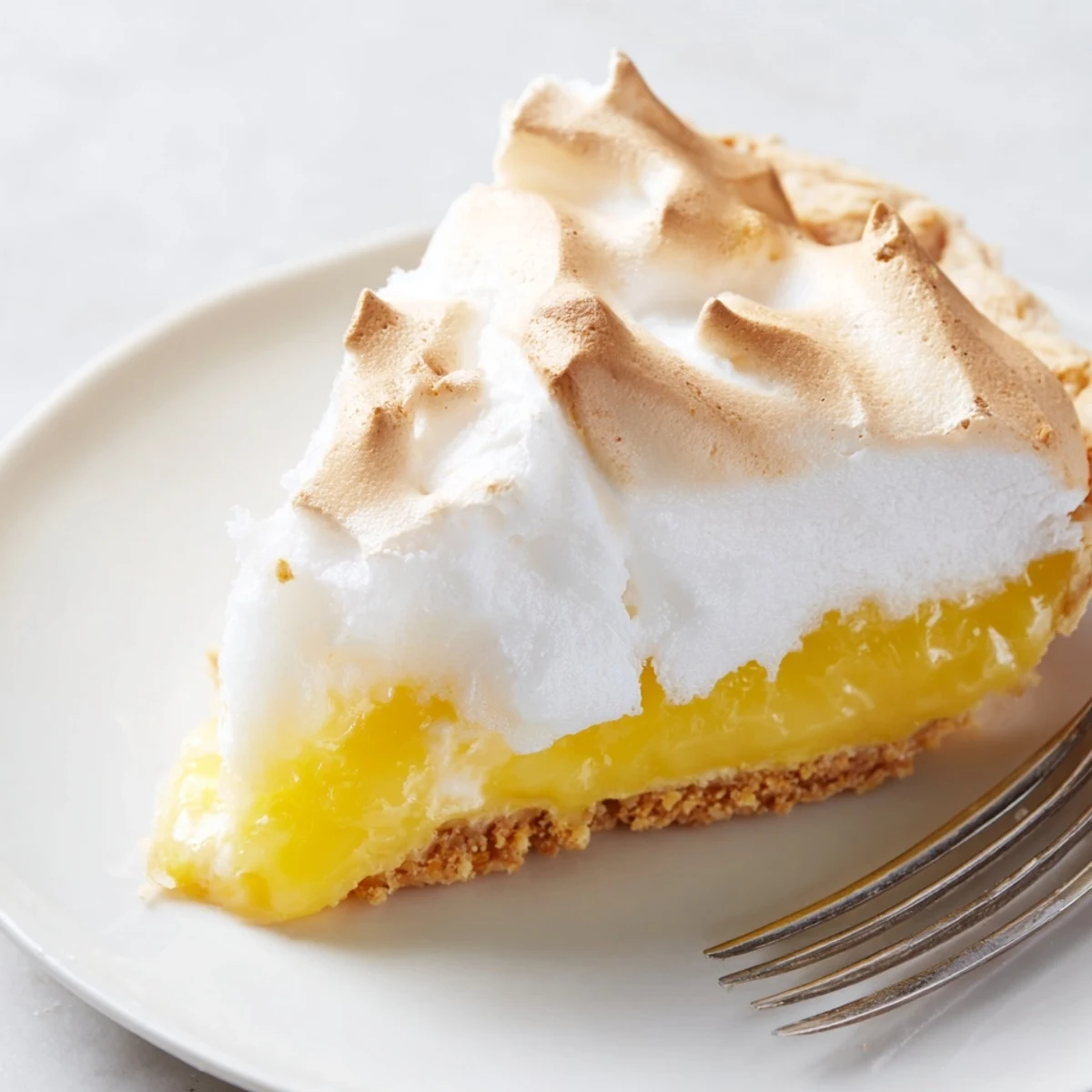
Save This dessert features a crisp graham cracker crust filled with a silky lemon custard, topped with fluffy, toasted meringue. The crust is made by baking combined graham crumbs and butter until golden, while the lemon filling is carefully thickened with cornstarch and enriched with fresh lemon juice and zest. The meringue is whipped to glossy peaks and browned lightly to add a pillowy finish. Chilling enhances the flavors and ensures clean slices for serving. Perfect for an elegant sweet finish.
I burned the meringue on my third try, and that's when I finally understood what golden brown actually means. The filling was too sweet the first time, too tart the second, and by the fourth pie I stopped measuring the lemon juice and just tasted as I went. Now this pie shows up every spring when the light changes and I want something that tastes like starting over.
I made this for my neighbor after she helped me fix a broken fence, and she said it tasted like the one her grandmother used to make in Tennessee. She didn't ask for the recipe, just looked at me and said bring this to the next potluck. That's when I knew I'd gotten it right.
Ingredients
- Graham cracker crumbs: I buy the box of crumbs instead of crushing crackers myself because consistency matters here, and the texture stays even when pressed into the pan.
- Granulated sugar (for crust): Just enough to balance the slight saltiness of the crackers without making the base too sweet.
- Unsalted butter (for crust): Melted and cooled slightly so it coats every crumb without clumping, this is what holds the crust together.
- Granulated sugar (for filling): The backbone of the custard, it balances the sharp lemon juice and helps the filling set smoothly.
- Cornstarch: This thickens the filling without adding richness, keeping it light and glossy instead of heavy.
- Salt: A small pinch sharpens the lemon flavor and keeps the sweetness from flattening out.
- Water: The liquid base that dissolves the sugar and cornstarch before the heat does its work.
- Egg yolks: These turn the filling silky and give it that pale yellow color, save the whites for the meringue so nothing goes to waste.
- Fresh lemon juice: Bottled juice doesn't come close, fresh lemons have the brightness and acidity that make this pie sing.
- Lemon zest: The oils in the zest add a floral note that juice alone can't deliver, just avoid the white pith.
- Unsalted butter (for filling): Stirred in at the end, it adds a glossy finish and rounds out the tartness.
- Egg whites: Whipped into stiff peaks, they become the cloud that crowns the pie.
- Granulated sugar (for meringue): Added gradually while beating, it dissolves into the whites and stabilizes the foam.
- Cream of tartar: This keeps the meringue stable and prevents it from deflating before it hits the oven.
- Vanilla extract: A half teaspoon smooths out any eggy taste and adds warmth to the meringue.
Instructions
- Preheat and Prep:
- Set your oven to 350°F and let it fully heat while you work. This ensures the crust bakes evenly and the meringue browns without drying out.
- Build the Crust:
- Mix the graham cracker crumbs and sugar in a bowl, then pour in the melted butter and stir until it looks like wet sand. Press the mixture firmly into the bottom and up the sides of a 9 inch pie dish, using the bottom of a measuring cup to pack it tight, then bake for 8 to 10 minutes until it smells toasty and the edges turn golden.
- Cook the Lemon Base:
- Whisk together sugar, cornstarch, and salt in a saucepan, then slowly add the water while whisking to avoid lumps. Set it over medium heat and stir constantly until it thickens and starts to bubble, this takes about 5 minutes and your arm will get tired but don't stop or it will scorch.
- Temper the Yolks:
- Whisk the egg yolks in a separate bowl, then slowly drizzle in half a cup of the hot mixture while whisking fast to warm the yolks without scrambling them. Pour the tempered yolks back into the saucepan and whisk constantly for another minute until the filling is thick and glossy.
- Finish the Filling:
- Remove the pan from the heat and stir in the lemon juice, zest, and butter until everything melts together and the surface shines. Pour it into the warm crust and smooth the top with a spatula, working quickly so it stays hot for the meringue.
- Whip the Meringue:
- In a clean dry bowl, beat the egg whites and cream of tartar on medium high speed until soft peaks form, then add the sugar one tablespoon at a time and keep beating until the peaks stand up straight and look glossy. Beat in the vanilla at the end.
- Top and Seal:
- Spoon the meringue onto the hot filling and spread it all the way to the edges of the crust, making sure there are no gaps or the meringue will shrink and weep. Use the back of a spoon to create swirls and peaks for texture.
- Bake Until Golden:
- Slide the pie into the oven and bake for 15 to 18 minutes, watching closely until the meringue turns golden brown on the tips. Pull it out when it looks toasted and smells like marshmallows.
- Cool and Chill:
- Let the pie cool on the counter until it reaches room temperature, then cover it loosely and refrigerate for at least 2 hours so the filling sets completely. Cold filling slices cleanly and tastes brighter.
 Save
Save My daughter asked for this instead of birthday cake one year, and we ate it on the back porch while the sun went down. She's in college now and still texts me every March asking if I've made it yet. Some recipes become the way you say I love you without using the words.
How to Avoid Weepy Meringue
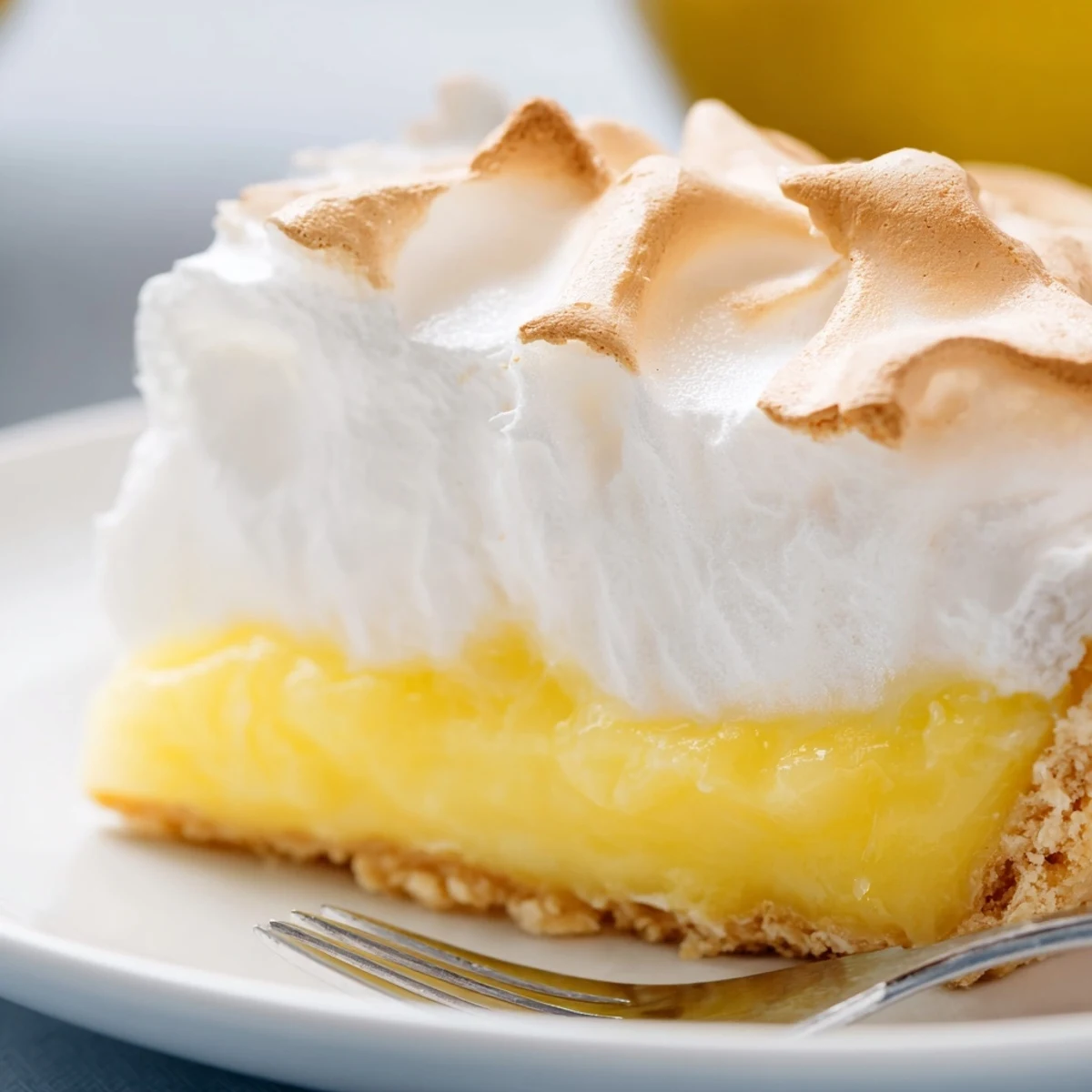
The meringue weeps when there's a layer of liquid between it and the filling, and that happens when the two don't bond properly. I learned to always spread the meringue on hot filling, and I make sure it touches the crust all the way around so there's no gap for moisture to escape. If you pull the pie out of the oven before the meringue is fully set, it can also release water as it cools, so bake it until the peaks are deeply golden and feel dry to the touch.
Storing and Serving
This pie tastes best the day it's made, when the meringue is still fluffy and the crust hasn't had time to soften. If you need to keep it overnight, refrigerate it uncovered for the first hour so the meringue doesn't steam and deflate, then loosely cover it with plastic wrap. The pie will keep for up to two days, but the meringue loses its height and the crust gets a little chewy, so plan to serve it sooner rather than later.
What to Serve Alongside
I like this pie after a heavy meal because it's bright and cuts through richness without feeling like too much. A pot of hot Earl Grey tea brings out the lemon, and a glass of chilled Moscato echoes the sweetness without competing. If you're serving it at a potluck, slice it just before people arrive so the edges stay clean and the filling doesn't smear.
- Let the pie come to cool room temperature before you refrigerate it or condensation will make the meringue sticky.
- Use a knife dipped in hot water and wiped dry between cuts for neat slices.
- Leftover egg yolks can be saved for custard or scrambled into tomorrow's breakfast.
 Save
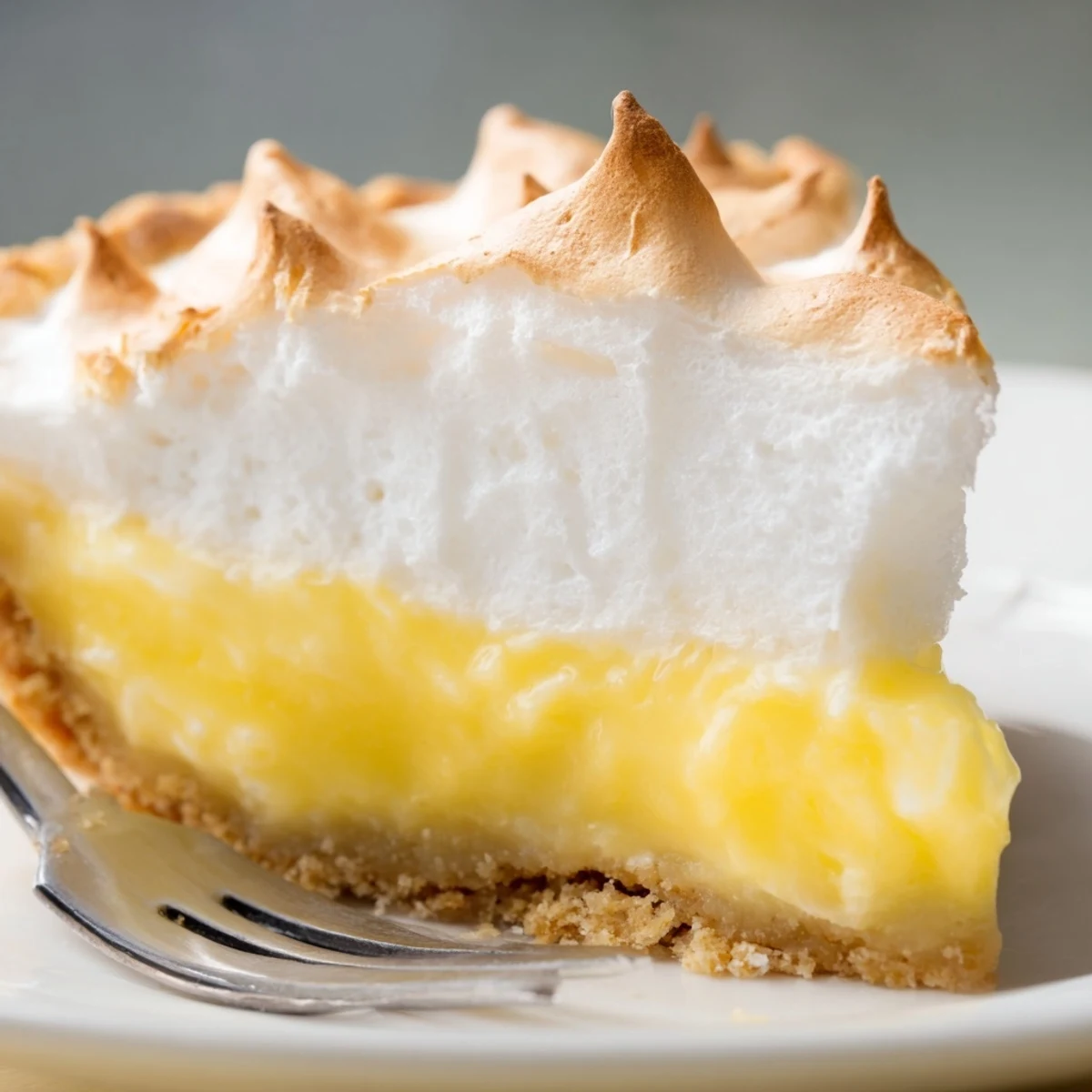
Save This is the pie I make when I want to remember that some things are worth the extra effort. It's not quick and it's not foolproof, but when you get it right it tastes like sunshine in a bowl.