
 Save
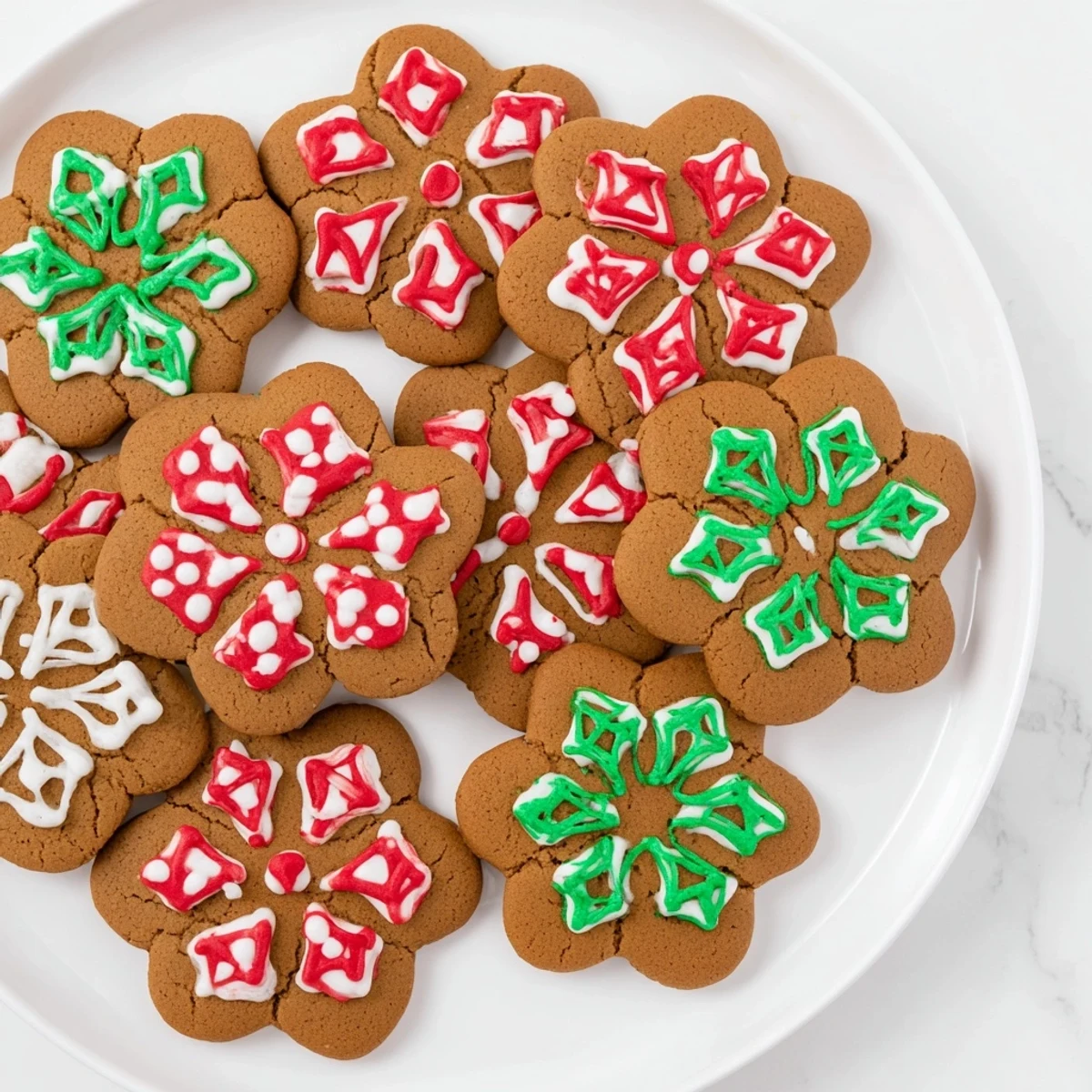
Save Discover the art of making classic cutout gingerbread with a blend of warm spices like ginger, cinnamon, cloves, and nutmeg. This dough, made from butter, brown sugar, molasses, and vanilla, chills for an hour before being rolled thin and cut into festive shapes. Baked just until edges brown lightly, these treats offer a tender bite perfect for decorating with royal icing and sprinkles. Ideal for holiday celebrations, these spiced cookies pair wonderfully with warm beverages.
Every December, my kitchen fills with the smell of molasses and cinnamon before anything else happens. I learned to make these gingerbread cutouts from my grandmother, who kept a tin of them on her counter all through the holidays, and I realized years later that the magic wasn't really in perfection—it was in how the dough felt warm under your hands and how a simple cookie could make people smile. There's something about rolling out spiced dough and reaching for cookie cutters that feels like opening a door to childhood, no matter how old you get.
I remember my sister arriving home from college one December and walking straight to the cooling racks where I'd lined up dozens of these cookies, still warm, and she just grabbed one without asking and bit into it right there in the kitchen doorway. She closed her eyes like she was tasting something she'd been missing, and I understood then that these cookies carry more than flavor—they carry moments.
Ingredients
- All-purpose flour (3 cups): This is your foundation, and measuring by weight keeps everything consistent, though spooning and leveling works fine if that's what you have on hand.
- Unsalted butter (3/4 cup, softened): Softened, not melted—there's a real difference in how the dough feels and how the cookies bake, so pull it out and let it sit while you prep everything else.
- Packed dark brown sugar (3/4 cup): Don't skip the packing step; it adds moisture and depth that white sugar just can't replicate in gingerbread.
- Molasses (1/2 cup): The soul of the cookie—use unsulphured molasses for a cleaner flavor, and don't measure it straight from the jar or it'll stick; rinse your measuring cup with oil first.
- Ground ginger, cinnamon, cloves, and nutmeg: Freshness matters here more than anywhere else; old spices will taste dusty and flat, so give them a smell test before you add them in.
- Baking soda (3/4 teaspoon) and salt (1/2 teaspoon): These aren't just filler—they're what helps the cookies spread just right and brings out all that spice complexity.
- One large egg and vanilla extract: The egg binds everything together while the vanilla whispers in the background, so don't leave either one out.
Instructions
- Whisk together your dry ingredients:
- Grab a medium bowl and combine your flour, baking soda, salt, and all those gorgeous spices, then set it aside so it's ready when you need it. This way everything mixes evenly and you won't have random pockets of baking soda tasting bitter.
- Cream butter and brown sugar until fluffy:
- This usually takes 2 to 3 minutes with a mixer, and you'll know it's right when it looks almost pale and fluffy like clouds. The whole point is to trap air bubbles that help your cookies have that perfect tender texture.
- Add your wet ingredients and mix gently:
- Pour in the egg, molasses, and vanilla, then beat just until everything comes together into a smooth, glossy batter. Overmixing at this stage won't ruin anything, but you're better off stopping as soon as it looks combined.
- Fold in the dry mixture:
- Add the flour mixture gradually, mixing on low speed until you can't see any dry streaks anymore and the dough just barely comes together. This is where patience pays off—rushing this step means tough, dense cookies.
- Chill the dough for at least an hour:
- Divide the dough in half, flatten each piece into a disk, wrap in plastic wrap, and let it rest in the fridge. The cold time is when the flavors settle and deepen, and it makes rolling so much easier.
- Preheat and prepare your baking space:
- Get your oven to 350°F and line your baking sheets with parchment paper while the dough sits cold. This small prep moment means you're not fumbling around later when you need to work quickly.
- Roll and cut your shapes:
- On a lightly floured surface, roll one disk to about 1/4-inch thickness, working gently so you don't crack the dough, then cut out whatever shapes make you happy. Leave about an inch between each cookie so they have room to spread just a little.
- Bake until the edges just start to brown:
- This takes 8 to 10 minutes, and the timing depends on your oven and how thick your cookies are, so watch them the first time to learn your kitchen's rhythm. They'll look almost underdone when you pull them out, which is exactly right.
- Cool with intention:
- Let them sit on the baking sheet for 5 minutes to firm up, then transfer to a wire rack to cool completely. This two-step cooling prevents them from breaking apart while they're still fragile.
 Save
Save There was one year when I made these for a cookie exchange and watched a woman I barely knew take one bite and then sit down in my kitchen chair like she'd traveled back to a specific moment in her life. She didn't say much, just held it and smiled, and that's when I realized that food is permission to remember.
Decorating Like You Mean It
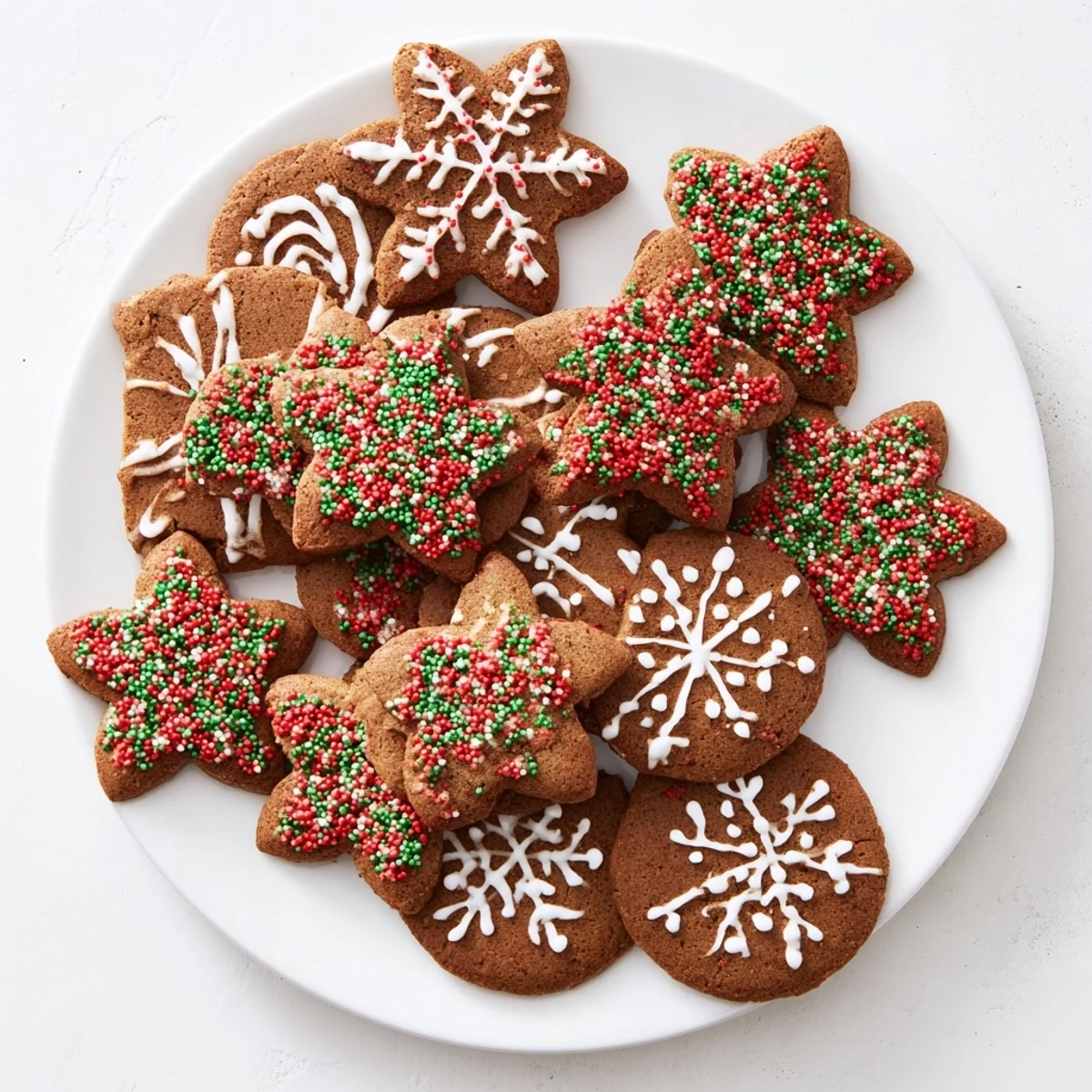
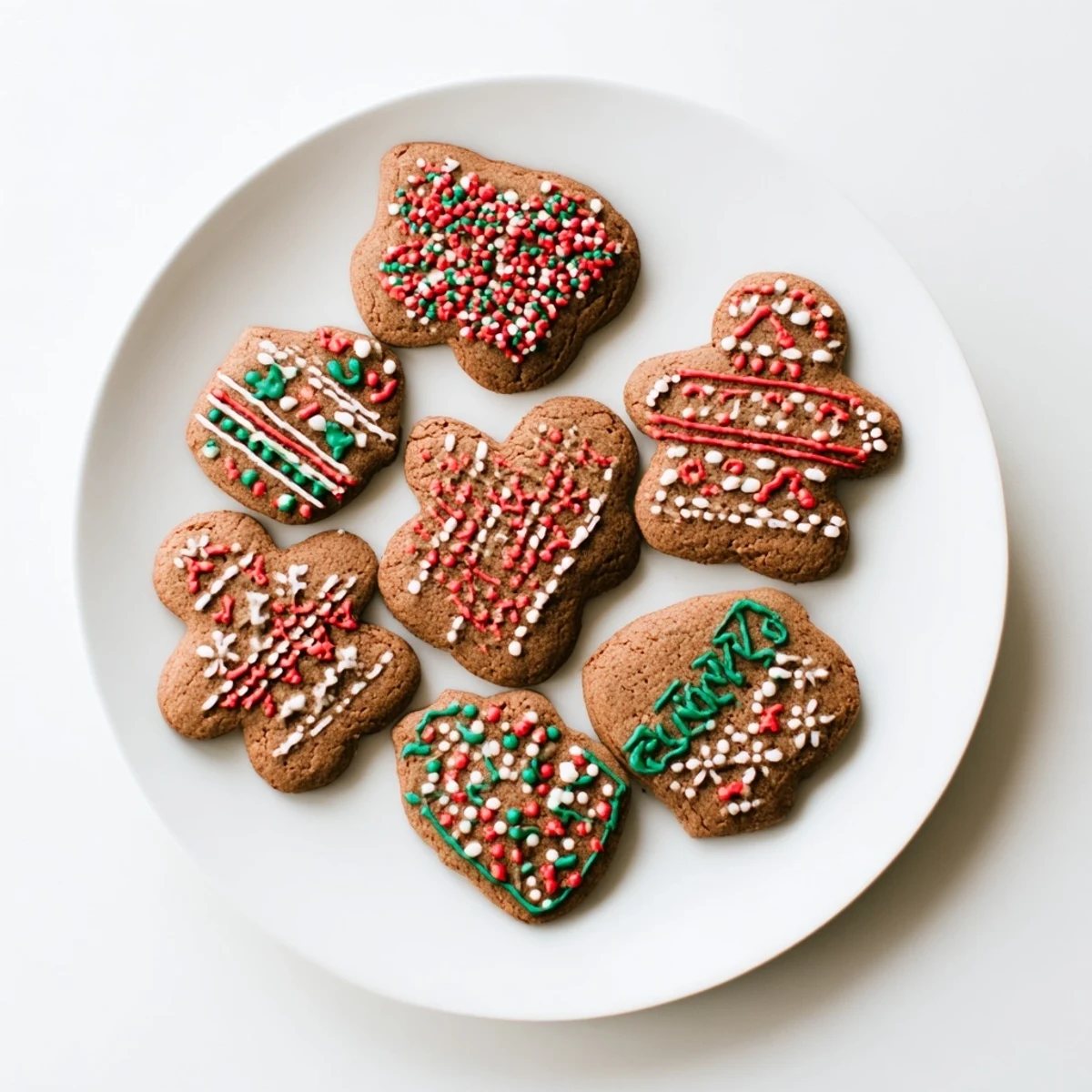
Royal icing is the classic choice, and while it takes a bit longer to set, it looks stunning and tastes clean without being too sweet. If you want to skip the icing entirely, a simple dusting of coarse sugar while the cookies are still warm gives them a sparkle that feels effortless and elegant. Sprinkles, candies, and melted chocolate all work beautifully too—the point is to have fun with it, not to stress.
Make-Ahead Wisdom
The dough keeps beautifully in the fridge for up to two days, which means you can make it on a quiet Monday night and bake on Friday without any rush. Baked and decorated cookies stay fresh in an airtight container for about a week, though they rarely last that long in my house. The batch actually tastes better on day two once all those spices have had time to settle and deepen.
Small Tweaks That Matter
If you like your cookies softer, aim for the lower end of the baking time and don't let them brown much at all. For extra warmth and complexity, add just a tiny pinch of black pepper to the spices—it sounds strange until you taste how it lifts everything else. These cookies pair perfectly with hot cocoa, strong coffee, or a small glass of mulled wine on a cold afternoon.
- Let softened butter sit at room temperature for 20 minutes so it's genuinely soft and not cold or melted.
- If your cookies spread too thin, your oven is probably running hot, so lower the temperature by 25 degrees next time.
- Freshly ground spices make a noticeable difference, so replace yours if they've been sitting in your cabinet for more than six months.
 Save
Save There's something grounding about standing in a warm kitchen with flour on your hands and the smell of molasses and cinnamon filling everything, knowing that in a few minutes you'll have something beautiful to share. These cookies are simple, but they carry weight.
Common Recipe Questions
- → What spices are used for flavoring?
-
The blend includes ground ginger, cinnamon, cloves, and nutmeg to create a warm and spiced profile.
- → How thick should the dough be rolled?
-
Roll the dough to about 1/4-inch (6 mm) thickness for optimal baking and cutting.
- → Can the dough be prepared in advance?
-
Yes, dough can be made up to two days ahead and kept refrigerated until ready to use.
- → What is the recommended baking time?
-
Bake for 8 to 10 minutes until edges are just beginning to brown.
- → What optional decorations work best?
-
Royal icing, sprinkles, or candies add festive charm and complement the spiced flavors.
- → How can I make the cookies softer?
-
Baking at the lower end of the time range will result in softer cookies.